Astragalus (Astragalus membranaceus)
Photo: Doronenko · CC BY 2.5
- Mental
- 2 conditions
- Licensed photo
Overview
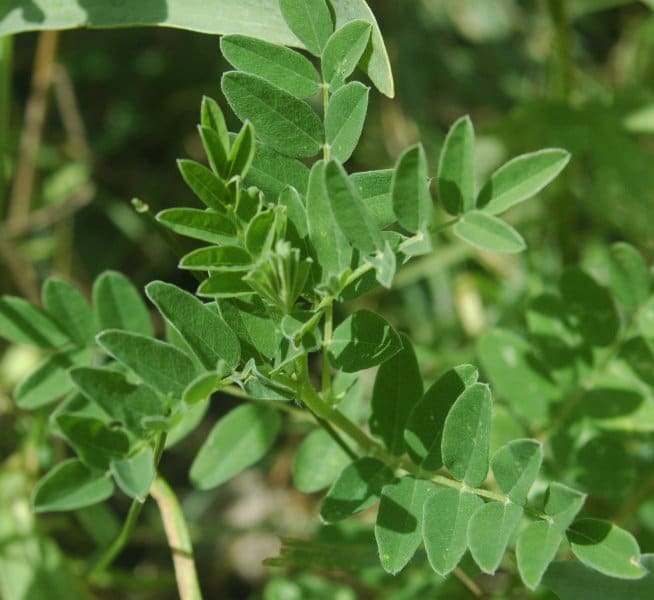
Astragalus (Astragalus membranaceus), known in China as huang qi, is a perennial reaching about 16 in (40 cm), with hairy stems and compound leaves composed of multiple leaflet pairs. In traditional Chinese medicine, it is a sweet, slightly warming herb often used to boost energy, strengthen immunity, and support overall vitality. Modern research suggests it may benefit heart function, kidney health, and immune response.
Traditional uses & properties
Adaptogen: Helps the body adapt to stress, boosts stamina, and strengthens resilience. Anti-inflammatory & Antiviral: Supports the immune system, helping to prevent or address viral and bacterial infections. Diuretic & Vasodilator: Can reduce fluid retention, support normal kidney function, and improve circulation. Hypotensive & Immune Amphoteric: Potentially lowers blood pressure, and modulates immune function by either stimulating or balancing the immune response, depending on the body’s needs.
Traditional preparations
Traditional texts describe the preparations below, and where those texts give specific amounts, the amounts are quoted here as part of that record. This is a record of historical practice, not a dosage recommendation - the figures are what the sources say, not what HerbMate tells you to take. Amounts, potency, and safe use vary enormously by preparation, plant part, and person.
Dried root (1:5, 40% alcohol); 2-4 ml (0.4-0.8 tsp.) 3 times daily. The tincture is not as effective as other forms of administration.
1,000-3,000 mg, 3 times daily
Dried root (1:8); 10-20 ml (2-4 tsp.) 3 times daily
Dried root (1:8, 50% honey); 2-3 tsp. 3 times daily
1-3 cups daily
Safety & precautions
Skin Disorders & Acute Illness: It is generally recommended not to use astragalus during active skin disorders or acute infections. Individual Variation: Although widely regarded as safe, astragalus should be used with care if there are any underlying health issues, and it may need to be avoided in certain inflammatory skin conditions.
Drug & food interactions
Astragalus appears to alter the immune response, but the effect this has on treatment with interleukins, interferons, antiretrovirals and antineoplastics does not appear to be established.
- Food
- No interactions found.
- Cytokines
- Preliminary evidence suggests that astragalus may be beneficial when given with interferon-alfa or interleukin-2. In a controlled study in 235 patients, astragalus appeared to act synergistically with interferon-alfa for the topical treatment of chronic cervicitis associated with viral infection. Local application of astragalus extract plus interferon was similar in efficacy to twice the dose of interferon alone, and more effective than astragalus alone.
- Antiretrovirals
- Long-term astragalus use does not appear to reduce the efficacy of zidovudine or zalcitabine. A randomised, placebo-controlled study, found that a combination of five herbs containing astragalus, Glycyrrhiza glaba L. (Liquorice), Artemisia capillaris Thunb., Morus alba L. (Mulberry) and Carthamus tinctorius L. (Safflower) may enhance the activity of antiretrovirals in patients with HIV. Over a period of 24 weeks antiretroviral-naive subjects received a combination of zidovudine 200 mg three times daily and zalcitabine 750 micrograms three times daily plus either the combined herbs 2.5 g three times daily or placebo. Forty patients receiving the herbs had a significantly greater decline in viral load than 20 patients receiving placebo. In addition, the CD4 cell count in the herbal group was significantly increased from the baseline value from week 12 onwards. No serious adverse events were reported in either of the two groups.
- Medicines
- No interactions found.
- Antineoplastics
- Astragalus improved the response to chemotherapy with mitomycin, a vinca alkaloid and cisplatin in one study. Limited experimental data suggest that astragalus may diminish the immunosuppressant effects of cyclophosphamide. In one small randomised clinical study in Chinese patients with non-small cell lung cancer, the addition of an infusion of astragalus to a chemotherapy regimen of mitomycin, vinca alkaloid and cisplatin (MVP) improved response rate (40% versus 36.7%) and median survival (11 months versus 7 months), when compared with a control group receiving MVP alone
These entries keep the wording of the reference they come from, and three phrases mean three different things. "No interactions found" means the source looked for reports of that pairing and found none. "No data found" means nothing has been published either way. "Based on experimental evidence only" means the effect has been seen in a laboratory or animal study but not in people - a reason for caution, not a report of harm.
Habitat
Native to Mongolia and northern/eastern China, astragalus thrives in sandy, well-drained soil and full sunlight. Grown from seed in spring or autumn, the roots are harvested from four-year-old plants in the fall.
Traditionally used for
Each condition shows its first 2 remedies free. Premium opens the full remedy list for every condition - or come back for the free Condition of the Day.
Frequently asked questions
What is Astragalus (Astragalus membranaceus) traditionally used for?
Traditional sources describe Astragalus (Astragalus membranaceus) as follows: Adaptogen: Helps the body adapt to stress, boosts stamina, and strengthens resilience. Anti-inflammatory & Antiviral: Supports the immune system, helping to prevent or address viral and bacterial infections. Diuretic & Vasodilator: Can reduce fluid retention, support normal kidney function, and improve circulation. Hypotensive & Immune Amphoteric: Potentially lowers blood pressure, and modulates immune function by either stimulating or balancing the immune response, depending on the body’s needs.
How is Astragalus (Astragalus membranaceus) prepared?
Traditional texts describe the preparations below, and where those texts give specific amounts, the amounts are quoted here as part of that record. This is a record of historical practice, not a dosage recommendation - the figures are what the sources say, not what HerbMate tells you to take. Amounts, potency, and safe use vary enormously by preparation, plant part, and person. TINCTURE: Dried root (1:5, 40% alcohol); 2-4 ml (0.4-0.8 tsp.) 3 times daily. The tincture is not as effective as other forms of administration. CAPSULE OR POWDER: 1,000-3,000 mg, 3 times daily GLYCERITE: Dried root (1:8); 10-20 ml (2-4 tsp.) 3 times daily SYRUP: Dried root (1:8, 50% honey); 2-3 tsp. 3 times daily STANDARD DECOCTION: 1-3 cups daily
What safety cautions apply to Astragalus (Astragalus membranaceus)?
Skin Disorders & Acute Illness: It is generally recommended not to use astragalus during active skin disorders or acute infections. Individual Variation: Although widely regarded as safe, astragalus should be used with care if there are any underlying health issues, and it may need to be avoided in certain inflammatory skin conditions.
Related herbs
 Andrographis (Andrographis paniculata)
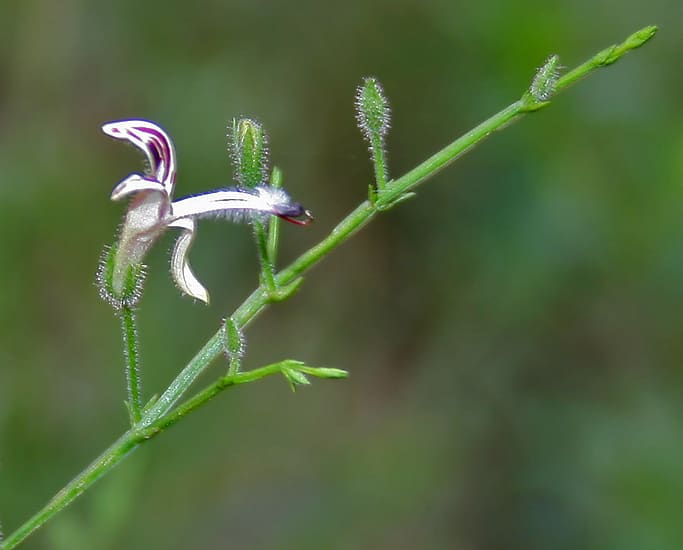
Andrographis, commonly known as Green Chiretta or King of Bitters, is an upright annual herb reaching approximately 3 feet in height. Native to India and cultivated throughout northern regions of India and China, this bitter medicinal plant has been valued in Ayurvedic and traditional Chinese medicine for centuries. Historically used primarily for liver support and treating infections - especially malaria - it has earned recognition for its powerful immune-boosting and protective properties. The plant thrives on plains and in forest undergrowth, where its spotted pale brown or purple flowers and long seed capsules distinguish it from other medicinal herbs.
 Ashwagandha (Withania somnifera)
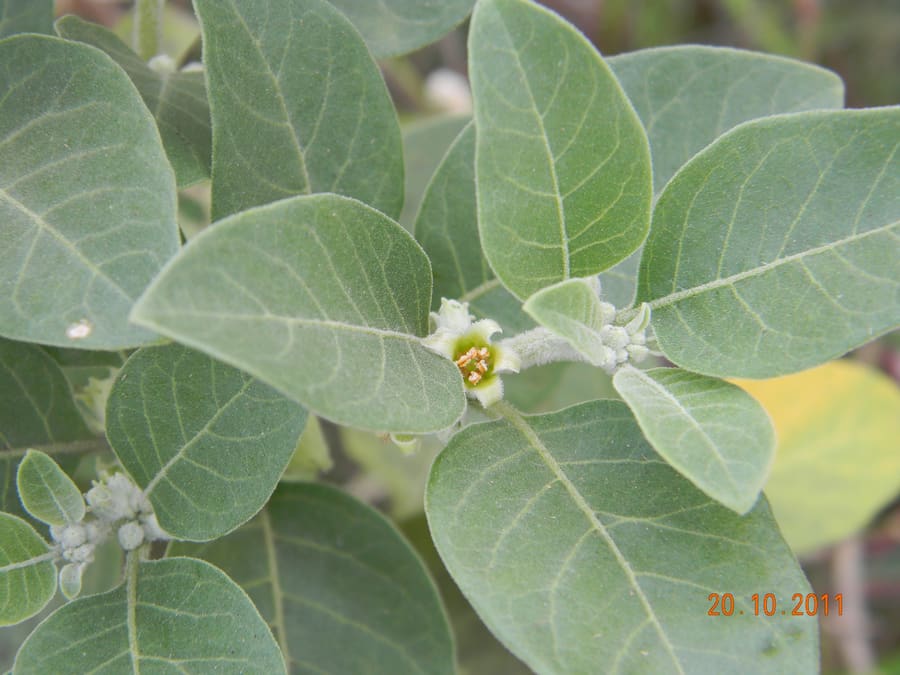
Ashwagandha (Withania somnifera), sometimes called “Indian ginseng,” is a sturdy shrub growing to about 5 ft (1.5 m) with oval leaves, greenish or yellow flowers, and small, round fruits. A key herb in Ayurvedic medicine, it is valued for boosting vitality and aiding convalescence from chronic illnesses. It promotes relaxation, increases energy and muscle tone, and can support healthy thyroid hormone conversion from T4 to T3. Traditionally, ashwagandha is considered a “Rasáyana” (rejuvenator), used long-term to rebuild and regenerate body and mind.
 Basil
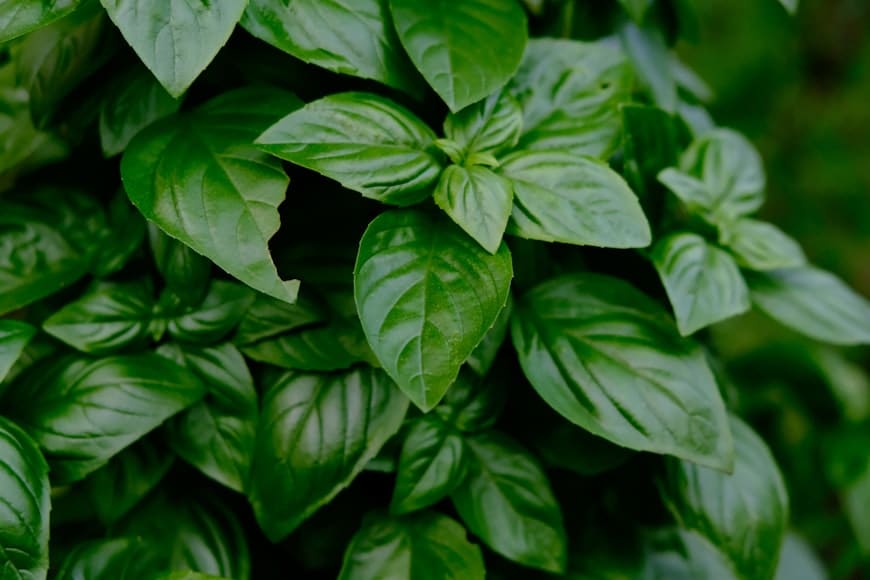
BasilBasil (Ocimum basilicum) is a bushy annual herb growing up to about 20 in (50 cm), with shiny oval leaves arranged on a square stem and small white flowers in whorls. Known for its strong, sweet aroma, basil is cultivated worldwide in numerous varieties. Traditional sources regard basil as both a culinary and medicinal herb, used to address digestive discomfort and various nervous system issues.
 Borage (Borago officinalis)Not for self-dosing
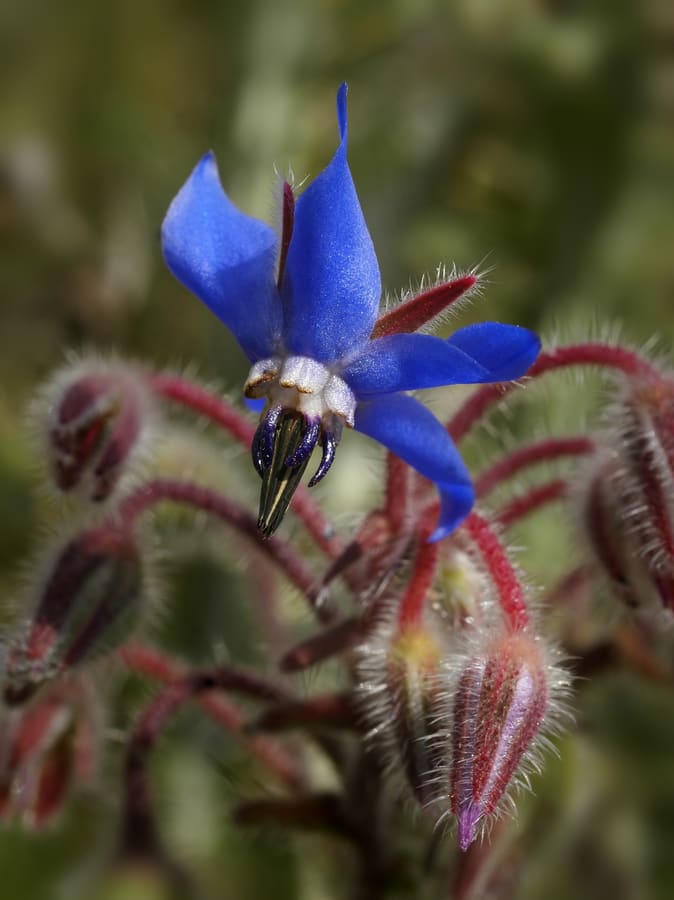
Borage (Borago officinalis) is a coarse, hairy annual that grows to about 2 ft (60 cm), featuring a succulent stem, large basal leaves, and distinctively bright blue star-shaped flowers. The seeds yield an oil exceptionally rich in gamma-linolenic acid (GLA) - a form of polyunsaturated fatty acid beneficial for inflammatory and skin conditions. Traditionally, borage leaves and flowers are associated with uplifting mood and supporting adrenal function.
 Catnip (Nepeta cataria)
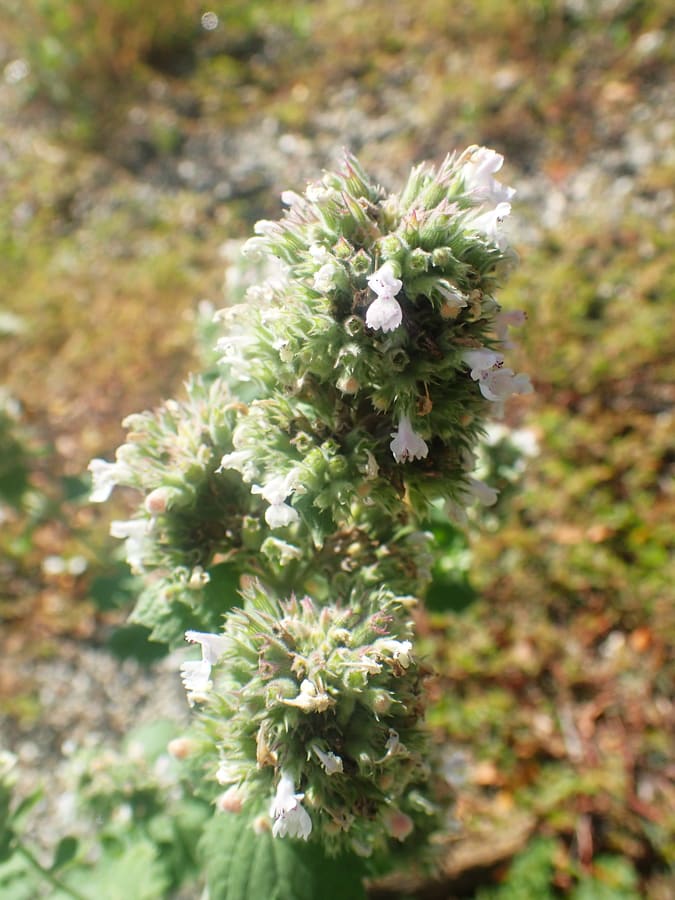
Catnip is a downy, aromatic perennial growing to 3 feet with heart-shaped, gray-green leaves and whorls of white flowers marked with purple spots. Native to Europe and naturalized in North America, it grows in dry wayside places and mountainous regions up to altitudes of 5,000 feet. The plant is gathered when in flower during summer and autumn. Its name comes from the Norse word 'dylla,' meaning 'to soothe,' reflecting its calming properties. Catnip has an excitatory effect on cats but a sedative effect on humans.
 Cinnamon (Cinnamomum verum)
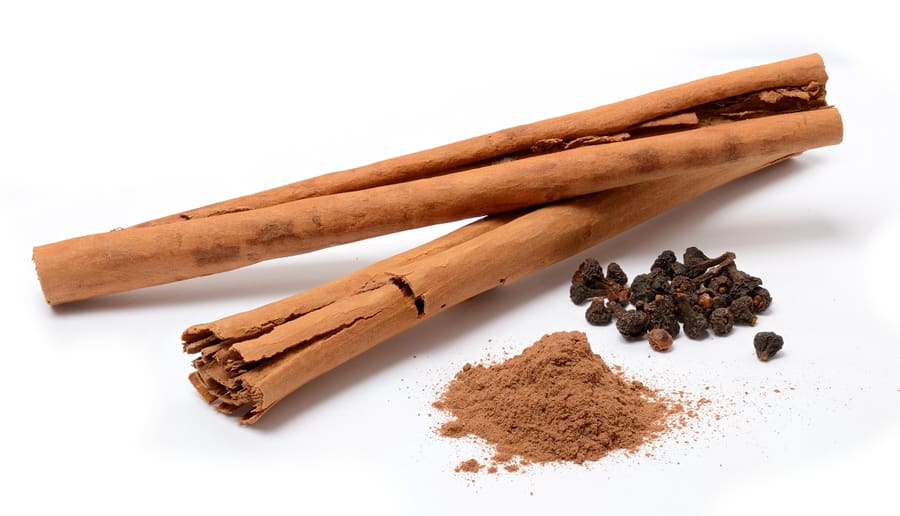
Cinnamon (Cinnamomum verum or C. zeylanicum) is a small evergreen tree, prized for its fragrant, sweet-spicy bark. Used for centuries as a warming stimulant in Ayurveda and traditional Chinese medicine, cinnamon supports digestion, circulation, and blood-sugar balance. Modern research confirms its ability to boost insulin sensitivity and possibly reduce high blood glucose in type 2 diabetes.
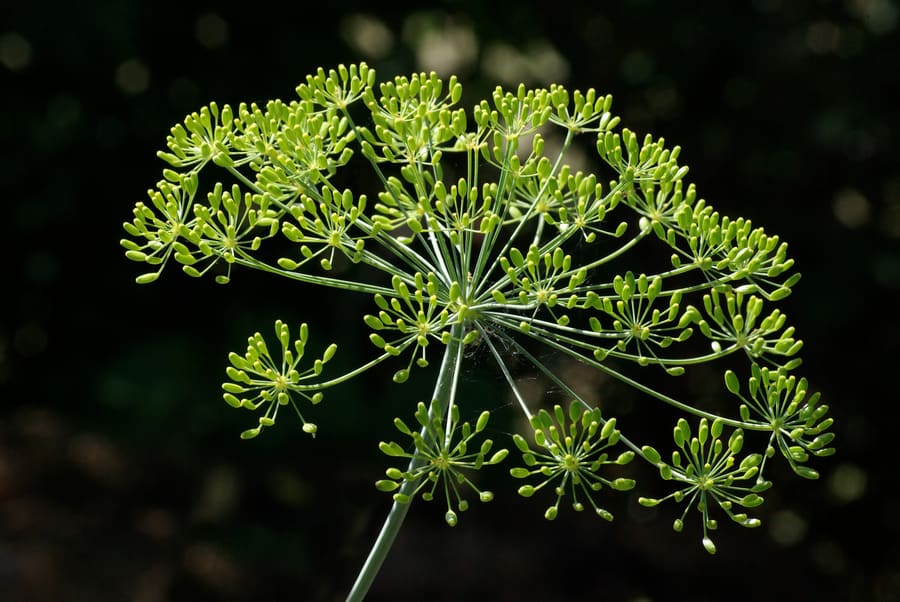 Dill (Anethum graveolens)
Dill is an aromatic annual growing to 30 inches with an erect hollow stem, feathery leaves, and numerous yellow flowers in umbels. Its very lightweight, pungent fruit (seeds) are harvested in late summer. Native to southern Europe and central and southern Asia, dill grows wild in open areas and is widely cultivated - notably in England, Germany, and North America. The leaves are picked as a culinary herb. An ancient Egyptian remedy in the Ebers papyrus (c. 1500 BCE) recommends dill as one of the ingredients in a pain-killing mixture. The ancient Greeks are believed to have covered their eyes with fronds of the herb to induce sleep. Dill was commonly used as a charm against witchcraft in the Middle Ages, when it was burned to clear thunderclouds. Its name comes from the Norse 'dylla,' meaning 'to soothe.'
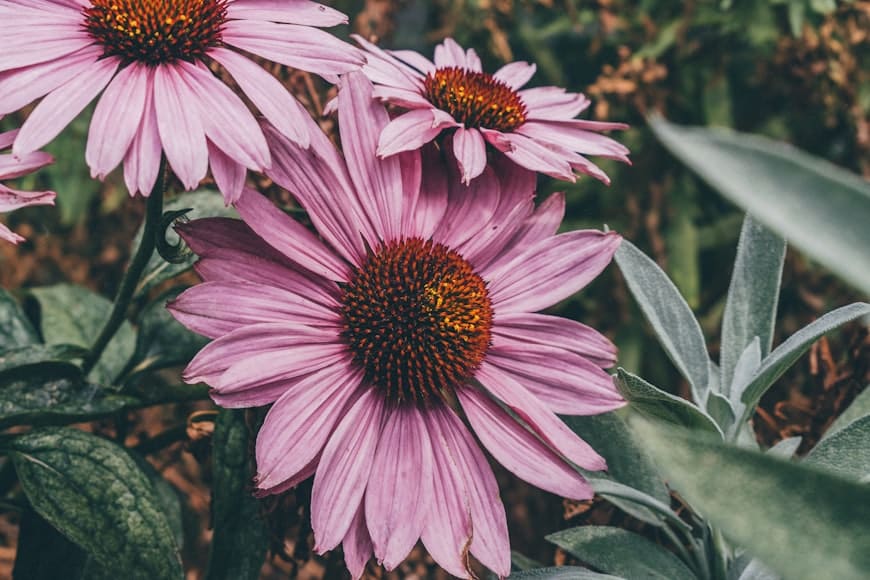 Echinacea (Echinacea spp.)
Echinacea (especially E. angustifolia and E. purpurea) is a tall, upright perennial prized for its immune-boosting properties. Known historically as “Indian Snakeroot,” it was valued by 19th-century Americans for treating snake bites. Its benefits are largely credited to compounds that enhance antibody formation, stimulate white blood cell production, and inhibit hyaluronidase (an enzyme facilitating the spread of infection). Echinacea also supports lymphatic function and can help counter viral infections. While often used for colds and flu, it may be overused for these conditions when other herbs might be equally effective.