
The herbal reference, done carefully.
Explore traditional uses, preparation methods, and precautions for 176 medicinal plants, with drug interaction information where reviewed (currently 45 of 176 plants) - organized by body system and condition. Safety-forward, and free to browse.
- 176
- herbs
- 78
- conditions
- 12
- preparations
Browse by body system
Find herbs traditionally used to support each area of the body.
Featured herbs
Well-known plants to start exploring.
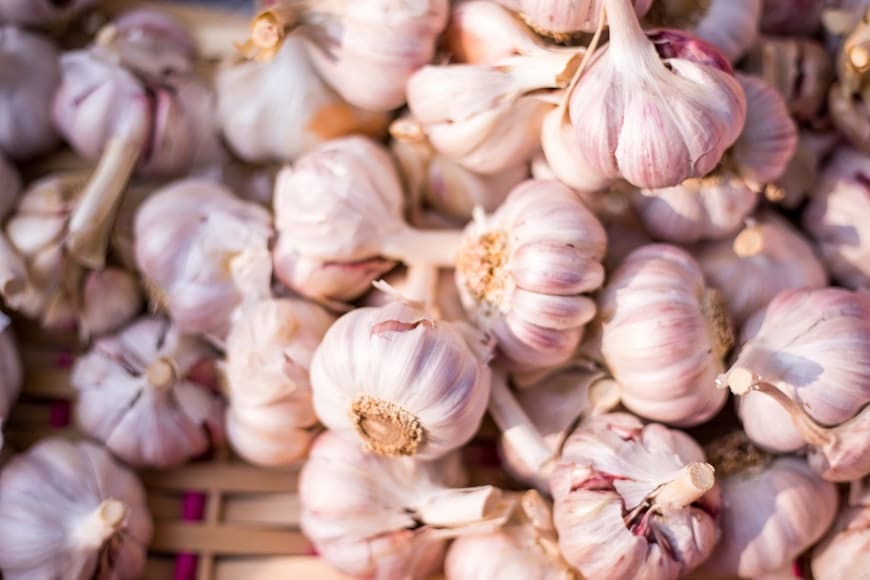 Garlic (Allium sativum)
Garlic (Allium sativum) is a bulbous perennial in the onion family, recognized for its sharp flavor and characteristic odor. Highly valued for both culinary and medicinal purposes, crushed fresh garlic contains allicin, which has potent antibiotic, antifungal, and antiviral properties. Regular garlic intake supports immunity, respiratory health, and circulatory function.
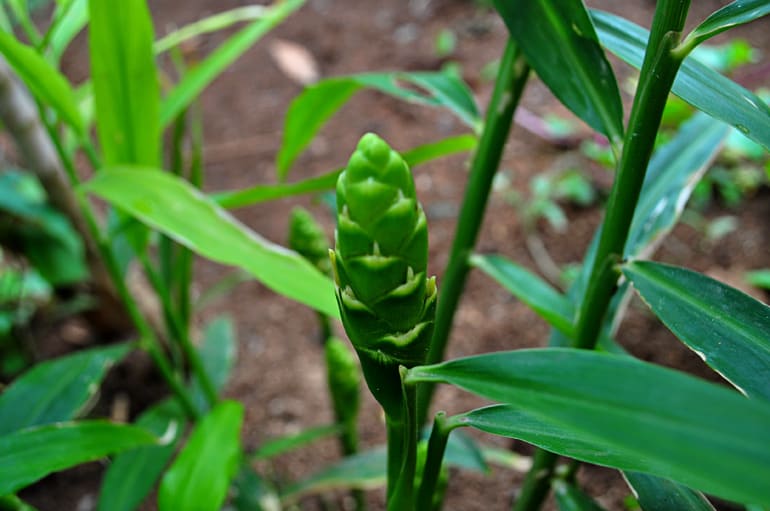 Ginger (Zingiber officinale)
Ginger (Zingiber officinale) is a perennial plant reaching about 2 ft (60 cm), with lance-shaped leaves and white or yellowish flower spikes. Its rhizome (underground stem) is pungent, aromatic, and widely esteemed as both a culinary spice and a potent herbal medicine. Ginger’s warming, anti-inflammatory qualities can ease many digestive and circulatory problems, as well as reduce pain from arthritis and menstrual cramps.
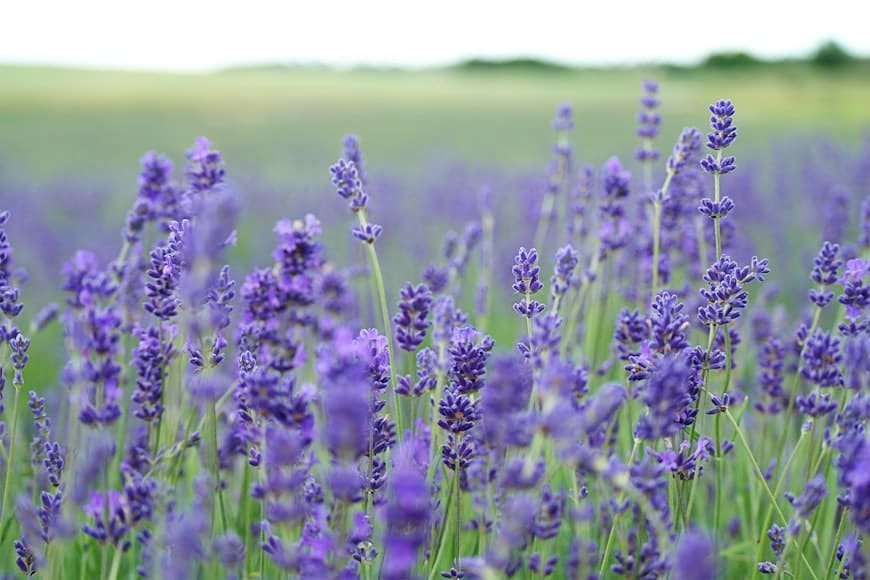 Lavender (Lavandula angustifolia)
Lavender (Lavandula officinalis, also known as L. angustifolia) is a small, perennial shrub that can grow about 3 ft (1 m) high, characterized by its narrow, silver-green leaves and spiked violet-blue flowers. Renowned for its sweet, calming aroma, lavender is a mildly warming, relaxing nervine, helpful in alleviating stress, tension, depression, and headaches. Its essential oil has antifungal properties and is commonly used for burns and other skin inflammations.
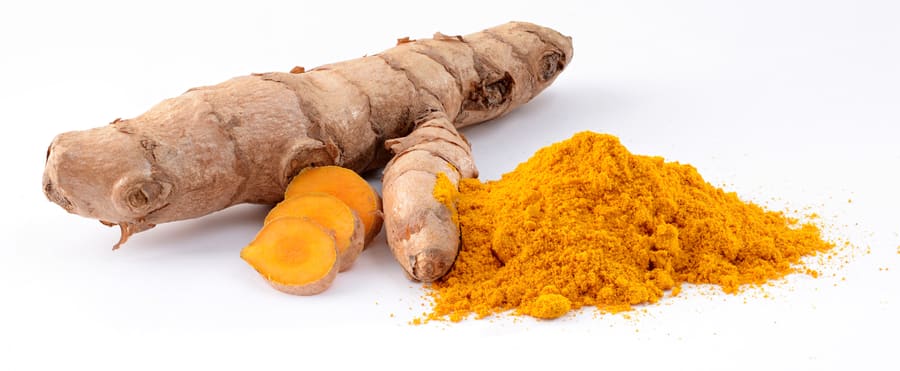 Turmeric (Curcuma longa)
Turmeric (Curcuma longa) is a perennial with a thick rhizome, growing to about 3 ft (90 cm), featuring lance-shaped leaves and pale yellow flowers. Renowned for its bright yellow-orange color, turmeric is a potent anti-inflammatory, antioxidant, and liver-supportive herb commonly employed in Indian cooking and Ayurveda.
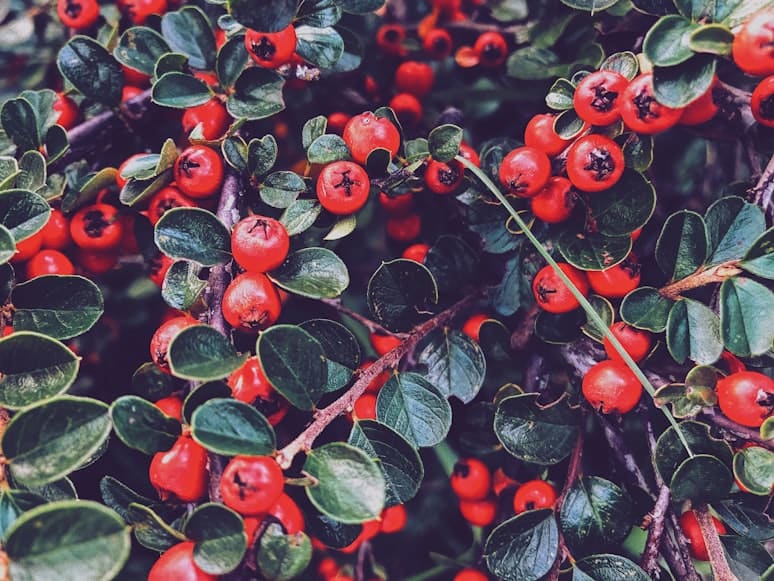 Hawthorn (Crataegus oxyacantha)
Hawthorn (Crataegus spp.) is a deciduous, thorny tree reaching up to about 26 ft (8 m), adorned with small lobed leaves, clusters of white blossoms, and bright red berries. Renowned as a cardiac tonic, hawthorn is often called “food for the heart,” enhancing the heart’s strength, improving blood flow to heart muscle, and helping normalize blood pressure. It also reduces stress and assists digestion when used regularly.
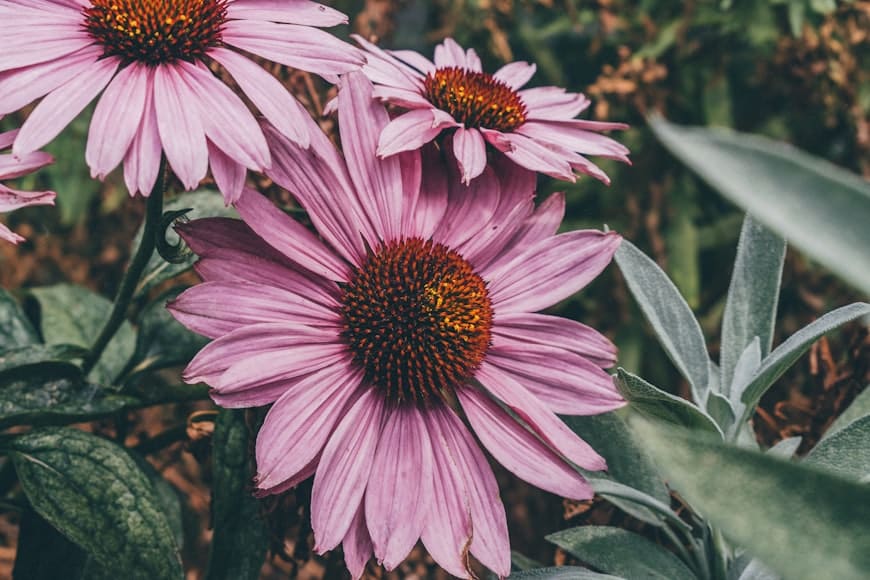 Echinacea (Echinacea spp.)
Echinacea (especially E. angustifolia and E. purpurea) is a tall, upright perennial prized for its immune-boosting properties. Known historically as “Indian Snakeroot,” it was valued by 19th-century Americans for treating snake bites. Its benefits are largely credited to compounds that enhance antibody formation, stimulate white blood cell production, and inhibit hyaluronidase (an enzyme facilitating the spread of infection). Echinacea also supports lymphatic function and can help counter viral infections. While often used for colds and flu, it may be overused for these conditions when other herbs might be equally effective.
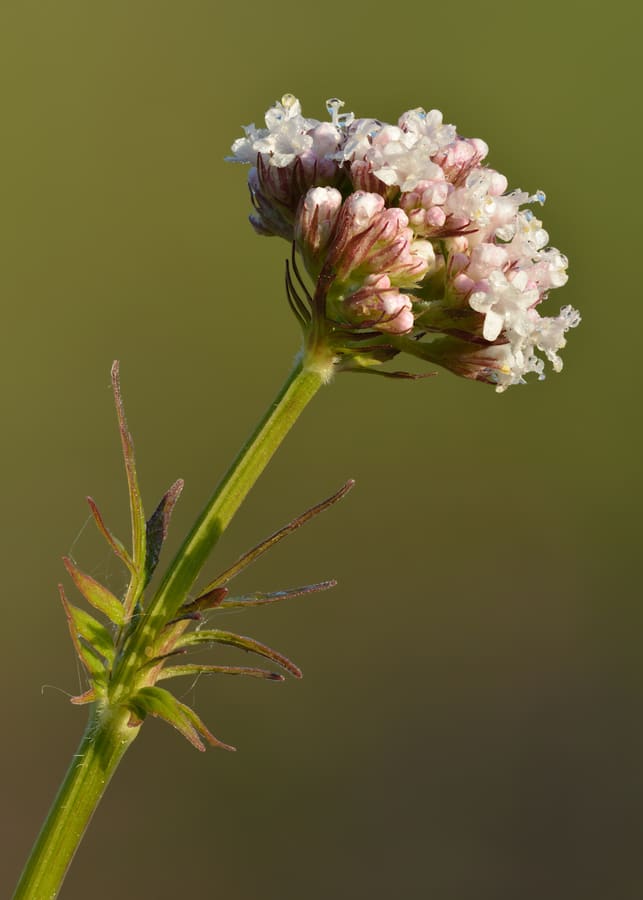 Valerian (Valeriana officinalis)
Valerian (Valeriana officinalis) is an upright, clump-forming perennial reaching about 4 ft (1.2 m), with divided, pinnate leaves and pinkish-white clusters of small flowers. Known for its pungent (often unpleasant) smell, valerian is one of the most popular sedative and relaxant herbs in Western herbal medicine, helping to calm sympathetic overactivity, ease anxiety, and aid restful sleep.
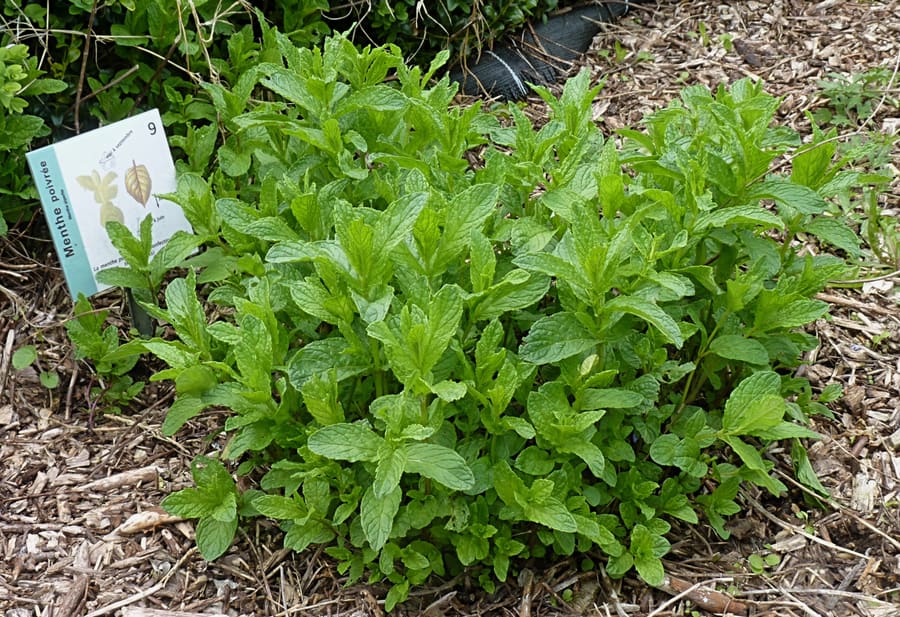 Peppermint (Mentha x piperita)
Peppermint (Mentha × piperita) is a fast-growing, square-stemmed herb (commonly about 32 in / 80 cm tall), with lanceolate, serrated leaves and purplish flowers. A natural hybrid of watermint and spearmint, peppermint is renowned for its cooling, aromatic flavor and its therapeutic benefits in alleviating digestive and respiratory complaints.
12 preparation methods
Teas, tinctures, infusions, salves, syrups and more - with quantities, steps, dosage, and storage.
Explore preparationsSafety comes first
Every herb page carries precautions and interaction notes. HerbMate is an educational reference - not medical advice.
Read the disclaimer