
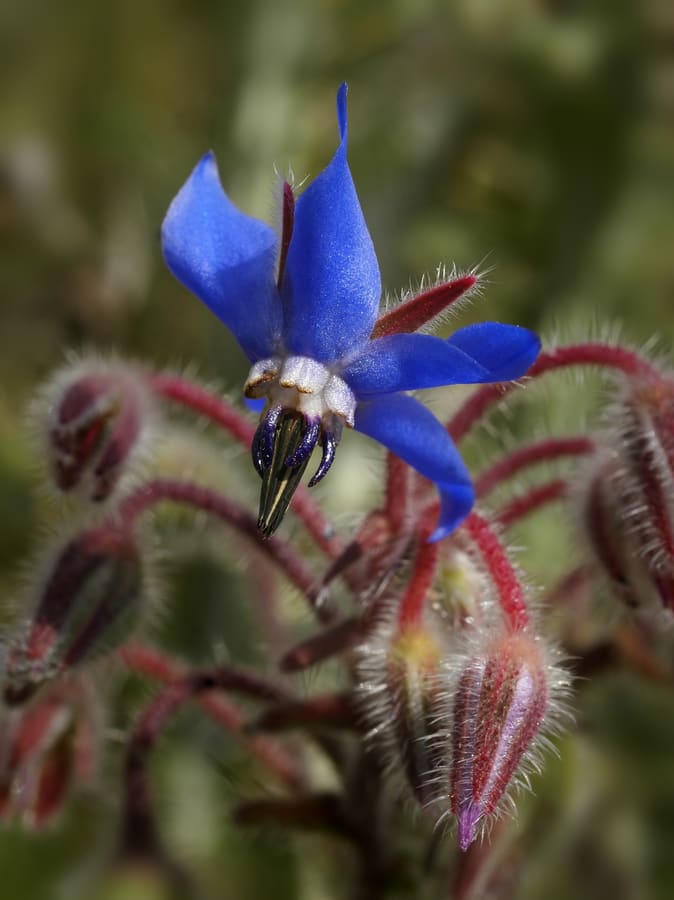
Borage (Borago officinalis)
Photo: Hans Hillewaert · CC BY-SA 3.0
- Mental
- 4 conditions
- Licensed photo
Overview
Borage (Borago officinalis) is a coarse, hairy annual that grows to about 2 ft (60 cm), featuring a succulent stem, large basal leaves, and distinctively bright blue star-shaped flowers. The seeds yield an oil exceptionally rich in gamma-linolenic acid (GLA) - a form of polyunsaturated fatty acid beneficial for inflammatory and skin conditions. Traditionally, borage leaves and flowers are associated with uplifting mood and supporting adrenal function.
Traditional uses & properties
Adrenal Tonic & Mild Antidepressant: Folk medicine values borage for lifting low moods, relieving sadness, and supporting the adrenal glands. Anti-inflammatory: Borage seed oil is used internally for managing inflammation, arthritis, and certain skin problems like eczema. Demulcent & Emollient: The leaves and flowers have mucilaginous qualities, soothing the respiratory tract and easing skin irritations. Expectorant: Borage flowers can encourage perspiration and help clear mucus in respiratory conditions.
Traditional preparations
Preparation amounts are not shown for this herb. It is toxic, restricted, or otherwise unsafe to self-dose - the margin between a traditional dose and a harmful one is too small to publish as reference material. If you are considering it, that conversation belongs with a doctor or a qualified practitioner, not a website.
Safety & precautions
Pyrrolizidine Alkaloids: Borage contains these potentially liver-toxic compounds in its leaves and stems. The herb itself should be used cautiously or avoided internally, especially during pregnancy. Seed Oil Safety: The oil, once extracted, is considered safe and does not fall under the same restrictions, as the problematic alkaloids are minimal or removed during processing.
Drug & food interactions
Interaction data is not available for this herb - talk to a pharmacist before combining it with any medication. A blank entry here means we have not documented interactions, not that none exist.
Habitat
Originating around the Mediterranean (southern Spain and Morocco), borage often appears as a garden herb or weed. It is cultivated both for its ornamental value and for seed oil production, with harvest typically focusing on the seeds for their high GLA content.
Traditionally used for
- Adrenal Fatigue5 herbs · 2 free
- Sadness4 herbs · 2 free
- Arthritis11 herbs · 2 free
- Eczema7 herbs · 2 free
Each condition shows its first 2 remedies free. Premium opens the full remedy list for every condition - or come back for the free Condition of the Day.
Frequently asked questions
What is Borage (Borago officinalis) traditionally used for?
Traditional sources describe Borage (Borago officinalis) as follows: Adrenal Tonic & Mild Antidepressant: Folk medicine values borage for lifting low moods, relieving sadness, and supporting the adrenal glands. Anti-inflammatory: Borage seed oil is used internally for managing inflammation, arthritis, and certain skin problems like eczema. Demulcent & Emollient: The leaves and flowers have mucilaginous qualities, soothing the respiratory tract and easing skin irritations. Expectorant: Borage flowers can encourage perspiration and help clear mucus in respiratory conditions.
How is Borage (Borago officinalis) prepared?
Preparation amounts are not shown for this herb. It is toxic, restricted, or otherwise unsafe to self-dose - the margin between a traditional dose and a harmful one is too small to publish as reference material. If you are considering it, that conversation belongs with a doctor or a qualified practitioner, not a website.
What safety cautions apply to Borage (Borago officinalis)?
Pyrrolizidine Alkaloids: Borage contains these potentially liver-toxic compounds in its leaves and stems. The herb itself should be used cautiously or avoided internally, especially during pregnancy. Seed Oil Safety: The oil, once extracted, is considered safe and does not fall under the same restrictions, as the problematic alkaloids are minimal or removed during processing.
Related herbs
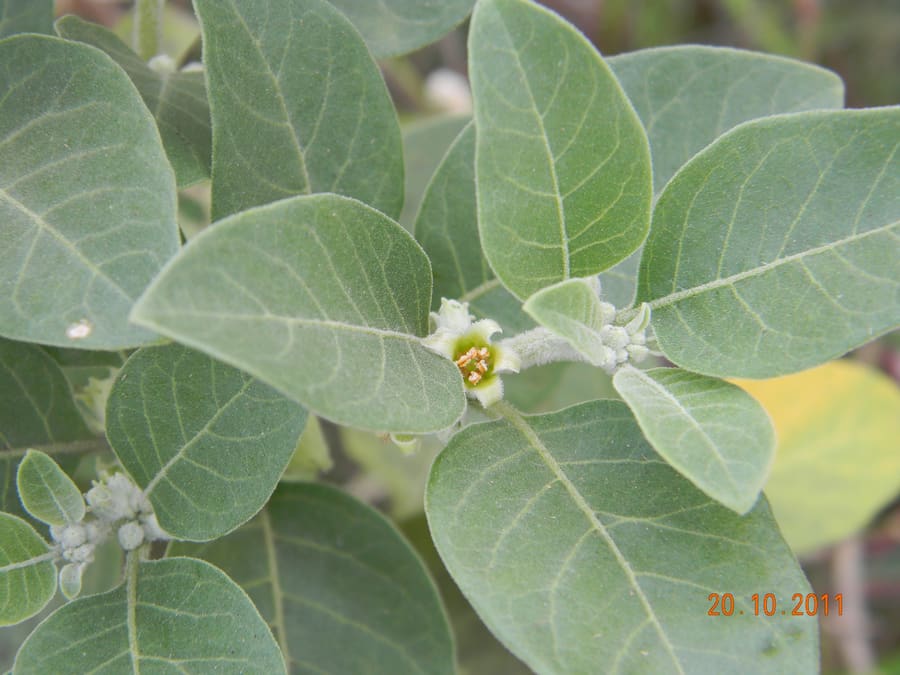 Ashwagandha (Withania somnifera)
Ashwagandha (Withania somnifera), sometimes called “Indian ginseng,” is a sturdy shrub growing to about 5 ft (1.5 m) with oval leaves, greenish or yellow flowers, and small, round fruits. A key herb in Ayurvedic medicine, it is valued for boosting vitality and aiding convalescence from chronic illnesses. It promotes relaxation, increases energy and muscle tone, and can support healthy thyroid hormone conversion from T4 to T3. Traditionally, ashwagandha is considered a “Rasáyana” (rejuvenator), used long-term to rebuild and regenerate body and mind.
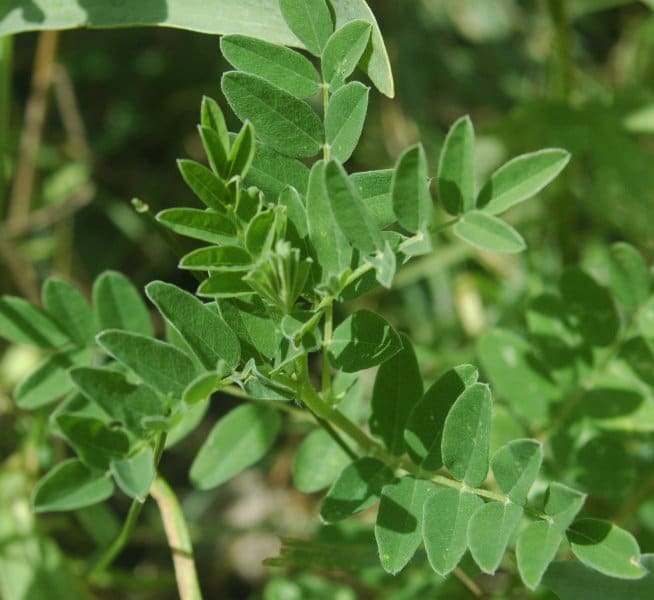 Astragalus (Astragalus membranaceus)
Astragalus (Astragalus membranaceus), known in China as huang qi, is a perennial reaching about 16 in (40 cm), with hairy stems and compound leaves composed of multiple leaflet pairs. In traditional Chinese medicine, it is a sweet, slightly warming herb often used to boost energy, strengthen immunity, and support overall vitality. Modern research suggests it may benefit heart function, kidney health, and immune response.
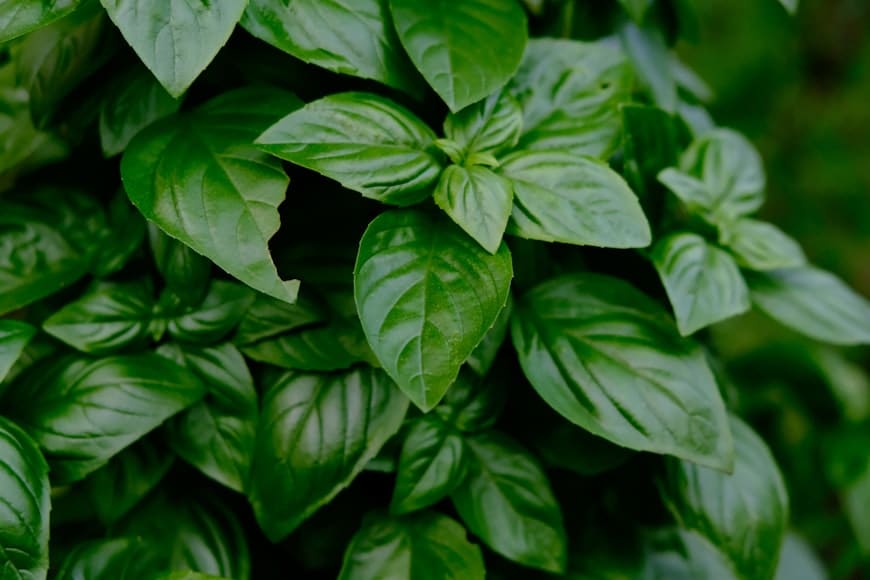 Basil
BasilBasil (Ocimum basilicum) is a bushy annual herb growing up to about 20 in (50 cm), with shiny oval leaves arranged on a square stem and small white flowers in whorls. Known for its strong, sweet aroma, basil is cultivated worldwide in numerous varieties. Traditional sources regard basil as both a culinary and medicinal herb, used to address digestive discomfort and various nervous system issues.
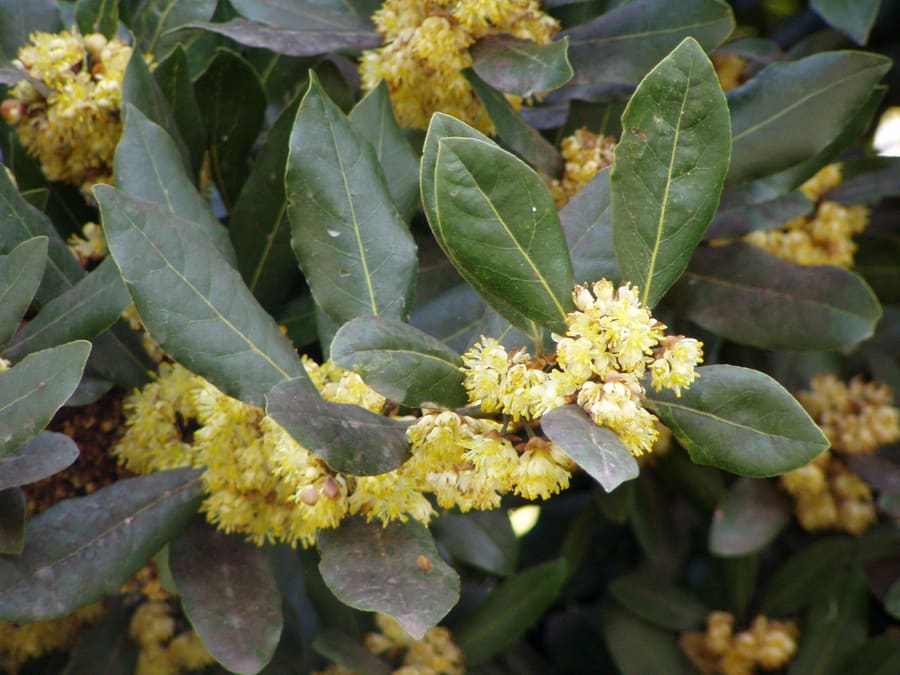 Bay laurel (Laurus nobilis)
Bay laurel (Laurus nobilis) is an aromatic evergreen shrub or small tree that can grow up to about 65 ft (20 m). It features leathery, dark green, lance-shaped leaves, small yellow flowers, and shiny black berries. The plant is well known for its culinary use (“bay leaves”) as well as its medicinal history in ancient Greece and Rome.
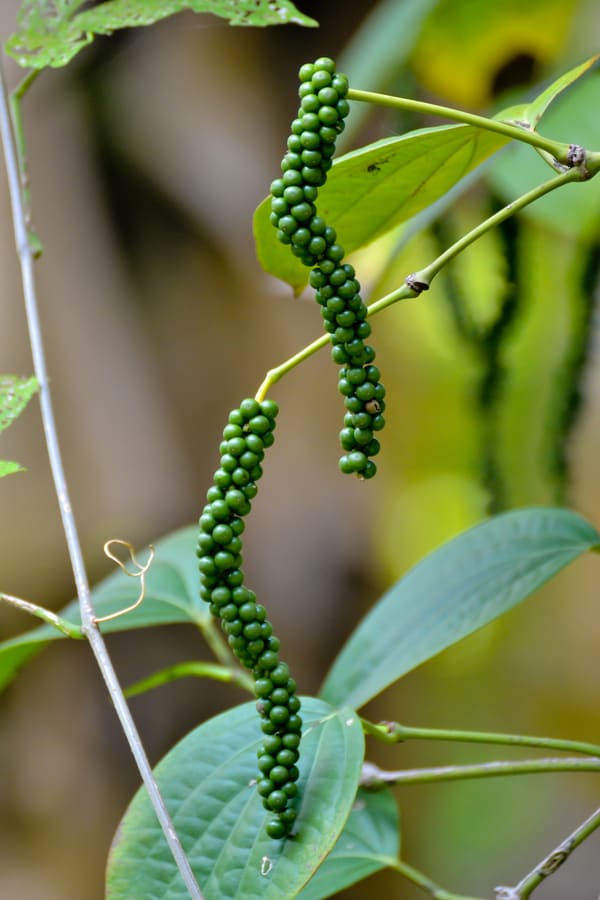 Black Pepper (Piper nigrum)
Black pepper is a perennial woody climbing vine growing to about 16 feet, with large oval leaves, spikes of small white flowers, and clusters of small round fruits that ripen from green to red. Native to southwestern India and now cultivated in tropical areas worldwide, the fruit is harvested from plants that are at least three years old. Different processing methods yield green, black, red, and white peppercorns, each with distinct flavors and uses. Cultivated as both a spice and medicine since ancient times, pepper was such a prized commodity in world trade that Attila the Hun reportedly demanded 3,000 pounds of it as ransom during his siege of Rome in 408 CE.
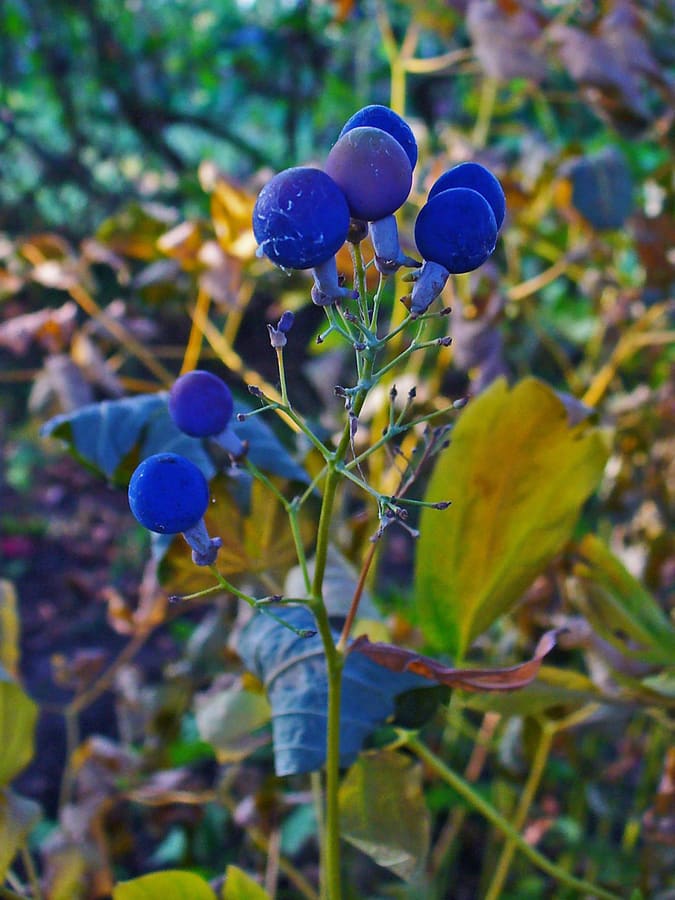 Blue Cohosh (Caulophyllum thalictroides)Not for self-dosing
Blue cohosh is an upright perennial herb reaching 3 feet in height, with large three-lobed leaves, yellow to purple flowers, and striking blue berries. It grows wild in much of eastern North America from Manitoba to Alabama, preferring woodland valleys and damp, north-facing slopes. The name 'cohosh' comes from the Algonquin language, and the plant was a popular remedy among many Native American tribes. Though taken by both sexes for genitourinary issues, it was primarily valued as a women's herb, and that tradition continues in modern herbal practice.
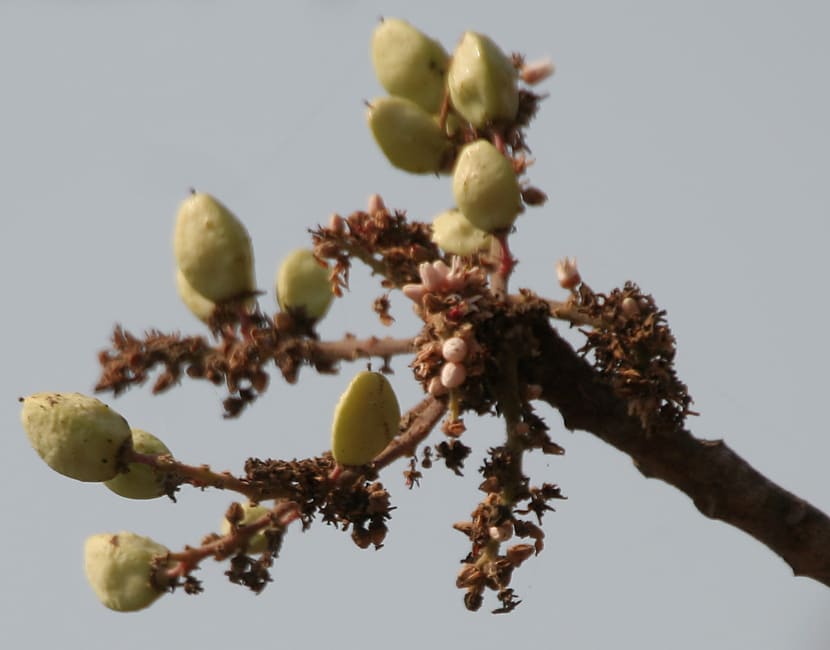 Boswellia (Boswellia serrata)
Boswellia is a deciduous tree growing to about 49 ft (15 m), characterized by its pale, papery bark, compound leaves, and small clusters of white flowers. The resin, which exudes from the bark and dries to a transparent gold color, has been used for thousands of years in traditional Ayurvedic medicine for arthritis, pulmonary diseases, ringworm, and diarrhea. The key active components are boswellic acids, noted for their marked anti-inflammatory and pain-relieving properties. Modern research suggests boswellia can be helpful in osteoarthritis, rheumatoid arthritis, bursitis, tendonitis, Crohn’s disease, and ulcerative colitis.
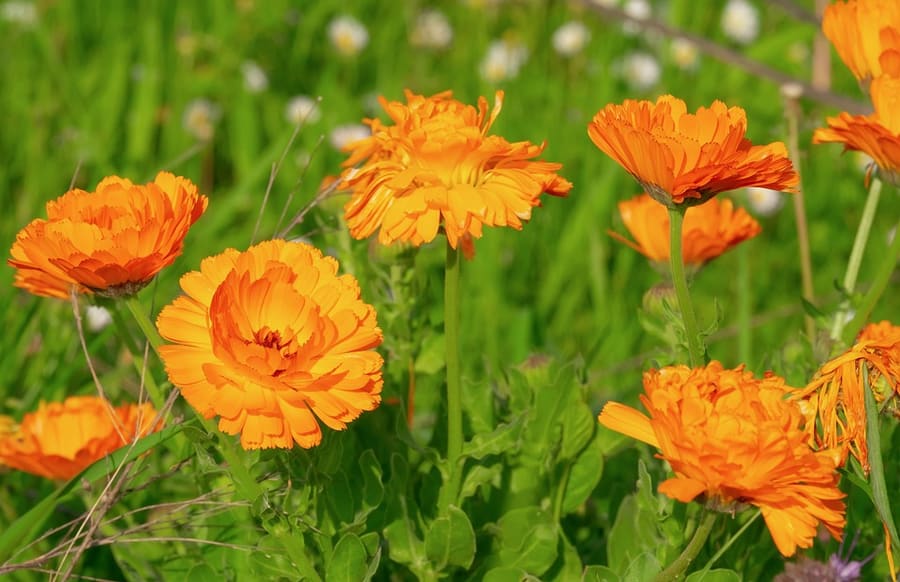 Calendula (Calendula officinalis)
Calendula (Calendula officinalis), with its bright orange daisy-like flowers, is among the most versatile herbs in Western herbal medicine. Its petals contain antiseptic, anti-inflammatory, and vulnerary properties, making it excellent for speeding tissue repair in wounds, burns, bruises, and various skin irritations. Calendula is also used internally for gastrointestinal inflammation (e.g., Crohn’s disease, colitis, gastritis).