Chaparral (Larrea tridentata)
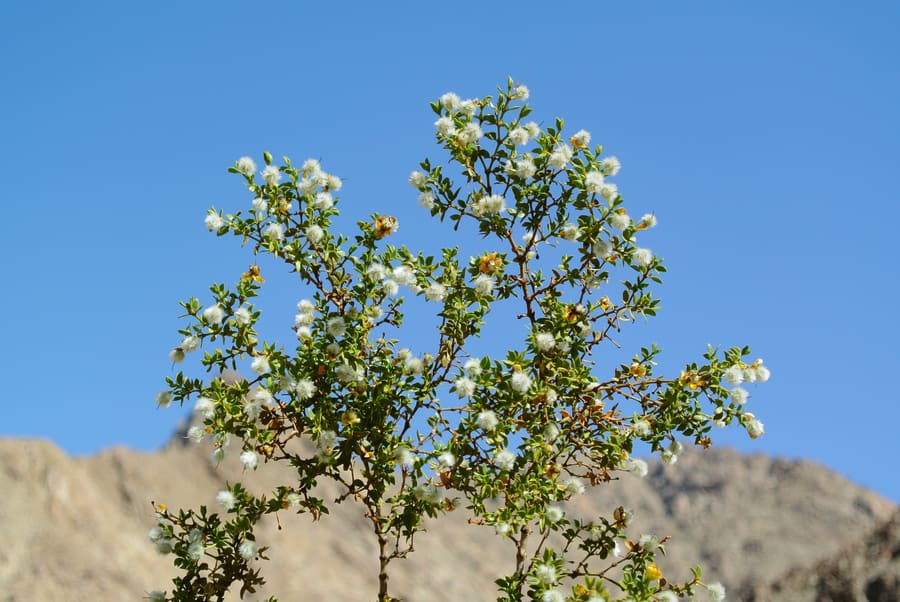
Photo: Adbar · CC BY-SA 3.0
- Licensed photo
Overview
Chaparral (Larrea tridentata) is a thorny desert shrub with small, finely divided leaves, historically regarded as a potent “blood purifier.” It contains the antioxidant NDGA (nordihydroguaiauretic acid), believed to play a role in cleansing and toning the liver and lymphatics. Traditionally, chaparral has been used for various infections (parasitic, bacterial, and viral), heavy metal toxicity, drug withdrawal, and even as a folk remedy for cancer.
Traditional uses & properties
Alterative (Blood Purifier) & Anticancer: Historically acclaimed for cleansing the blood and addressing abnormal growths. Antioxidant (NDGA) & Antiseptic: May be valuable for infections, though caution is urged. Bitter & Anti-inflammatory: Chaparral’s bitter taste reflects its strong detoxifying and anti-inflammatory actions. Antiparasitic & Anthelmintic: Traditional use includes combating parasites and worms.
Traditional preparations
Preparation amounts are not shown for this herb. It is toxic, restricted, or otherwise unsafe to self-dose - the margin between a traditional dose and a harmful one is too small to publish as reference material. If you are considering it, that conversation belongs with a doctor or a qualified practitioner, not a website.
Safety & precautions
Potential Liver/Kidney Toxicity: Though evidence is not conclusive, some reports suggest chaparral may harm the liver, particularly when taken as capsules or by individuals with existing liver disease. Pregnancy & Other Conditions: Contraindicated in kidney disease, liver disease, and pregnancy. Hydration: Chaparral can strongly affect the kidneys; drinking extra water is advised. Professional Supervision: Best used only with guidance due to questions about its safety.
Drug & food interactions
Interaction data is not available for this herb - talk to a pharmacist before combining it with any medication. A blank entry here means we have not documented interactions, not that none exist.
Habitat
This plant is abundant in the deserts of the southwestern U.S. and parts of Mexico. The aerial portions (leaves and twigs) are typically harvested for medicinal use.
Frequently asked questions
What is Chaparral (Larrea tridentata) traditionally used for?
Traditional sources describe Chaparral (Larrea tridentata) as follows: Alterative (Blood Purifier) & Anticancer: Historically acclaimed for cleansing the blood and addressing abnormal growths. Antioxidant (NDGA) & Antiseptic: May be valuable for infections, though caution is urged. Bitter & Anti-inflammatory: Chaparral’s bitter taste reflects its strong detoxifying and anti-inflammatory actions. Antiparasitic & Anthelmintic: Traditional use includes combating parasites and worms.
How is Chaparral (Larrea tridentata) prepared?
Preparation amounts are not shown for this herb. It is toxic, restricted, or otherwise unsafe to self-dose - the margin between a traditional dose and a harmful one is too small to publish as reference material. If you are considering it, that conversation belongs with a doctor or a qualified practitioner, not a website.
What safety cautions apply to Chaparral (Larrea tridentata)?
Potential Liver/Kidney Toxicity: Though evidence is not conclusive, some reports suggest chaparral may harm the liver, particularly when taken as capsules or by individuals with existing liver disease. Pregnancy & Other Conditions: Contraindicated in kidney disease, liver disease, and pregnancy. Hydration: Chaparral can strongly affect the kidneys; drinking extra water is advised. Professional Supervision: Best used only with guidance due to questions about its safety.