
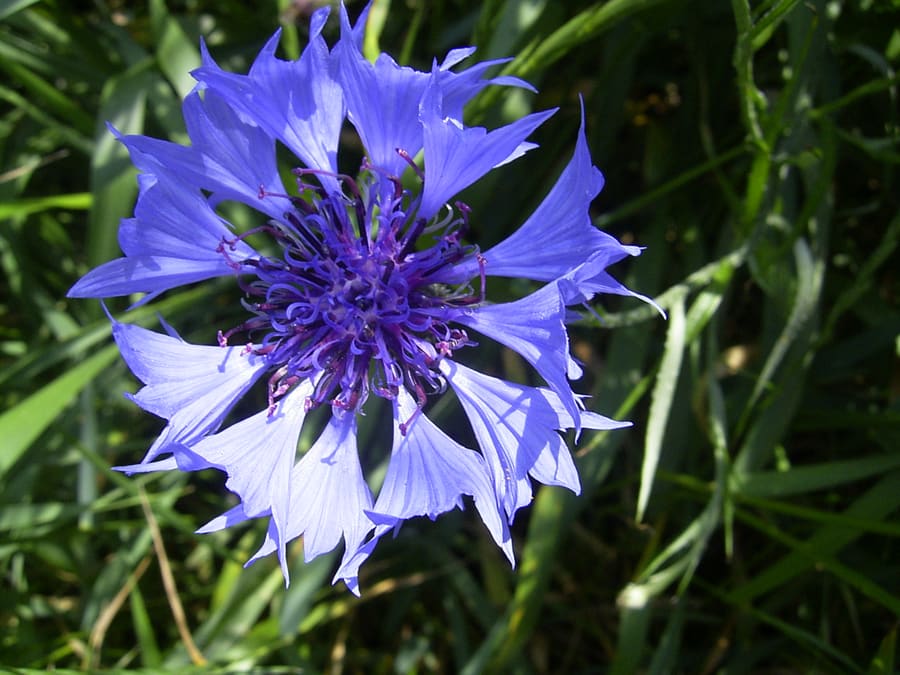
Cornflower (Centaurea cyanus)
Photo: TeunSpaans · CC BY-SA 3.0
- Digestive
- 2 conditions
- Licensed photo
Overview
Cornflower (Centaurea cyanus) is an annual or biennial plant reaching about 3 ft (90 cm). It has multiple branching stems, a rosette of lower leaves, and striking sky-blue flower heads that bloom in summer. Historically, cornflower gained a reputation for treating eye conditions (the infusion was strained and used as an eyewash), though modern evidence of its efficacy is limited. It is sometimes used as a mild bitter tonic to support digestion.
Traditional uses & properties
Mildly Bitter & Stimulant: Can improve digestion and possibly support liver function. Slightly Antibiotic: Cnicin, one of its constituents, shows mild antibacterial activity. External Applications: Traditional uses include soothing eye strain, conjunctivitis, and minor skin irritations.
Traditional preparations
Traditional texts describe the preparations below, and where those texts give specific amounts, the amounts are quoted here as part of that record. This is a record of historical practice, not a dosage recommendation - the figures are what the sources say, not what HerbMate tells you to take. Amounts, potency, and safe use vary enormously by preparation, plant part, and person.
Make an infusion and strain. When warm (not hot), put in an eyebath and bathe eyes well. Use no more than twice a day.
Safety & precautions
Potential Irritation: As with any herb, discontinue use if irritation occurs.
Drug & food interactions
Interaction data is not available for this herb - talk to a pharmacist before combining it with any medication. A blank entry here means we have not documented interactions, not that none exist.
Habitat
Native to the Near East, cornflower has spread across temperate regions worldwide. Commonly found in or around cornfields, it grows easily in disturbed soil. The flowers are gathered just after they open in summer.
Traditionally used for
Each condition shows its first 2 remedies free. Premium opens the full remedy list for every condition - or come back for the free Condition of the Day.
Frequently asked questions
What is Cornflower (Centaurea cyanus) traditionally used for?
Traditional sources describe Cornflower (Centaurea cyanus) as follows: Mildly Bitter & Stimulant: Can improve digestion and possibly support liver function. Slightly Antibiotic: Cnicin, one of its constituents, shows mild antibacterial activity. External Applications: Traditional uses include soothing eye strain, conjunctivitis, and minor skin irritations.
How is Cornflower (Centaurea cyanus) prepared?
Traditional texts describe the preparations below, and where those texts give specific amounts, the amounts are quoted here as part of that record. This is a record of historical practice, not a dosage recommendation - the figures are what the sources say, not what HerbMate tells you to take. Amounts, potency, and safe use vary enormously by preparation, plant part, and person. Pink Eye: Make an infusion and strain. When warm (not hot), put in an eyebath and bathe eyes well. Use no more than twice a day.
What safety cautions apply to Cornflower (Centaurea cyanus)?
Potential Irritation: As with any herb, discontinue use if irritation occurs.
Related herbs
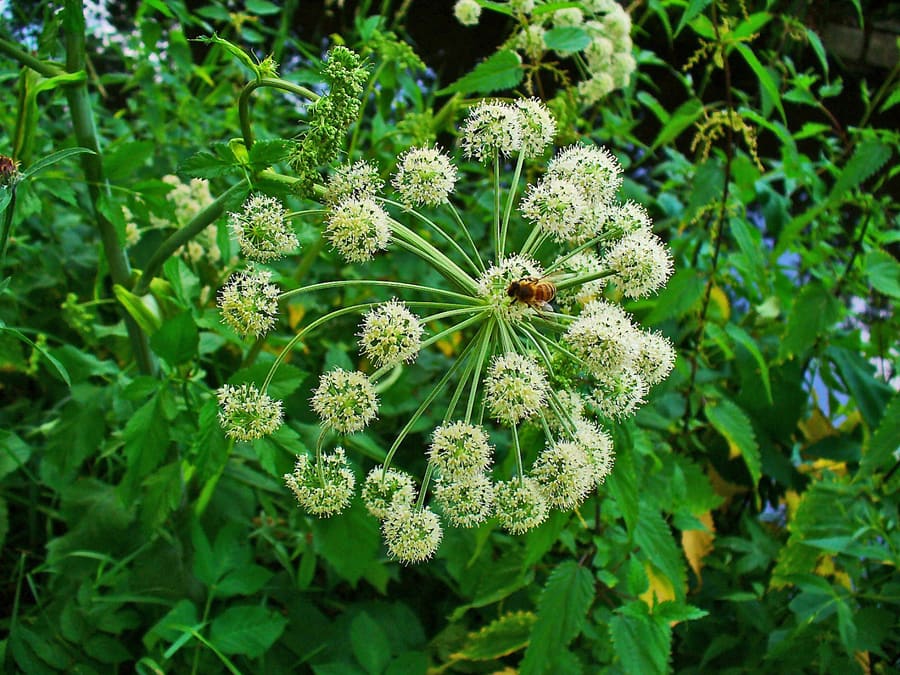 Angelica (angelica archangelica)
Angelica (Angelica archangelica) is a large, aromatic biennial herb growing up to about 6½ ft (2 m), with ridged hollow stems, bright green divided leaves, and greenish-white flowers arranged in umbrella-like clusters (umbels). It has a warm, tonic character and is often compared to dong quai (Chinese angelica) for its usefulness in supporting women’s health and circulation. Traditional sources note its warming action on the stomach, spleen, and intestines.
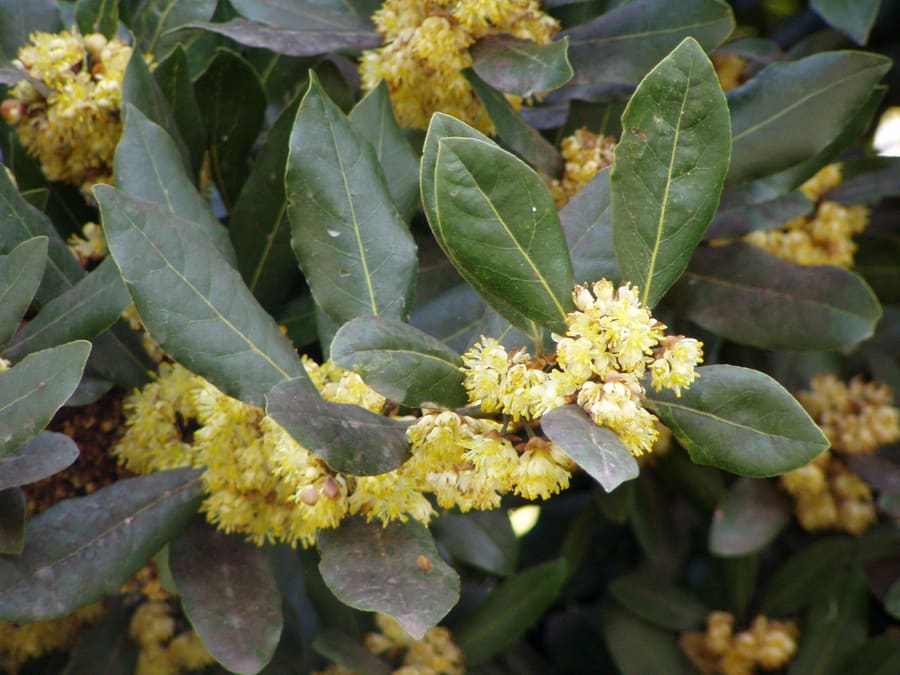 Bay laurel (Laurus nobilis)
Bay laurel (Laurus nobilis) is an aromatic evergreen shrub or small tree that can grow up to about 65 ft (20 m). It features leathery, dark green, lance-shaped leaves, small yellow flowers, and shiny black berries. The plant is well known for its culinary use (“bay leaves”) as well as its medicinal history in ancient Greece and Rome.
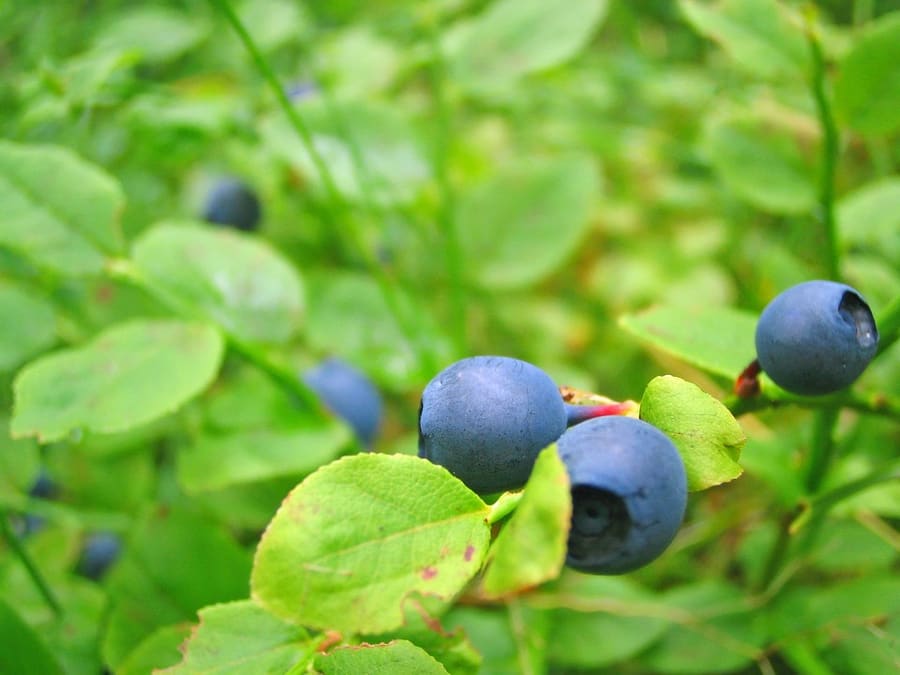 Bilberry (Vaccinium myrtillus)
Bilberry (Vaccinium myrtillus) is famous for improving night vision and promoting eye health, largely due to its anthocyanidin content that supports retinal function and strengthens capillaries. It is closely related to the blueberry, and they can be used interchangeably in many cases. Bilberry fruit can help address circulatory issues, particularly in smaller blood vessels.
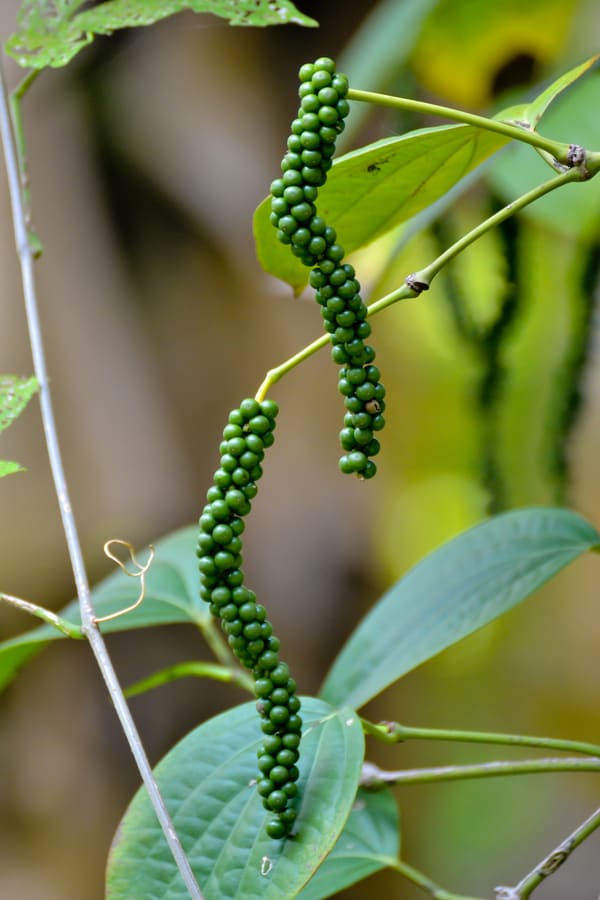 Black Pepper (Piper nigrum)
Black pepper is a perennial woody climbing vine growing to about 16 feet, with large oval leaves, spikes of small white flowers, and clusters of small round fruits that ripen from green to red. Native to southwestern India and now cultivated in tropical areas worldwide, the fruit is harvested from plants that are at least three years old. Different processing methods yield green, black, red, and white peppercorns, each with distinct flavors and uses. Cultivated as both a spice and medicine since ancient times, pepper was such a prized commodity in world trade that Attila the Hun reportedly demanded 3,000 pounds of it as ransom during his siege of Rome in 408 CE.
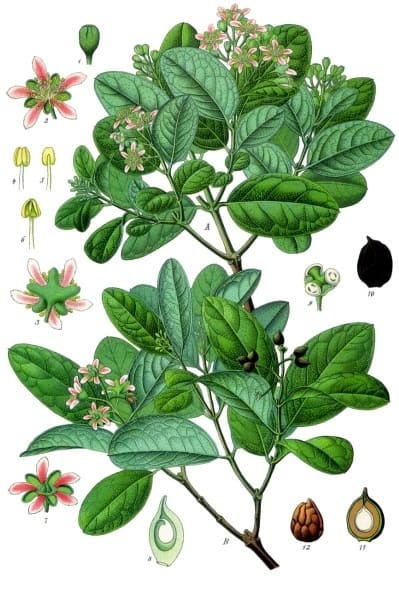 Boldo (Peumus boldus)Not for self-dosing
Boldo is a strongly aromatic multi-branched evergreen shrub or tree growing to 20 feet. It has egg-shaped leathery leaves with a lemony scent, clusters of white or yellow bell-shaped flowers, and small yellow berries. Native to Chile and Peru, it has become naturalized in the Mediterranean region and the West Coast of North America, where it grows on dry sunny slopes and in mountain pastures in the Andes. It is widely cultivated, and its leaves are gathered throughout the year. Boldo is a valued remedy in Latin American herbal medicine and is used by the Araucanian people in Chile as a tonic.
 Caraway (Carum carvi)
Caraway is an aromatic annual herb growing to 2 feet with a ridged stem, feathery leaves, and umbels of white flowers in midsummer. Exploding capsules release two small narrow seeds. It grows wild in Europe, North Africa, and Asia, preferring sunny sites up to 6,600 feet above sea level. Cultivated in Europe, Russia, North Africa, and the United States, the seeds are harvested ripe in late summer. Caraway has been valued since ancient times for its digestive and respiratory benefits, and the seeds are commonly used in cooking.
- Cardamom (Eletteria cardamomum)
Cardamom is an aromatic spice long prized for its fragrant, pungent taste. In Ayurvedic medicine, it has been used for digestive complaints - soothing indigestion, gas, and cramping - and is sometimes employed for respiratory conditions and kidney ailments. Cardamom has a centuries-old reputation as an aphrodisiac and is also believed to help relieve stress and depression when prepared in a mild infusion. Thanks to its agreeable flavor, cardamom is often added to herbal formulas to improve taste.
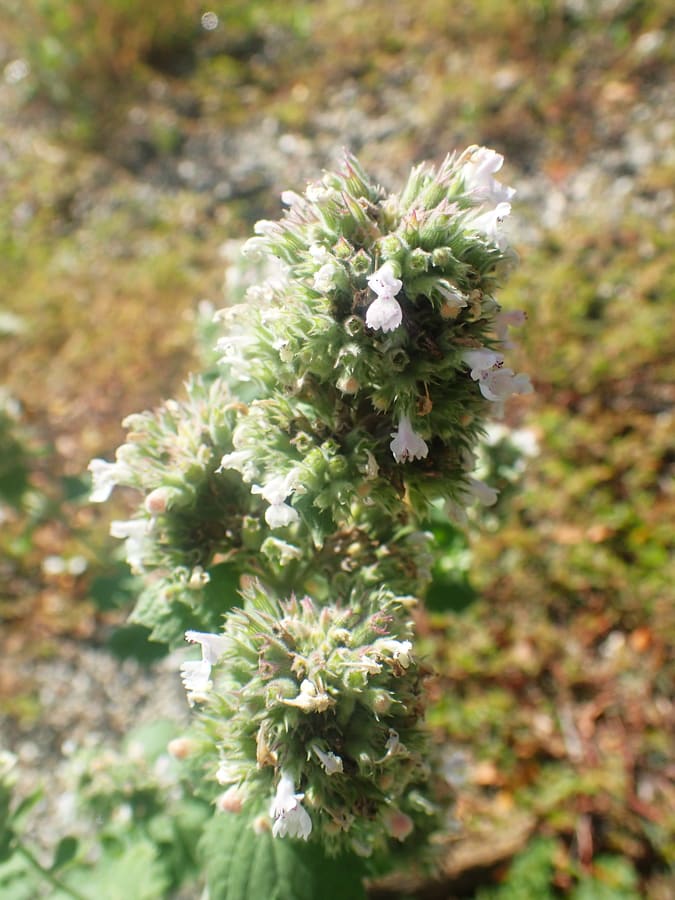 Catnip (Nepeta cataria)
Catnip is a downy, aromatic perennial growing to 3 feet with heart-shaped, gray-green leaves and whorls of white flowers marked with purple spots. Native to Europe and naturalized in North America, it grows in dry wayside places and mountainous regions up to altitudes of 5,000 feet. The plant is gathered when in flower during summer and autumn. Its name comes from the Norse word 'dylla,' meaning 'to soothe,' reflecting its calming properties. Catnip has an excitatory effect on cats but a sedative effect on humans.