
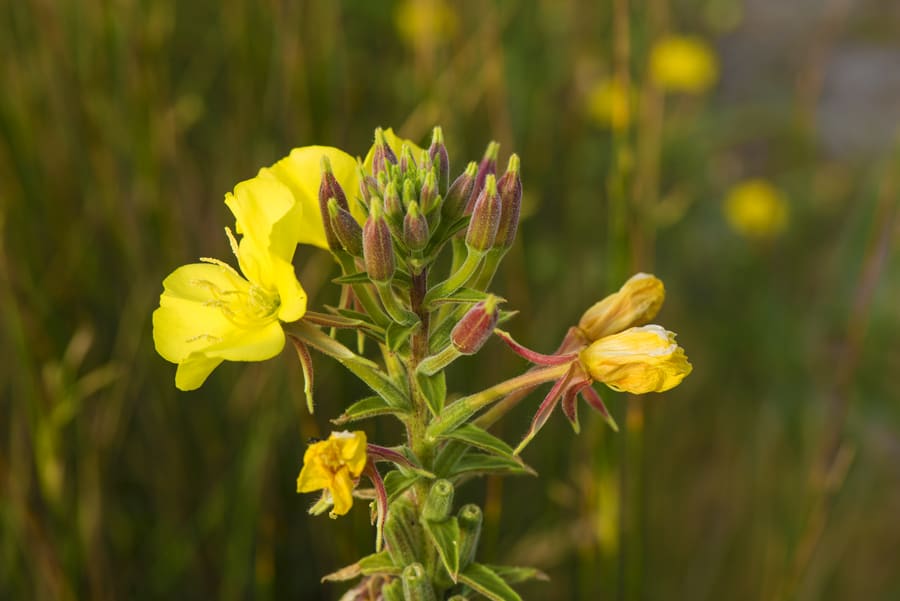
Evening Primrose (Oenothera biennis)
Photo: Christian Ferrer · CC BY-SA 4.0
- Digestive
- 3 conditions
- Licensed photo
Overview
Biennial herb growing to 8 in (20 cm). Has red blotches on stem, crinkled lance-shaped leaves, 4-petaled yellow flowers, and elongated seed capsules. The flowers, leaves, and stem bark of evening primrose have astringent and sedative properties. All three parts have been employed in the treatment of whooping cough. Evening primrose has also been taken for digestive problems and asthma, and used as a poultice to ease the discomfort of rheumatic disorders.
Safety & precautions
Do not take evening primrose oil if suffering from epilepsy.
Drug & food interactions
Evening primrose oil has been predicted to interact with antiplatelet and anticoagulant drugs, but data supporting this prediction are limited. Although seizures have occurred in a few schizophrenics taking phenothiazines and evening primrose oil, no adverse effects were seen in others, and there appears to be no firm evidence that evening primrose oil should be avoided by epileptic patients.
- Food
- No interactions found.
- Phenothiazines
- Although seizures have occurred in a few schizophrenics taking phenothiazines and evening primrose oil, no adverse effects were seen in others, and there appears to be no firm evidence that evening primrose oil should be avoided by epileptic patients. Twenty-three patients were enrolled in a placebo-controlled study of evening primrose oil in schizophrenia. During the treatment phase, patients were given 8 capsules of Efamol in addition to their normal medication. Seizures developed in 3 patients, one during treatment with placebo. The other two patients were taking evening primrose oil: one was receiving fluphenazine decanoate 50 mg once every 2 weeks and the other fluphenazine decanoate 25 mg once every 2 weeks with thioridazine, which was later changed to chlorpromazine. 1 In another study, 3 long-stay hospitalised schizophrenics were taking evening primrose oil. Their schizophrenia became much worse and all 3 patients showed EEG evidence of temporal lobe epilepsy. In contrast, no seizures or epileptiform events were reported in a crossover study in 48 patients (most of them schizophrenics) taking phenothiazines when they were given evening primrose oil for 4 months. Concurrent use was also apparently uneventful in another study in schizophrenic patients.
- NSAIDs
- The interaction between evening primrose oil and NSAIDs is based on a prediction only.
- Antiplatelet drugs
- Evening primrose oil can inhibit platelet aggregation and increase bleeding time. It has therefore been suggested that it may have additive effects with other antiplatelet drugs, but evidence of this is generally lacking. In 12 patients with hyperlipidaemia given evening primrose oil 3 g daily for 4 months, platelet aggregation decreased and bleeding time increased by 40%. The evening primrose oil was given in the form of six 500-mg soft-gel capsules and the daily dose contained linoleic acid 2.2 g and gamolenic acid 240 mg.
- Herbal medicines
- No interactions found.
These entries keep the wording of the reference they come from, and three phrases mean three different things. "No interactions found" means the source looked for reports of that pairing and found none. "No data found" means nothing has been published either way. "Based on experimental evidence only" means the effect has been seen in a laboratory or animal study but not in people - a reason for caution, not a report of harm.
Habitat
Native to North America, evening primrose is now commonly found in many temperate zones around the world. It thrives in open areas, especially in dunes and sandy soil. Evening primrose is grown commercially for its seed oil.
Traditionally used for
Each condition shows its first 2 remedies free. Premium opens the full remedy list for every condition - or come back for the free Condition of the Day.
Frequently asked questions
What safety cautions apply to Evening Primrose (Oenothera biennis)?
Do not take evening primrose oil if suffering from epilepsy.
Related herbs
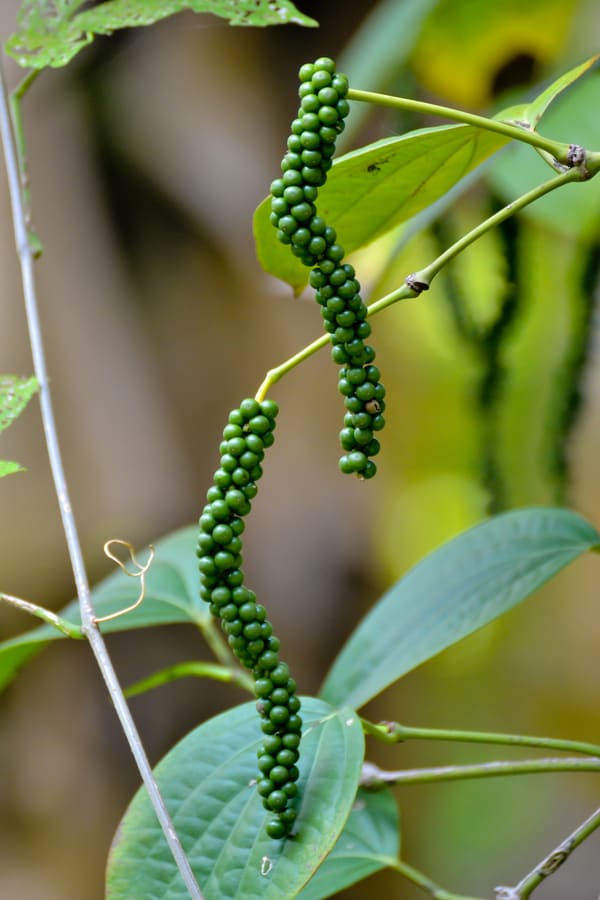 Black Pepper (Piper nigrum)
Black pepper is a perennial woody climbing vine growing to about 16 feet, with large oval leaves, spikes of small white flowers, and clusters of small round fruits that ripen from green to red. Native to southwestern India and now cultivated in tropical areas worldwide, the fruit is harvested from plants that are at least three years old. Different processing methods yield green, black, red, and white peppercorns, each with distinct flavors and uses. Cultivated as both a spice and medicine since ancient times, pepper was such a prized commodity in world trade that Attila the Hun reportedly demanded 3,000 pounds of it as ransom during his siege of Rome in 408 CE.
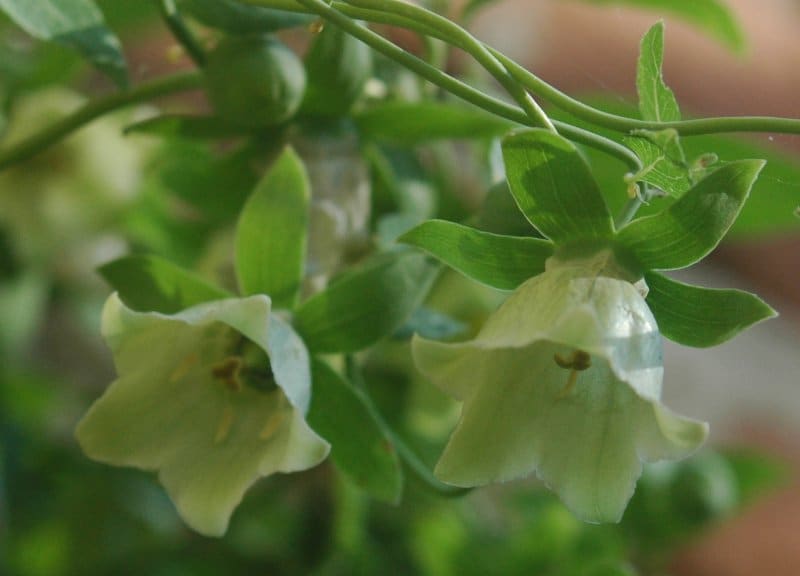 Codonopsis (Codonopsis pilosula)
Codonopsis is a small twining perennial growing to 5 feet with oval leaves and pendulous green and purple bell-shaped flowers marked with purple in summer. Native to northeastern China and growing throughout the region - especially in the Shanxi and Szechuan provinces - it is propagated from seed in spring or autumn, and the root is harvested in autumn once the aerial parts have died down. In Chinese herbal medicine, codonopsis holds a central place as a gentle tonic that increases energy levels, improves physical and mental well-being, and helps the body adapt to stress.
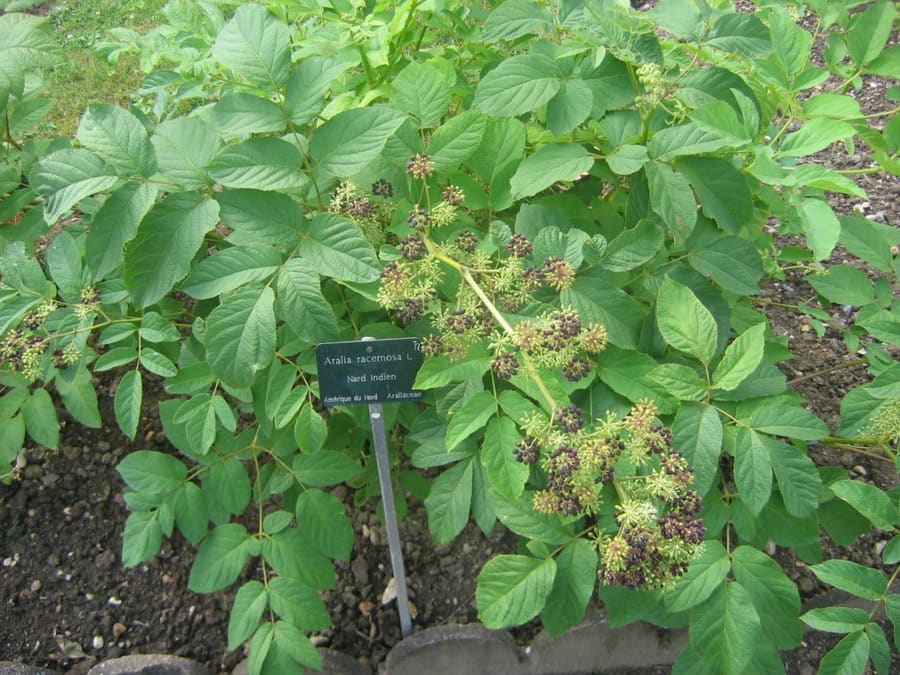 Spikenard (Aralia racemosa)
American spikenard (Aralia racemosa) is a tall, aromatic perennial bush up to about 6½ ft (2 m), with fleshy roots, large compound leaves, and clusters of greenish-white flowers followed by red or purple berries. Known for its warming, expectorant properties, spikenard is a tonic for weak or congested lungs.
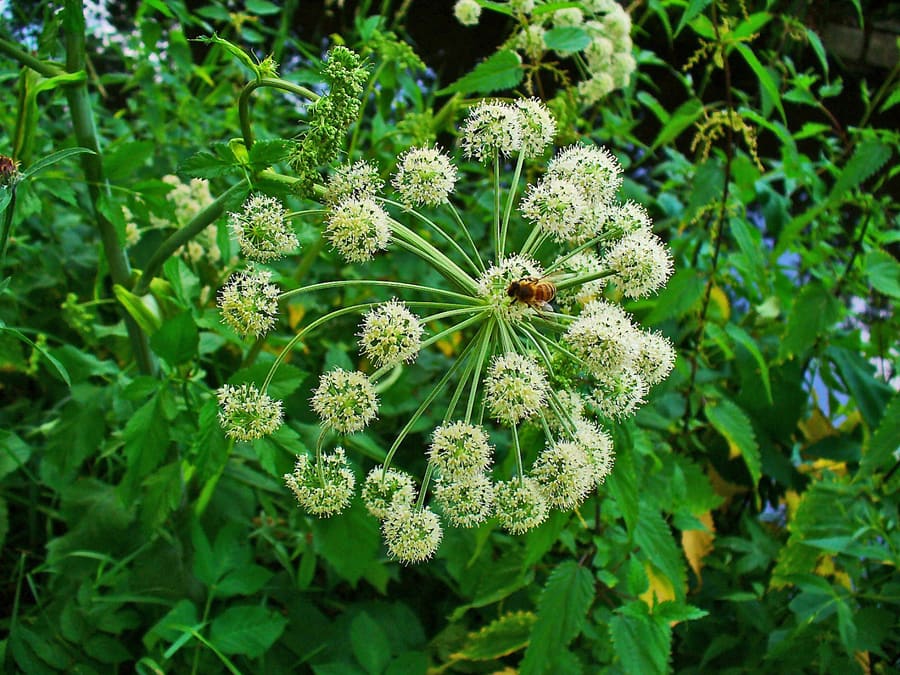 Angelica (angelica archangelica)
Angelica (Angelica archangelica) is a large, aromatic biennial herb growing up to about 6½ ft (2 m), with ridged hollow stems, bright green divided leaves, and greenish-white flowers arranged in umbrella-like clusters (umbels). It has a warm, tonic character and is often compared to dong quai (Chinese angelica) for its usefulness in supporting women’s health and circulation. Traditional sources note its warming action on the stomach, spleen, and intestines.
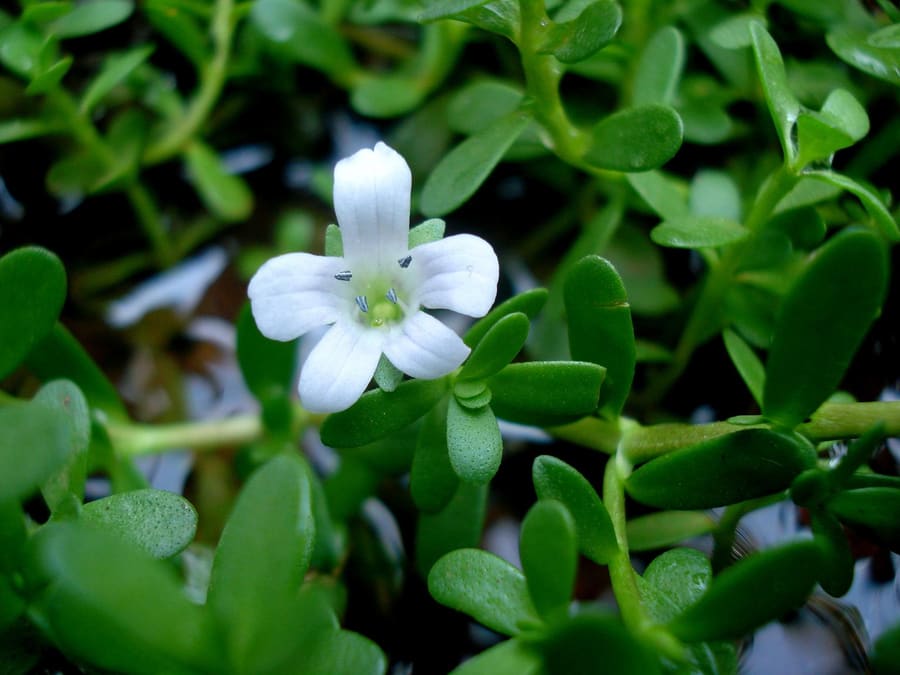 Bacopa (Bacopa monnieri)
Bacopa, also known as Water Hyssop or Brahmi, is a creeping succulent perennial that can grow to about 20 inches. It features spatula-shaped fleshy leaves and pale blue or white flowers on slender stalks. Thriving in marshlands and along the edges of mangrove swamps in warmer temperate and tropical climates - especially southern Asia - it develops into dense mats on mudflats. This herb has been a cornerstone of Ayurvedic medicine for supporting cognitive function and treating various nervous system disorders, and it is increasingly recognized in Western herbalism for its brain-enhancing properties.
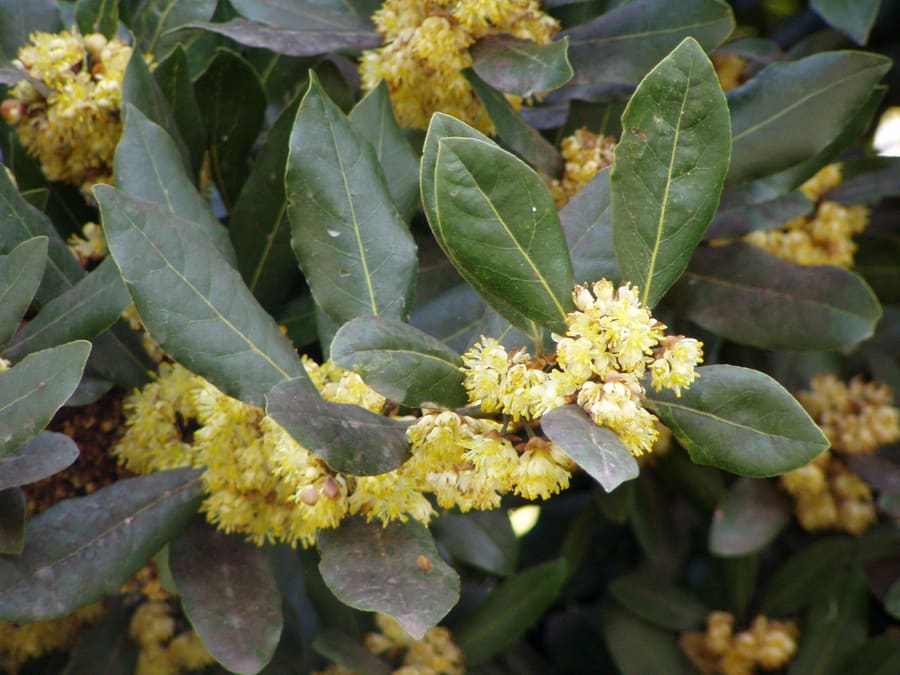 Bay laurel (Laurus nobilis)
Bay laurel (Laurus nobilis) is an aromatic evergreen shrub or small tree that can grow up to about 65 ft (20 m). It features leathery, dark green, lance-shaped leaves, small yellow flowers, and shiny black berries. The plant is well known for its culinary use (“bay leaves”) as well as its medicinal history in ancient Greece and Rome.
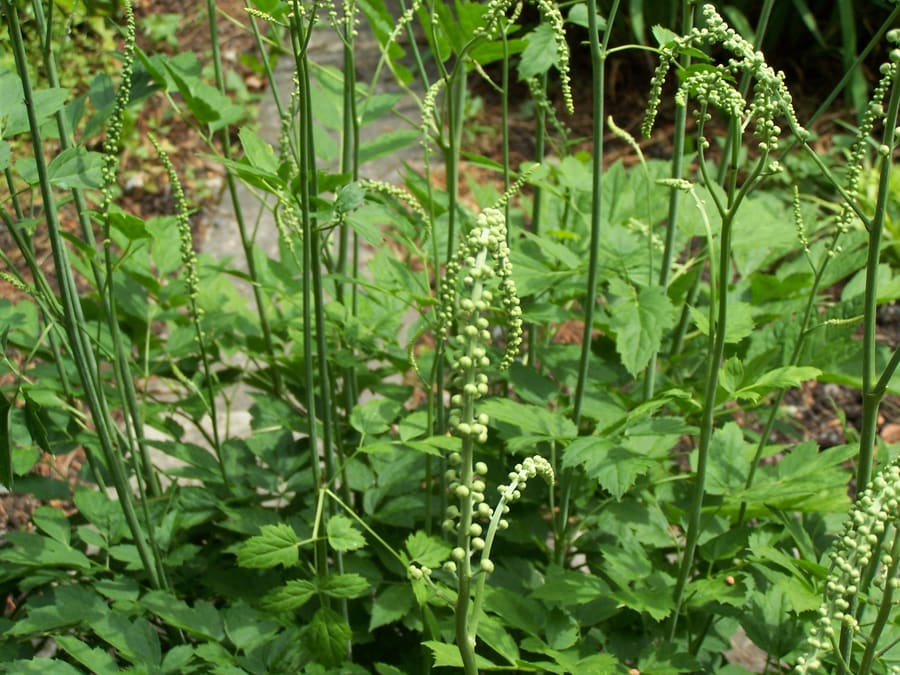 Black Cohosh (Cimicifuga racemosa)
Black cohosh (Cimicifuga racemosa) is a tall herbaceous perennial, growing up to about 8 ft (2.5 m) with creamy-white flower spikes. Its thick, knobby root has a bitter, acrid taste and a distinctive odor. Traditionally, the root has been valued as a Native American remedy for women’s health issues, especially painful periods, menopausal problems (such as hot flashes), and uterine discomfort. It also has a history of use for rheumatic complaints, including rheumatoid arthritis, nerve conditions like tinnitus, and even venomous bites or stings. Modern research suggests black cohosh can help alleviate menopausal symptoms and may influence estrogenic activity within the body, although it does not contain estrogen itself.
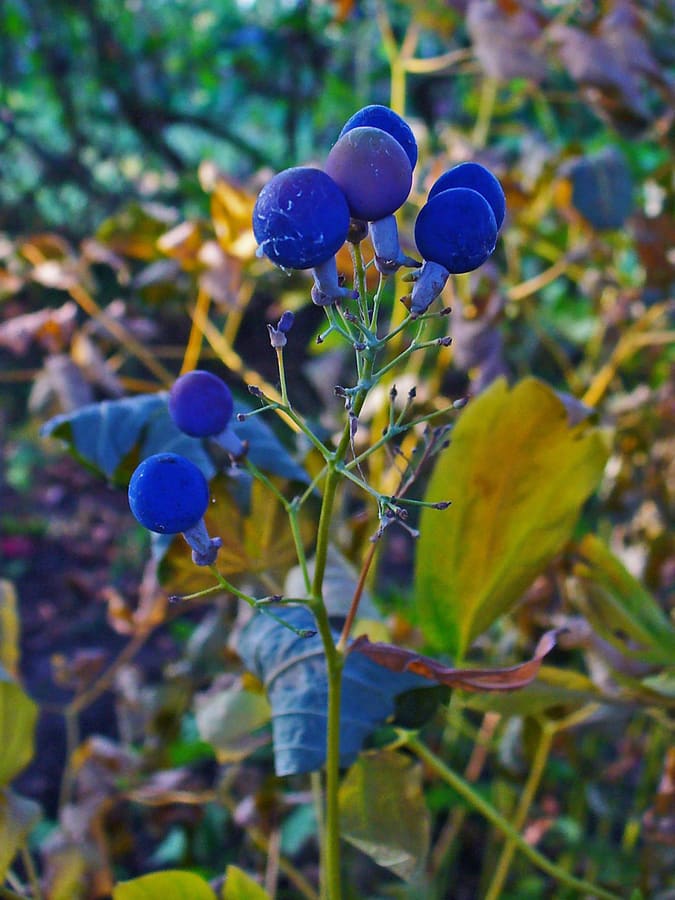 Blue Cohosh (Caulophyllum thalictroides)Not for self-dosing
Blue cohosh is an upright perennial herb reaching 3 feet in height, with large three-lobed leaves, yellow to purple flowers, and striking blue berries. It grows wild in much of eastern North America from Manitoba to Alabama, preferring woodland valleys and damp, north-facing slopes. The name 'cohosh' comes from the Algonquin language, and the plant was a popular remedy among many Native American tribes. Though taken by both sexes for genitourinary issues, it was primarily valued as a women's herb, and that tradition continues in modern herbal practice.