
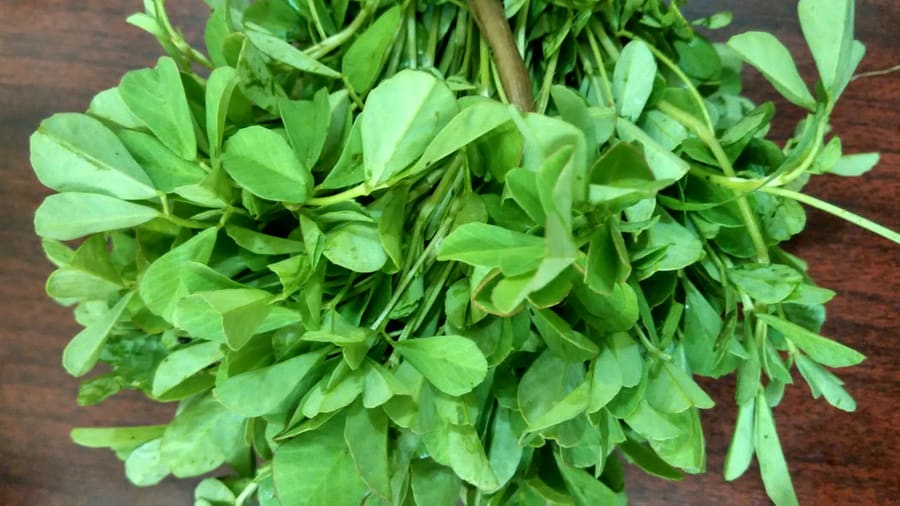
Fenugreek (Trigonella foenum-graecum)
Photo: Thamizhpparithi Maari · CC BY-SA 4.0
- Circulatory
- 4 conditions
- Licensed photo
Overview
Fenugreek is much used in herbal medicine in North Africa, the Middle East, and India, being esteemed as a remedy for a wide variety of conditions. The nourishing seeds are given during convalescence and to encourage weight gain, especially in anorexia. They are also helpful in lowering fever, with some authorities comparing their ability to that of quinine. The seeds’ soothing effect makes them of value in treating gastritis and gastric ulcers. They are used to induce childbirth and to increase breast-milk production. Fenugreek is also thought to be antidiabetic and to lower blood cholesterol levels. Externally, the seeds may be applied as a paste to treat abscesses, boils, ulcers, and burns, or used as a douche for excessive vaginal discharge.
Traditional uses & properties
Antidiabetic, decongestant, and galactagogue
Traditional preparations
Traditional texts describe the preparations below, and where those texts give specific amounts, the amounts are quoted here as part of that record. This is a record of historical practice, not a dosage recommendation - the figures are what the sources say, not what HerbMate tells you to take. Amounts, potency, and safe use vary enormously by preparation, plant part, and person.
4-8 ounces 3 times daily. To make a more pleasanttasting drink, add 1 teaspoon anise seed.
Pulverize seeds for use as a poultice.
Dried seeds (1:3, 70% alcohol, 10% glycerin); 1-3 ml (0.2-0.6 tsp.) 3 times daily
Safety & precautions
Not recommended for use during pregnancy
Drug & food interactions
Fenugreek saponins may modestly enhance the antidiabetic effects of the sulfonylureas.
- Antidiabetics
- In one study, fenugreek saponins had modest additional antidiabetic effects when they were added to established treatment with sulfonylureas. Fenugreek seed appears to have been widely studied for its blood-glucose-lowering properties; however, studies on its effects in combination with conventional treatments for diabetes appear limited. In one randomised study, 46 patients taking sulfonylureas (not named), with fasting blood-glucose levels of 7 to 13 mmol/L, were given fenugreek saponins 2.1 g three times daily after meals for 12 weeks. When compared with 23 similar patients given placebo it was found that fenugreek saponins decreased fasting blood-glucose levels by 23% (8.38 mmol/L versus 6.79 mmol/L). Diabetic control was also improved: glycosylated haemoglobin levels were about 20% lower in the treatment group (8.2% versus 6.56%). The fenugreek saponin preparation was an extract of total saponins of fenugreek given as capsules containing 0.35 mg per capsule, equivalent to 5.6 g of crude fenugreek.
- Herbal medicines
- No interactions found.
- Food
- No interactions found. Fenugreek is often used as a flavouring in foodstuffs.
These entries keep the wording of the reference they come from, and three phrases mean three different things. "No interactions found" means the source looked for reports of that pairing and found none. "No data found" means nothing has been published either way. "Based on experimental evidence only" means the effect has been seen in a laboratory or animal study but not in people - a reason for caution, not a report of harm.
Habitat
Native to North Africa and countries bordering the eastern Mediterranean, fenugreek grows in open areas and is widely cultivated, notably in India. The seeds are collected during the autumn months.
Traditionally used for
- Cholesterol regulation6 herbs · 2 free
- Ulcers15 herbs · 2 free
- Diabetes11 herbs · 2 free
- Fever11 herbs · 2 free
Each condition shows its first 2 remedies free. Premium opens the full remedy list for every condition - or come back for the free Condition of the Day.
Frequently asked questions
What is Fenugreek (Trigonella foenum-graecum) traditionally used for?
Traditional sources describe Fenugreek (Trigonella foenum-graecum) as follows: Antidiabetic, decongestant, and galactagogue
How is Fenugreek (Trigonella foenum-graecum) prepared?
Traditional texts describe the preparations below, and where those texts give specific amounts, the amounts are quoted here as part of that record. This is a record of historical practice, not a dosage recommendation - the figures are what the sources say, not what HerbMate tells you to take. Amounts, potency, and safe use vary enormously by preparation, plant part, and person. WEAK DECOCTION: 4-8 ounces 3 times daily. To make a more pleasanttasting drink, add 1 teaspoon anise seed. TOPICAL USE: Pulverize seeds for use as a poultice. TINCTURE: Dried seeds (1:3, 70% alcohol, 10% glycerin); 1-3 ml (0.2-0.6 tsp.) 3 times daily
What safety cautions apply to Fenugreek (Trigonella foenum-graecum)?
Not recommended for use during pregnancy
Related herbs
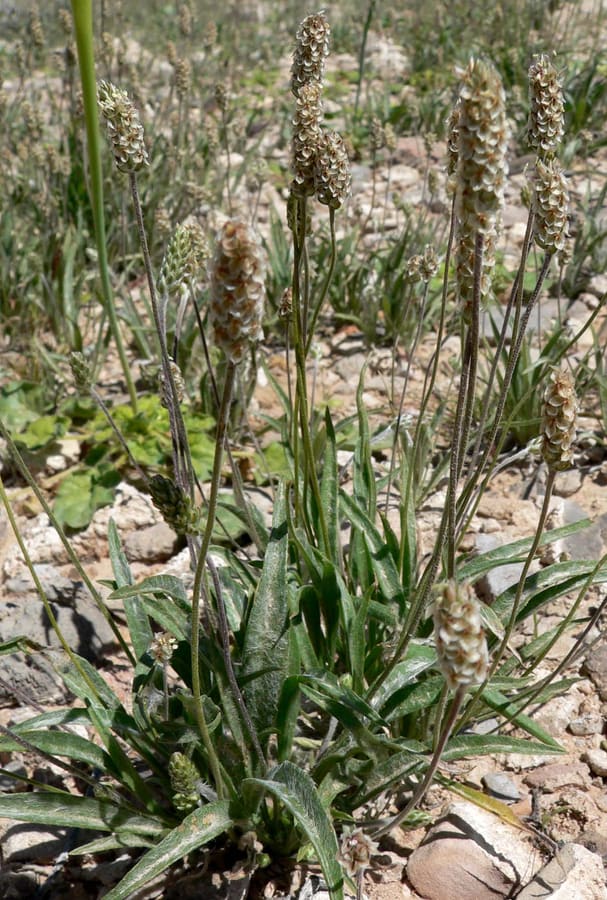 Psyllium (Plantago ovata)
Psyllium, also known as flea seed due to its small brown appearance, is produced by several Plantago species. It has been used as a safe and effective laxative for thousands of years across Europe, North Africa, and Asia. The seeds and husks have a bland taste and develop a jellylike consistency when moistened due to their high mucilage content. The plants are extensively cultivated, especially in India, and propagated from seed in spring. Seeds are harvested when ripe in late summer and early autumn.
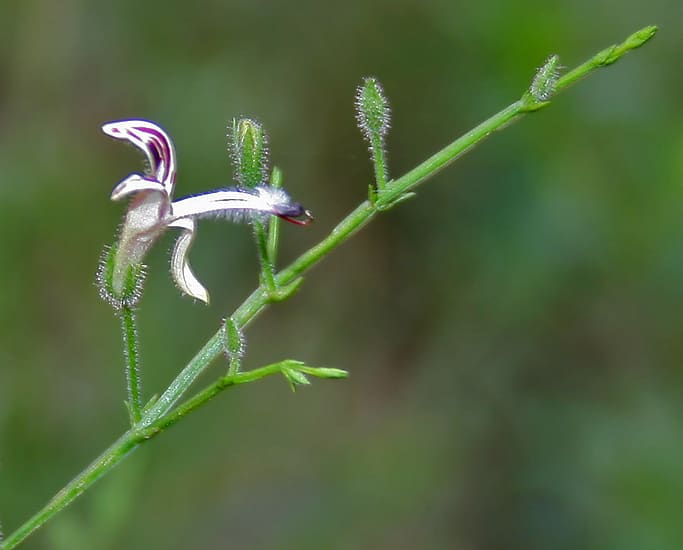 Andrographis (Andrographis paniculata)
Andrographis, commonly known as Green Chiretta or King of Bitters, is an upright annual herb reaching approximately 3 feet in height. Native to India and cultivated throughout northern regions of India and China, this bitter medicinal plant has been valued in Ayurvedic and traditional Chinese medicine for centuries. Historically used primarily for liver support and treating infections - especially malaria - it has earned recognition for its powerful immune-boosting and protective properties. The plant thrives on plains and in forest undergrowth, where its spotted pale brown or purple flowers and long seed capsules distinguish it from other medicinal herbs.
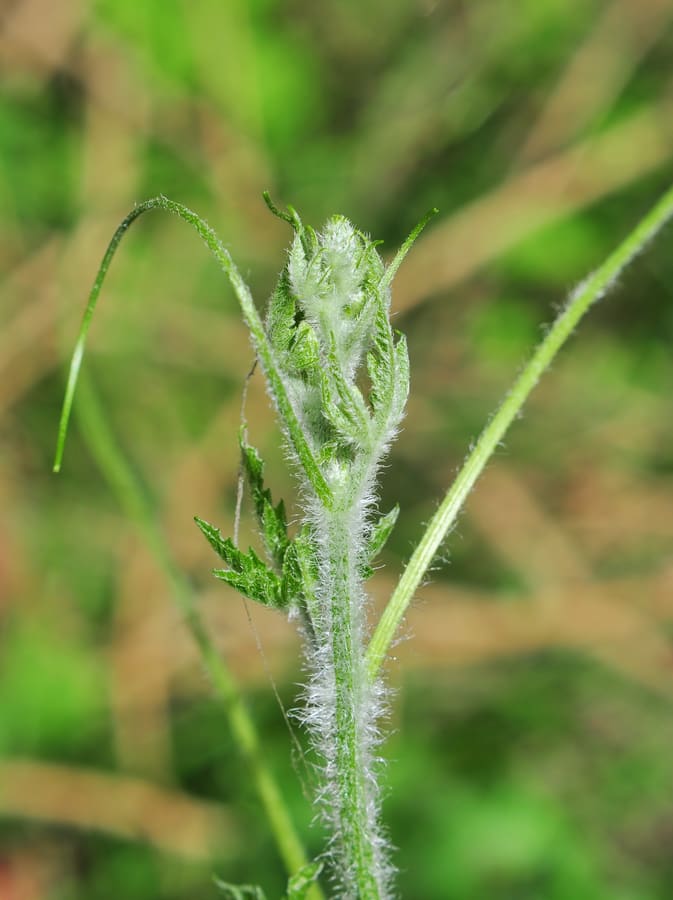 Bitter Melon (Momordica charantia)
Bitter melon is an annual climbing vine reaching about 6.5 feet, characterized by deeply lobed leaves, yellow flowers, and distinctive orange-yellow fruit. Native to southern Asia and now common throughout tropical regions worldwide, it is harvested year-round. The plant's unripe fruit, ripe fruit, leaves, seeds, and seed oil all have medicinal applications, and it has been a traditional remedy for diabetes symptoms in Asia, Africa, and the Caribbean for centuries.
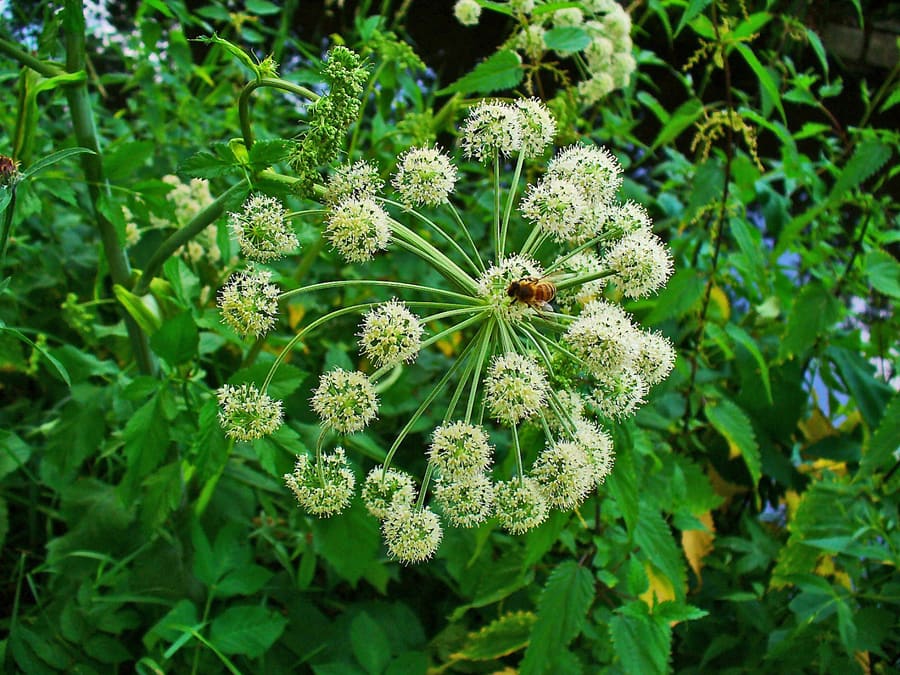 Angelica (angelica archangelica)
Angelica (Angelica archangelica) is a large, aromatic biennial herb growing up to about 6½ ft (2 m), with ridged hollow stems, bright green divided leaves, and greenish-white flowers arranged in umbrella-like clusters (umbels). It has a warm, tonic character and is often compared to dong quai (Chinese angelica) for its usefulness in supporting women’s health and circulation. Traditional sources note its warming action on the stomach, spleen, and intestines.
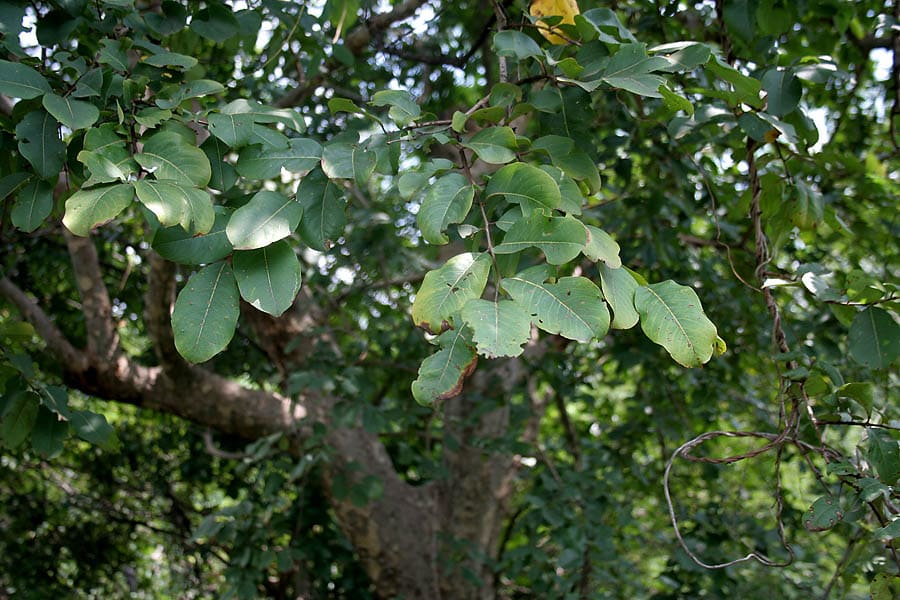 Arjun (Terminalia arjuna)
Arjun is an evergreen tree that can grow up to about 100 ft (30 m) high, bearing pale yellow flowers and cone-shaped leaves. Its bark has a longstanding reputation in Ayurvedic medicine - used for at least 3,000 years - as a primary heart remedy. Traditional texts report its effectiveness in angina, congestive heart failure, and poor coronary circulation, with modern research suggesting it helps reduce blood cholesterol and may stabilize heart rhythms.
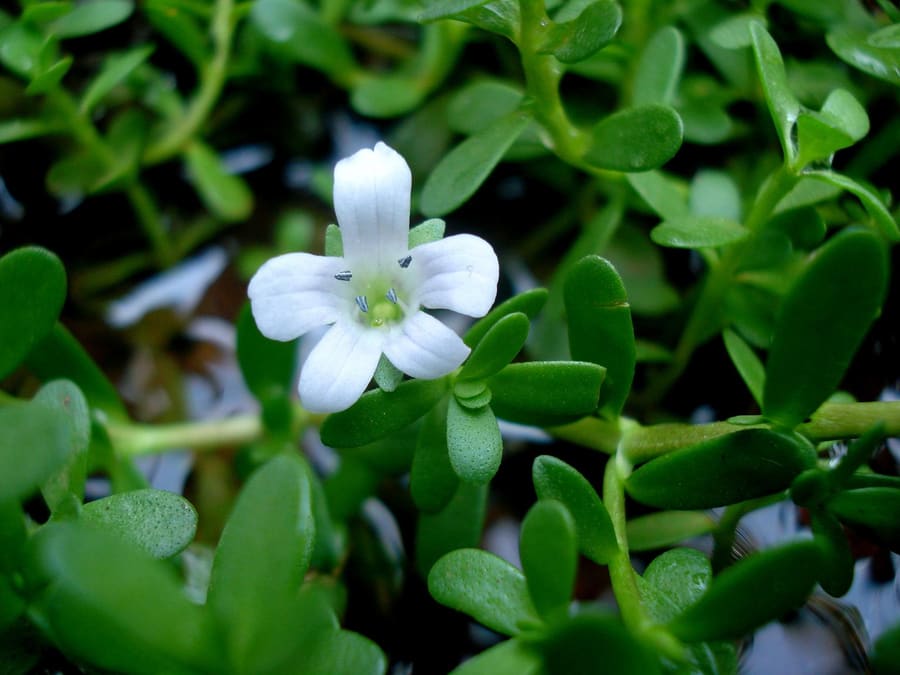 Bacopa (Bacopa monnieri)
Bacopa, also known as Water Hyssop or Brahmi, is a creeping succulent perennial that can grow to about 20 inches. It features spatula-shaped fleshy leaves and pale blue or white flowers on slender stalks. Thriving in marshlands and along the edges of mangrove swamps in warmer temperate and tropical climates - especially southern Asia - it develops into dense mats on mudflats. This herb has been a cornerstone of Ayurvedic medicine for supporting cognitive function and treating various nervous system disorders, and it is increasingly recognized in Western herbalism for its brain-enhancing properties.
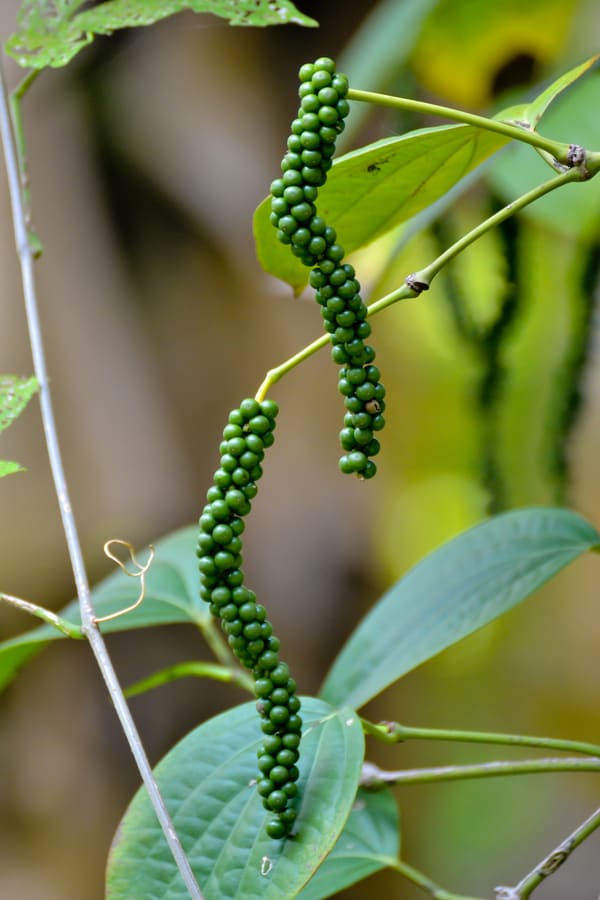 Black Pepper (Piper nigrum)
Black pepper is a perennial woody climbing vine growing to about 16 feet, with large oval leaves, spikes of small white flowers, and clusters of small round fruits that ripen from green to red. Native to southwestern India and now cultivated in tropical areas worldwide, the fruit is harvested from plants that are at least three years old. Different processing methods yield green, black, red, and white peppercorns, each with distinct flavors and uses. Cultivated as both a spice and medicine since ancient times, pepper was such a prized commodity in world trade that Attila the Hun reportedly demanded 3,000 pounds of it as ransom during his siege of Rome in 408 CE.
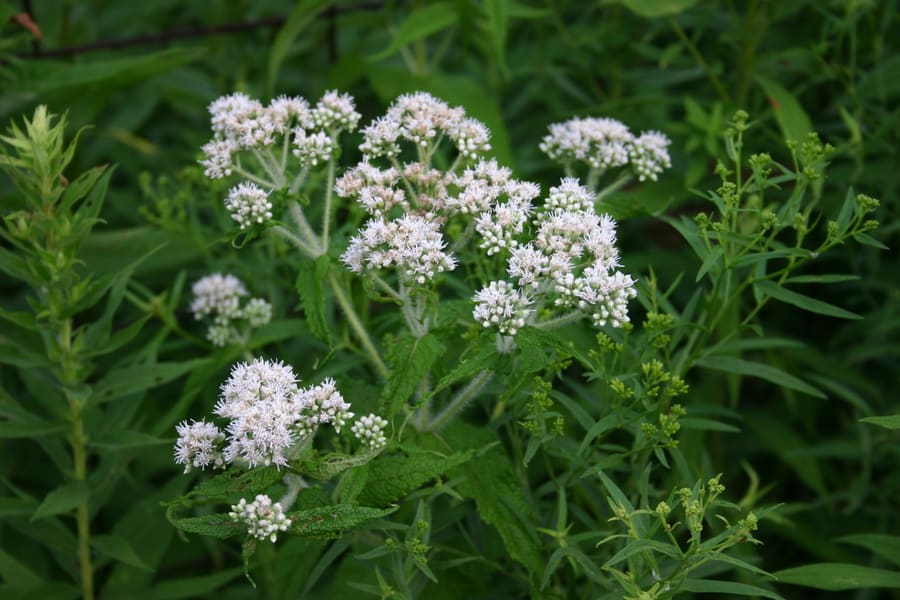 Boneset (Eupatorium perfoliatum)Not for self-dosing
Boneset (Eupatorium perfoliatum) is a bitter-tasting, upright perennial that can reach about 5 ft (1.5 m). It has lance-shaped leaves and clusters of small white or sometimes purple florets. Renowned in traditional American herbal medicine for colds, fevers, and influenza - especially when body aches are severe - it is believed to stimulate white blood cell activity and encourage sweating, thereby reducing fever and supporting the immune response.