
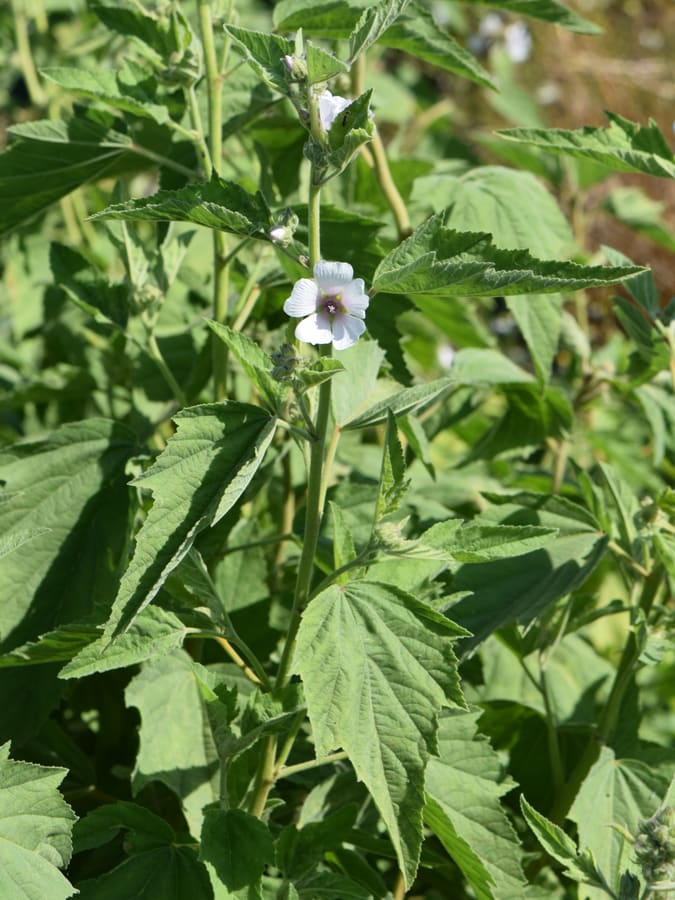
Marshmallow (Althaea officinalis)
Photo: Krzysztof Ziarnek, Kenraiz · CC BY-SA 4.0
- Digestive
- 5 conditions
- Licensed photo
Overview
Marshmallow (Althaea officinalis) is a downy perennial up to about 7 ft (2.2 m), with thick white roots, heart-shaped leaves, and pink flowers. Known for its high mucilage content, marshmallow soothes inflamed mucous membranes, including those in the respiratory, urinary, and digestive systems.
Traditional uses & properties
Demulcent & Emollient: Relieves dryness and irritation in the throat, lungs, stomach, and urinary tract. Diuretic & Kidney Soother: Supports passing kidney stones and eases burning urination when paired with other kidney herbs. Respiratory & Digestive Aid: Helpful for dry coughs, colitis, IBS, and ulcers. Galactagogue & Nourishing: Enhances breast milk production and is deemed safe as a mild food-like remedy.
Traditional preparations
Traditional texts describe the preparations below, and where those texts give specific amounts, the amounts are quoted here as part of that record. This is a record of historical practice, not a dosage recommendation - the figures are what the sources say, not what HerbMate tells you to take. Amounts, potency, and safe use vary enormously by preparation, plant part, and person.
2-8 ounces 1-4 times daily
Dried root (1:5, 40% alcohol); 10-60 drops 1-4 times daily. Mucilage does not extract well in alcohol; the tincture is used to soften hardened lymph nodes.
1,000-5,000 mg up to 3 times daily
Up to 12,000 mg daily
Safety & precautions
Very Mild & Safe: Typically fine for children, infants, and the elderly. No Major Warnings: Generally considered gentle with minimal side effects.
Drug & food interactions
Interaction data is not available for this herb - talk to a pharmacist before combining it with any medication. A blank entry here means we have not documented interactions, not that none exist.
Habitat
Originally from Europe, marshmallow is also found in the Americas. Preferring marshy soil or coastal areas, it is commonly cultivated. The aerial parts are gathered in summer when flowering begins, and the roots are dug up in autumn.
Traditionally used for
- Colitis8 herbs · 2 free
- Irritable Bowel Syndrome11 herbs · 2 free
- Ulcers15 herbs · 2 free
- Kidney Stones9 herbs · 2 free
- Urethritis7 herbs · 2 free
Each condition shows its first 2 remedies free. Premium opens the full remedy list for every condition - or come back for the free Condition of the Day.
Frequently asked questions
What is Marshmallow (Althaea officinalis) traditionally used for?
Traditional sources describe Marshmallow (Althaea officinalis) as follows: Demulcent & Emollient: Relieves dryness and irritation in the throat, lungs, stomach, and urinary tract. Diuretic & Kidney Soother: Supports passing kidney stones and eases burning urination when paired with other kidney herbs. Respiratory & Digestive Aid: Helpful for dry coughs, colitis, IBS, and ulcers. Galactagogue & Nourishing: Enhances breast milk production and is deemed safe as a mild food-like remedy.
How is Marshmallow (Althaea officinalis) prepared?
Traditional texts describe the preparations below, and where those texts give specific amounts, the amounts are quoted here as part of that record. This is a record of historical practice, not a dosage recommendation - the figures are what the sources say, not what HerbMate tells you to take. Amounts, potency, and safe use vary enormously by preparation, plant part, and person. COLD INFUSION: 2-8 ounces 1-4 times daily TINCTURE: Dried root (1:5, 40% alcohol); 10-60 drops 1-4 times daily. Mucilage does not extract well in alcohol; the tincture is used to soften hardened lymph nodes. POWDER OR CAPSULES: 1,000-5,000 mg up to 3 times daily BULK POWDER: Up to 12,000 mg daily
What safety cautions apply to Marshmallow (Althaea officinalis)?
Very Mild & Safe: Typically fine for children, infants, and the elderly. No Major Warnings: Generally considered gentle with minimal side effects.
Related herbs
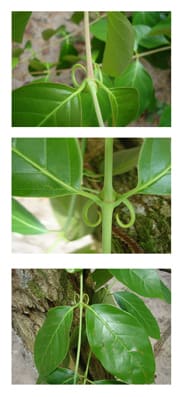 Cat's Claw (Uncaria tomentosa)
Cat's claw is a climbing vine that can grow to 100 feet or more, with stems up to 8 inches in diameter, large glossy leaves, and sharp hooks resembling a cat's claws. Native to tropical rainforests in the central and eastern Andes - especially Peru, Ecuador, and Colombia - it has also been found in Guatemala, Costa Rica, and Panama. Known by the Ashaninka and other indigenous peoples of central Peru for its power in regulating illness, it has been used since ancient times to treat serious conditions ranging from asthma and diabetes to arthritis and cancer. By the early 1990s, over-collection from the wild threatened the species' survival; only sustainably sourced stem bark should be used, rather than root bark.
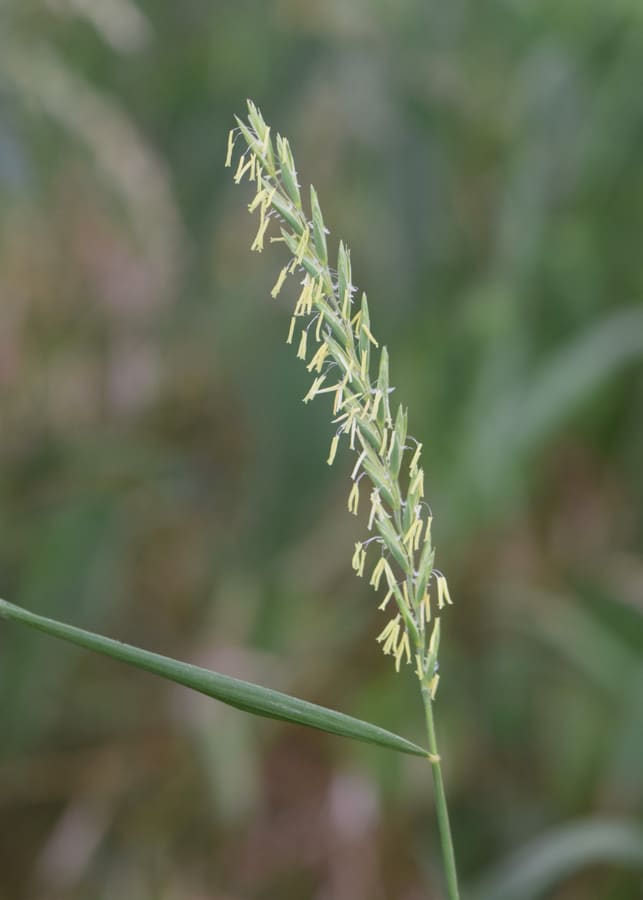 Couch Grass (Elymus repens)
Couch grass is a vigorous perennial growing to 32 inches with a long, creeping rhizome, slender leaves, and erect spikes bearing green flowers aligned in two rows. Found in Europe, the Americas, northern Asia, and Australia, it is an invasive weed harvested throughout the year. In classical times, both Dioscorides (40-90 CE) and Pliny (23-79 CE) recommended couch grass root for poor urine flow and kidney stones. The herbalist John Gerard wrote in 1597 that 'Couch-grasse be an unwelcome guest to fields and gardens, yet his physicke virtues do recompense those hurts; for it openeth the stoppings of the liver and reins [ureters] without heat.' In times of famine, the root was roasted and ground as a substitute for coffee and flour.
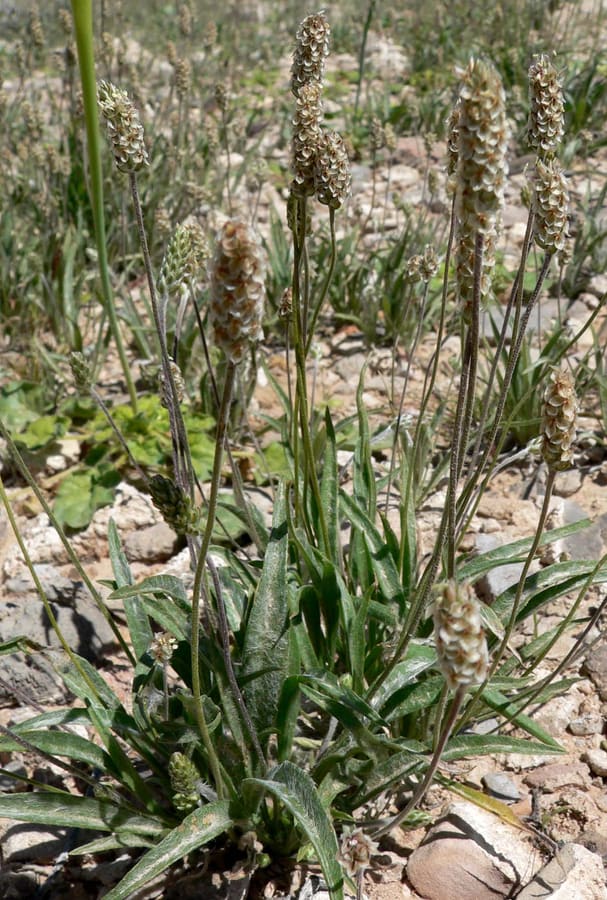 Psyllium (Plantago ovata)
Psyllium, also known as flea seed due to its small brown appearance, is produced by several Plantago species. It has been used as a safe and effective laxative for thousands of years across Europe, North Africa, and Asia. The seeds and husks have a bland taste and develop a jellylike consistency when moistened due to their high mucilage content. The plants are extensively cultivated, especially in India, and propagated from seed in spring. Seeds are harvested when ripe in late summer and early autumn.
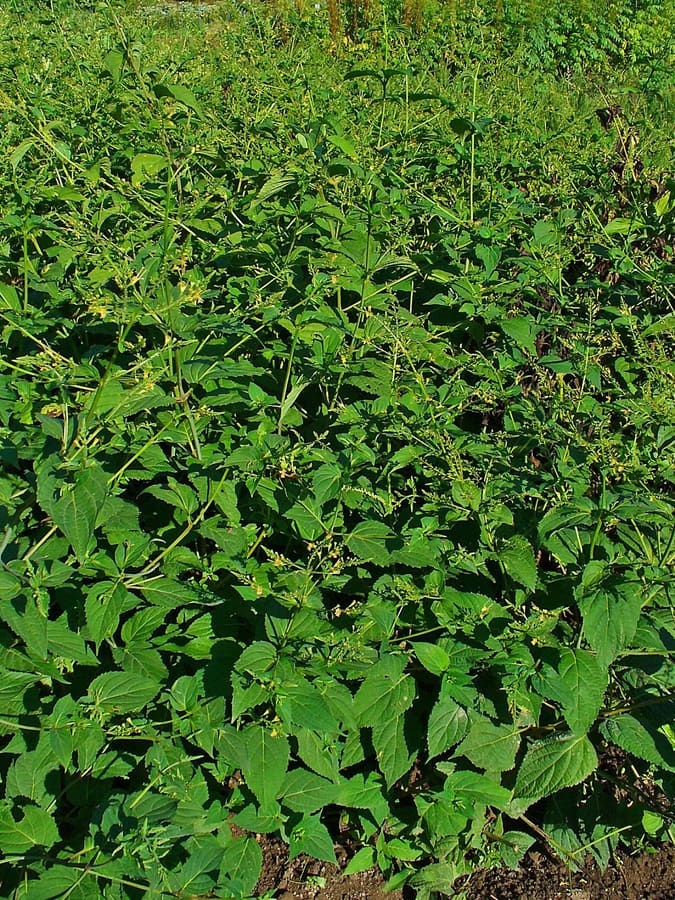 Stone Root (Collinsonia canadensis)
Stone root is a perennial herb growing to 3 feet tall, characterized by a square stem, oval leaves, and clusters of greenish-yellow flowers. Native to moist woodlands of eastern North America, the root is harvested in autumn. The plant contains volatile oil, tannins, and saponins.
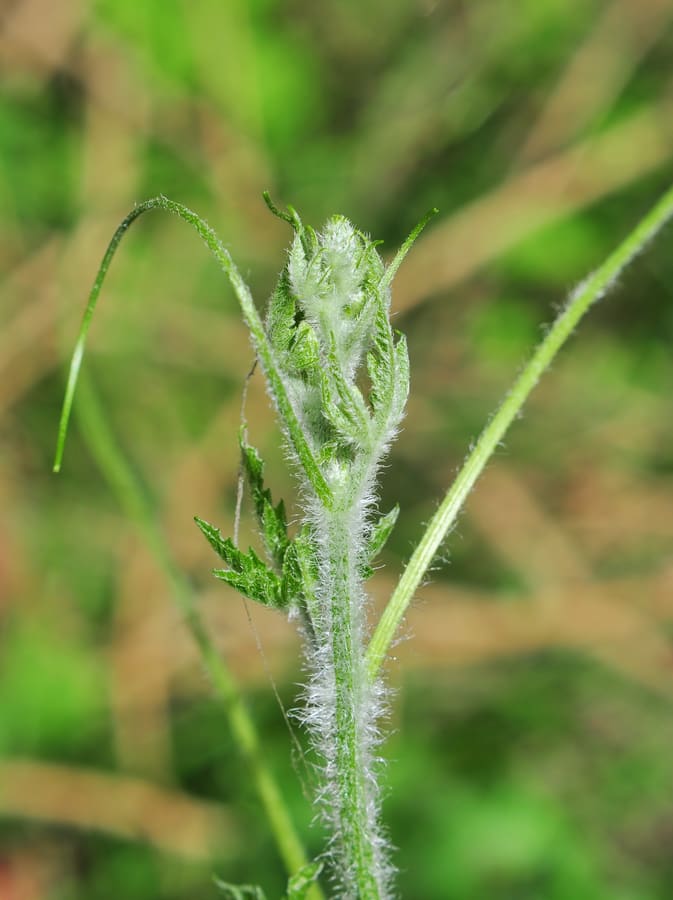 Bitter Melon (Momordica charantia)
Bitter melon is an annual climbing vine reaching about 6.5 feet, characterized by deeply lobed leaves, yellow flowers, and distinctive orange-yellow fruit. Native to southern Asia and now common throughout tropical regions worldwide, it is harvested year-round. The plant's unripe fruit, ripe fruit, leaves, seeds, and seed oil all have medicinal applications, and it has been a traditional remedy for diabetes symptoms in Asia, Africa, and the Caribbean for centuries.
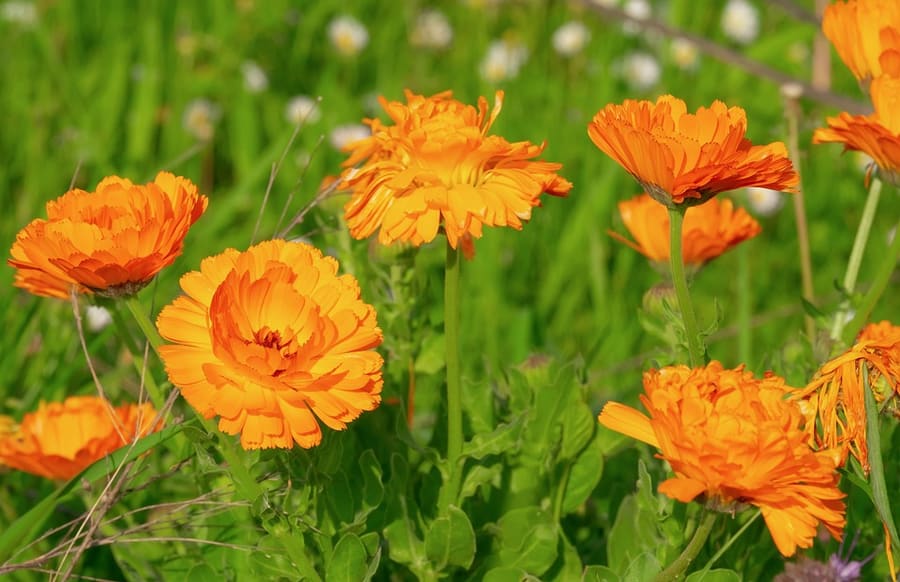 Calendula (Calendula officinalis)
Calendula (Calendula officinalis), with its bright orange daisy-like flowers, is among the most versatile herbs in Western herbal medicine. Its petals contain antiseptic, anti-inflammatory, and vulnerary properties, making it excellent for speeding tissue repair in wounds, burns, bruises, and various skin irritations. Calendula is also used internally for gastrointestinal inflammation (e.g., Crohn’s disease, colitis, gastritis).
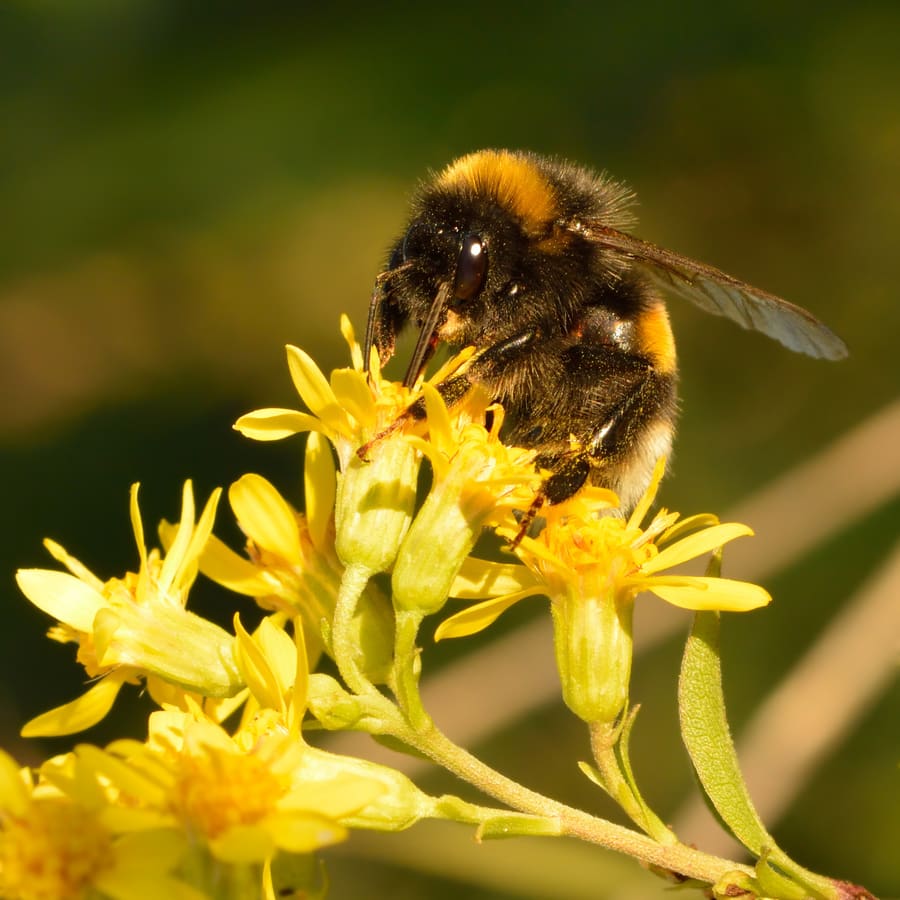 Goldenrod (Solidago virgaurea)
Goldenrod is a perennial plant growing to 28 inches with toothed leaves and branched spikes of golden-yellow flowers. Native to Europe and Asia and naturalized in North America, it prefers open areas and hillsides and is gathered in summer while in flower. The herbalist John Gerard commented wryly in 1597 about how goldenrod's value plummeted once it was discovered growing locally in Hampstead wood, London, noting society's tendency to esteem things only while they remain rare and foreign. Four hundred years later, this observation still rings true, though the herb's genuine therapeutic value remains unchanged.
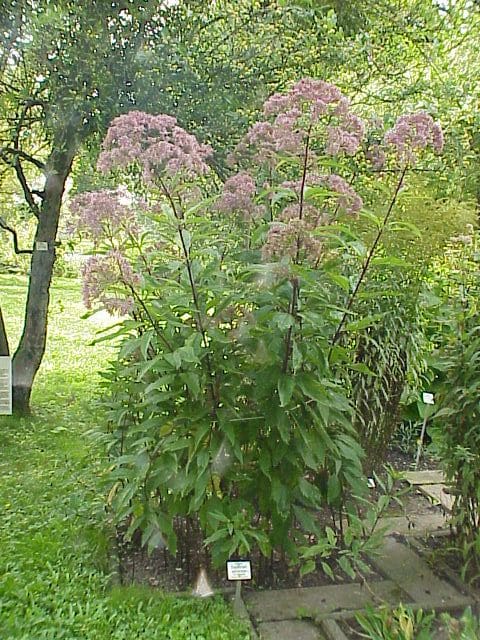 Gravel Root (Eupatorium purpureum)
Gravel root is an erect perennial growing to 5 feet with whorls of pointed oblong leaves and clusters of purple-pink florets. Native to eastern North America, the root is unearthed in autumn. The plant's alternative name, Joe Pye weed, honors the Native American said to have used it to cure New Englanders of typhus. Native Americans valued the herb as a diuretic and remedy for genitourinary conditions, and the root was listed in the Pharmacopoeia of the United States from 1820 to 1842, attesting to its recognized medicinal importance.