
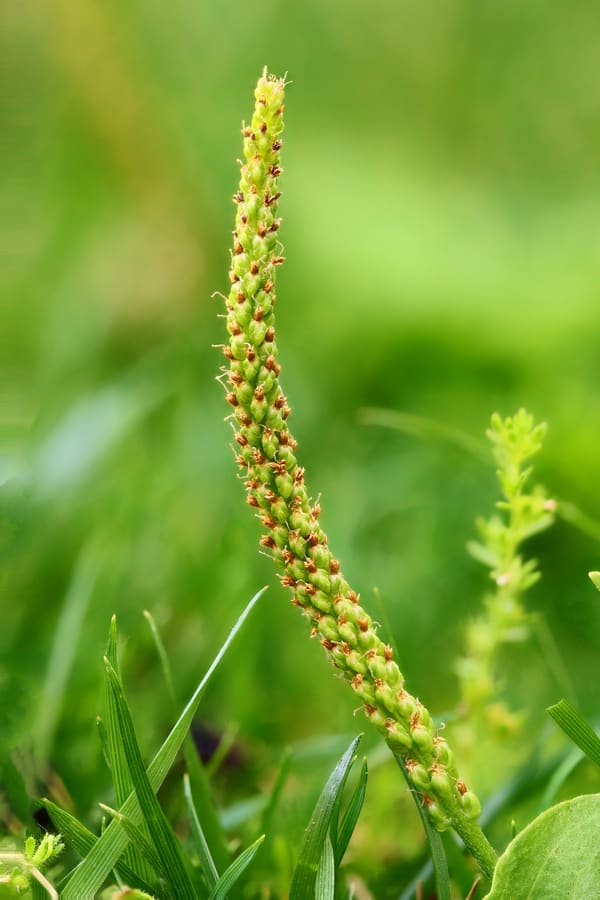
Plantain (Plantago major)
Photo: Sanjay Acharya · CC BY-SA 4.0
- Digestive
- 4 conditions
- Licensed photo
Overview
Common plantain (Plantago major) is a low-growing perennial reaching up to about 10 in (25 cm), forming a rosette of broad, ribbed leaves and spikes of tiny green flowers. Often regarded as a garden weed, plantain’s leaves are rich in iridoids, flavonoids, mucilage, and tannins, making them potent for wound care and internal soothing of mucous membranes.
Traditional uses & properties
Astringent & Vulnerary: Promotes wound healing, staunches bleeding, and soothes bruises, insect bites, and ulcers when applied topically. Demulcent & Respiratory Aid: The leaves’ mucilaginous qualities help calm inflamed tissues in the throat and lungs, beneficial for coughs and bronchitis. Antiseptic & Draws Out Toxins: Used externally to pull out splinters, soothe insect stings, and reduce swelling. Digestive Tonic: Aids gastritis, ulcers, and IBS by easing irritation in the GI tract.
Traditional preparations
Traditional texts describe the preparations below, and where those texts give specific amounts, the amounts are quoted here as part of that record. This is a record of historical practice, not a dosage recommendation - the figures are what the sources say, not what HerbMate tells you to take. Amounts, potency, and safe use vary enormously by preparation, plant part, and person.
4-8 ounces 1-4 times daily
Use the standard infusion as a compress.
Fresh leaf (1:2, 95% alcohol); 2-5 ml (0.4-1 tsp.) up to 4 times daily
Dried leaf (1:4); use oil to make a salve for topical use.
Crush fresh leaves and use as a poultice.
Safety & precautions
Allergies: Rare but possible; discontinue if irritation or reaction occurs. General Safety: Very safe in normal doses; can be used as a food-like herb.
Drug & food interactions
Interaction data is not available for this herb - talk to a pharmacist before combining it with any medication. A blank entry here means we have not documented interactions, not that none exist.
Habitat
Native to Europe and Asia, plantain now grows abundantly in temperate regions worldwide. Typically gathered from the wild in summer, focusing on the leaves.
Traditionally used for
- Irritable Bowel Syndrome11 herbs · 2 free
- Ulcers15 herbs · 2 free
- Bronchitis17 herbs · 2 free
- Wound healing7 herbs · 2 free
Each condition shows its first 2 remedies free. Premium opens the full remedy list for every condition - or come back for the free Condition of the Day.
Frequently asked questions
What is Plantain (Plantago major) traditionally used for?
Traditional sources describe Plantain (Plantago major) as follows: Astringent & Vulnerary: Promotes wound healing, staunches bleeding, and soothes bruises, insect bites, and ulcers when applied topically. Demulcent & Respiratory Aid: The leaves’ mucilaginous qualities help calm inflamed tissues in the throat and lungs, beneficial for coughs and bronchitis. Antiseptic & Draws Out Toxins: Used externally to pull out splinters, soothe insect stings, and reduce swelling. Digestive Tonic: Aids gastritis, ulcers, and IBS by easing irritation in the GI tract.
How is Plantain (Plantago major) prepared?
Traditional texts describe the preparations below, and where those texts give specific amounts, the amounts are quoted here as part of that record. This is a record of historical practice, not a dosage recommendation - the figures are what the sources say, not what HerbMate tells you to take. Amounts, potency, and safe use vary enormously by preparation, plant part, and person. STANDARD INFUSION: 4-8 ounces 1-4 times daily TOPICAL USE: Use the standard infusion as a compress. TINCTURE: Fresh leaf (1:2, 95% alcohol); 2-5 ml (0.4-1 tsp.) up to 4 times daily OIL AND SALVE: Dried leaf (1:4); use oil to make a salve for topical use. FRESH HERB: Crush fresh leaves and use as a poultice.
What safety cautions apply to Plantain (Plantago major)?
Allergies: Rare but possible; discontinue if irritation or reaction occurs. General Safety: Very safe in normal doses; can be used as a food-like herb.
Related herbs
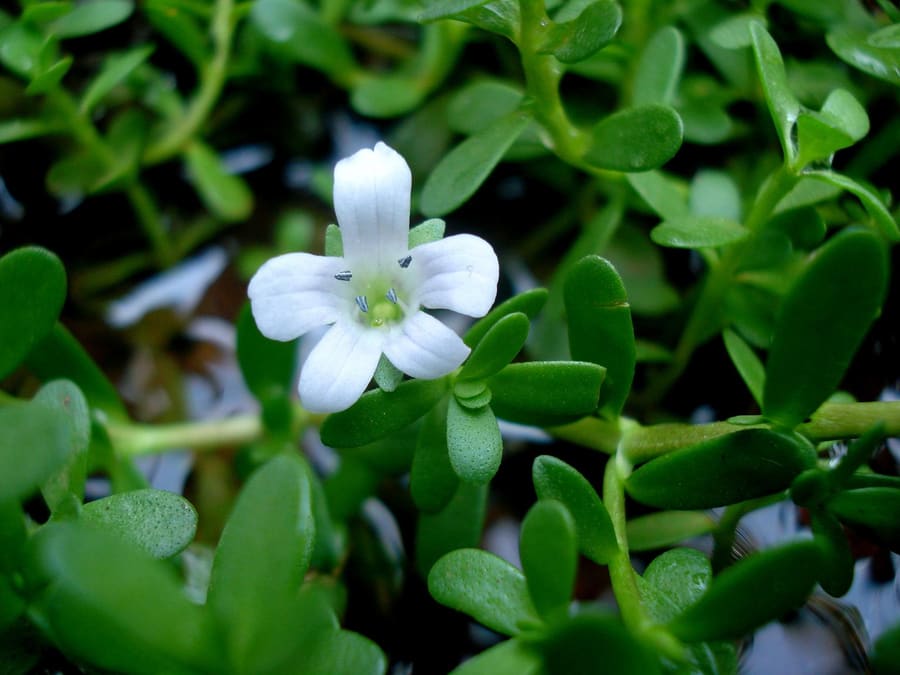 Bacopa (Bacopa monnieri)
Bacopa, also known as Water Hyssop or Brahmi, is a creeping succulent perennial that can grow to about 20 inches. It features spatula-shaped fleshy leaves and pale blue or white flowers on slender stalks. Thriving in marshlands and along the edges of mangrove swamps in warmer temperate and tropical climates - especially southern Asia - it develops into dense mats on mudflats. This herb has been a cornerstone of Ayurvedic medicine for supporting cognitive function and treating various nervous system disorders, and it is increasingly recognized in Western herbalism for its brain-enhancing properties.
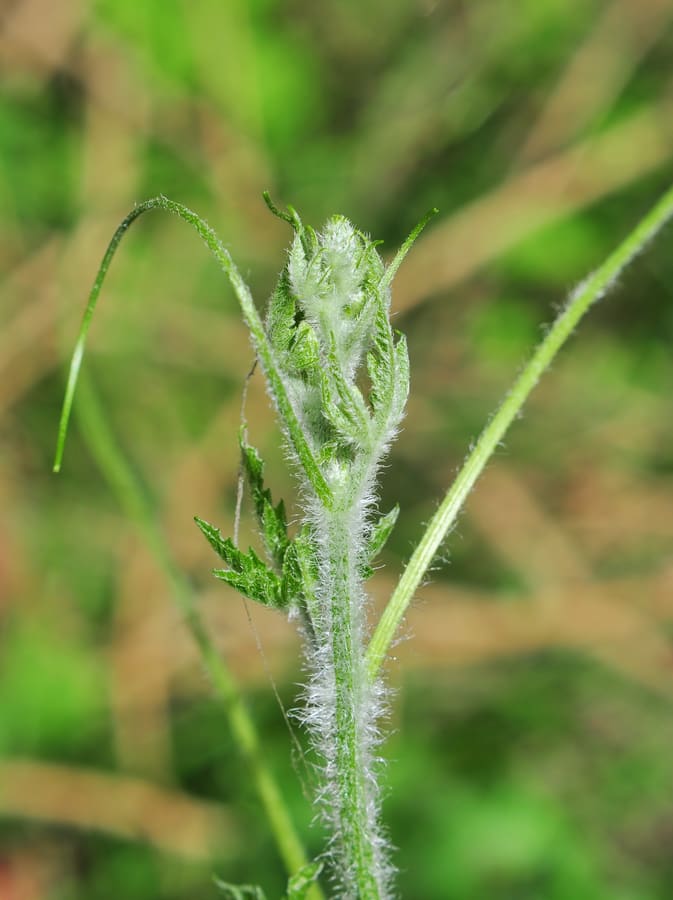 Bitter Melon (Momordica charantia)
Bitter melon is an annual climbing vine reaching about 6.5 feet, characterized by deeply lobed leaves, yellow flowers, and distinctive orange-yellow fruit. Native to southern Asia and now common throughout tropical regions worldwide, it is harvested year-round. The plant's unripe fruit, ripe fruit, leaves, seeds, and seed oil all have medicinal applications, and it has been a traditional remedy for diabetes symptoms in Asia, Africa, and the Caribbean for centuries.
 Caraway (Carum carvi)
Caraway is an aromatic annual herb growing to 2 feet with a ridged stem, feathery leaves, and umbels of white flowers in midsummer. Exploding capsules release two small narrow seeds. It grows wild in Europe, North Africa, and Asia, preferring sunny sites up to 6,600 feet above sea level. Cultivated in Europe, Russia, North Africa, and the United States, the seeds are harvested ripe in late summer. Caraway has been valued since ancient times for its digestive and respiratory benefits, and the seeds are commonly used in cooking.
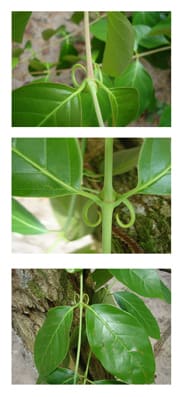 Cat's Claw (Uncaria tomentosa)
Cat's claw is a climbing vine that can grow to 100 feet or more, with stems up to 8 inches in diameter, large glossy leaves, and sharp hooks resembling a cat's claws. Native to tropical rainforests in the central and eastern Andes - especially Peru, Ecuador, and Colombia - it has also been found in Guatemala, Costa Rica, and Panama. Known by the Ashaninka and other indigenous peoples of central Peru for its power in regulating illness, it has been used since ancient times to treat serious conditions ranging from asthma and diabetes to arthritis and cancer. By the early 1990s, over-collection from the wild threatened the species' survival; only sustainably sourced stem bark should be used, rather than root bark.
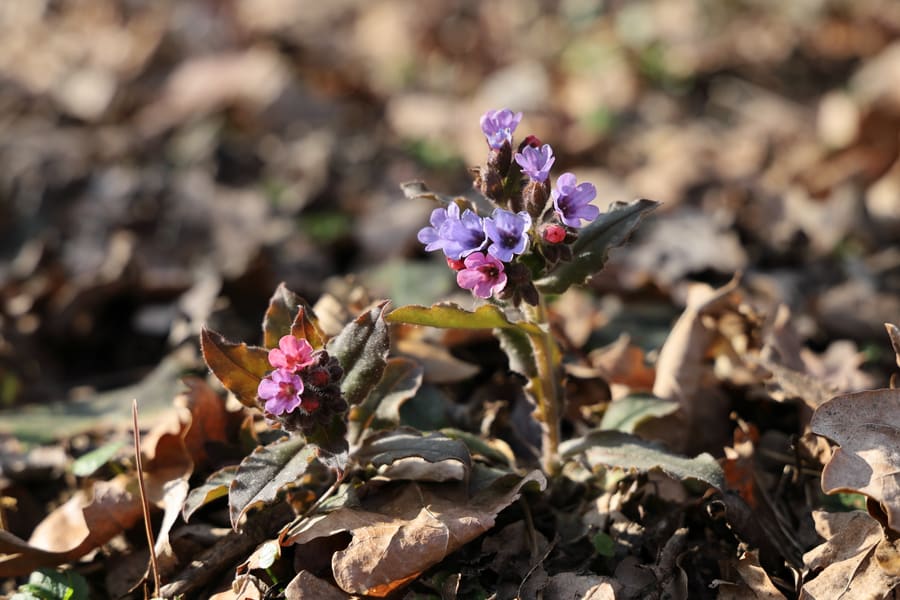 Lungwort (Pulmonaria officinalis)
Lungwort is a perennial herb growing to 1 foot with broad oval basal leaves, smaller upper leaves mottled with white spots, and clusters of pink-purple flowers. Native to Europe and the Caucasus, it flourishes in mountain pastures and damp sites. The leaves are gathered in late spring. According to the medieval Doctrine of Signatures, which held that a plant's appearance pointed to the ailment it treated, lungwort was effective for chest ailments because its leaves were said to resemble lung tissue. This folk belief, while not scientifically founded, turned out to have merit - the herb is indeed valuable for respiratory conditions.
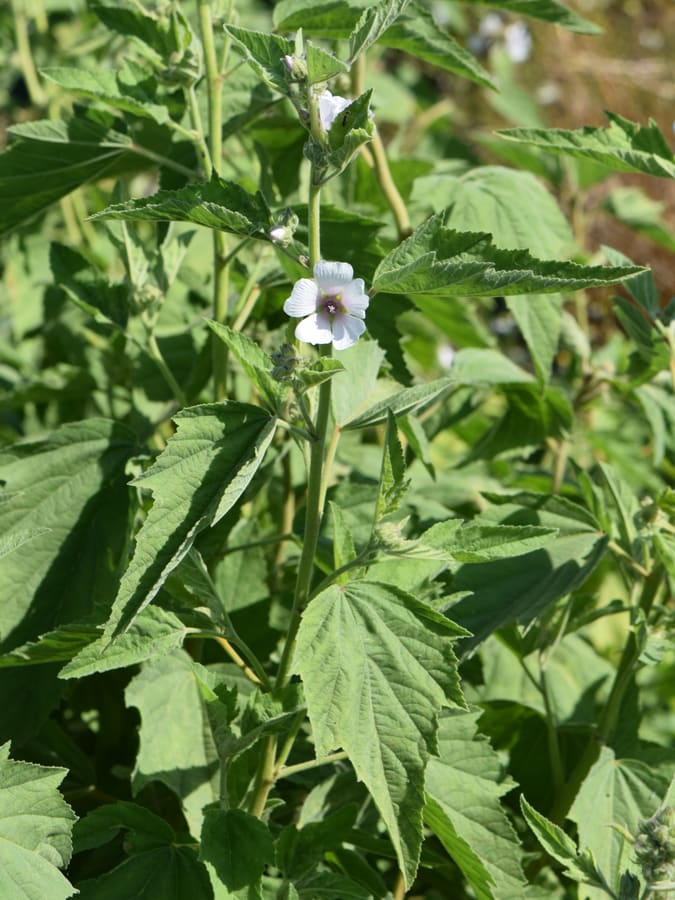 Marshmallow (Althaea officinalis)
Marshmallow (Althaea officinalis) is a downy perennial up to about 7 ft (2.2 m), with thick white roots, heart-shaped leaves, and pink flowers. Known for its high mucilage content, marshmallow soothes inflamed mucous membranes, including those in the respiratory, urinary, and digestive systems.
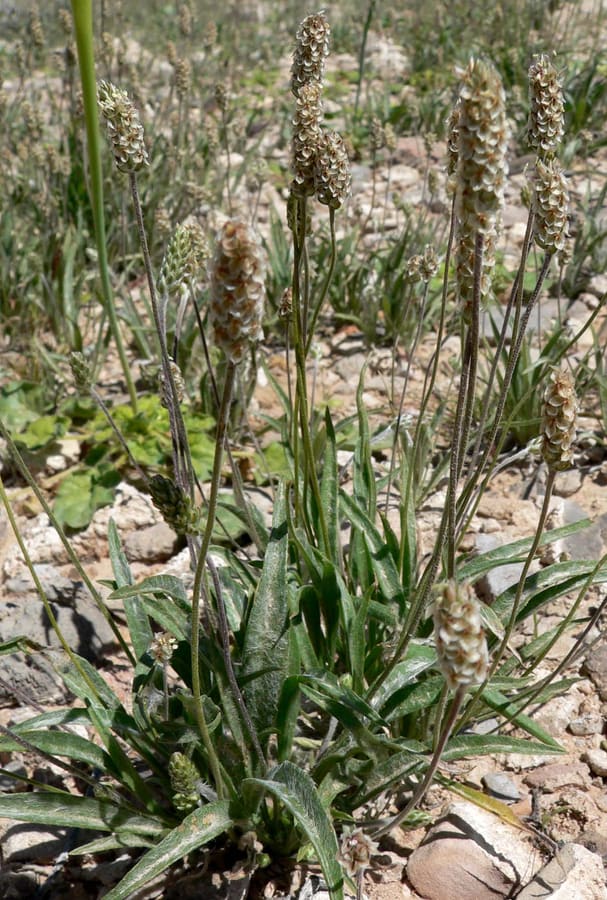 Psyllium (Plantago ovata)
Psyllium, also known as flea seed due to its small brown appearance, is produced by several Plantago species. It has been used as a safe and effective laxative for thousands of years across Europe, North Africa, and Asia. The seeds and husks have a bland taste and develop a jellylike consistency when moistened due to their high mucilage content. The plants are extensively cultivated, especially in India, and propagated from seed in spring. Seeds are harvested when ripe in late summer and early autumn.
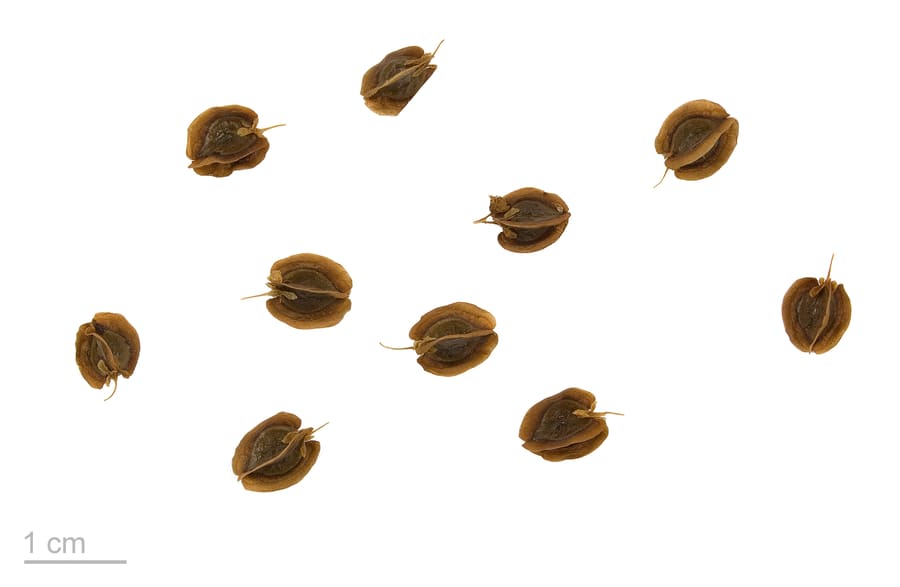 Chinese Rhubarb (Rheum palmatum)
Chinese rhubarb (Rheum palmatum) is a thick-rhizomed perennial, growing up to 10 ft (3 m) tall, with large, palmate leaves and small flowers. Known in Chinese medicine for over 2,000 years, it has a paradoxical effect on the bowels: stimulating in large doses, yet gently astringent and constipating in small doses. The rhizome also aids digestion, helps counter inflammation, and has anti-ulcer and antibacterial actions.