
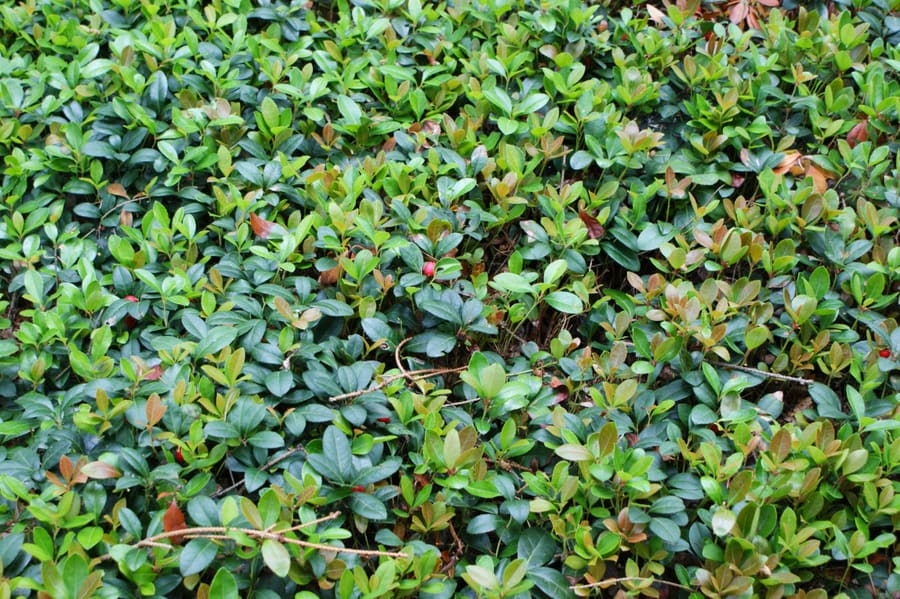
Wintergreen (Gaultheria procumbens)
Photo: Krzysztof Ziarnek, Kenraiz · CC BY-SA 4.0
- Skeletal
- 4 conditions
- Licensed photo
Overview
Wintergreen (Gaultheria procumbens) is a low-lying evergreen shrub, reaching about 6 in (15 cm), with oval leathery leaves, small bell-shaped flowers, and bright red berries. Known primarily for its oil containing methyl salicylate - a natural anti-inflammatory and analgesic compound - it has long been used for topical pain relief.
Traditional uses & properties
Analgesic & Anti-Inflammatory: Methyl salicylate in the oil is effective for muscle, joint, and nerve pain; used in liniments and ointments. Traditional Internal Use: Historically taken as a tea for back pain or rheumatism, though less common now. Aromatic & Cooling: The herb soothes local inflammation and pain; often employed in sports rubs and chest balms.
Traditional preparations
Preparation amounts are not shown for this herb. It is toxic, restricted, or otherwise unsafe to self-dose - the margin between a traditional dose and a harmful one is too small to publish as reference material. If you are considering it, that conversation belongs with a doctor or a qualified practitioner, not a website.
Safety & precautions
Essential Oil (Topical Only): Undiluted, it can trigger dermatitis; do not ingest. Aspirin Sensitivity: Those allergic or sensitive to aspirin should avoid wintergreen (it contains salicylates). Children: Exercise caution applying the oil topically to young children (under professional advice).
Drug & food interactions
Interaction data is not available for this herb - talk to a pharmacist before combining it with any medication. A blank entry here means we have not documented interactions, not that none exist.
Habitat
Indigenous to North American woodlands and mountainous regions, wintergreen prefers acid, moist soils. Leaves and fruit are gathered in summer. The essential oil is obtained by steam-distilling leaves and small twigs.
Traditionally used for
- Back pain5 herbs · 2 free
- Muscle Strain8 herbs · 2 free
- Rheumatism9 herbs · 2 free
- Sciatica3 herbs · 2 free
Each condition shows its first 2 remedies free. Premium opens the full remedy list for every condition - or come back for the free Condition of the Day.
Frequently asked questions
What is Wintergreen (Gaultheria procumbens) traditionally used for?
Traditional sources describe Wintergreen (Gaultheria procumbens) as follows: Analgesic & Anti-Inflammatory: Methyl salicylate in the oil is effective for muscle, joint, and nerve pain; used in liniments and ointments. Traditional Internal Use: Historically taken as a tea for back pain or rheumatism, though less common now. Aromatic & Cooling: The herb soothes local inflammation and pain; often employed in sports rubs and chest balms.
How is Wintergreen (Gaultheria procumbens) prepared?
Preparation amounts are not shown for this herb. It is toxic, restricted, or otherwise unsafe to self-dose - the margin between a traditional dose and a harmful one is too small to publish as reference material. If you are considering it, that conversation belongs with a doctor or a qualified practitioner, not a website.
What safety cautions apply to Wintergreen (Gaultheria procumbens)?
Essential Oil (Topical Only): Undiluted, it can trigger dermatitis; do not ingest. Aspirin Sensitivity: Those allergic or sensitive to aspirin should avoid wintergreen (it contains salicylates). Children: Exercise caution applying the oil topically to young children (under professional advice).
Related herbs
- Corydalis (Corydalis yanhusuo)
Corydalis is a small herbaceous perennial growing to 8 inches with narrow leaves and pink flowers. Native to Siberia, northern China, and Japan, it is commonly cultivated in eastern and northeastern parts of China. Propagated from seed in early spring or autumn, the rhizome is harvested in late spring and early summer when the aerial parts have withered. This important Chinese remedy has been used at least since the 8th century to help 'invigorate the blood' and relieve almost any painful condition, particularly menstrual cramps and chest and abdominal pain.
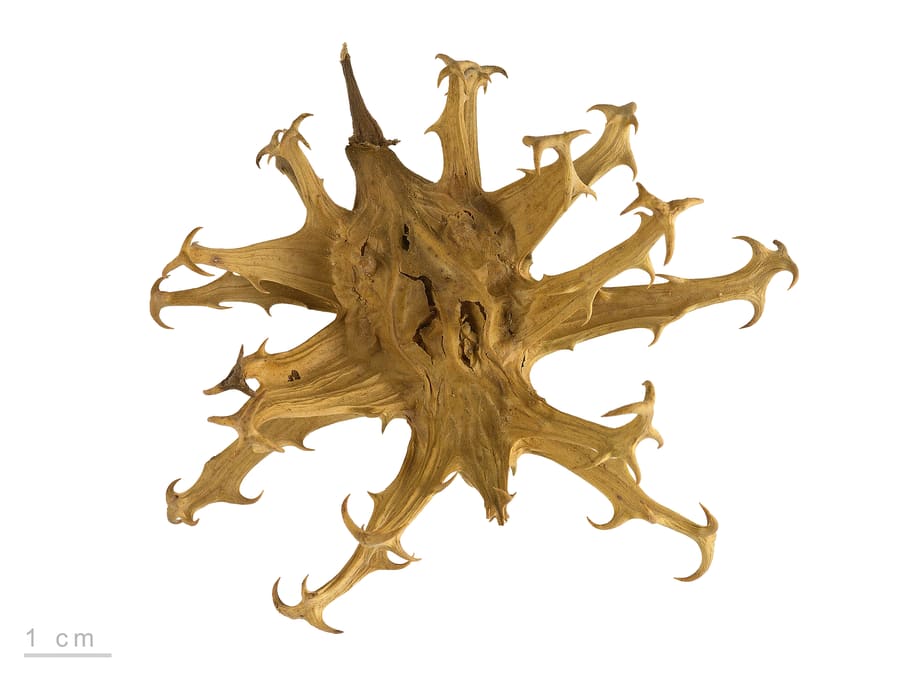 Devil's Claw (Harpagophytum procumbens)
Devil’s claw (Harpagophytum procumbens) is a trailing perennial native to southern Africa, named for its hooked, woody fruits. For millennia, indigenous peoples have relied on its tuber to treat pain, fever, and digestive ailments. In modern herbalism, devil’s claw is best known for its anti-inflammatory and analgesic properties, frequently employed to support joint health and reduce arthritic or lower back pain. It also acts as a bitter tonic to stimulate digestion.
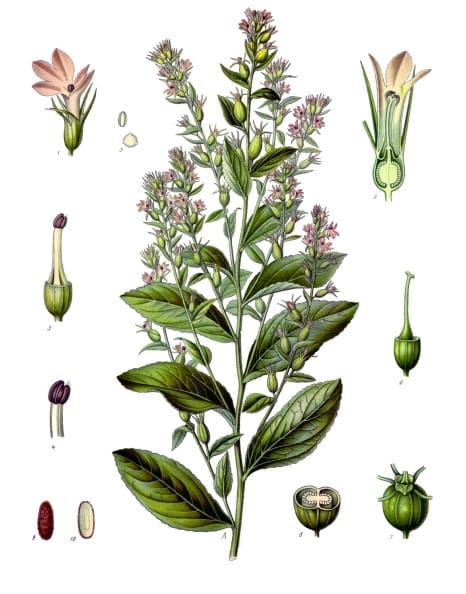 Lobelia (Lobelia inflata)Not for self-dosing
Lobelia is an annual herb growing to 20 inches with lance-shaped leaves and pale blue, pink-tinged flowers. A powerful antispasmodic used for respiratory and muscle disorders, it was a traditional Native American remedy for many conditions. It was used as a 'puke weed' to induce vomiting, as a remedy for worms and venereal disease, and as an expectorant. Lobelia was also smoked as a substitute for tobacco and was reputed to share some of its magical qualities. Indigenous to North America, especially eastern parts of the United States, it grows by roadsides and in neglected areas, preferring acid soil. The aerial parts are harvested in early autumn when the seed capsules are most numerous and are carefully dried. Its use was later championed by the American herbalist Samuel Thomson (1769-1843), who made the herb the mainstay of his therapeutic system, mainly using it to induce vomiting.
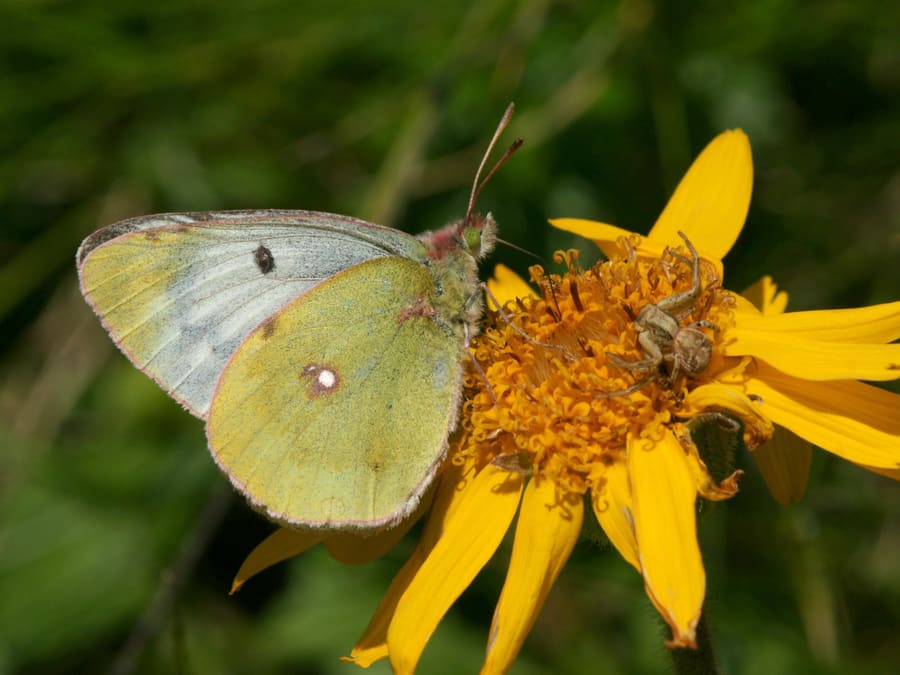 Arnica (Arnica montana)Not for self-dosing
Arnica is an aromatic perennial, usually about 1 ft (30 cm) high, with downy, oval-shaped leaves and bright yellow daisy-like flowers. Well-known for reducing swelling, bruising, and pain from injuries, it is frequently used as a homeopathic remedy (both internally and topically) for bruises, sprains, and sore muscles. Higher-dose tinctures have a stronger anti-inflammatory action and may serve as a cardiac tonic by improving blood flow to the coronary vessels, but such usage must be closely supervised.
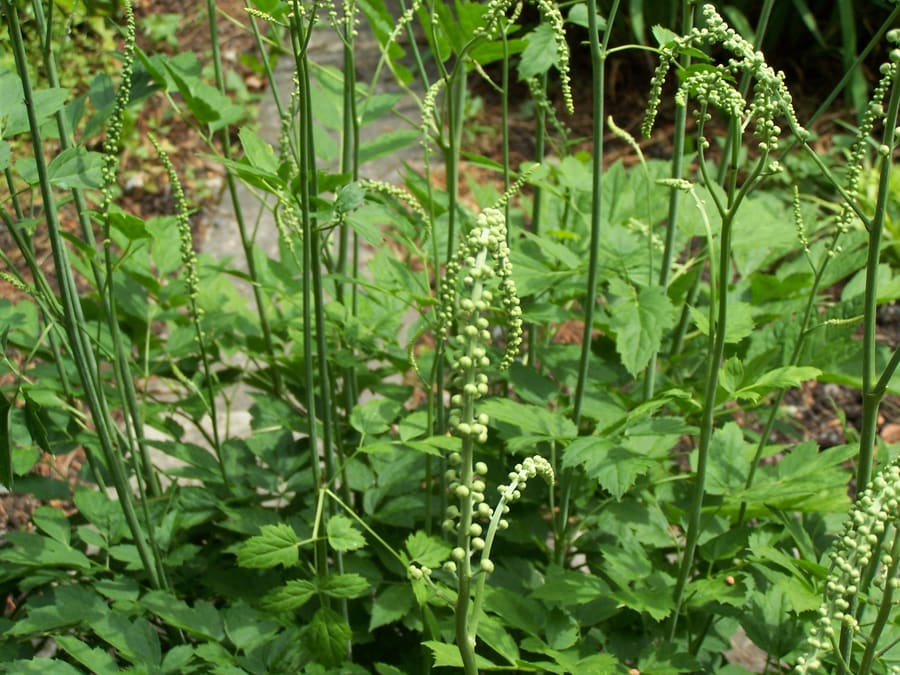 Black Cohosh (Cimicifuga racemosa)
Black cohosh (Cimicifuga racemosa) is a tall herbaceous perennial, growing up to about 8 ft (2.5 m) with creamy-white flower spikes. Its thick, knobby root has a bitter, acrid taste and a distinctive odor. Traditionally, the root has been valued as a Native American remedy for women’s health issues, especially painful periods, menopausal problems (such as hot flashes), and uterine discomfort. It also has a history of use for rheumatic complaints, including rheumatoid arthritis, nerve conditions like tinnitus, and even venomous bites or stings. Modern research suggests black cohosh can help alleviate menopausal symptoms and may influence estrogenic activity within the body, although it does not contain estrogen itself.
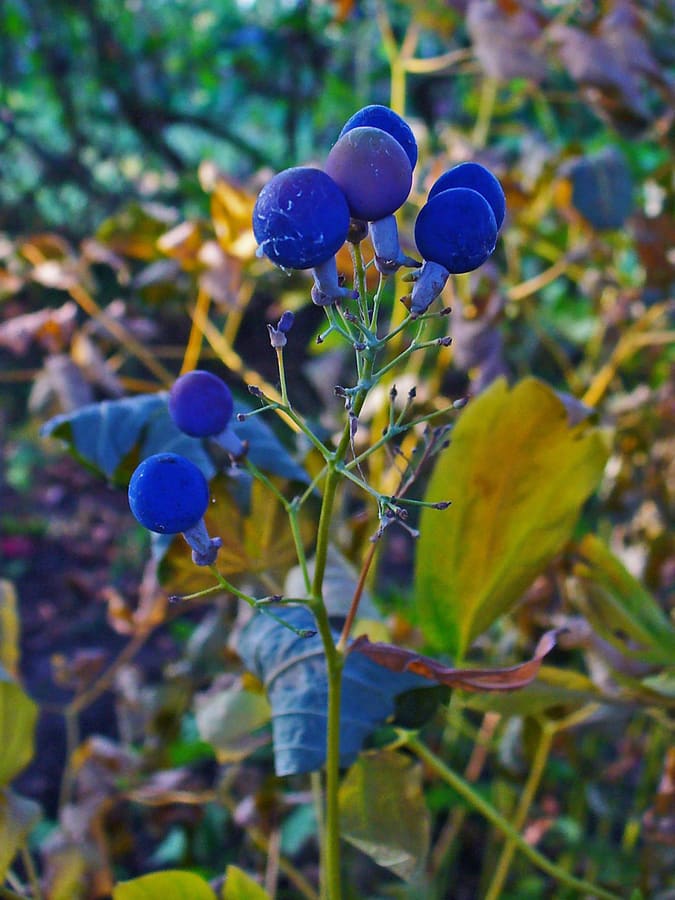 Blue Cohosh (Caulophyllum thalictroides)Not for self-dosing
Blue cohosh is an upright perennial herb reaching 3 feet in height, with large three-lobed leaves, yellow to purple flowers, and striking blue berries. It grows wild in much of eastern North America from Manitoba to Alabama, preferring woodland valleys and damp, north-facing slopes. The name 'cohosh' comes from the Algonquin language, and the plant was a popular remedy among many Native American tribes. Though taken by both sexes for genitourinary issues, it was primarily valued as a women's herb, and that tradition continues in modern herbal practice.
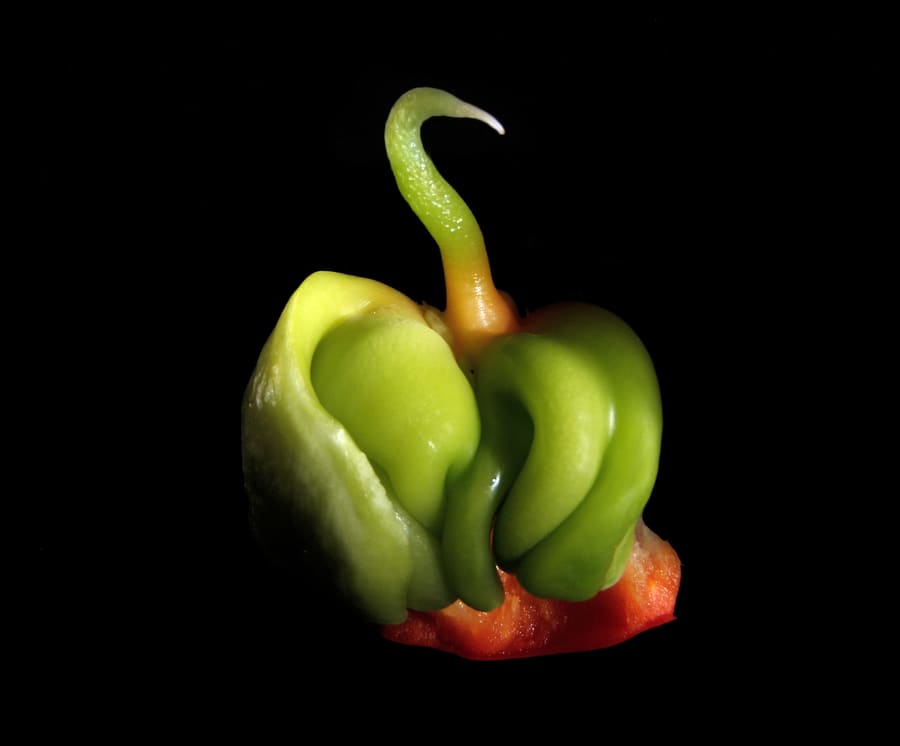 Cayenne (Capsicum annuum)
Cayenne (Capsicum frutescens) is a tropical pepper renowned for its hot, pungent taste and powerful warming action. Medicinally, it is noted for stimulating circulation throughout the body, strengthening the heartbeat, and supporting healing by improving blood supply to tissues. Cayenne is sometimes considered a “cure-all” in Western herbal traditions due to its broad impact on circulation and tissue repair. It also has analgesic properties, thanks to capsaicin, which depletes substance P (a pain mediator), thereby reducing discomfort in conditions like neuralgia or arthritis.
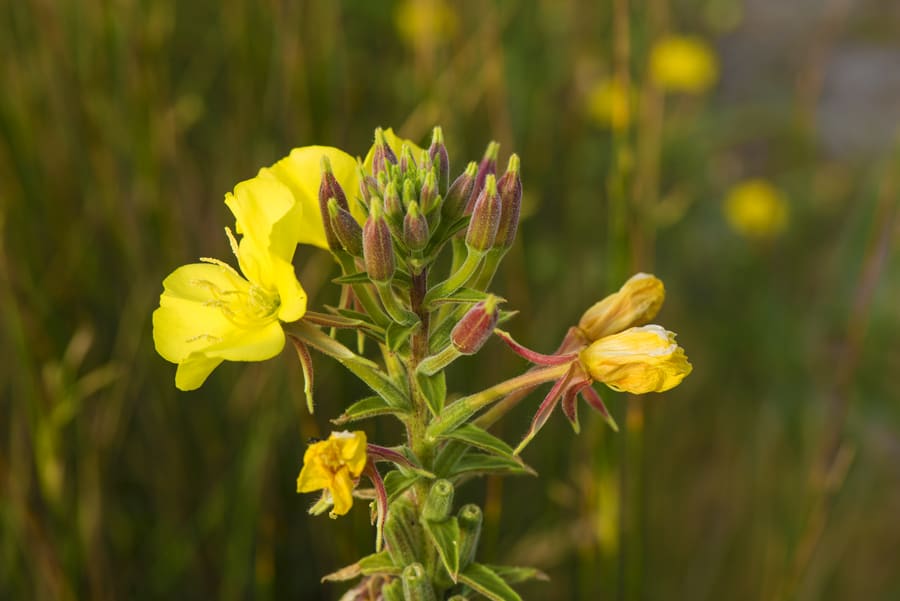 Evening Primrose (Oenothera biennis)
Biennial herb growing to 8 in (20 cm). Has red blotches on stem, crinkled lance-shaped leaves, 4-petaled yellow flowers, and elongated seed capsules. The flowers, leaves, and stem bark of evening primrose have astringent and sedative properties. All three parts have been employed in the treatment of whooping cough. Evening primrose has also been taken for digestive problems and asthma, and used as a poultice to ease the discomfort of rheumatic disorders.