
Herbs for Wound healing
5 herbs traditionally used for this condition.
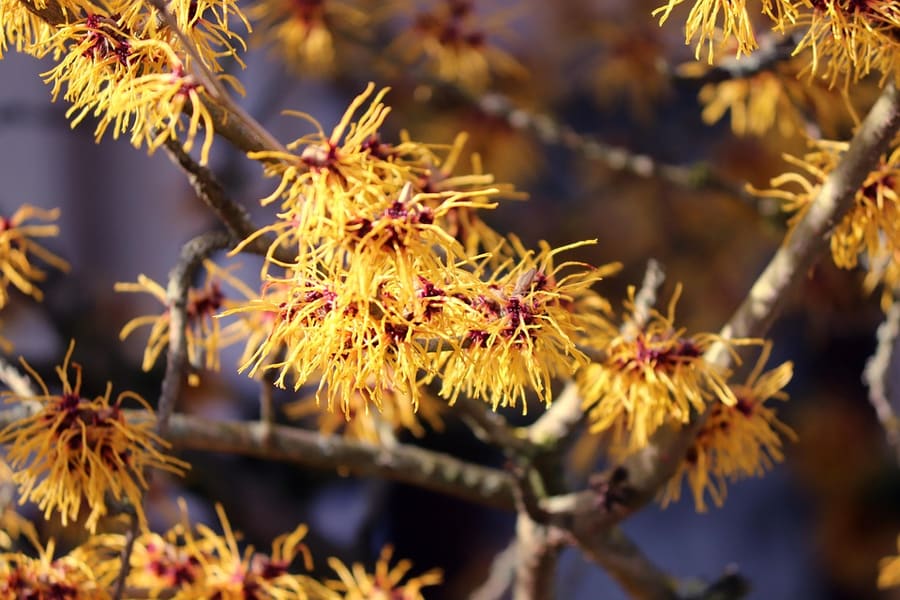
- Witch Hazel (Hamamelis virginiana)
Witch hazel (Hamamelis virginiana) is a small deciduous tree or shrub, often up to 16 ft (5 m), producing coarsely toothed leaves and distinct, ribbonlike yellow flowers in autumn or winter. Its bark and leaves are highly astringent, making witch hazel widely used for skin, varicose veins, and hemorrhoids.
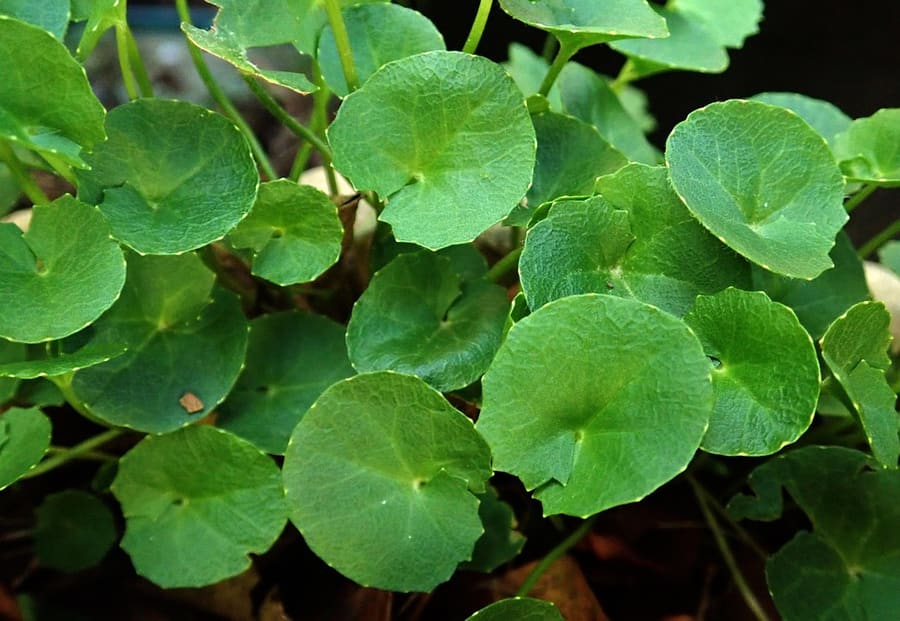
- Gotu Kola (Centella asiatica)
Gotu kola (Centella asiatica), also known as Hydrocotyle asiatica, is a creeping perennial reaching up to about 20 in (50 cm). It sports fan-shaped leaves, often used in salads across parts of India. Traditionally prized for promoting wound healing and improving nervous system function, it is considered both a cleansing herb for the skin and a reviving tonic for cognitive and nervous issues.
- Bitter Melon (Momordica charantia)
Bitter melon is an annual climbing vine reaching about 6.5 feet, characterized by deeply lobed leaves, yellow flowers, and distinctive orange-yellow fruit. Native to southern Asia and now common throughout tropical regions worldwide, it is harvested year-round. The plant's unripe fruit, ripe fruit, leaves, seeds, and seed oil all have medicinal applications, and it has been a traditional remedy for diabetes symptoms in Asia, Africa, and the Caribbean for centuries.
- Lungwort (Pulmonaria officinalis)
Lungwort is a perennial herb growing to 1 foot with broad oval basal leaves, smaller upper leaves mottled with white spots, and clusters of pink-purple flowers. Native to Europe and the Caucasus, it flourishes in mountain pastures and damp sites. The leaves are gathered in late spring. According to the medieval Doctrine of Signatures, which held that a plant's appearance pointed to the ailment it treated, lungwort was effective for chest ailments because its leaves were said to resemble lung tissue. This folk belief, while not scientifically founded, turned out to have merit—the herb is indeed valuable for respiratory conditions.
- Papaya Leaf (Carica papaya)
Papaya is a fast-growing tropical tree that can reach up to 26 feet in height, producing large fruits weighing up to 11 pounds. Originally native to tropical America, papaya has been widely cultivated in tropical regions throughout the world. The plant has been used in traditional Mayan medicine, and the leaves are still employed as a meat tenderizer in tropical Latin America due to their protein-dissolving enzymes.