
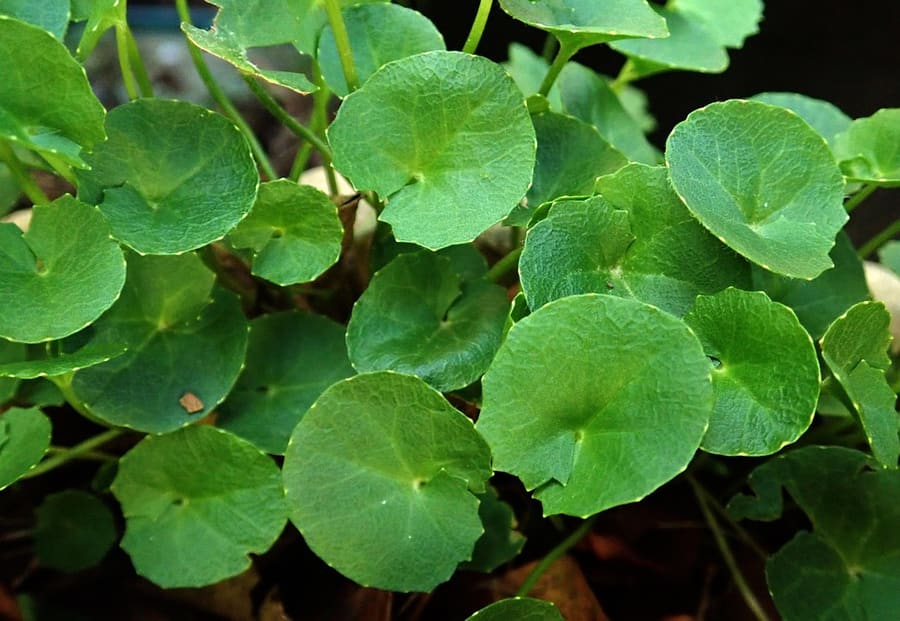
Gotu Kola (Centella asiatica)
Photo: Pixabay
- Mental
- 2 conditions
- Licensed photo
Overview
Gotu kola (Centella asiatica), also known as Hydrocotyle asiatica, is a creeping perennial reaching up to about 20 in (50 cm). It sports fan-shaped leaves, often used in salads across parts of India. Traditionally prized for promoting wound healing and improving nervous system function, it is considered both a cleansing herb for the skin and a reviving tonic for cognitive and nervous issues.
Traditional uses & properties
Wound-Healing & Anti-Inflammatory: Speeds collagen formation, helpful for ulcers, skin injuries, and varicose veins. Adaptogen & Cerebral Tonic: Supports memory, reduces anxiety, and may help in degenerative brain conditions. Peripheral Vasodilator: Aids in venous insufficiency, which includes leg swelling and varicose veins. Digestive Tonic & Anti-Arthritic: In India, used for serious skin problems and arthritis; believed to rejuvenate digestive and nervous systems.
Traditional preparations
Traditional texts describe the preparations below, and where those texts give specific amounts, the amounts are quoted here as part of that record. This is a record of historical practice, not a dosage recommendation - the figures are what the sources say, not what HerbMate tells you to take. Amounts, potency, and safe use vary enormously by preparation, plant part, and person.
Take tablets or ½ tsp tincture twice a day.
Can be applied topically to assist with wound healing.
Safety & precautions
High Doses & Sunlight: May cause dizziness or photosensitivity in some individuals. Blood-Thinning Medications: Exercise caution due to potential interactions. Pregnancy & Lactation: Animal studies indicate safety, but some sources advise caution.
Drug & food interactions
Interaction data is not available for this herb - talk to a pharmacist before combining it with any medication. A blank entry here means we have not documented interactions, not that none exist.
Habitat
Native to India and the southern U.S., gotu kola also thrives in tropical and subtropical parts of Australia, southern Africa, and South America, typically in marshy or riverbank environments. It is often gathered wild, though it can be cultivated from seed in spring. The aerial parts are harvested year-round.
Traditionally used for
Each condition shows its first 2 remedies free. Premium opens the full remedy list for every condition - or come back for the free Condition of the Day.
Frequently asked questions
What is Gotu Kola (Centella asiatica) traditionally used for?
Traditional sources describe Gotu Kola (Centella asiatica) as follows: Wound-Healing & Anti-Inflammatory: Speeds collagen formation, helpful for ulcers, skin injuries, and varicose veins. Adaptogen & Cerebral Tonic: Supports memory, reduces anxiety, and may help in degenerative brain conditions. Peripheral Vasodilator: Aids in venous insufficiency, which includes leg swelling and varicose veins. Digestive Tonic & Anti-Arthritic: In India, used for serious skin problems and arthritis; believed to rejuvenate digestive and nervous systems.
How is Gotu Kola (Centella asiatica) prepared?
Traditional texts describe the preparations below, and where those texts give specific amounts, the amounts are quoted here as part of that record. This is a record of historical practice, not a dosage recommendation - the figures are what the sources say, not what HerbMate tells you to take. Amounts, potency, and safe use vary enormously by preparation, plant part, and person. Memory Support: Take tablets or ½ tsp tincture twice a day. Wound Healing: Can be applied topically to assist with wound healing.
What safety cautions apply to Gotu Kola (Centella asiatica)?
High Doses & Sunlight: May cause dizziness or photosensitivity in some individuals. Blood-Thinning Medications: Exercise caution due to potential interactions. Pregnancy & Lactation: Animal studies indicate safety, but some sources advise caution.
Related herbs
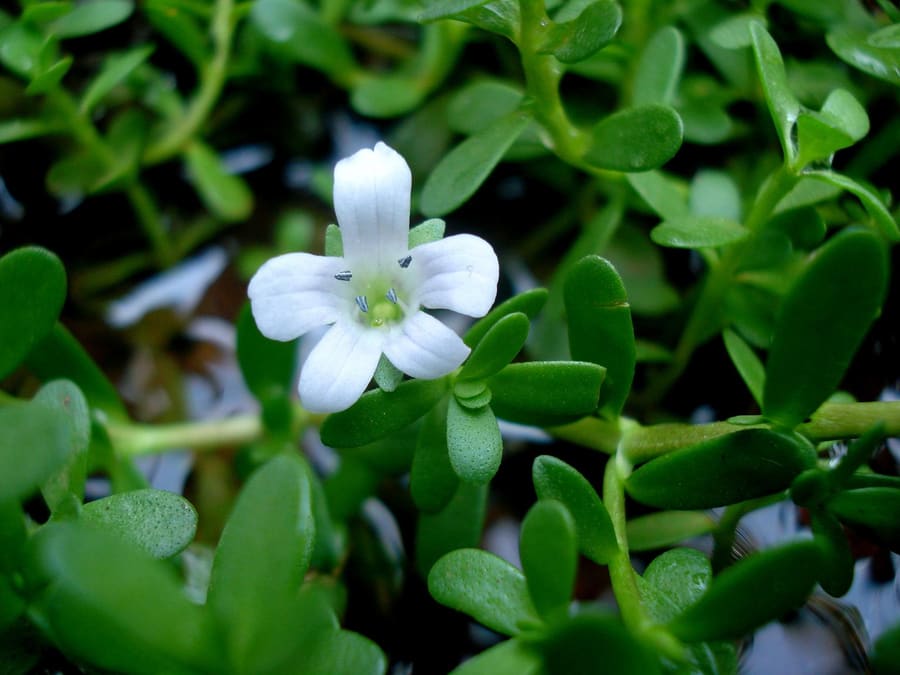 Bacopa (Bacopa monnieri)
Bacopa, also known as Water Hyssop or Brahmi, is a creeping succulent perennial that can grow to about 20 inches. It features spatula-shaped fleshy leaves and pale blue or white flowers on slender stalks. Thriving in marshlands and along the edges of mangrove swamps in warmer temperate and tropical climates - especially southern Asia - it develops into dense mats on mudflats. This herb has been a cornerstone of Ayurvedic medicine for supporting cognitive function and treating various nervous system disorders, and it is increasingly recognized in Western herbalism for its brain-enhancing properties.
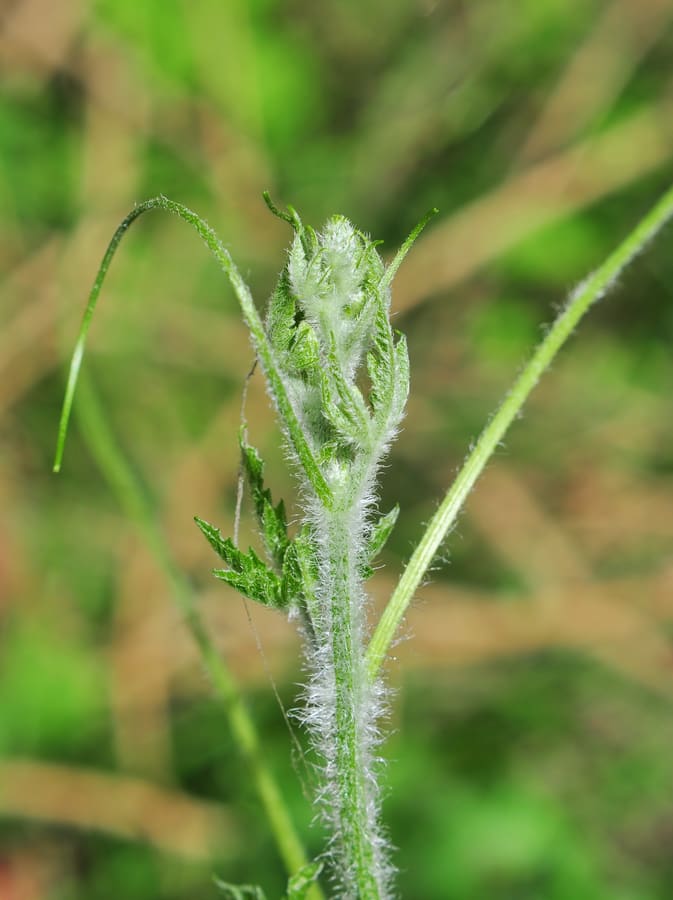 Bitter Melon (Momordica charantia)
Bitter melon is an annual climbing vine reaching about 6.5 feet, characterized by deeply lobed leaves, yellow flowers, and distinctive orange-yellow fruit. Native to southern Asia and now common throughout tropical regions worldwide, it is harvested year-round. The plant's unripe fruit, ripe fruit, leaves, seeds, and seed oil all have medicinal applications, and it has been a traditional remedy for diabetes symptoms in Asia, Africa, and the Caribbean for centuries.
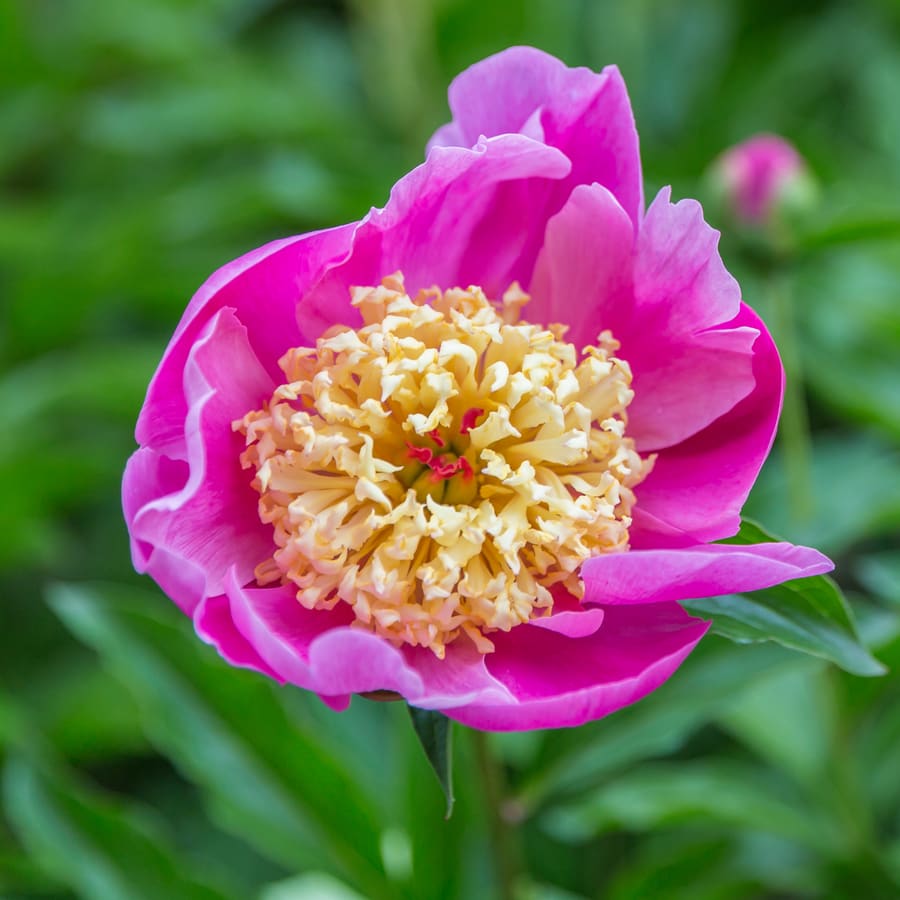 Chinese Peony / White Peony (Paeonia lactiflora)
White peony is an upright perennial growing to 6.5 feet with large white flowers and divided, dark green leaves. Its history of medicinal use in China stretches back at least 1,500 years, most notably as one of the herbs in 'Four Things Soup,' a renowned female tonic. Traditionally, it is believed that women who take the herb regularly become as radiant as the flower itself. The plant is cultivated throughout northeastern China and Inner Mongolia, propagated from seed in spring or from root cuttings in winter. The root of 4- or 5-year-old plants is harvested in spring or autumn and valued as a hormonal tonic.
 Ginkgo (Ginkgo biloba)
Ginkgo (Ginkgo biloba) is a distinctive, long-lived deciduous tree that can grow up to about 100 ft (30 m). It has fan-shaped leaves with radiating veins, often turning bright yellow in autumn. Ginkgo is widely revered for its benefits to circulation, especially in the brain, where it can help improve memory, concentration, and support cognitive function.
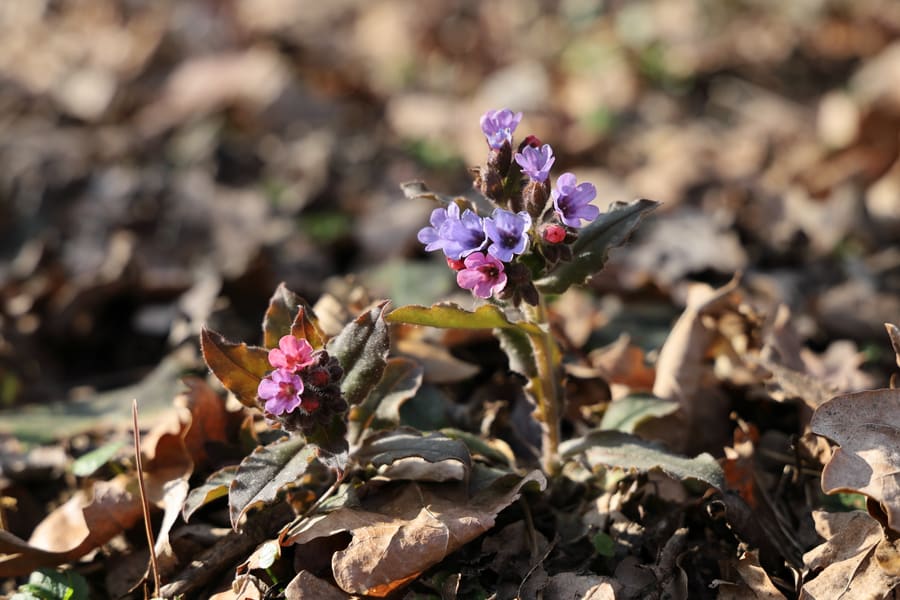 Lungwort (Pulmonaria officinalis)
Lungwort is a perennial herb growing to 1 foot with broad oval basal leaves, smaller upper leaves mottled with white spots, and clusters of pink-purple flowers. Native to Europe and the Caucasus, it flourishes in mountain pastures and damp sites. The leaves are gathered in late spring. According to the medieval Doctrine of Signatures, which held that a plant's appearance pointed to the ailment it treated, lungwort was effective for chest ailments because its leaves were said to resemble lung tissue. This folk belief, while not scientifically founded, turned out to have merit - the herb is indeed valuable for respiratory conditions.
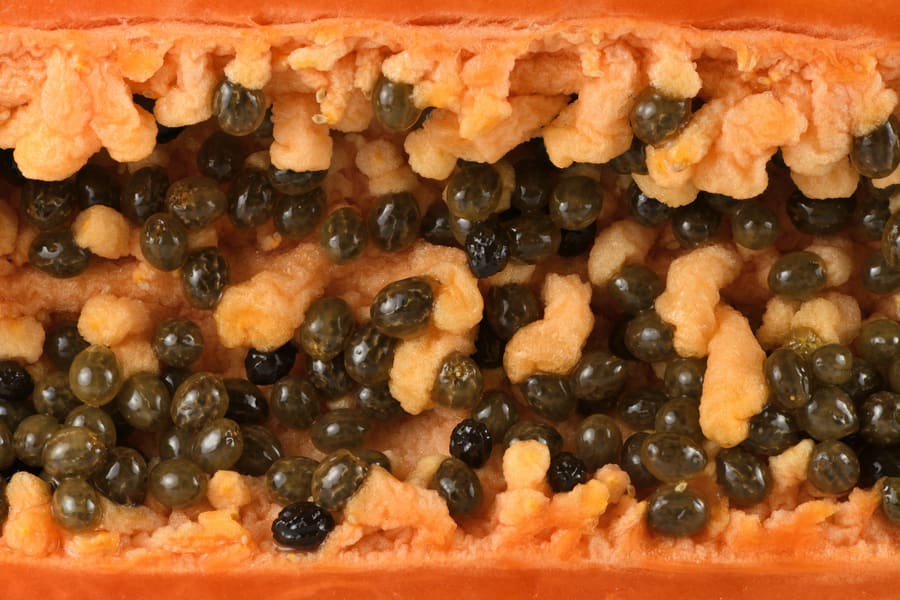 Papaya Leaf (Carica papaya)
Papaya is a fast-growing tropical tree that can reach up to 26 feet in height, producing large fruits weighing up to 11 pounds. Originally native to tropical America, papaya has been widely cultivated in tropical regions throughout the world. The plant has been used in traditional Mayan medicine, and the leaves are still employed as a meat tenderizer in tropical Latin America due to their protein-dissolving enzymes.
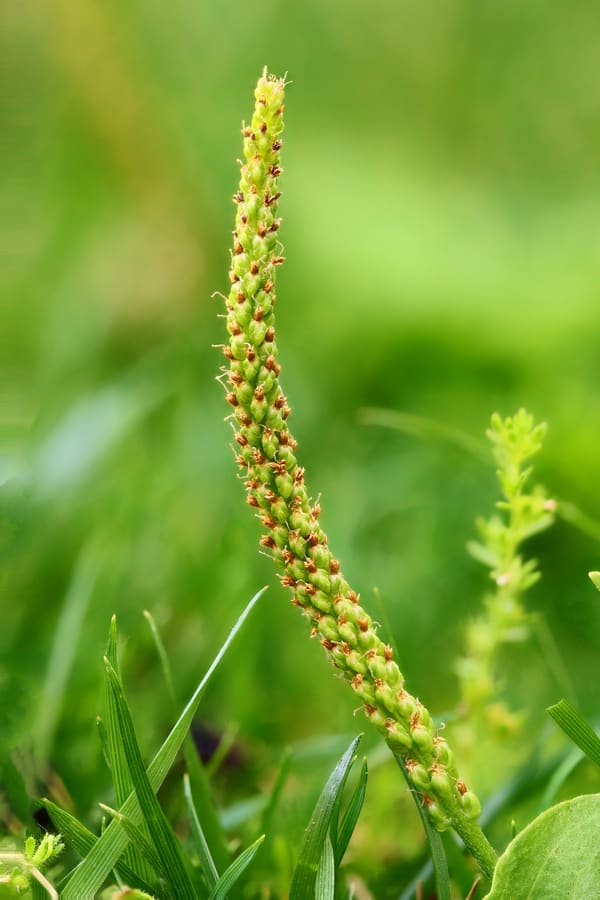 Plantain (Plantago major)
Common plantain (Plantago major) is a low-growing perennial reaching up to about 10 in (25 cm), forming a rosette of broad, ribbed leaves and spikes of tiny green flowers. Often regarded as a garden weed, plantain’s leaves are rich in iridoids, flavonoids, mucilage, and tannins, making them potent for wound care and internal soothing of mucous membranes.
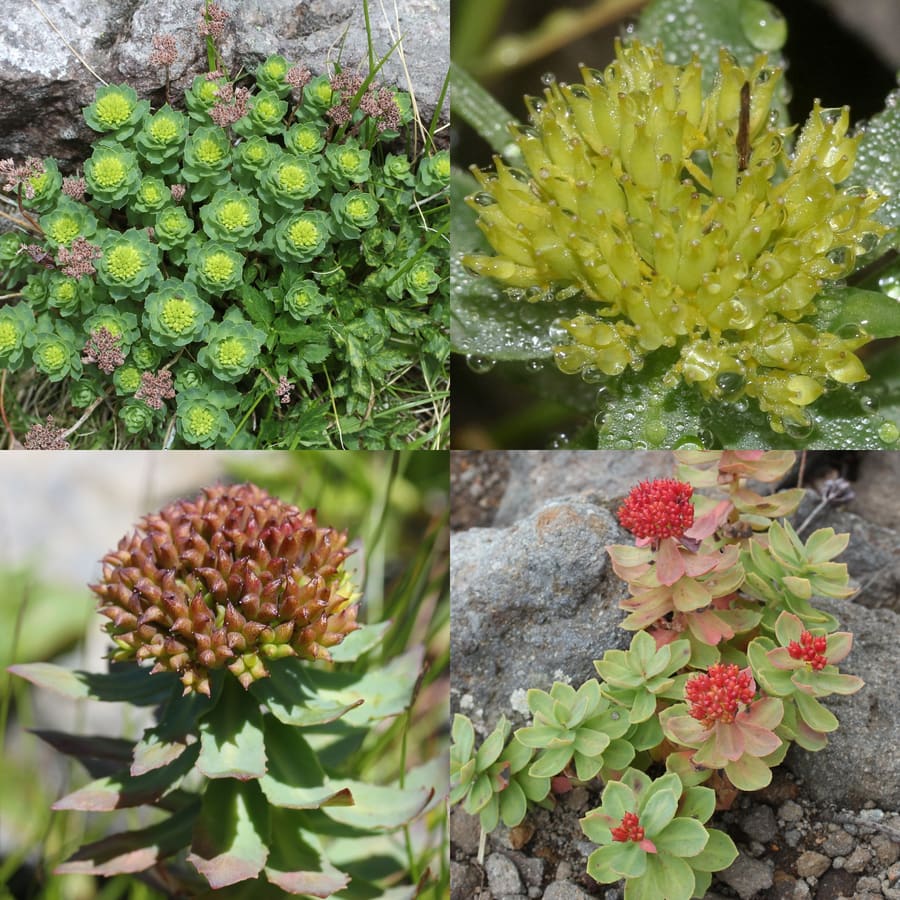 Rhodiola (Rhodiola rosea)
Rhodiola (Rhodiola rosea) is a fleshy perennial (up to about 16 in / 40 cm tall) thriving in mountainous and Arctic regions. Its rose-scented roots contain adaptogenic compounds that help the body cope with various stressors, enhance mental clarity, and reduce fatigue, mild depression, and nervous exhaustion.