
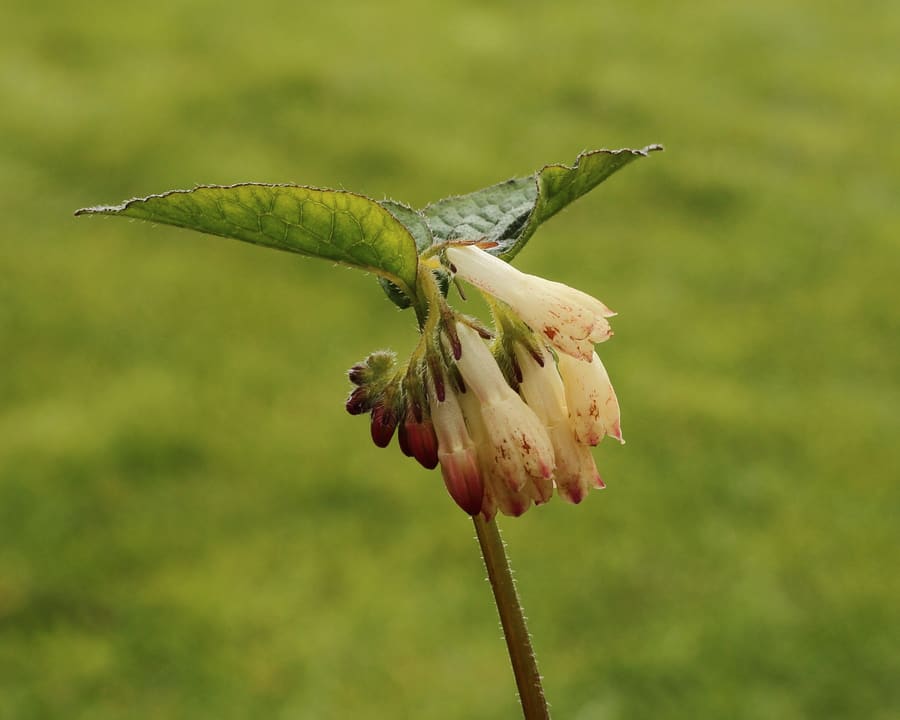
Comfrey (Symphytum officinale)
Photo: Dominicus Johannes Bergsma · CC BY-SA 3.0
- Skeletal
- 1 condition
- Licensed photo
Overview
Comfrey (Symphytum officinale) is a perennial growing to about 3 ft (1 m), with thick leaves and bell-shaped flowers ranging from white to pink or mauve. Often called “knitbone,” comfrey has been used for centuries to heal fractures, sprains, and other injuries. Its high allantoin content stimulates cell proliferation, supporting rapid tissue repair. While prized in compresses, poultices, and salves for external use, concerns over pyrrolizidine alkaloids (PAs) have led most herbalists to avoid prolonged internal consumption.
Traditional uses & properties
Emollient & Vulnerary: Moisturizes and accelerates the healing of skin and soft tissues. Cooling & Slightly Astringent: Soothes inflammation, reduces swelling, and aids in injuries like sprains, strains, and bruises. Cell-Proliferant (Allantoin): Encourages the growth of new, healthy tissue in wounds and fractures.
Traditional preparations
Preparation amounts are not shown for this herb. It is toxic, restricted, or otherwise unsafe to self-dose - the margin between a traditional dose and a harmful one is too small to publish as reference material. If you are considering it, that conversation belongs with a doctor or a qualified practitioner, not a website.
Safety & precautions
Topical vs. Internal Use: External application is considered safe. Internal use, especially of the root, is controversial due to potential liver toxicity from PAs. Avoid: Not recommended during pregnancy or breastfeeding, in cancer or tumor states, or if there is a history of liver problems. Rapid Healing: Comfrey speeds tissue repair so effectively that it should not be used on unclean or deep wounds, as it can seal in bacteria or debris.
Drug & food interactions
Interaction data is not available for this herb - talk to a pharmacist before combining it with any medication. A blank entry here means we have not documented interactions, not that none exist.
Habitat
Native to Europe and now found worldwide in temperate zones, comfrey favors moist, marshy locations. It is grown from seed or root divisions. Leaves and flowering tops are harvested in summer; roots in autumn, as allantoin levels peak.
Traditionally used for
Each condition shows its first 2 remedies free. Premium opens the full remedy list for every condition - or come back for the free Condition of the Day.
Frequently asked questions
What is Comfrey (Symphytum officinale) traditionally used for?
Traditional sources describe Comfrey (Symphytum officinale) as follows: Emollient & Vulnerary: Moisturizes and accelerates the healing of skin and soft tissues. Cooling & Slightly Astringent: Soothes inflammation, reduces swelling, and aids in injuries like sprains, strains, and bruises. Cell-Proliferant (Allantoin): Encourages the growth of new, healthy tissue in wounds and fractures.
How is Comfrey (Symphytum officinale) prepared?
Preparation amounts are not shown for this herb. It is toxic, restricted, or otherwise unsafe to self-dose - the margin between a traditional dose and a harmful one is too small to publish as reference material. If you are considering it, that conversation belongs with a doctor or a qualified practitioner, not a website.
What safety cautions apply to Comfrey (Symphytum officinale)?
Topical vs. Internal Use: External application is considered safe. Internal use, especially of the root, is controversial due to potential liver toxicity from PAs. Avoid: Not recommended during pregnancy or breastfeeding, in cancer or tumor states, or if there is a history of liver problems. Rapid Healing: Comfrey speeds tissue repair so effectively that it should not be used on unclean or deep wounds, as it can seal in bacteria or debris.
Related herbs
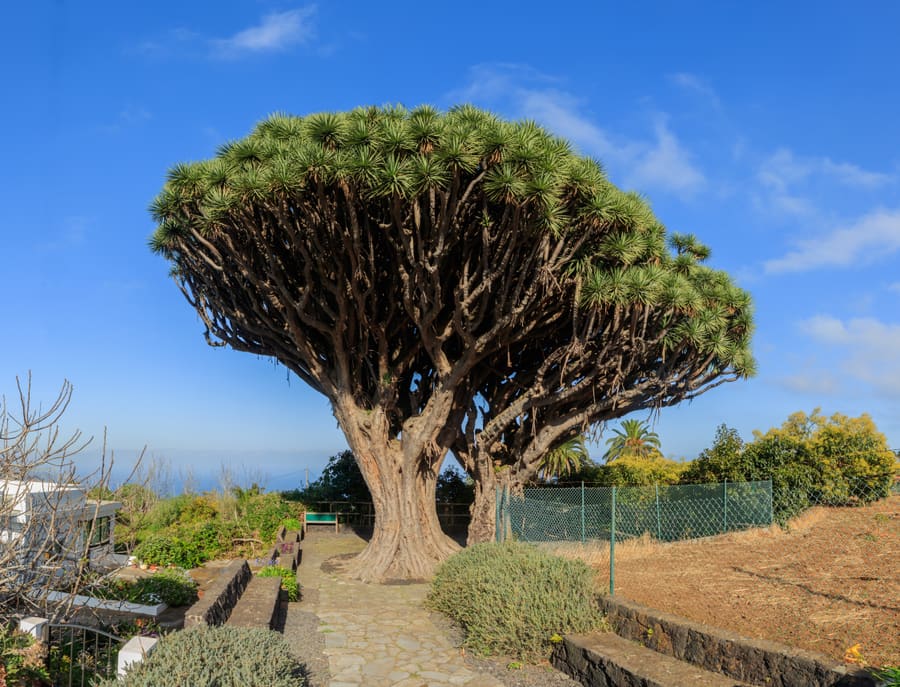 Dragon's Blood (Dracaena draco)
Dragon’s blood derives its name from the deep red sap or latex that oozes from the tree when the bark is cut. A prized rainforest medicine, the latex is applied to wounds, fractures, skin infections, and insect bites. Internally, it is taken to treat diarrhea and dysentery, stomach ulcers, viral infections, and as a vaginal bath before and following childbirth.
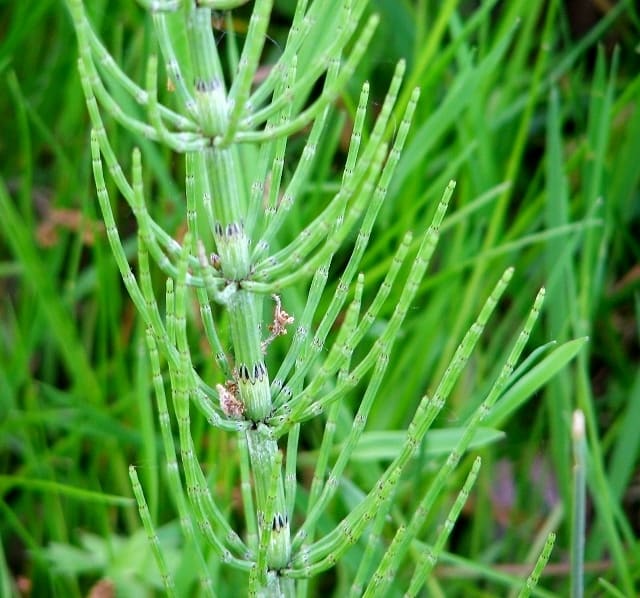 Horsetail (Equisetum arvense)
Horsetail (Equisetum arvense) is a primitive perennial plant with hollow, segmented stems - first producing spore-bearing yellowish fruiting stems in spring, then green, needle-like sterile stems reaching about 2 ft (60 cm). Rich in silica, it is valued for aiding connective tissue, bone, hair, and nail health, as well as for its mild diuretic and astringent qualities.