
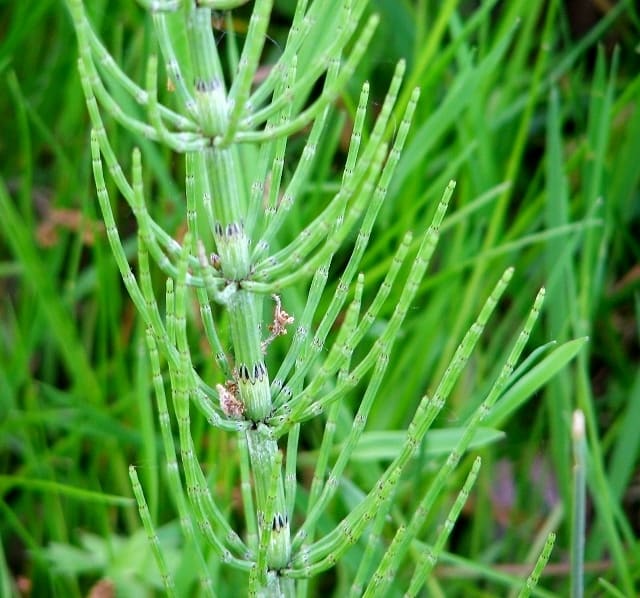
Horsetail (Equisetum arvense)
Photo: © geograph.org.uk contributor · CC BY-SA 2.0
- Skeletal
- 1 condition
- Licensed photo
Overview
Horsetail (Equisetum arvense) is a primitive perennial plant with hollow, segmented stems - first producing spore-bearing yellowish fruiting stems in spring, then green, needle-like sterile stems reaching about 2 ft (60 cm). Rich in silica, it is valued for aiding connective tissue, bone, hair, and nail health, as well as for its mild diuretic and astringent qualities.
Traditional uses & properties
Mineral-Rich & Connective Tissue Support: High in silica, strengthening bones, hair, nails, and skin. Diuretic & Hemostatic: Helps flush out excess fluid and can control minor bleeding (e.g., blood in urine). Astringent & Vulnerary: Encourages wound healing and tissue repair; a decoction in baths or compresses soothes slow-healing sprains or fractures. Kidney & Bladder Aid: Mildly assists in kidney stone prevention, UTIs, and incontinence support due to antiseptic and diuretic properties.
Traditional preparations
Traditional texts describe the preparations below, and where those texts give specific amounts, the amounts are quoted here as part of that record. This is a record of historical practice, not a dosage recommendation - the figures are what the sources say, not what HerbMate tells you to take. Amounts, potency, and safe use vary enormously by preparation, plant part, and person.
Horsetail can help internally to heal broken bones. Make an infusion and drink 4-8 ounces 3 times daily.
Make an infusion and drink 4-8 ounces 3 times daily.
Safety & precautions
Long-Term Use: Can deplete vitamin B1 (thiamine), so combining with a B-vitamin supplement is advised if taken for extended periods. Children: The powdered herb is not recommended, though a weak tea can be safe in mild cases. General: Large amounts or prolonged usage should be monitored by a healthcare professional.
Drug & food interactions
An isolated case of lithium toxicity has been reported in a patient who took a herbal diuretic containing horsetail among other ingredients
- Herbal medicines
- No interactions found.
- Food
- No interactions found.
These entries keep the wording of the reference they come from, and three phrases mean three different things. "No interactions found" means the source looked for reports of that pairing and found none. "No data found" means nothing has been published either way. "Based on experimental evidence only" means the effect has been seen in a laboratory or animal study but not in people - a reason for caution, not a report of harm.
Habitat
Found across Europe, North Africa, northern Asia, and the Americas, horsetail typically grows in damp soils, near marshes and along riverbanks. The sterile stems are harvested in summer, carefully dried, discarding discolored parts.
Traditionally used for
Each condition shows its first 2 remedies free. Premium opens the full remedy list for every condition - or come back for the free Condition of the Day.
Frequently asked questions
What is Horsetail (Equisetum arvense) traditionally used for?
Traditional sources describe Horsetail (Equisetum arvense) as follows: Mineral-Rich & Connective Tissue Support: High in silica, strengthening bones, hair, nails, and skin. Diuretic & Hemostatic: Helps flush out excess fluid and can control minor bleeding (e.g., blood in urine). Astringent & Vulnerary: Encourages wound healing and tissue repair; a decoction in baths or compresses soothes slow-healing sprains or fractures. Kidney & Bladder Aid: Mildly assists in kidney stone prevention, UTIs, and incontinence support due to antiseptic and diuretic properties.
How is Horsetail (Equisetum arvense) prepared?
Traditional texts describe the preparations below, and where those texts give specific amounts, the amounts are quoted here as part of that record. This is a record of historical practice, not a dosage recommendation - the figures are what the sources say, not what HerbMate tells you to take. Amounts, potency, and safe use vary enormously by preparation, plant part, and person. Bone Fractures: Horsetail can help internally to heal broken bones. Make an infusion and drink 4-8 ounces 3 times daily. Osteoporosis: Make an infusion and drink 4-8 ounces 3 times daily.
What safety cautions apply to Horsetail (Equisetum arvense)?
Long-Term Use: Can deplete vitamin B1 (thiamine), so combining with a B-vitamin supplement is advised if taken for extended periods. Children: The powdered herb is not recommended, though a weak tea can be safe in mild cases. General: Large amounts or prolonged usage should be monitored by a healthcare professional.
Related herbs
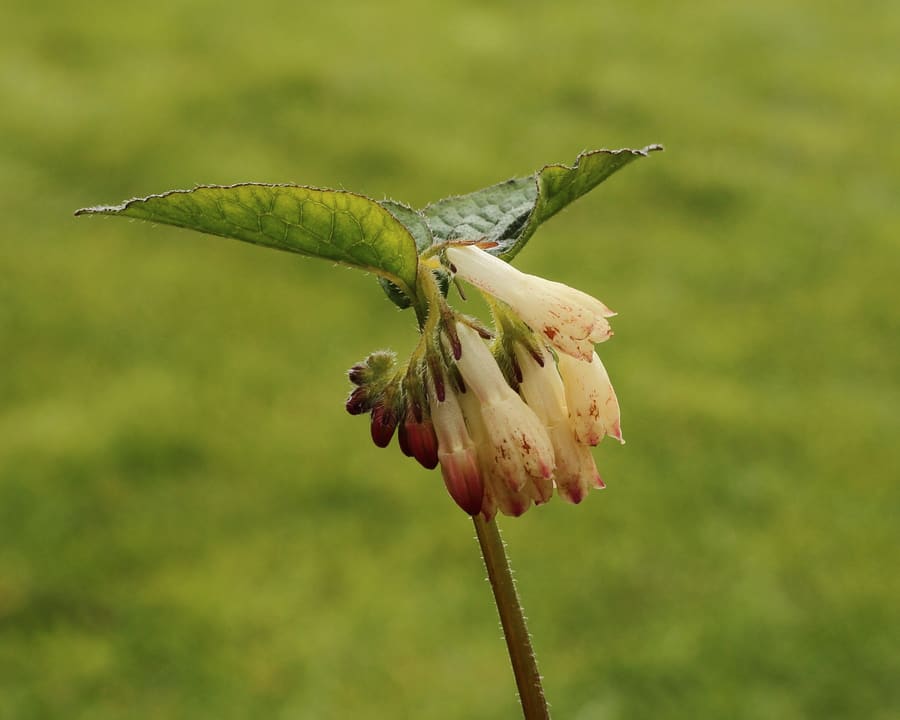 Comfrey (Symphytum officinale)Not for self-dosing
Comfrey (Symphytum officinale) is a perennial growing to about 3 ft (1 m), with thick leaves and bell-shaped flowers ranging from white to pink or mauve. Often called “knitbone,” comfrey has been used for centuries to heal fractures, sprains, and other injuries. Its high allantoin content stimulates cell proliferation, supporting rapid tissue repair. While prized in compresses, poultices, and salves for external use, concerns over pyrrolizidine alkaloids (PAs) have led most herbalists to avoid prolonged internal consumption.
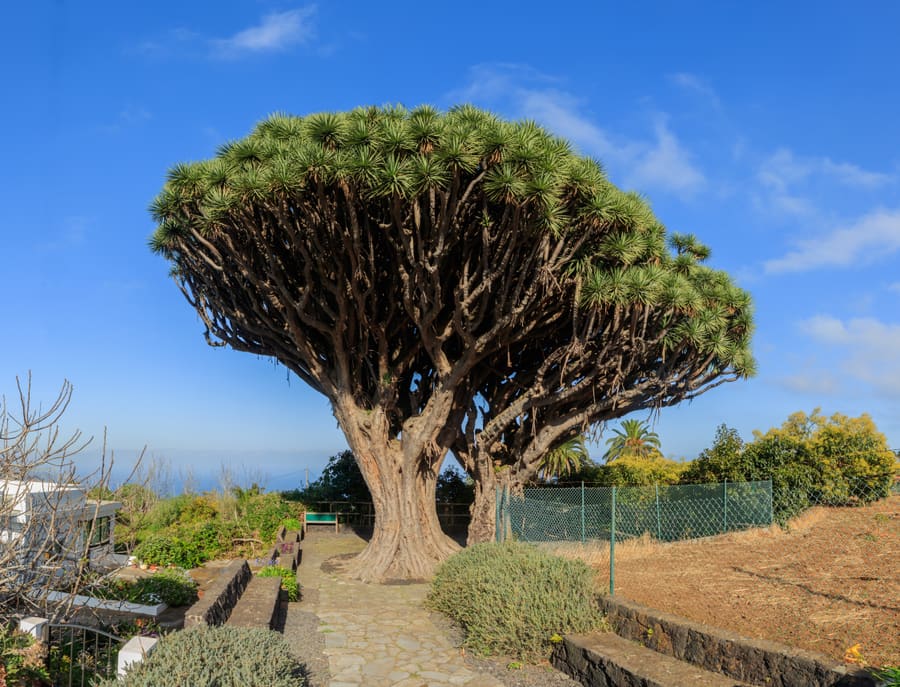 Dragon's Blood (Dracaena draco)
Dragon’s blood derives its name from the deep red sap or latex that oozes from the tree when the bark is cut. A prized rainforest medicine, the latex is applied to wounds, fractures, skin infections, and insect bites. Internally, it is taken to treat diarrhea and dysentery, stomach ulcers, viral infections, and as a vaginal bath before and following childbirth.