
Herbs for Allergies
5 herbs traditionally used for this condition.
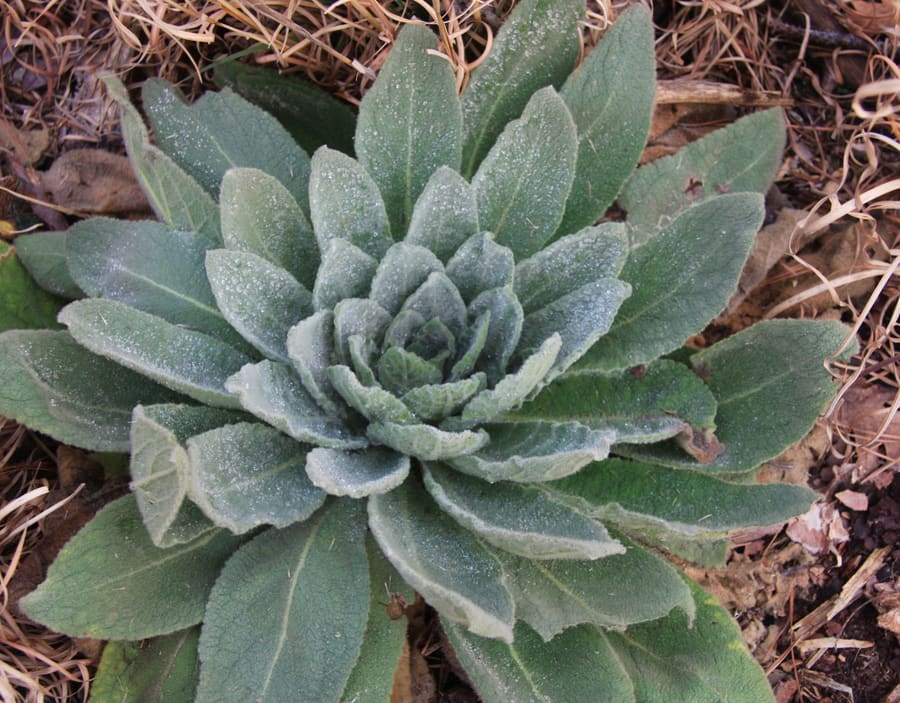
- Mullein (Verbascum thapsus)
Mullein (Verbascum thapsus) is an upright biennial reaching up to about 6½ ft (2 m), with distinctive gray-green, oval to lance-shaped leaves that are softly hairy, and tall spikes of bright yellow flowers. Leaves and flowers both contain saponins that assist in loosening mucus, making mullein especially beneficial for respiratory conditions such as asthma, COPD, dry coughs, and congestion. Mullein root is specifically valued for lower back pain and inflammation.
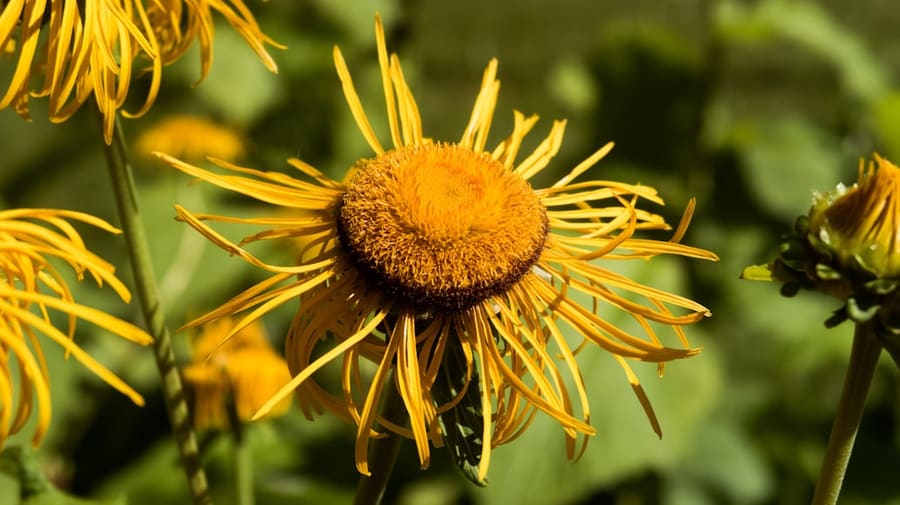
- Elecampane (Inula helenium)
Elecampane (Inula helenium), a perennial reaching up to 10 ft (3 m), produces bright, yellow daisy-like flowers and broad, pointed leaves. Revered since Roman times, it was linked to Helen of Troy in Greek legend. The root is gently warming, especially valuable for chronic respiratory irritation or infection, as it soothes bronchial linings and encourages phlegm expulsion. It also contains inulin, a prebiotic supporting healthy gut flora.
- Hyssop (Hyssopus officinalis)
Hyssop (Hyssopus officinalis) is a semi-evergreen shrub growing up to about 2 ft (60 cm), with narrow leaves and clusters of bright blue, two-lipped flowers. Known since ancient times as a “cure-all” for respiratory ailments, it clears congested phlegm and supports recovery from infections. Hyssop also has antiseptic qualities beneficial for cuts, abrasions, and insect bites.
- Coltsfoot (Tussilago farfara)
Coltsfoot is a perennial herb growing to 12 inches with flowering stems covered in purple scales, yellow-gold flowers, and heart-shaped leaves. Indigenous to Europe and northern Asia and naturalized in North America, it is commonly found along roadsides, on verges, and in open areas. The flowers are gathered in late winter, and the leaves in summer. For at least 2,500 years, coltsfoot has been taken as a cough remedy and smoked to ease breathing. The Greek physician Dioscorides in the 1st century CE recommended it for dry coughs and 'for those who are unable to breathe except standing upright.'
- Goldenrod (Solidago virgaurea)
Goldenrod is a perennial plant growing to 28 inches with toothed leaves and branched spikes of golden-yellow flowers. Native to Europe and Asia and naturalized in North America, it prefers open areas and hillsides and is gathered in summer while in flower. The herbalist John Gerard commented wryly in 1597 about how goldenrod's value plummeted once it was discovered growing locally in Hampstead wood, London, noting society's tendency to esteem things only while they remain rare and foreign. Four hundred years later, this observation still rings true, though the herb's genuine therapeutic value remains unchanged.