
Herbs for Ringworm
3 herbs traditionally used for this condition.
- Calendula (Calendula officinalis)
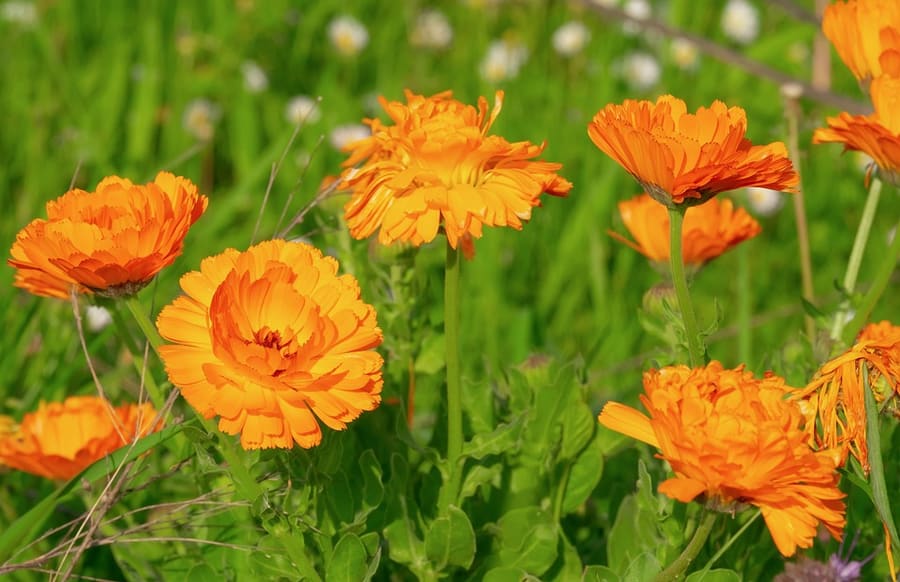
Calendula (Calendula officinalis), with its bright orange daisy-like flowers, is among the most versatile herbs in Western herbal medicine. Its petals contain antiseptic, anti-inflammatory, and vulnerary properties, making it excellent for speeding tissue repair in wounds, burns, bruises, and various skin irritations. Calendula is also used internally for gastrointestinal inflammation (e.g., Crohn’s disease, colitis, gastritis).
- Thuja (Thuja occidentalis)
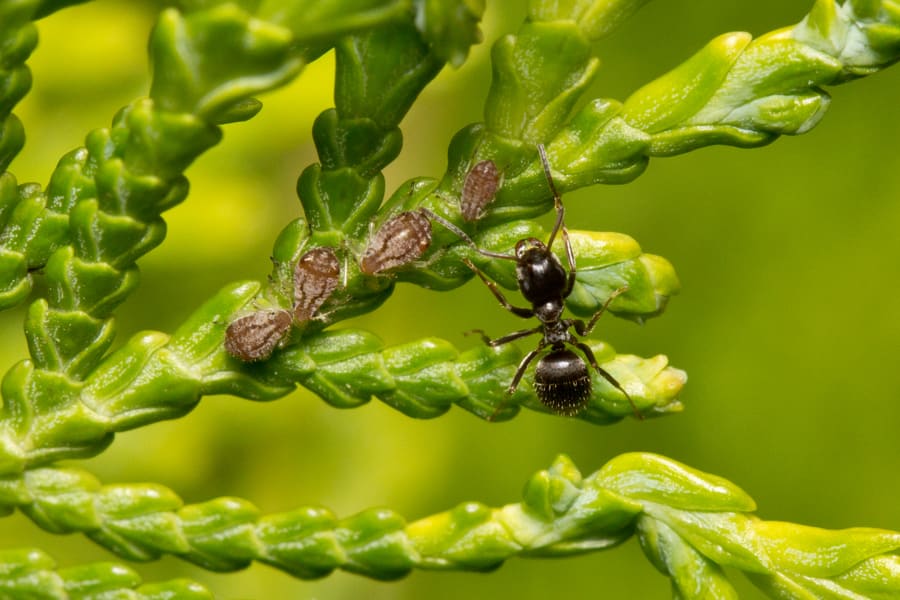
Thuja (Thuja occidentalis), also called Arborvitae or white cedar, is a coniferous evergreen tree reaching about 33 ft (10 m). Known for potent antiviral, antifungal, and antiparasitic effects, its scale-like leaves (collected in summer) carry a distinct scent due to their volatile oil content (rich in thujone).
- Pau d'Arco (Tabebuia impetiginosa)
Pau d'arco is an evergreen tree that can reach 100 feet in height, producing pink flowers. The bark of this South American tree has been treasured for centuries in traditional medicine for its extensive health benefits. Indigenous peoples including the Incas and the Callawaya valued it as a cure-all. The tree grows in both mountainous terrains high in the Andes and in low-lying areas of Paraguay and Brazil. The prized inner bark is collected from wild-growing trees throughout the year.