
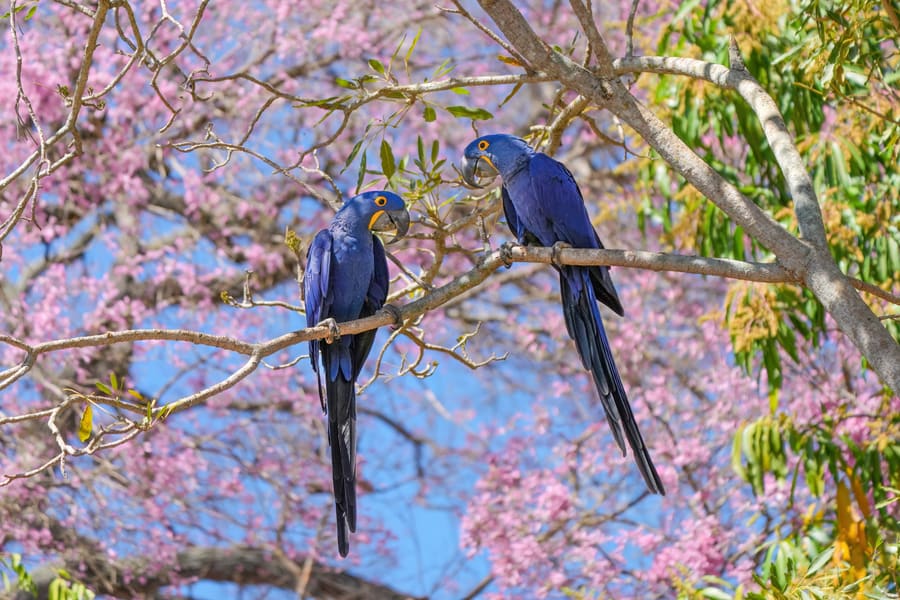
Pau d'Arco (Tabebuia impetiginosa)
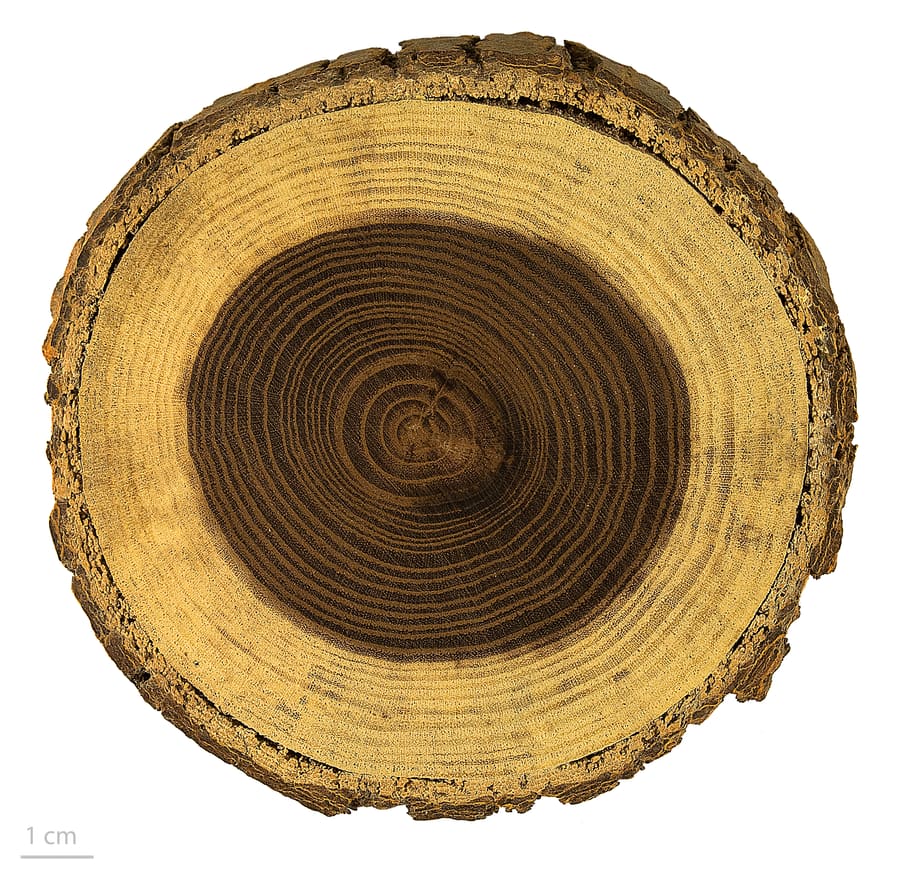
Photo: Giles Laurent · CC BY-SA 4.0
- Digestive
- 7 conditions
- Licensed photo
Overview
Pau d'arco is an evergreen tree that can reach 100 feet in height, producing pink flowers. The bark of this South American tree has been treasured for centuries in traditional medicine for its extensive health benefits. Indigenous peoples including the Incas and the Callawaya valued it as a cure-all. The tree grows in both mountainous terrains high in the Andes and in low-lying areas of Paraguay and Brazil. The prized inner bark is collected from wild-growing trees throughout the year.
Traditional uses & properties
Pau d'arco demonstrates strong antibacterial and antifungal activity, particularly against Staphylococcus aureus, Helicobacter pylori (the main cause of stomach ulcers), and Candida albicans. It serves as a natural antibiotic for bacterial and viral infections, especially affecting the nose, mouth, and throat. The herb is particularly useful for fungal conditions including ringworm, thrush, and chronic candidiasis. It provides anti-inflammatory benefits for digestive issues, cystitis, cervical inflammation, and prostatitis. The herb also demonstrates immunostimulant and antitumor properties, though clinical research on cancer treatment remains limited. It is commonly used for chronic fatigue syndrome.
Traditional preparations
Traditional texts describe the preparations below, and where those texts give specific amounts, the amounts are quoted here as part of that record. This is a record of historical practice, not a dosage recommendation - the figures are what the sources say, not what HerbMate tells you to take. Amounts, potency, and safe use vary enormously by preparation, plant part, and person.
Cold infusion: 4-8 ounces up to 4 times daily. Tincture (dried bark 1:5 in 50% alcohol): 3-8 ml (0.6-1.6 tsp) 3 times daily. Fluid extract (dried bark 1:1 in 50% alcohol): 1-2 ml (0.2-0.4 tsp) up to 4 times daily.
Safety & precautions
If taking anticoagulant medication, use only under professional supervision. Do not take during pregnancy. Avoid if trying to conceive. High doses may cause nausea, vomiting, intestinal discomfort, and anticoagulant effects. Blood clotting disorders are a contraindication.
Drug & food interactions
Interaction data is not available for this herb - talk to a pharmacist before combining it with any medication. A blank entry here means we have not documented interactions, not that none exist.
Habitat
Native to South America, growing in mountainous regions of the Andes in Peru and Argentina, as well as low-lying areas in Paraguay and Brazil. The inner bark is collected from wild trees year-round.
Traditionally used for
- Ulcers15 herbs · 2 free
- Strep Throat10 herbs · 2 free
- Prostate Health6 herbs · 2 free
- Cold and Flu16 herbs · 2 free
- Sinus infection8 herbs · 2 free
- Ringworm3 herbs · 2 free
- Cystitis12 herbs · 2 free
Each condition shows its first 2 remedies free. Premium opens the full remedy list for every condition - or come back for the free Condition of the Day.
Frequently asked questions
What is Pau d'Arco (Tabebuia impetiginosa) traditionally used for?
Traditional sources describe Pau d'Arco (Tabebuia impetiginosa) as follows: Pau d'arco demonstrates strong antibacterial and antifungal activity, particularly against Staphylococcus aureus, Helicobacter pylori (the main cause of stomach ulcers), and Candida albicans. It serves as a natural antibiotic for bacterial and viral infections, especially affecting the nose, mouth, and throat. The herb is particularly useful for fungal conditions including ringworm, thrush, and chronic candidiasis. It provides anti-inflammatory benefits for digestive issues, cystitis, cervical inflammation, and prostatitis. The herb also demonstrates immunostimulant and antitumor properties, though clinical research on cancer treatment remains limited. It is commonly used for chronic fatigue syndrome.
How is Pau d'Arco (Tabebuia impetiginosa) prepared?
Traditional texts describe the preparations below, and where those texts give specific amounts, the amounts are quoted here as part of that record. This is a record of historical practice, not a dosage recommendation - the figures are what the sources say, not what HerbMate tells you to take. Amounts, potency, and safe use vary enormously by preparation, plant part, and person. Cold infusion: 4-8 ounces up to 4 times daily. Tincture (dried bark 1:5 in 50% alcohol): 3-8 ml (0.6-1.6 tsp) 3 times daily. Fluid extract (dried bark 1:1 in 50% alcohol): 1-2 ml (0.2-0.4 tsp) up to 4 times daily.
What safety cautions apply to Pau d'Arco (Tabebuia impetiginosa)?
If taking anticoagulant medication, use only under professional supervision. Do not take during pregnancy. Avoid if trying to conceive. High doses may cause nausea, vomiting, intestinal discomfort, and anticoagulant effects. Blood clotting disorders are a contraindication.
Related herbs
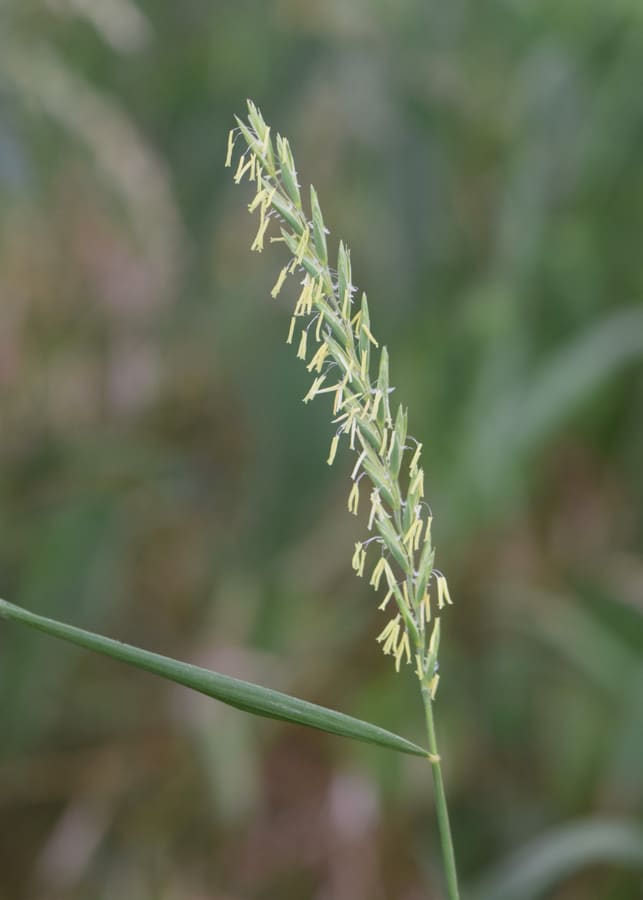 Couch Grass (Elymus repens)
Couch grass is a vigorous perennial growing to 32 inches with a long, creeping rhizome, slender leaves, and erect spikes bearing green flowers aligned in two rows. Found in Europe, the Americas, northern Asia, and Australia, it is an invasive weed harvested throughout the year. In classical times, both Dioscorides (40-90 CE) and Pliny (23-79 CE) recommended couch grass root for poor urine flow and kidney stones. The herbalist John Gerard wrote in 1597 that 'Couch-grasse be an unwelcome guest to fields and gardens, yet his physicke virtues do recompense those hurts; for it openeth the stoppings of the liver and reins [ureters] without heat.' In times of famine, the root was roasted and ground as a substitute for coffee and flour.
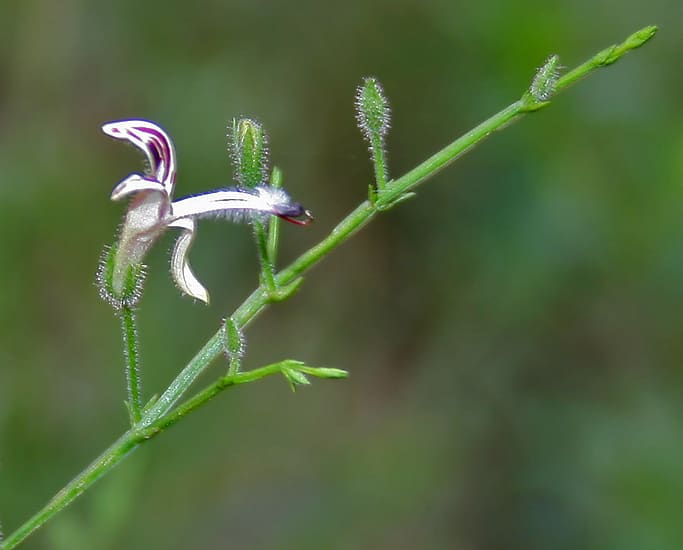 Andrographis (Andrographis paniculata)
Andrographis, commonly known as Green Chiretta or King of Bitters, is an upright annual herb reaching approximately 3 feet in height. Native to India and cultivated throughout northern regions of India and China, this bitter medicinal plant has been valued in Ayurvedic and traditional Chinese medicine for centuries. Historically used primarily for liver support and treating infections - especially malaria - it has earned recognition for its powerful immune-boosting and protective properties. The plant thrives on plains and in forest undergrowth, where its spotted pale brown or purple flowers and long seed capsules distinguish it from other medicinal herbs.
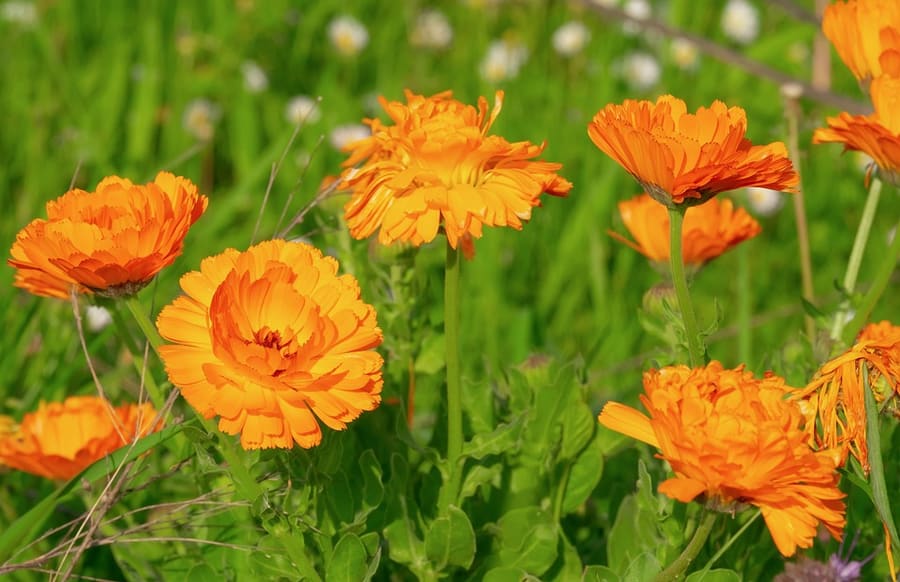 Calendula (Calendula officinalis)
Calendula (Calendula officinalis), with its bright orange daisy-like flowers, is among the most versatile herbs in Western herbal medicine. Its petals contain antiseptic, anti-inflammatory, and vulnerary properties, making it excellent for speeding tissue repair in wounds, burns, bruises, and various skin irritations. Calendula is also used internally for gastrointestinal inflammation (e.g., Crohn’s disease, colitis, gastritis).
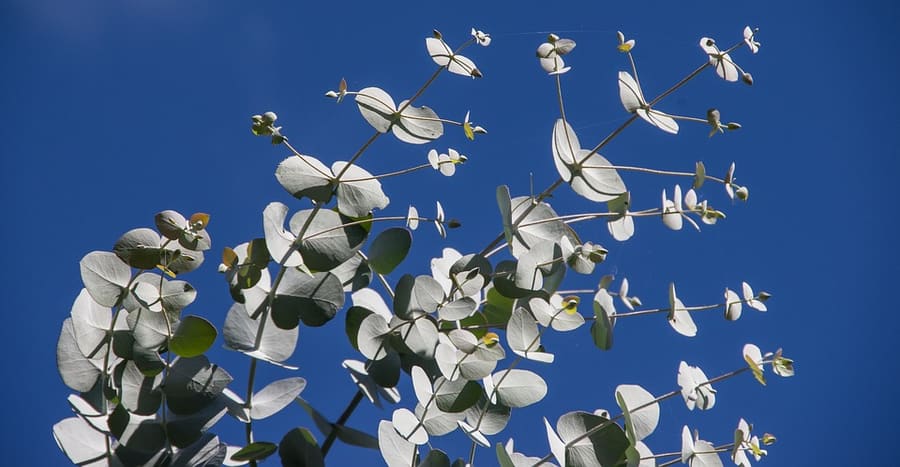 Eucalyptus (Eucalyptus globulus)
Eucalyptus, a traditional Aboriginal remedy, is a powerful antiseptic used all over the world for relieving coughs and colds, sore throats, and other infections. It is warming and stimulating, and for many people its scent conjures up days spent in bed during childhood with eucalyptus and other oils smothered on the chest. Eucalpytus is a common ingredient in many over-the-counter cold remedies.
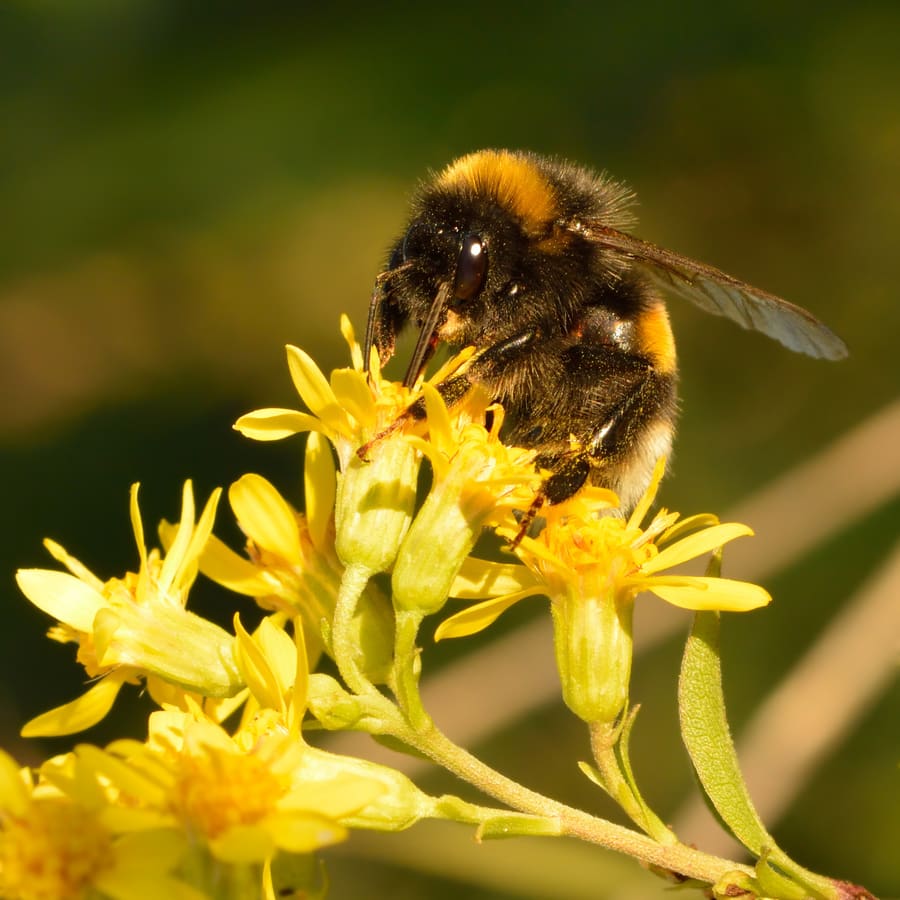 Goldenrod (Solidago virgaurea)
Goldenrod is a perennial plant growing to 28 inches with toothed leaves and branched spikes of golden-yellow flowers. Native to Europe and Asia and naturalized in North America, it prefers open areas and hillsides and is gathered in summer while in flower. The herbalist John Gerard commented wryly in 1597 about how goldenrod's value plummeted once it was discovered growing locally in Hampstead wood, London, noting society's tendency to esteem things only while they remain rare and foreign. Four hundred years later, this observation still rings true, though the herb's genuine therapeutic value remains unchanged.
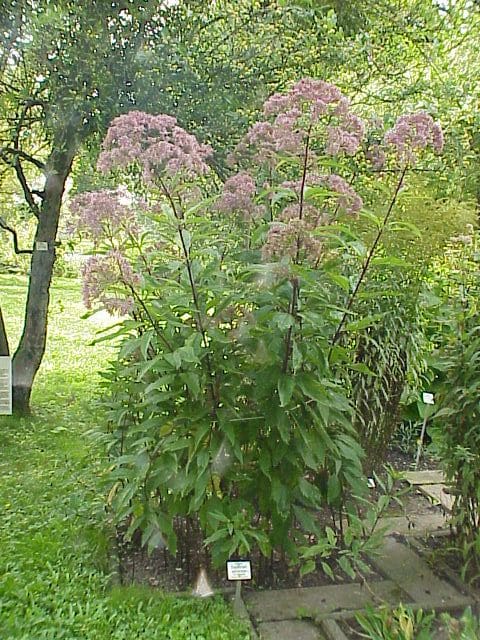 Gravel Root (Eupatorium purpureum)
Gravel root is an erect perennial growing to 5 feet with whorls of pointed oblong leaves and clusters of purple-pink florets. Native to eastern North America, the root is unearthed in autumn. The plant's alternative name, Joe Pye weed, honors the Native American said to have used it to cure New Englanders of typhus. Native Americans valued the herb as a diuretic and remedy for genitourinary conditions, and the root was listed in the Pharmacopoeia of the United States from 1820 to 1842, attesting to its recognized medicinal importance.
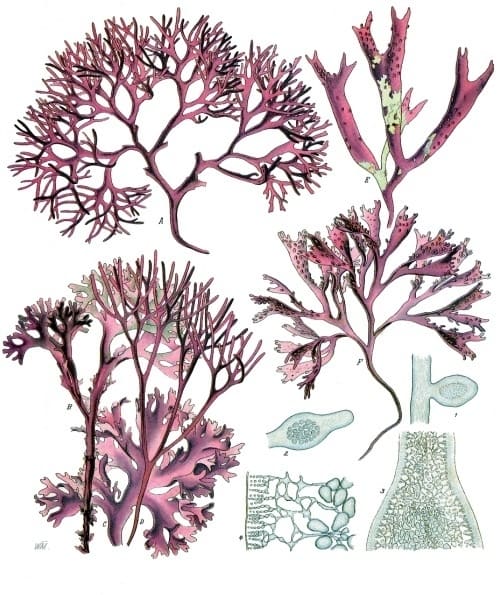 Irish Moss (Chondrus crispus)
Irish moss is a reddish-brown seaweed growing to 10 inches, with a flat, forked plant body and fan-shaped outline. Found on the Atlantic coasts of Europe and North America, it grows just below the waterline, attached to rocks and stones. In summer in North America and in autumn in Ireland, it is pulled up by hand or with a rake at low tide and dried in the sun. This seaweed is used extensively in the food and pharmaceutical industries as an emulsifying and binding agent, appearing in products such as toothpastes. Its polysaccharides become jelly-like and demulcent when immersed in water, making it valuable both as a food ingredient and medicinal herb.
 Mulberry Leaf (Morus alba)
White mulberry is a deciduous tree cultivated for over 5,000 years, primarily known as the preferred food source for silkworms. The leaves contain flavonoids with antioxidant properties along with vitamins A, B1, B2, and C. In traditional Chinese medicine, mulberry leaves have been valued for their expectorant and fever-reducing properties.