
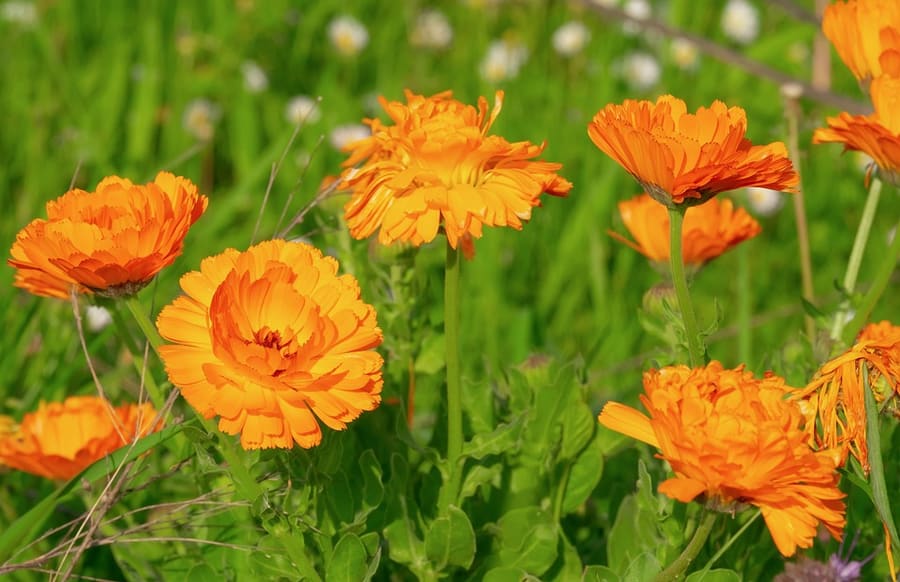
Calendula (Calendula officinalis)
Photo: Pixabay
- Digestive
- 9 conditions
- Licensed photo
Overview
Calendula (Calendula officinalis), with its bright orange daisy-like flowers, is among the most versatile herbs in Western herbal medicine. Its petals contain antiseptic, anti-inflammatory, and vulnerary properties, making it excellent for speeding tissue repair in wounds, burns, bruises, and various skin irritations. Calendula is also used internally for gastrointestinal inflammation (e.g., Crohn’s disease, colitis, gastritis).
Traditional uses & properties
Astringent & Vulnerary: Tightens tissues and promotes wound healing. Cooling & Drying: Reduces inflammation and soothes irritated skin and mucous membranes. Antiseptic & Detoxifying: Helpful for chronic infections, inflammatory GI issues, and cleansing of the liver and gallbladder.
Traditional preparations
Traditional texts describe the preparations below, and where those texts give specific amounts, the amounts are quoted here as part of that record. This is a record of historical practice, not a dosage recommendation - the figures are what the sources say, not what HerbMate tells you to take. Amounts, potency, and safe use vary enormously by preparation, plant part, and person.
Infuse 2 tsp of herb in 3 cups (750 ml) of water and drink up to 3 cups a day.
Make a tincture and take 30 drops with water 3 times a day.
Make an ointment and apply to minor burns up to 3 times a day.
Apply ointment or cream, or dab undiluted tincture onto the pus-filled area twice a day.
Safety & precautions
Internal Use & Pregnancy: Not advised during pregnancy when taken internally. Topical Use: Generally safe; rare cases of allergic skin reactions may occur. General Note: Calendula has a mild estrogenic effect and may influence menstruation.
Drug & food interactions
Interaction data is not available for this herb - talk to a pharmacist before combining it with any medication. A blank entry here means we have not documented interactions, not that none exist.
Habitat
Native to southern Europe, this annual herb is easily grown from seed in temperate climates worldwide. It flourishes in most soils and is harvested in summer as the flowers open. The harvested flower heads or petals are then dried, typically in shaded areas.
Traditionally used for
- Colitis8 herbs · 2 free
- Constipation13 herbs · 2 free
- Heartburn4 herbs · 2 free
- Ulcers15 herbs · 2 free
- Acne8 herbs · 2 free
- Eczema7 herbs · 2 free
- Psoriasis5 herbs · 2 free
- Ringworm3 herbs · 2 free
- Sunburn4 herbs · 2 free
Each condition shows its first 2 remedies free. Premium opens the full remedy list for every condition - or come back for the free Condition of the Day.
Frequently asked questions
What is Calendula (Calendula officinalis) traditionally used for?
Traditional sources describe Calendula (Calendula officinalis) as follows: Astringent & Vulnerary: Tightens tissues and promotes wound healing. Cooling & Drying: Reduces inflammation and soothes irritated skin and mucous membranes. Antiseptic & Detoxifying: Helpful for chronic infections, inflammatory GI issues, and cleansing of the liver and gallbladder.
How is Calendula (Calendula officinalis) prepared?
Traditional texts describe the preparations below, and where those texts give specific amounts, the amounts are quoted here as part of that record. This is a record of historical practice, not a dosage recommendation - the figures are what the sources say, not what HerbMate tells you to take. Amounts, potency, and safe use vary enormously by preparation, plant part, and person. Constipation, Ulcers: Infuse 2 tsp of herb in 3 cups (750 ml) of water and drink up to 3 cups a day. Eczema, Psoriasis: Make a tincture and take 30 drops with water 3 times a day. Sunburn: Make an ointment and apply to minor burns up to 3 times a day. Acne: Apply ointment or cream, or dab undiluted tincture onto the pus-filled area twice a day.
What safety cautions apply to Calendula (Calendula officinalis)?
Internal Use & Pregnancy: Not advised during pregnancy when taken internally. Topical Use: Generally safe; rare cases of allergic skin reactions may occur. General Note: Calendula has a mild estrogenic effect and may influence menstruation.
Related herbs
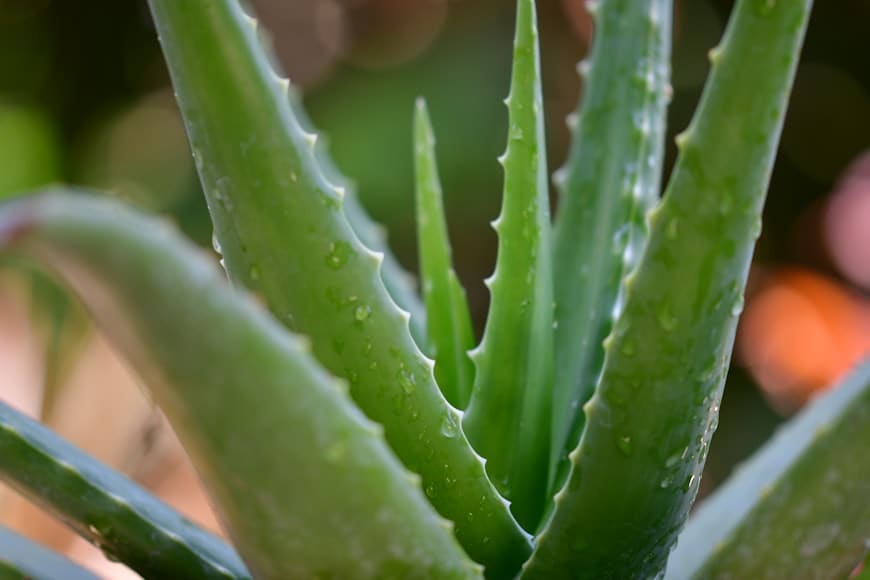 Aloe (Aloe vera)
Aloe vera (syn. A. barbadensis) is a succulent commonly grown as a potted plant, notable for its thick, fleshy leaves that contain two distinct medicinal components. The inner clear gel is renowned for its soothing and wound-healing properties, while the bitter yellow sap from the leaf base (often called “bitter aloes”) has a strong laxative effect. Historically, aloe vera has been prized for treating skin irritations, burns, and ulcers. It can also be taken internally (as juice) to support digestion and immune function. Whole leaf aloe juice has been used to help fight arthritis, AIDS, cancer, and other chronic conditions, though the outer leaf portion containing anthraquinones is typically filtered out to avoid harsh laxative effects.
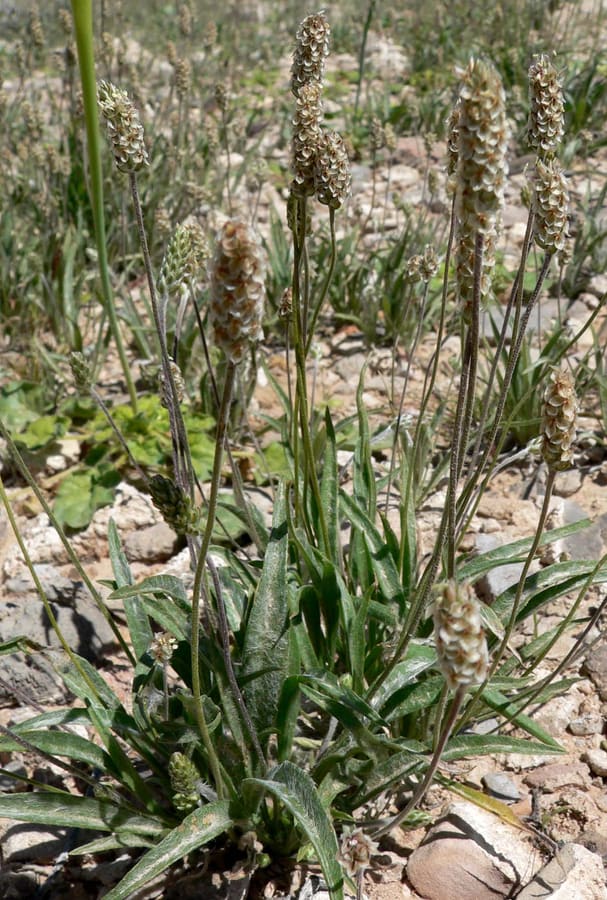 Psyllium (Plantago ovata)
Psyllium, also known as flea seed due to its small brown appearance, is produced by several Plantago species. It has been used as a safe and effective laxative for thousands of years across Europe, North Africa, and Asia. The seeds and husks have a bland taste and develop a jellylike consistency when moistened due to their high mucilage content. The plants are extensively cultivated, especially in India, and propagated from seed in spring. Seeds are harvested when ripe in late summer and early autumn.
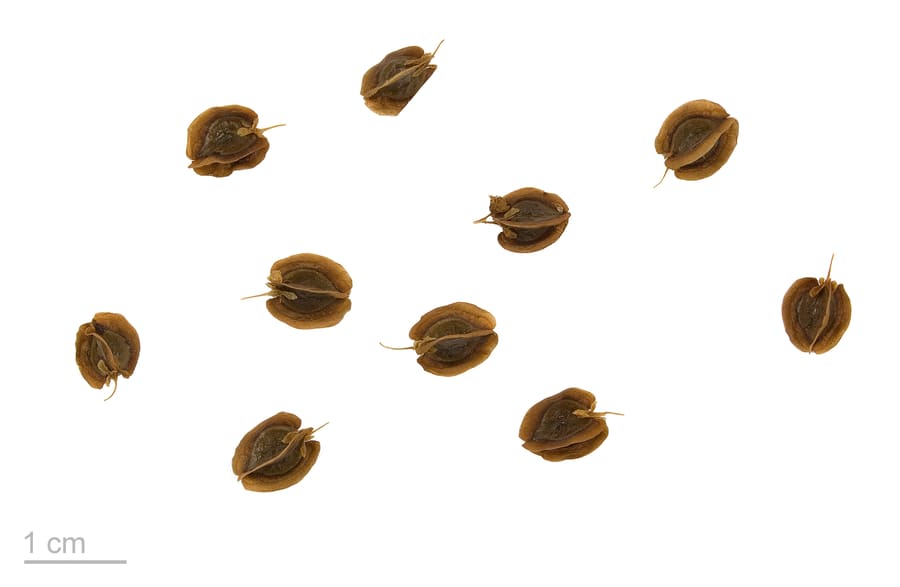 Chinese Rhubarb (Rheum palmatum)
Chinese rhubarb (Rheum palmatum) is a thick-rhizomed perennial, growing up to 10 ft (3 m) tall, with large, palmate leaves and small flowers. Known in Chinese medicine for over 2,000 years, it has a paradoxical effect on the bowels: stimulating in large doses, yet gently astringent and constipating in small doses. The rhizome also aids digestion, helps counter inflammation, and has anti-ulcer and antibacterial actions.
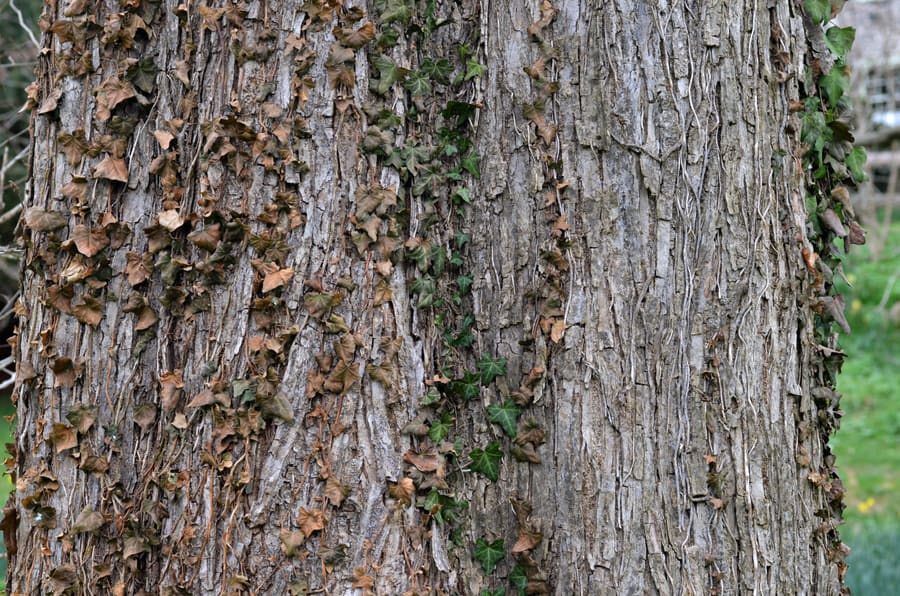 Slippery Elm (Ulmus rubra)
Slippery elm (Ulmus rubra) is a large tree native to the eastern U.S. and Canada. The medicinal part is the inner bark, prized for its high mucilage content. When soaked in water, it turns “slippery,” coating and soothing inflamed tissues in the mouth, throat, stomach, and intestines.
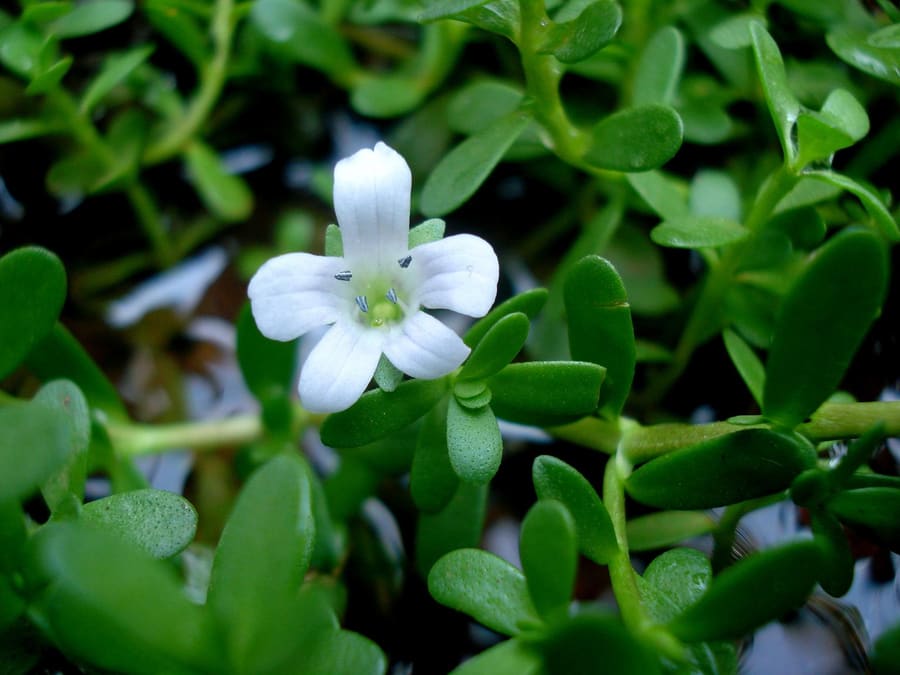 Bacopa (Bacopa monnieri)
Bacopa, also known as Water Hyssop or Brahmi, is a creeping succulent perennial that can grow to about 20 inches. It features spatula-shaped fleshy leaves and pale blue or white flowers on slender stalks. Thriving in marshlands and along the edges of mangrove swamps in warmer temperate and tropical climates - especially southern Asia - it develops into dense mats on mudflats. This herb has been a cornerstone of Ayurvedic medicine for supporting cognitive function and treating various nervous system disorders, and it is increasingly recognized in Western herbalism for its brain-enhancing properties.
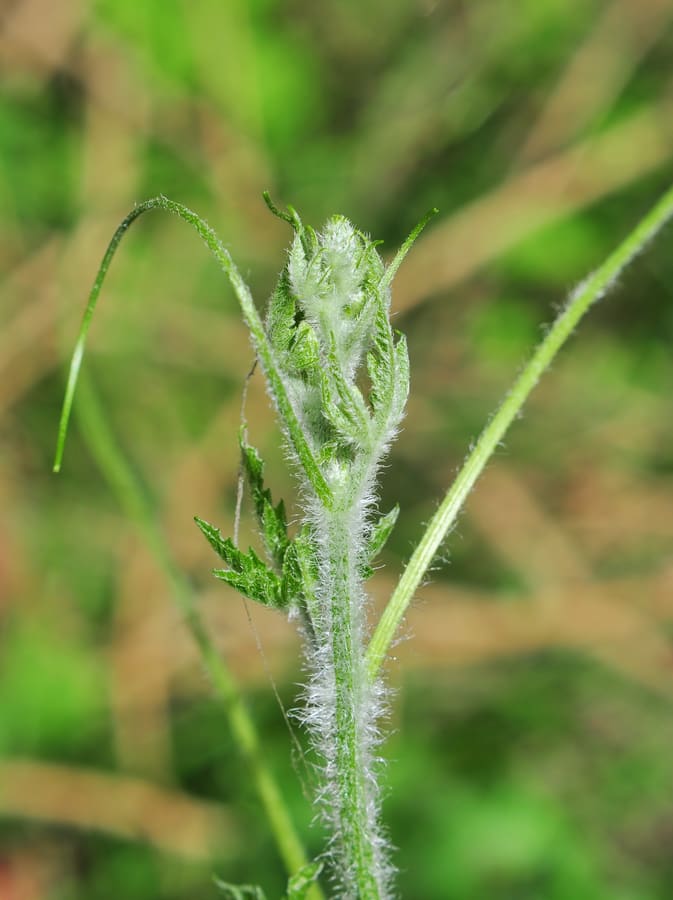 Bitter Melon (Momordica charantia)
Bitter melon is an annual climbing vine reaching about 6.5 feet, characterized by deeply lobed leaves, yellow flowers, and distinctive orange-yellow fruit. Native to southern Asia and now common throughout tropical regions worldwide, it is harvested year-round. The plant's unripe fruit, ripe fruit, leaves, seeds, and seed oil all have medicinal applications, and it has been a traditional remedy for diabetes symptoms in Asia, Africa, and the Caribbean for centuries.
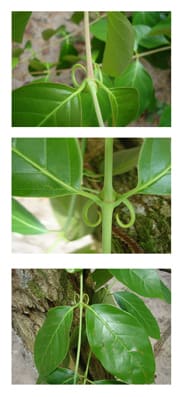 Cat's Claw (Uncaria tomentosa)
Cat's claw is a climbing vine that can grow to 100 feet or more, with stems up to 8 inches in diameter, large glossy leaves, and sharp hooks resembling a cat's claws. Native to tropical rainforests in the central and eastern Andes - especially Peru, Ecuador, and Colombia - it has also been found in Guatemala, Costa Rica, and Panama. Known by the Ashaninka and other indigenous peoples of central Peru for its power in regulating illness, it has been used since ancient times to treat serious conditions ranging from asthma and diabetes to arthritis and cancer. By the early 1990s, over-collection from the wild threatened the species' survival; only sustainably sourced stem bark should be used, rather than root bark.
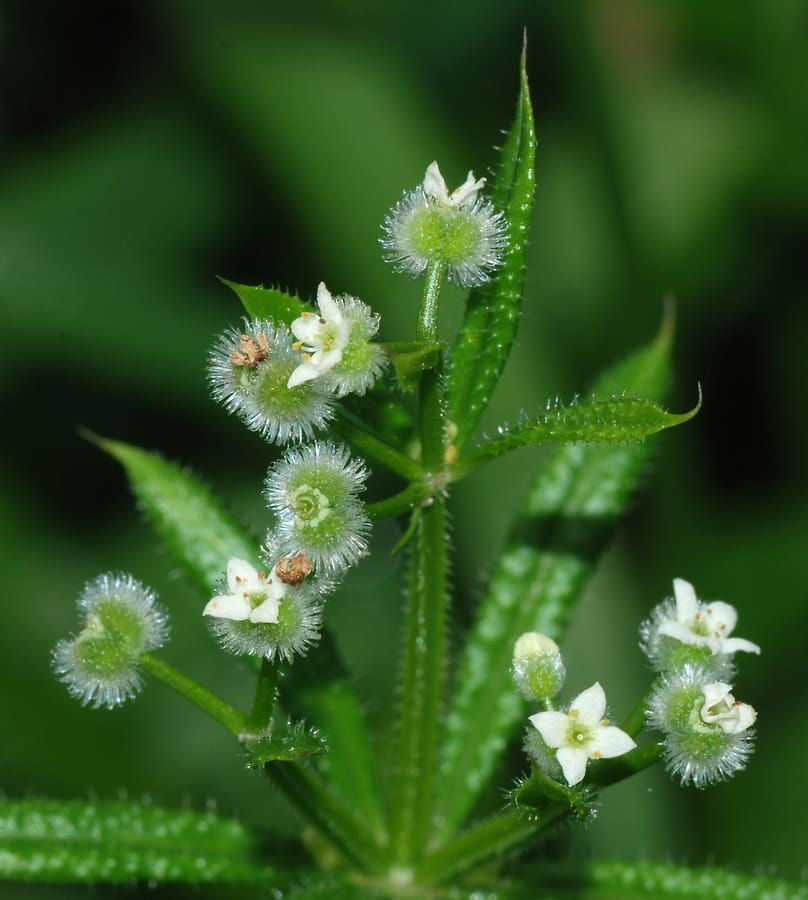 Cleavers (Galium aparine)
Cleavers is a straggling, square-stemmed annual growing to 4 feet with whorls of lance-shaped leaves, clusters of small white flowers, and small round green fruits covered with hooked prickles. The name refers to the plant's ability to cling (or cleave) to fur or clothing. Common throughout Europe and North America and found in many other temperate regions including Australia, it grows prolifically in gardens and along roadsides. The Greek physician Dioscorides in the 1st century CE considered it useful for countering weariness and noted that shepherds used the stems to make sieves for straining milk.