
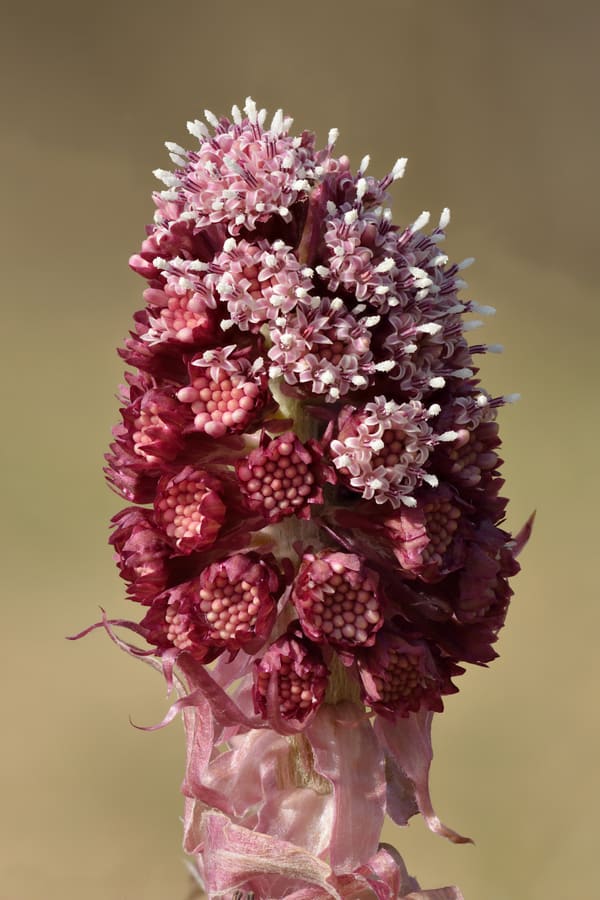
Butterbur (Petasites hybridus)
Photo: Ivar Leidus · CC BY-SA 4.0
- Head and Neck
- 1 condition
- Licensed photo
Overview
Butterbur (sometimes called Petasites) is known for large, rhubarb-like leaves and stems that often grow in damp, marshy areas or moist forest grounds. It contains petasin and isopetasin - compounds that dampen inflammation and can reduce headache frequency, intensity, and duration. Research has found butterbur helpful for hay fever (allergic rhinitis) and migraines, with additional uses for cramps and asthma.
Traditional uses & properties
Cooling & Drying: Often used to alleviate hot, inflamed conditions such as allergies and migraines. Analgesic (Anodyne) & Anti-Allergenic: Helps relieve pain, reduces allergic responses, and has antitussive and expectorant actions beneficial for respiratory congestion.
Traditional preparations
Preparation amounts are not shown for this herb. It is toxic, restricted, or otherwise unsafe to self-dose - the margin between a traditional dose and a harmful one is too small to publish as reference material. If you are considering it, that conversation belongs with a doctor or a qualified practitioner, not a website.
Safety & precautions
Pyrrolizidine Alkaloids (PAs): Butterbur naturally contains PAs, potentially toxic to the liver. Some commercial extracts remove these compounds, but caution remains. Duration of Use: Limit use to about six weeks per year to minimize liver risk. General Safety: Not recommended in pregnancy or for extended periods without professional guidance.
Drug & food interactions
Many theoretical interactions have been proposed, including the suggestion that butterbur may interact through effects on histamine H1-receptors. A post-marketing surveillance study identified over 50 patients taking antihistamines and a butterbur extract (Ze 339), without evidence of either a beneficial or an adverse effect.
These entries keep the wording of the reference they come from, and three phrases mean three different things. "No interactions found" means the source looked for reports of that pairing and found none. "No data found" means nothing has been published either way. "Based on experimental evidence only" means the effect has been seen in a laboratory or animal study but not in people - a reason for caution, not a report of harm.
Habitat
Native to parts of Europe, Asia, and North America, butterbur thrives in wet, marshy soils, near streams, and in damp forests. The usable parts include the roots, leaves, and stems.
Traditionally used for
Each condition shows its first 2 remedies free. Premium opens the full remedy list for every condition - or come back for the free Condition of the Day.
Frequently asked questions
What is Butterbur (Petasites hybridus) traditionally used for?
Traditional sources describe Butterbur (Petasites hybridus) as follows: Cooling & Drying: Often used to alleviate hot, inflamed conditions such as allergies and migraines. Analgesic (Anodyne) & Anti-Allergenic: Helps relieve pain, reduces allergic responses, and has antitussive and expectorant actions beneficial for respiratory congestion.
How is Butterbur (Petasites hybridus) prepared?
Preparation amounts are not shown for this herb. It is toxic, restricted, or otherwise unsafe to self-dose - the margin between a traditional dose and a harmful one is too small to publish as reference material. If you are considering it, that conversation belongs with a doctor or a qualified practitioner, not a website.
What safety cautions apply to Butterbur (Petasites hybridus)?
Pyrrolizidine Alkaloids (PAs): Butterbur naturally contains PAs, potentially toxic to the liver. Some commercial extracts remove these compounds, but caution remains. Duration of Use: Limit use to about six weeks per year to minimize liver risk. General Safety: Not recommended in pregnancy or for extended periods without professional guidance.
Related herbs
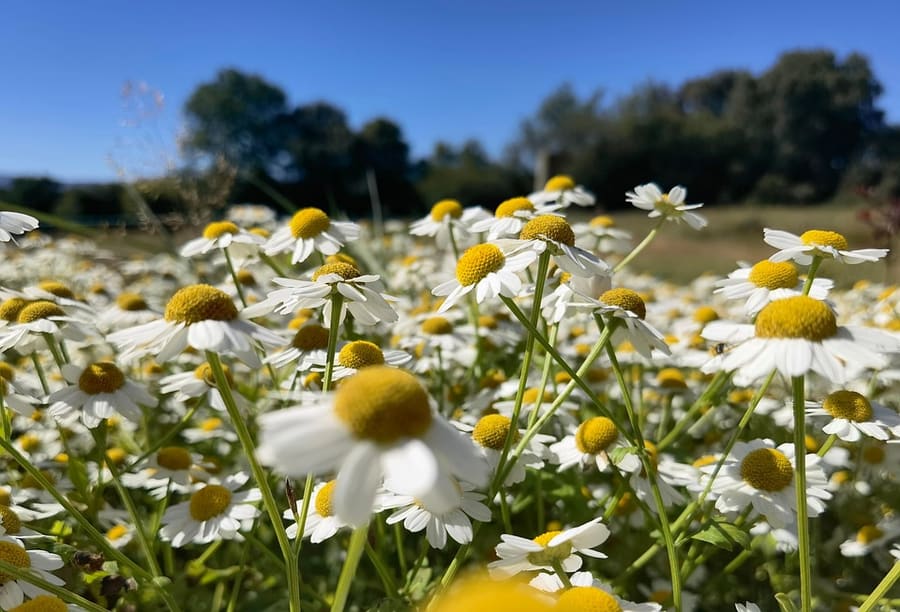 Feverfew (Tanacetum parthenium)
Feverfew offers a mild tranquilising effect that makes it ideal for easing the tension and fatigue that often lead to headaches. It inhibits blood platelets from aggregating in the bloodstream and prevents small capillaries from becoming blocked. This action gives feverfew the ability to prevent and treat migraines.
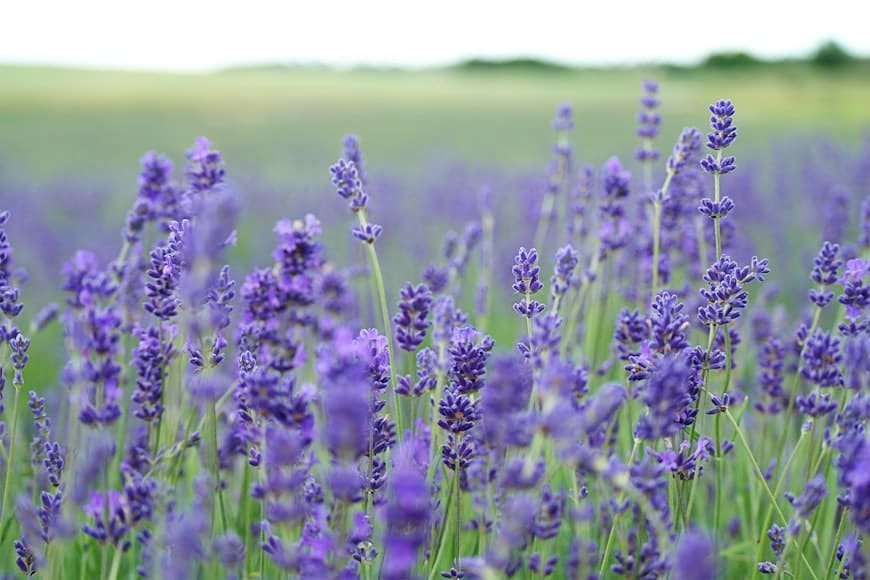 Lavender (Lavandula angustifolia)
Lavender (Lavandula officinalis, also known as L. angustifolia) is a small, perennial shrub that can grow about 3 ft (1 m) high, characterized by its narrow, silver-green leaves and spiked violet-blue flowers. Renowned for its sweet, calming aroma, lavender is a mildly warming, relaxing nervine, helpful in alleviating stress, tension, depression, and headaches. Its essential oil has antifungal properties and is commonly used for burns and other skin inflammations.