
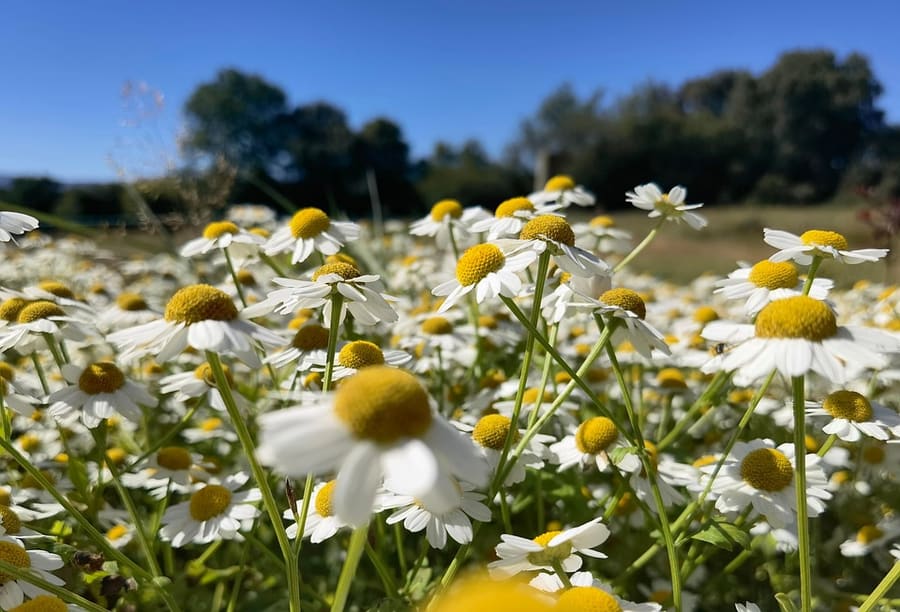
Feverfew (Tanacetum parthenium)
Photo: Pixabay
- Head and Neck
- 1 condition
- Licensed photo
Overview
Feverfew offers a mild tranquilising effect that makes it ideal for easing the tension and fatigue that often lead to headaches. It inhibits blood platelets from aggregating in the bloodstream and prevents small capillaries from becoming blocked. This action gives feverfew the ability to prevent and treat migraines.
Traditional uses & properties
Analgesic (anodyne), anthelminthic, anti-inflammatory, and nervine
Traditional preparations
Traditional texts describe the preparations below, and where those texts give specific amounts, the amounts are quoted here as part of that record. This is a record of historical practice, not a dosage recommendation - the figures are what the sources say, not what HerbMate tells you to take. Amounts, potency, and safe use vary enormously by preparation, plant part, and person.
To prevent migraine, eat 2-3 leaves daily on a piece of bread. Alternatively for long-term prevention of migraine, make a tincture and take 10 drops a day.
Safety & precautions
Fresh feverfew leaves can cause mouth ulcers. Do not use feverfew during pregnancy and avoid it if you are allergic to ragweed.
Drug & food interactions
Feverfew inhibits platelet aggregation in vitro and, theoretically, might increase the risk of bleeding in patients taking other drugs that increase bleeding such as aspirin or anticoagulants.
- Anticoagulants
- The interaction between feverfew and anticoagulants is based on a prediction only.
- Herbal medicines
- No interactions found.
- Antiplatelet drugs
- Feverfew inhibits platelet aggregation in vitro and, theoretically, might have additive effects with conventional antiplatelet drugs. A letter briefly describes a study in which platelet aggregation was assessed in samples taken from 10 patients who had taken feverfew for at least 3.5 years. The platelets aggregated normally in response to thrombin and ADP; however, the response to serotonin and U46619 (a thromboxane mimetic) was attenuated, and occurred only at higher doses.
- Food
- No interactions found.
These entries keep the wording of the reference they come from, and three phrases mean three different things. "No interactions found" means the source looked for reports of that pairing and found none. "No data found" means nothing has been published either way. "Based on experimental evidence only" means the effect has been seen in a laboratory or animal study but not in people - a reason for caution, not a report of harm.
Habitat
Originally from southeastern Europe, feverfew is now common throughout Europe, Australia, and North America. It can be propagated from seed or cuttings, and prefers well-drained soil and sun. The leaves are picked as required and the aerial parts as a whole are harvested in summer when the plant is in flower.
Traditionally used for
Each condition shows its first 2 remedies free. Premium opens the full remedy list for every condition - or come back for the free Condition of the Day.
Frequently asked questions
What is Feverfew (Tanacetum parthenium) traditionally used for?
Traditional sources describe Feverfew (Tanacetum parthenium) as follows: Analgesic (anodyne), anthelminthic, anti-inflammatory, and nervine
How is Feverfew (Tanacetum parthenium) prepared?
Traditional texts describe the preparations below, and where those texts give specific amounts, the amounts are quoted here as part of that record. This is a record of historical practice, not a dosage recommendation - the figures are what the sources say, not what HerbMate tells you to take. Amounts, potency, and safe use vary enormously by preparation, plant part, and person. Migraine: To prevent migraine, eat 2-3 leaves daily on a piece of bread. Alternatively for long-term prevention of migraine, make a tincture and take 10 drops a day.
What safety cautions apply to Feverfew (Tanacetum parthenium)?
Fresh feverfew leaves can cause mouth ulcers. Do not use feverfew during pregnancy and avoid it if you are allergic to ragweed.
Related herbs
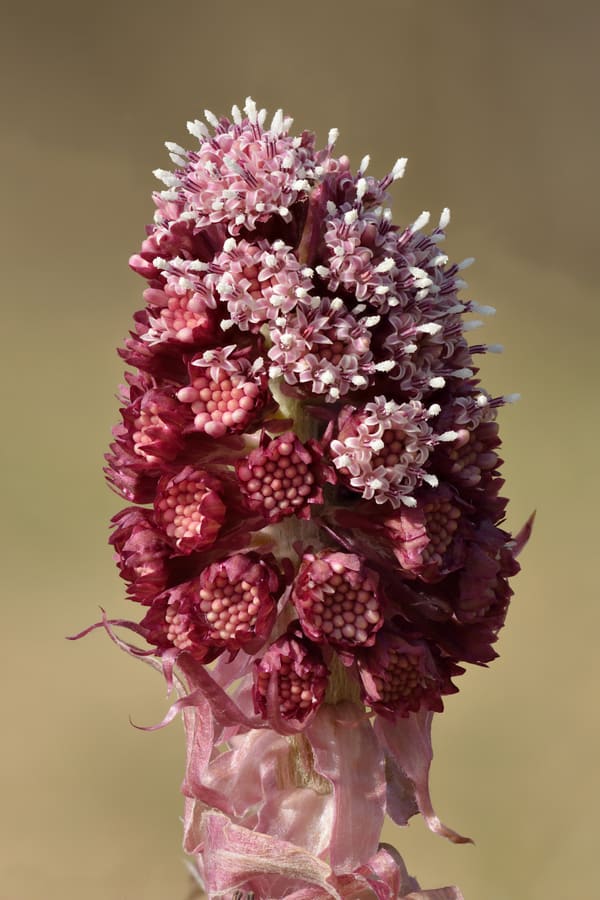 Butterbur (Petasites hybridus)Not for self-dosing
Butterbur (sometimes called Petasites) is known for large, rhubarb-like leaves and stems that often grow in damp, marshy areas or moist forest grounds. It contains petasin and isopetasin - compounds that dampen inflammation and can reduce headache frequency, intensity, and duration. Research has found butterbur helpful for hay fever (allergic rhinitis) and migraines, with additional uses for cramps and asthma.
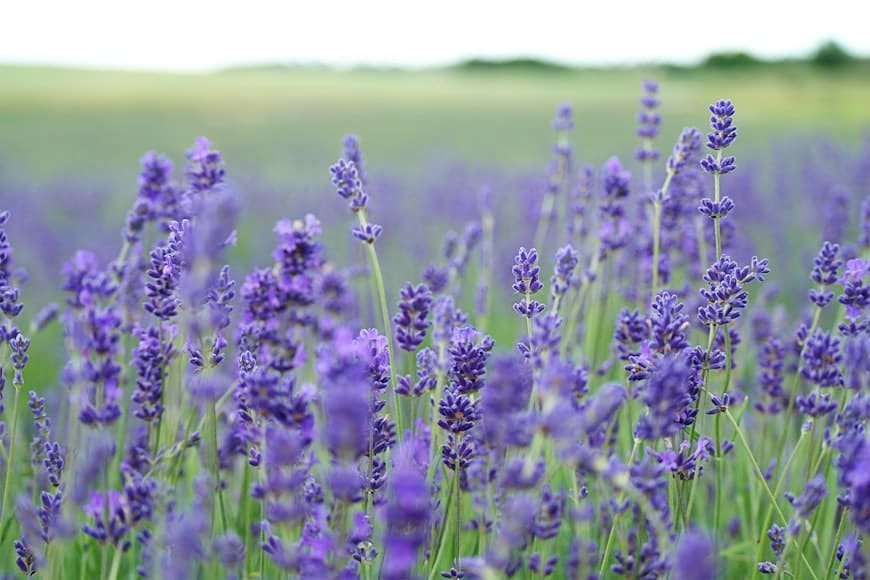 Lavender (Lavandula angustifolia)
Lavender (Lavandula officinalis, also known as L. angustifolia) is a small, perennial shrub that can grow about 3 ft (1 m) high, characterized by its narrow, silver-green leaves and spiked violet-blue flowers. Renowned for its sweet, calming aroma, lavender is a mildly warming, relaxing nervine, helpful in alleviating stress, tension, depression, and headaches. Its essential oil has antifungal properties and is commonly used for burns and other skin inflammations.