
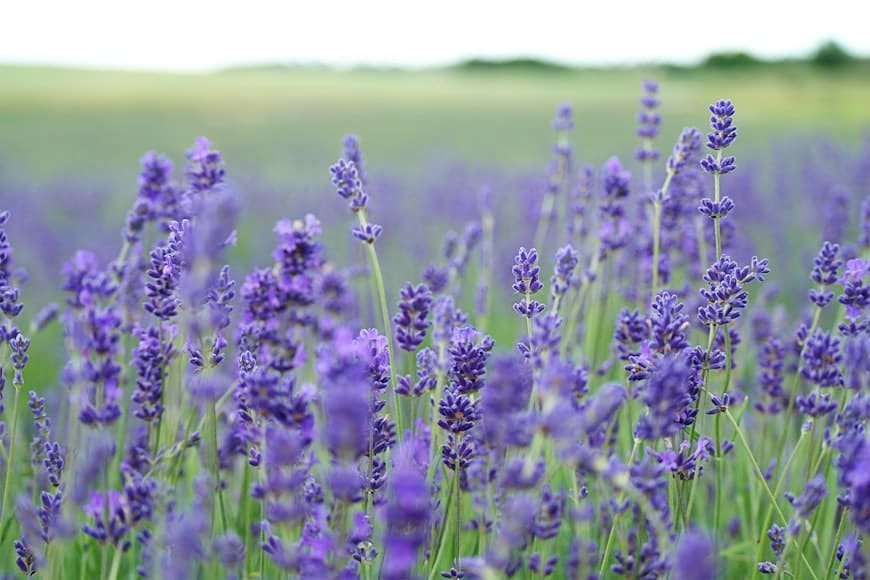
Lavender (Lavandula angustifolia)
Photo: Unsplash
- Head and Neck
- 4 conditions
- Licensed photo
Overview
Lavender (Lavandula officinalis, also known as L. angustifolia) is a small, perennial shrub that can grow about 3 ft (1 m) high, characterized by its narrow, silver-green leaves and spiked violet-blue flowers. Renowned for its sweet, calming aroma, lavender is a mildly warming, relaxing nervine, helpful in alleviating stress, tension, depression, and headaches. Its essential oil has antifungal properties and is commonly used for burns and other skin inflammations.
Traditional uses & properties
Relaxant & Mild Antidepressant: Eases nervous anxiety, tension, and insomnia; can reduce mild depression symptoms and promote restful sleep. Analgesic & Headache Relief: May lessen headaches and migraines, especially if used at onset. Antifungal & Skin Healer: Essential oil soothes burns, stings, and inflammatory skin conditions; strong antiseptic and antibacterial qualities. Digestive Aid: Like many aromatic herbs, lavender can help calm digestive upset, colic, and bloating.
Traditional preparations
Traditional texts describe the preparations below, and where those texts give specific amounts, the amounts are quoted here as part of that record. This is a record of historical practice, not a dosage recommendation - the figures are what the sources say, not what HerbMate tells you to take. Amounts, potency, and safe use vary enormously by preparation, plant part, and person.
Make an infusion and drink 4-8 ounces 1-4 times daily.
Make a tincture and take 1/2 to 1 tsp with water at night.
Safety & precautions
Essential Oil (Internal Use): Avoid ingesting without professional guidance. Allergies or Skin Irritation: Rare but possible when applied topically; discontinue if irritation occurs. Pregnancy: Generally considered safe in small amounts, though it’s best to seek professional advice.
Drug & food interactions
Interaction data is not available for this herb - talk to a pharmacist before combining it with any medication. A blank entry here means we have not documented interactions, not that none exist.
Habitat
Native to France and the western Mediterranean, lavender is cultivated worldwide - especially in sunny, well-drained soils. It’s typically propagated from seed or cuttings. The flowers are harvested in high summer, preferably in the morning when their volatile oil content is at its peak.
Traditionally used for
Each condition shows its first 2 remedies free. Premium opens the full remedy list for every condition - or come back for the free Condition of the Day.
Frequently asked questions
What is Lavender (Lavandula angustifolia) traditionally used for?
Traditional sources describe Lavender (Lavandula angustifolia) as follows: Relaxant & Mild Antidepressant: Eases nervous anxiety, tension, and insomnia; can reduce mild depression symptoms and promote restful sleep. Analgesic & Headache Relief: May lessen headaches and migraines, especially if used at onset. Antifungal & Skin Healer: Essential oil soothes burns, stings, and inflammatory skin conditions; strong antiseptic and antibacterial qualities. Digestive Aid: Like many aromatic herbs, lavender can help calm digestive upset, colic, and bloating.
How is Lavender (Lavandula angustifolia) prepared?
Traditional texts describe the preparations below, and where those texts give specific amounts, the amounts are quoted here as part of that record. This is a record of historical practice, not a dosage recommendation - the figures are what the sources say, not what HerbMate tells you to take. Amounts, potency, and safe use vary enormously by preparation, plant part, and person. Depression: Make an infusion and drink 4-8 ounces 1-4 times daily. Insomnia: Make a tincture and take 1/2 to 1 tsp with water at night.
What safety cautions apply to Lavender (Lavandula angustifolia)?
Essential Oil (Internal Use): Avoid ingesting without professional guidance. Allergies or Skin Irritation: Rare but possible when applied topically; discontinue if irritation occurs. Pregnancy: Generally considered safe in small amounts, though it’s best to seek professional advice.
Related herbs
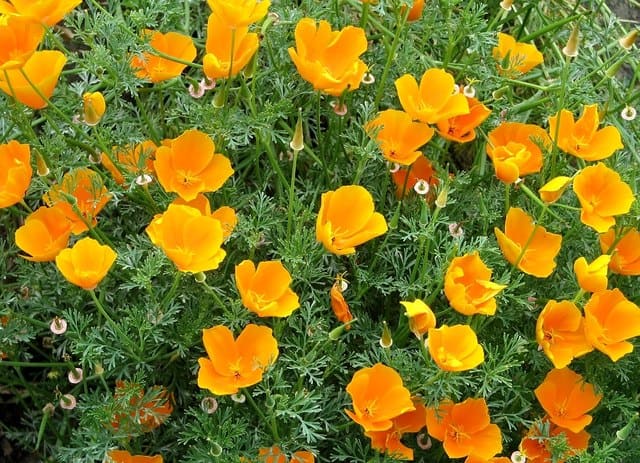 California Poppy (Eschscholzia californica)
California poppy (Eschscholzia californica) is an annual or short-lived perennial with finely divided leaves and vibrant orange, yellow, pink, or red blossoms. A mild sedative and analgesic, it is related to the opium poppy but lacks narcotic effects. Instead, California poppy gently calms the nervous system, helps with insomnia and tension, and soothes pain without depressing central nervous system function.
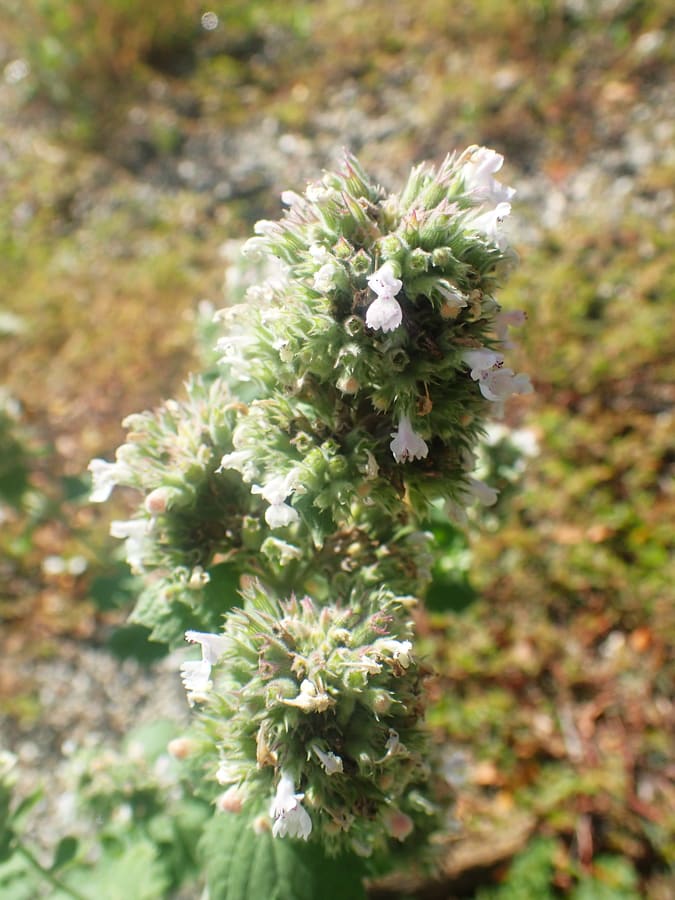 Catnip (Nepeta cataria)
Catnip is a downy, aromatic perennial growing to 3 feet with heart-shaped, gray-green leaves and whorls of white flowers marked with purple spots. Native to Europe and naturalized in North America, it grows in dry wayside places and mountainous regions up to altitudes of 5,000 feet. The plant is gathered when in flower during summer and autumn. Its name comes from the Norse word 'dylla,' meaning 'to soothe,' reflecting its calming properties. Catnip has an excitatory effect on cats but a sedative effect on humans.
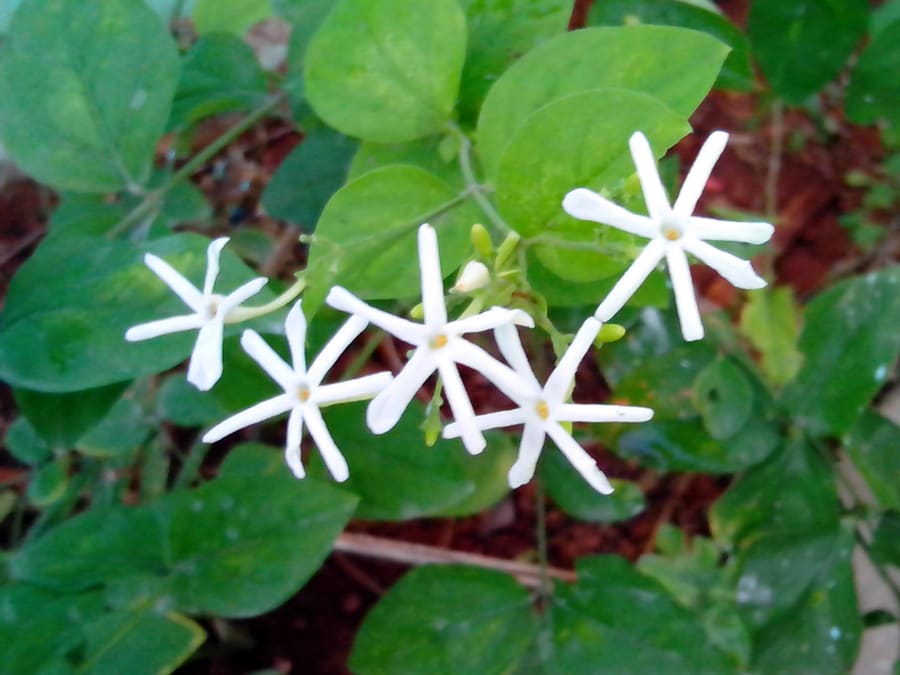 Jasmine (Jasminum grandiflorum)
Jasmine (Jasminum officinale) is a slender evergreen climber, growing up to around 20 ft (6 m), noted for its dark green compound leaves and sweetly scented, tubular white flowers. The blossoms yield a prized essential oil used to lift mood, soothe stress, and care for skin.
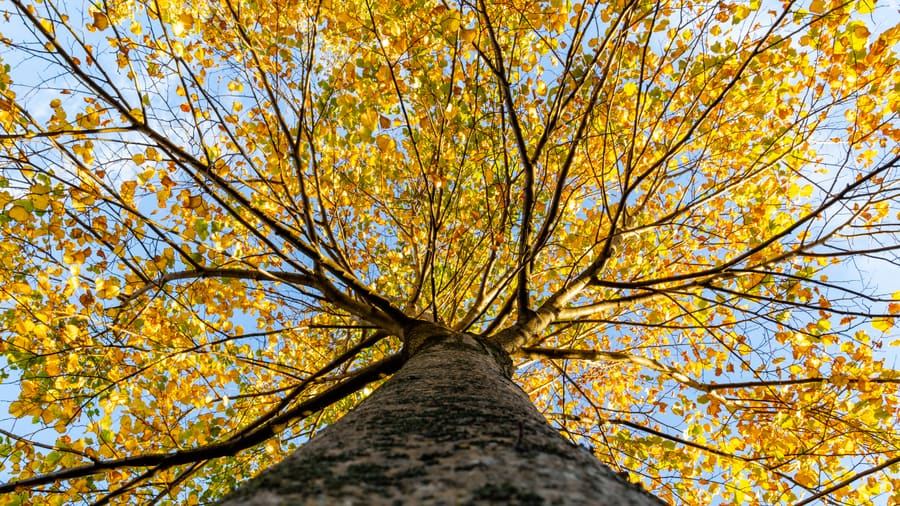 Linden (Tilia europaea)
Linden comprises deciduous trees growing to a height of 100 feet with smooth gray bark, heart-shaped leaves, and clusters of pale yellow flowers with winglike bracts. Native to Europe, it is found in the wild but is also much planted in gardens and along roads. The flowers are collected in summer. Greek myth recounts how the nymph Philyra, devastated after being raped by the god Cronus in the guise of a horse and giving birth to the centaur Chiron, begged the gods not to leave her amongst mortals. The gods granted her wish by transforming her into a linden tree, forever linking this graceful species with transformation and divine mercy.
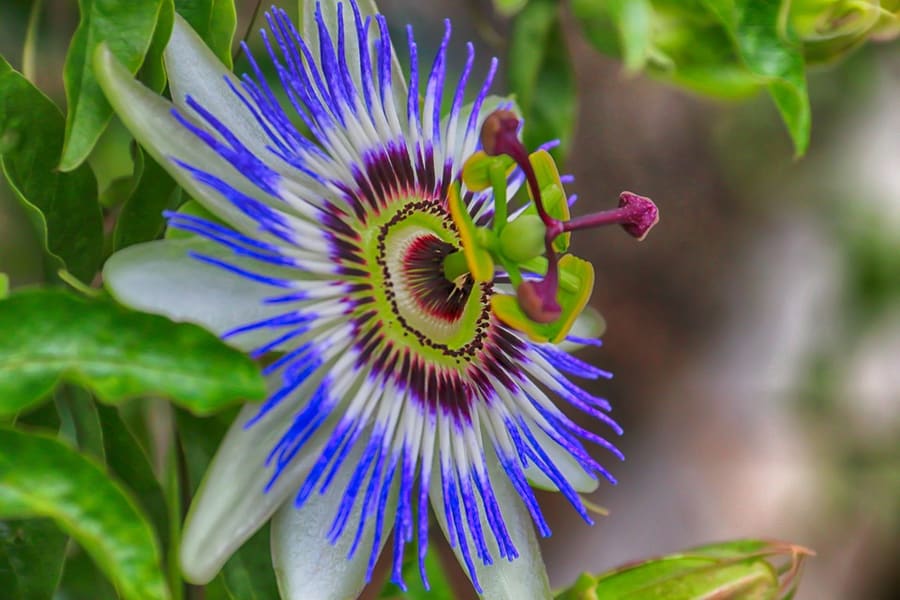 Passionflower (Passiflora incarnata)
Passionflower (Passiflora incarnata and related species) is a climbing vine that can grow up to about 30 ft (9 m). It features ornate, complex flowers - often white, purple, or blue - and lobed leaves. Traditionally recognized for its mild sedative and tranquilizing effects, passionflower helps ease anxiety, restlessness, and insomnia. Some species (e.g., P. quadrangularis) contain serotonin-like compounds, which may contribute to the herb’s calming properties.
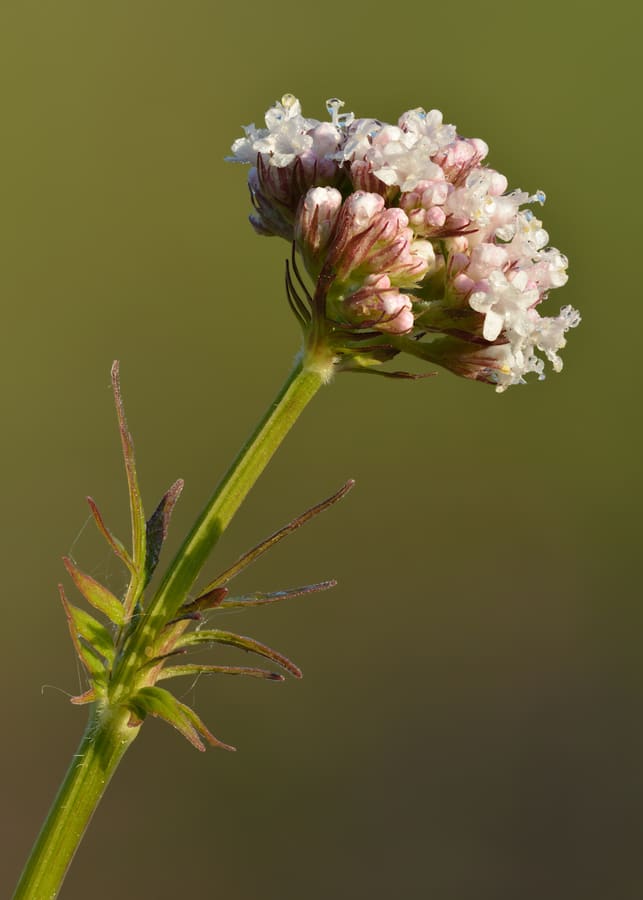 Valerian (Valeriana officinalis)
Valerian (Valeriana officinalis) is an upright, clump-forming perennial reaching about 4 ft (1.2 m), with divided, pinnate leaves and pinkish-white clusters of small flowers. Known for its pungent (often unpleasant) smell, valerian is one of the most popular sedative and relaxant herbs in Western herbal medicine, helping to calm sympathetic overactivity, ease anxiety, and aid restful sleep.
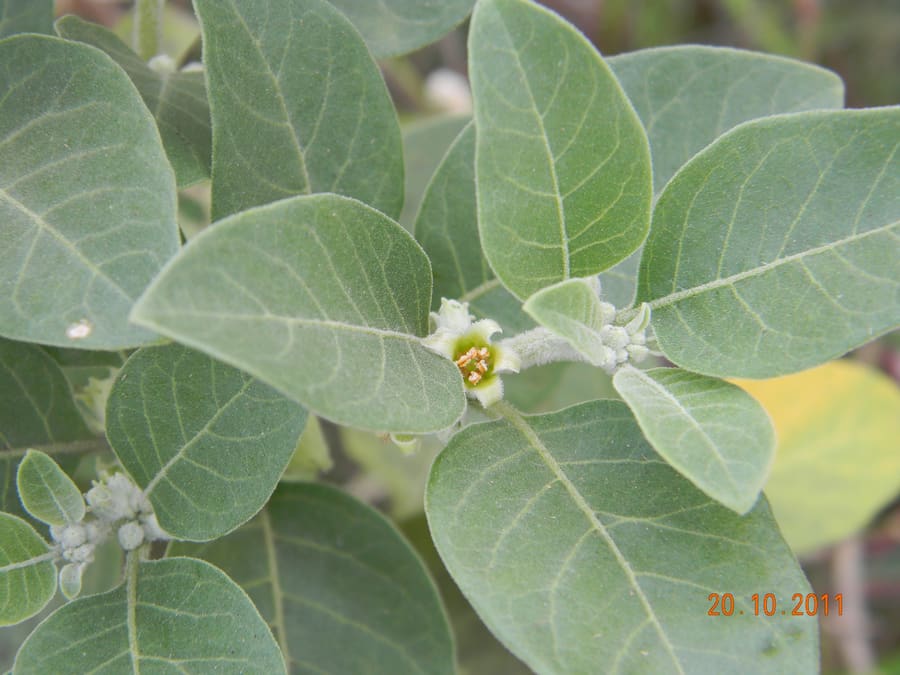 Ashwagandha (Withania somnifera)
Ashwagandha (Withania somnifera), sometimes called “Indian ginseng,” is a sturdy shrub growing to about 5 ft (1.5 m) with oval leaves, greenish or yellow flowers, and small, round fruits. A key herb in Ayurvedic medicine, it is valued for boosting vitality and aiding convalescence from chronic illnesses. It promotes relaxation, increases energy and muscle tone, and can support healthy thyroid hormone conversion from T4 to T3. Traditionally, ashwagandha is considered a “Rasáyana” (rejuvenator), used long-term to rebuild and regenerate body and mind.
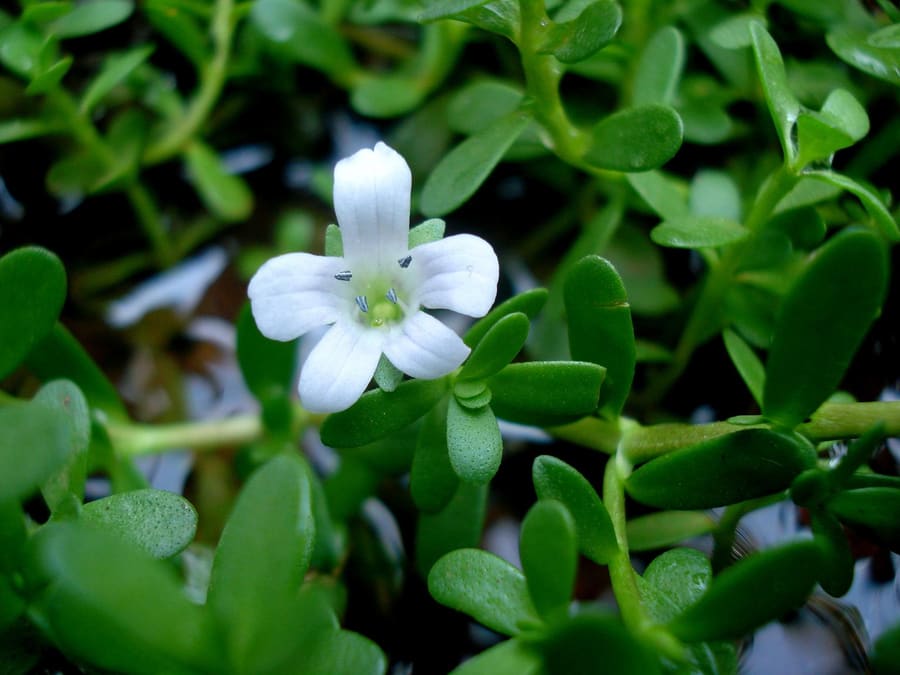 Bacopa (Bacopa monnieri)
Bacopa, also known as Water Hyssop or Brahmi, is a creeping succulent perennial that can grow to about 20 inches. It features spatula-shaped fleshy leaves and pale blue or white flowers on slender stalks. Thriving in marshlands and along the edges of mangrove swamps in warmer temperate and tropical climates - especially southern Asia - it develops into dense mats on mudflats. This herb has been a cornerstone of Ayurvedic medicine for supporting cognitive function and treating various nervous system disorders, and it is increasingly recognized in Western herbalism for its brain-enhancing properties.