
Lemon Balm (Melissa officinalis)
Photo: Gideon Pisanty ( Gidip ) גדעון פיזנטי · CC BY 3.0
- Circulatory
- 3 conditions
- Licensed photo
Overview
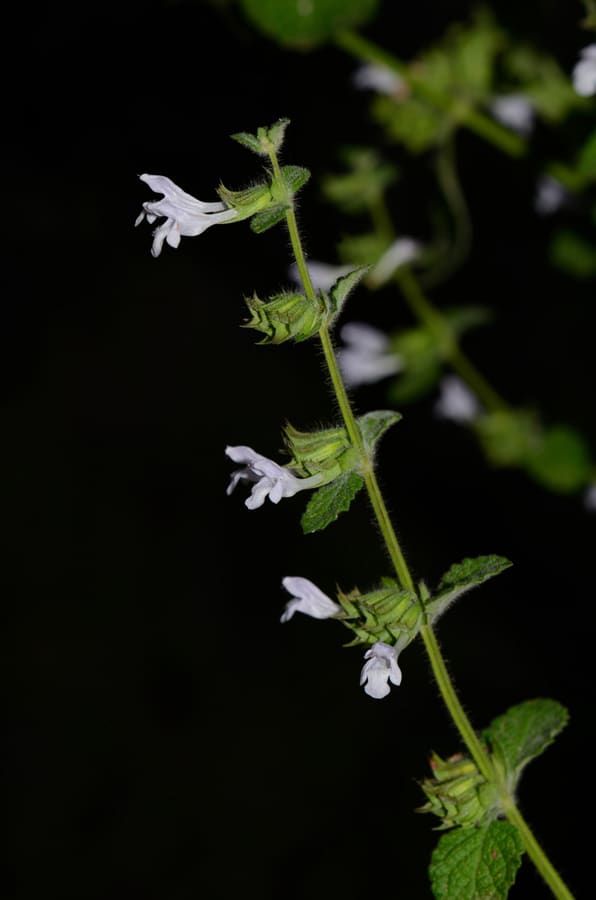
Lemon balm (Melissa officinalis) is a sweetly scented, perennial herb growing up to about 5 ft (1.5 m), with small white flowers and toothed leaves that release a distinct lemon aroma. Traditionally used as a calming herb for stress, insomnia, and mild depression, lemon balm also exhibits notable antiviral properties - especially against herpes simplex.
Traditional uses & properties
Antidepressant & Nervine: Relieves tension, anxiety, irritability, and can help with mild depression by lifting spirits. Antiseptic & Antiviral: Highly effective against cold sores (herpes); also beneficial for shingles and other infections. Carminative & Digestive Tonic: Eases gas, bloating, indigestion, and colic, especially when stress-related. Antithyroid: In combination with bugleweed, helps calm hyperthyroid activity.
Traditional preparations
Traditional texts describe the preparations below, and where those texts give specific amounts, the amounts are quoted here as part of that record. This is a record of historical practice, not a dosage recommendation - the figures are what the sources say, not what HerbMate tells you to take. Amounts, potency, and safe use vary enormously by preparation, plant part, and person.
Fresh leaf (1:2, 85% alcohol, 10% glycerin); dried leaf (1:5, 65% alcohol, 10% glycerin); 2-5 ml (0.4-1 tsp.) 3 times daily
Hot infusion, steeped 30 minutes; 8 ounces 1-4 times daily
Steep 4-8 hours; 4-8 ounces 1-4 times daily
Fresh leaf (1:6, 80% glycerin sealed simmer method); dried leaf (1:6); 2.5-10 ml (0.5-2 tsp.) 3 times daily
Safety & precautions
Essential Oil (Internal Use): Avoid unless under professional supervision. No Major Warnings: Generally gentle, though it can reduce thyroid function and should be used cautiously in hypothyroidism.
Drug & food interactions
Interaction data is not available for this herb - talk to a pharmacist before combining it with any medication. A blank entry here means we have not documented interactions, not that none exist.
Habitat
Native to southern Europe, western Asia, and northern Africa, lemon balm is now found worldwide in temperate climates. It thrives in well-drained soil with ample sunlight, propagating from seeds or cuttings in spring. Harvest occurs before or when flowers open, typically in early summer.
Traditionally used for
Each condition shows its first 2 remedies free. Premium opens the full remedy list for every condition - or come back for the free Condition of the Day.
Frequently asked questions
What is Lemon Balm (Melissa officinalis) traditionally used for?
Traditional sources describe Lemon Balm (Melissa officinalis) as follows: Antidepressant & Nervine: Relieves tension, anxiety, irritability, and can help with mild depression by lifting spirits. Antiseptic & Antiviral: Highly effective against cold sores (herpes); also beneficial for shingles and other infections. Carminative & Digestive Tonic: Eases gas, bloating, indigestion, and colic, especially when stress-related. Antithyroid: In combination with bugleweed, helps calm hyperthyroid activity.
How is Lemon Balm (Melissa officinalis) prepared?
Traditional texts describe the preparations below, and where those texts give specific amounts, the amounts are quoted here as part of that record. This is a record of historical practice, not a dosage recommendation - the figures are what the sources say, not what HerbMate tells you to take. Amounts, potency, and safe use vary enormously by preparation, plant part, and person. TINCTURE: Fresh leaf (1:2, 85% alcohol, 10% glycerin); dried leaf (1:5, 65% alcohol, 10% glycerin); 2-5 ml (0.4-1 tsp.) 3 times daily WEAK INFUSION: Hot infusion, steeped 30 minutes; 8 ounces 1-4 times daily COLD INFUSION: Steep 4-8 hours; 4-8 ounces 1-4 times daily GLYCERITE: Fresh leaf (1:6, 80% glycerin sealed simmer method); dried leaf (1:6); 2.5-10 ml (0.5-2 tsp.) 3 times daily
What safety cautions apply to Lemon Balm (Melissa officinalis)?
Essential Oil (Internal Use): Avoid unless under professional supervision. No Major Warnings: Generally gentle, though it can reduce thyroid function and should be used cautiously in hypothyroidism.
Related herbs
 Borage (Borago officinalis)Not for self-dosing
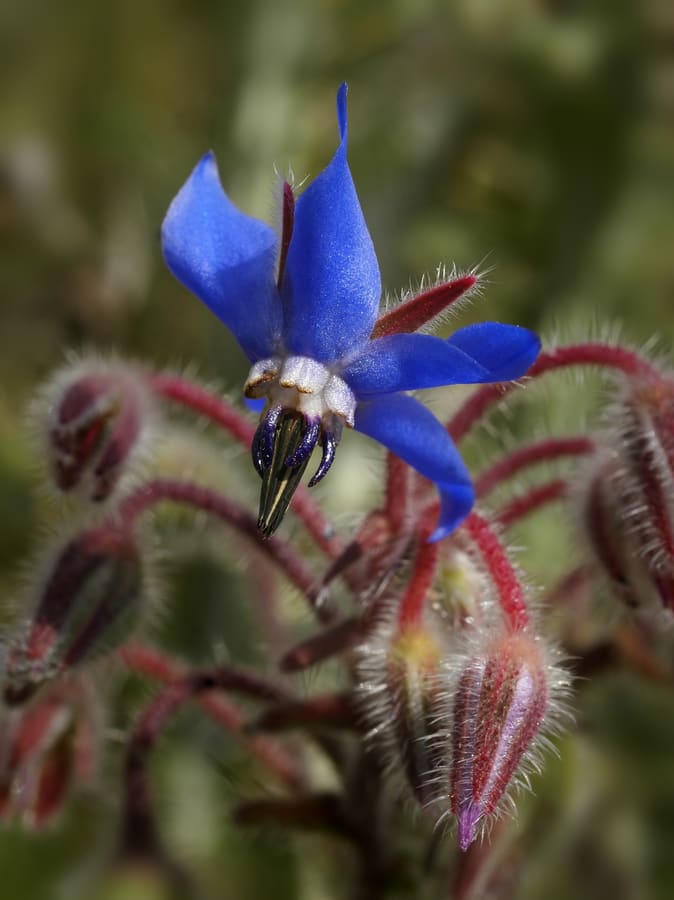
Borage (Borago officinalis) is a coarse, hairy annual that grows to about 2 ft (60 cm), featuring a succulent stem, large basal leaves, and distinctively bright blue star-shaped flowers. The seeds yield an oil exceptionally rich in gamma-linolenic acid (GLA) - a form of polyunsaturated fatty acid beneficial for inflammatory and skin conditions. Traditionally, borage leaves and flowers are associated with uplifting mood and supporting adrenal function.
 Licorice
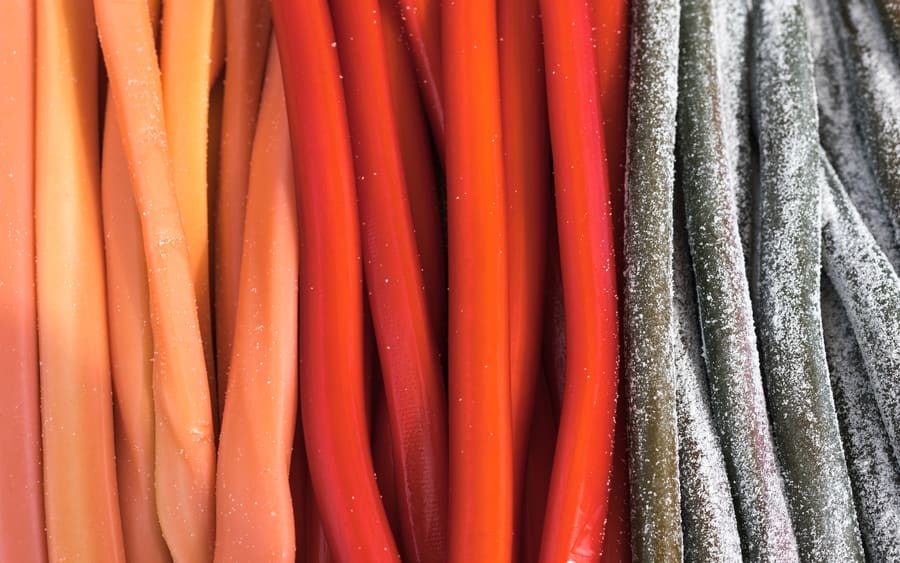
Licorice (Glycyrrhiza glabra) is a tall, woody-stemmed perennial reaching about 6½ ft (2 m), with dark green leaves and cream-to-mauve pea-like flowers. Its root, sweetened by glycyrrhizic acid (up to 50 times sweeter than sugar), has a powerful anti-inflammatory action, offering relief in respiratory, digestive, and even arthritic conditions. Licorice is widely used in Chinese, European, and Western herbal medicine.
 Magnolia (Magnolia officinalis)
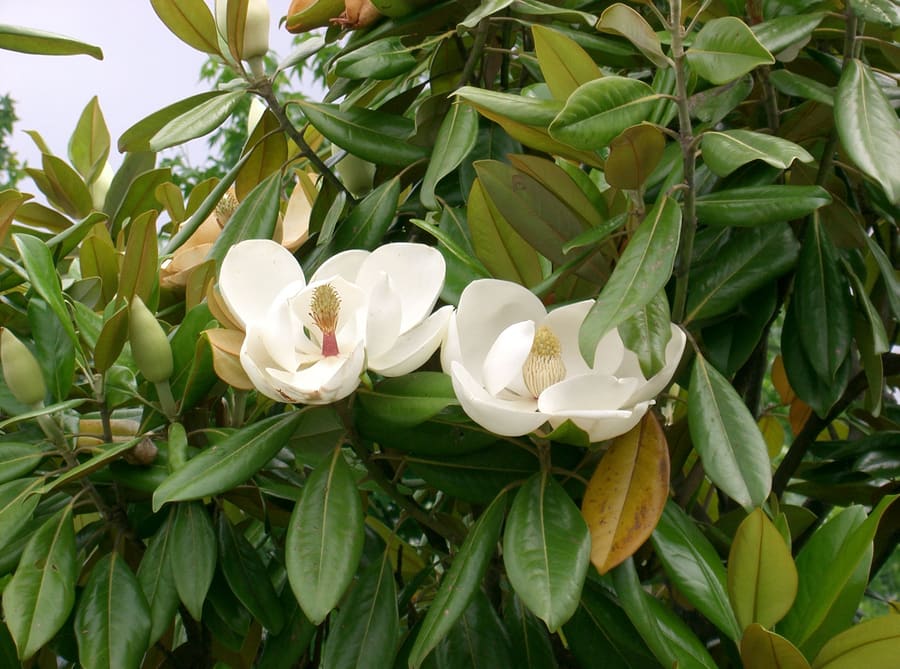
Magnolia (Magnolia officinalis) is a deciduous tree that can reach about 80 ft (25 m) in height, featuring large, aromatic bark, substantial green leaves, and fragrant creamy-white flowers. The dried bark - rich in lignans such as honokiol and magnolol - has shown anti-anxiety, anti-inflammatory, and antimicrobial properties, making it helpful for digestion, stress, and mental function.
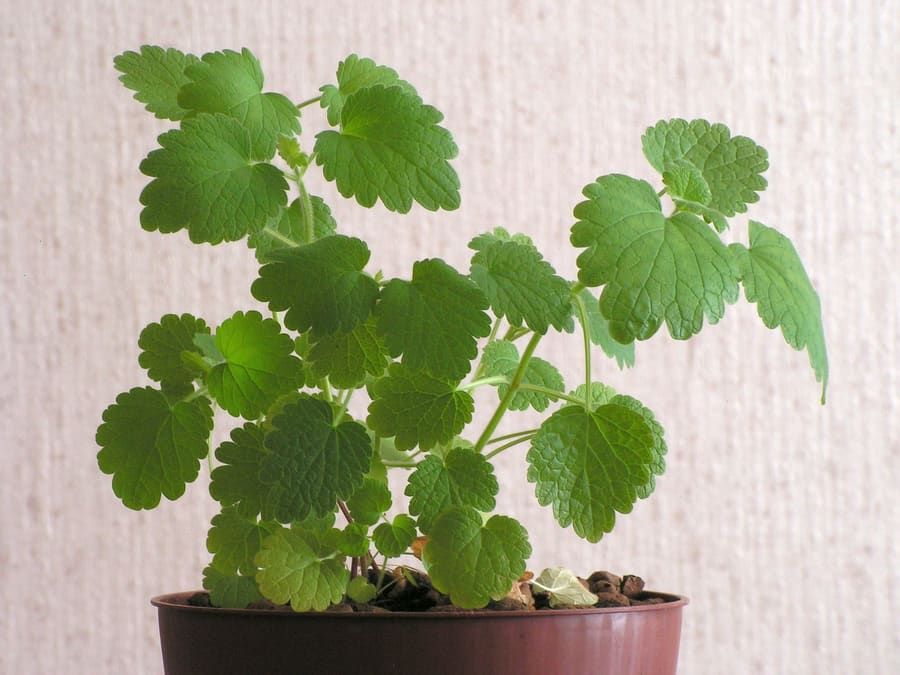 Motherwort (Leonurus cardiaca)
Motherwort (Leonurus cardiaca) is a perennial herb up to about 5 ft (1.5 m), featuring toothed, palm-shaped leaves and clusters of pink, double-lipped flowers. As both a nervine and a cardiac remedy, motherwort is traditionally prescribed for stress-related heart palpitations, mild hypertension, and female reproductive concerns.
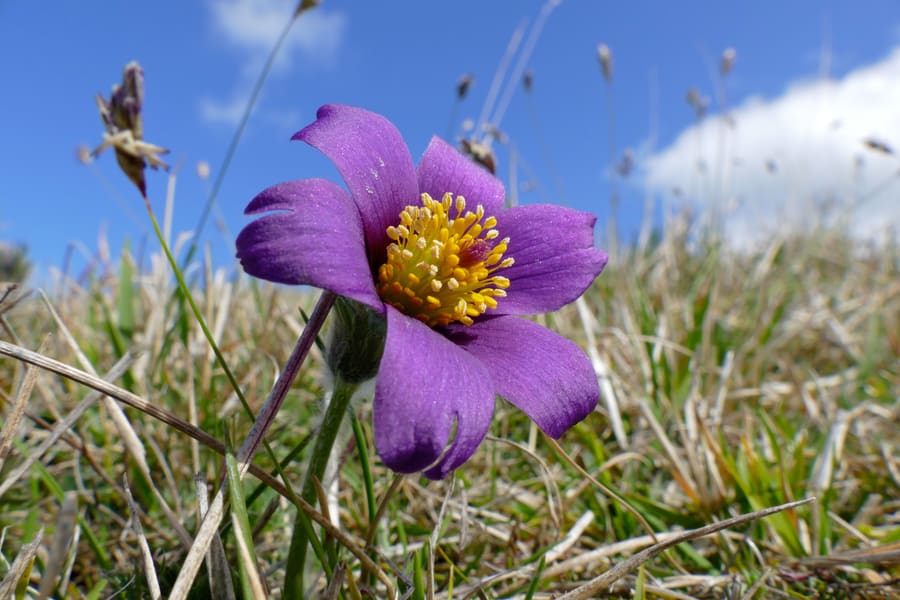 Pulsatilla (Pulsatilla vulgaris)Not for self-dosing
Pulsatilla (Pulsatilla vulgaris), also known as pasque flower, is a small, hairy perennial to about 6 in (15 cm). It bears purple-blue, bell-shaped flowers in spring. Traditionally used for spasmodic pain in the reproductive system, headaches, and emotional distress, pulsatilla can be helpful for mood swings, premenstrual syndrome, and nervous tension.
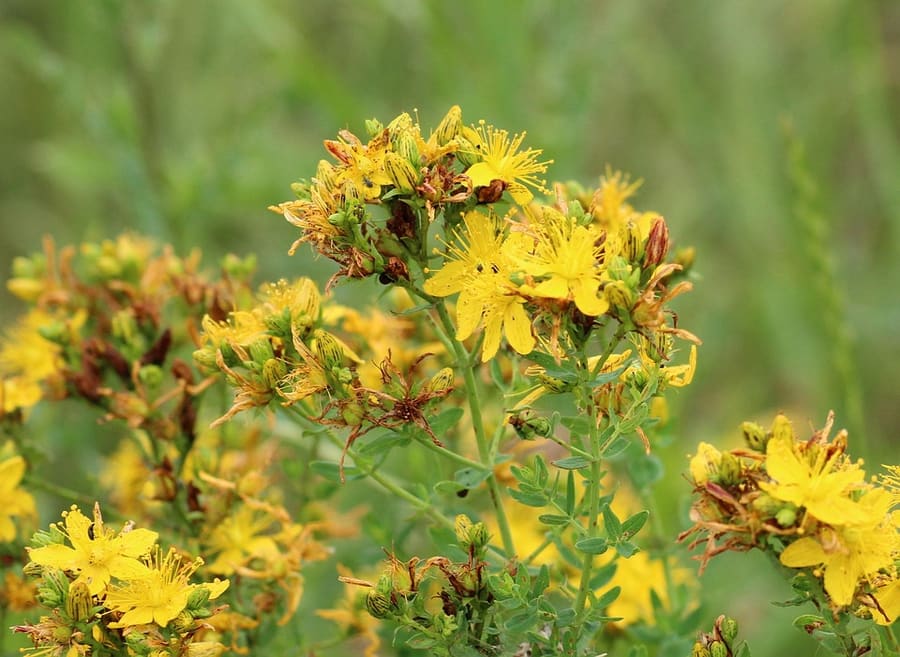 St. John’s Wort (Hypericum perforatum)
St. John’s wort (Hypericum perforatum) is an erect perennial reaching about 32 in (80 cm), with bright yellow flowers in clusters. It exudes a red pigment (“hypericin”) when the flowers or leaves are crushed. Known for uplifting mood, St. John’s wort also has antiviral and wound-healing properties.