
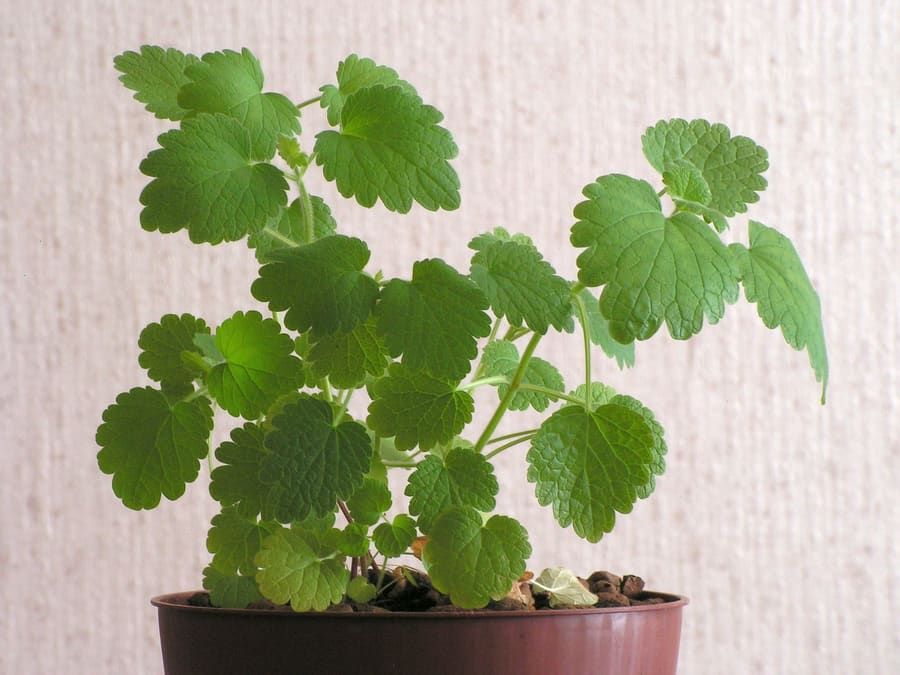
Motherwort (Leonurus cardiaca)
Photo: Bff · CC BY-SA 3.0
- Circulatory
- 2 conditions
- Licensed photo
Overview
Motherwort (Leonurus cardiaca) is a perennial herb up to about 5 ft (1.5 m), featuring toothed, palm-shaped leaves and clusters of pink, double-lipped flowers. As both a nervine and a cardiac remedy, motherwort is traditionally prescribed for stress-related heart palpitations, mild hypertension, and female reproductive concerns.
Traditional uses & properties
Cardiac Tonic & Hypotensive: Eases strain on the heart, lowers mild hypertension, reduces palpitations, and helps prevent heart disease. Nervine & Sedative: Quells anxiety and stress, particularly in those with heart-related nervousness. Emmenagogue & Menstrual Aid: Promotes menstruation and relieves cramps in cases of scant flow or uterine weakness. Cooling & Drying: Commonly used for “hot” conditions with nervous irritability and tension.
Traditional preparations
Traditional texts describe the preparations below, and where those texts give specific amounts, the amounts are quoted here as part of that record. This is a record of historical practice, not a dosage recommendation - the figures are what the sources say, not what HerbMate tells you to take. Amounts, potency, and safe use vary enormously by preparation, plant part, and person.
Make and infusion and take 2-4 ounces 1-4 times daily.
Safety & precautions
Pregnancy & Excessive Menstrual Bleeding: Avoid, as motherwort can stimulate uterine contractions and aggravate heavy bleeding. Medication Interactions: May impact blood pressure or heart medications; consult a professional.
Drug & food interactions
Interaction data is not available for this herb - talk to a pharmacist before combining it with any medication. A blank entry here means we have not documented interactions, not that none exist.
Habitat
Originally from central Asia, motherwort is naturalized in Europe and North America. It commonly grows in woodlands, roadsides, and open areas. The aerial parts are harvested in summer when flowering.
Traditionally used for
Each condition shows its first 2 remedies free. Premium opens the full remedy list for every condition - or come back for the free Condition of the Day.
Frequently asked questions
What is Motherwort (Leonurus cardiaca) traditionally used for?
Traditional sources describe Motherwort (Leonurus cardiaca) as follows: Cardiac Tonic & Hypotensive: Eases strain on the heart, lowers mild hypertension, reduces palpitations, and helps prevent heart disease. Nervine & Sedative: Quells anxiety and stress, particularly in those with heart-related nervousness. Emmenagogue & Menstrual Aid: Promotes menstruation and relieves cramps in cases of scant flow or uterine weakness. Cooling & Drying: Commonly used for “hot” conditions with nervous irritability and tension.
How is Motherwort (Leonurus cardiaca) prepared?
Traditional texts describe the preparations below, and where those texts give specific amounts, the amounts are quoted here as part of that record. This is a record of historical practice, not a dosage recommendation - the figures are what the sources say, not what HerbMate tells you to take. Amounts, potency, and safe use vary enormously by preparation, plant part, and person. High Blood Pressure: Make and infusion and take 2-4 ounces 1-4 times daily.
What safety cautions apply to Motherwort (Leonurus cardiaca)?
Pregnancy & Excessive Menstrual Bleeding: Avoid, as motherwort can stimulate uterine contractions and aggravate heavy bleeding. Medication Interactions: May impact blood pressure or heart medications; consult a professional.
Related herbs
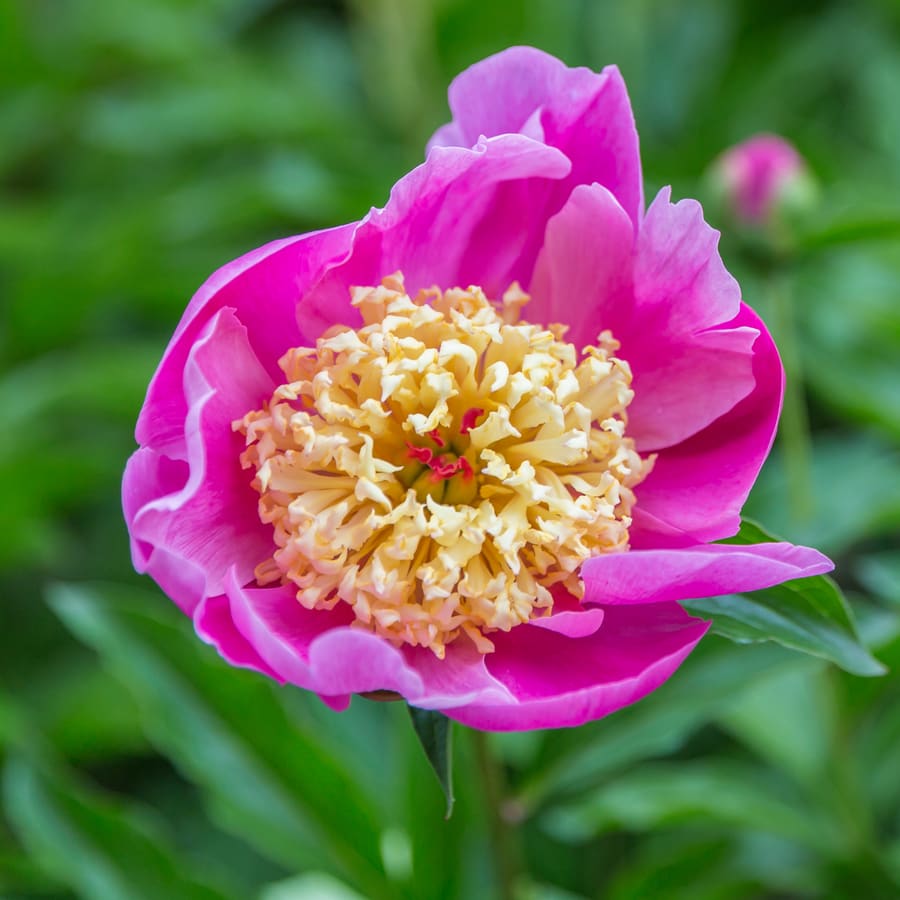 Chinese Peony / White Peony (Paeonia lactiflora)
White peony is an upright perennial growing to 6.5 feet with large white flowers and divided, dark green leaves. Its history of medicinal use in China stretches back at least 1,500 years, most notably as one of the herbs in 'Four Things Soup,' a renowned female tonic. Traditionally, it is believed that women who take the herb regularly become as radiant as the flower itself. The plant is cultivated throughout northeastern China and Inner Mongolia, propagated from seed in spring or from root cuttings in winter. The root of 4- or 5-year-old plants is harvested in spring or autumn and valued as a hormonal tonic.
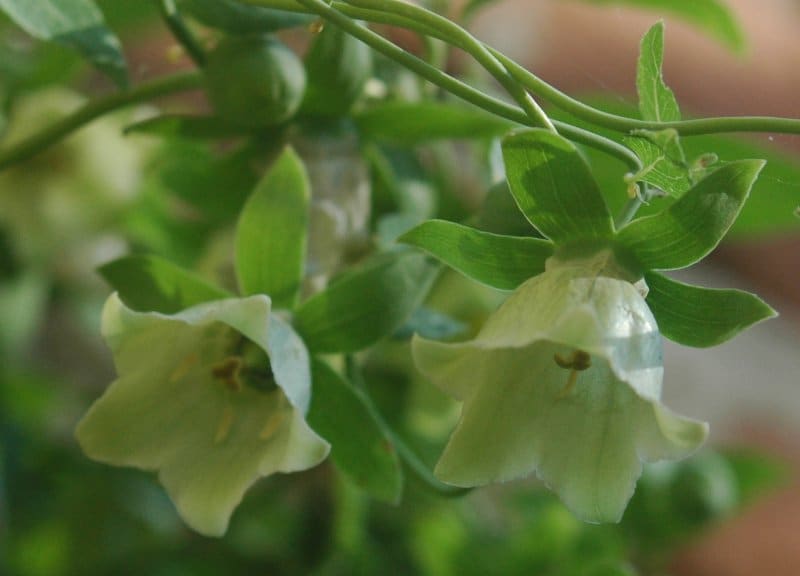 Codonopsis (Codonopsis pilosula)
Codonopsis is a small twining perennial growing to 5 feet with oval leaves and pendulous green and purple bell-shaped flowers marked with purple in summer. Native to northeastern China and growing throughout the region - especially in the Shanxi and Szechuan provinces - it is propagated from seed in spring or autumn, and the root is harvested in autumn once the aerial parts have died down. In Chinese herbal medicine, codonopsis holds a central place as a gentle tonic that increases energy levels, improves physical and mental well-being, and helps the body adapt to stress.
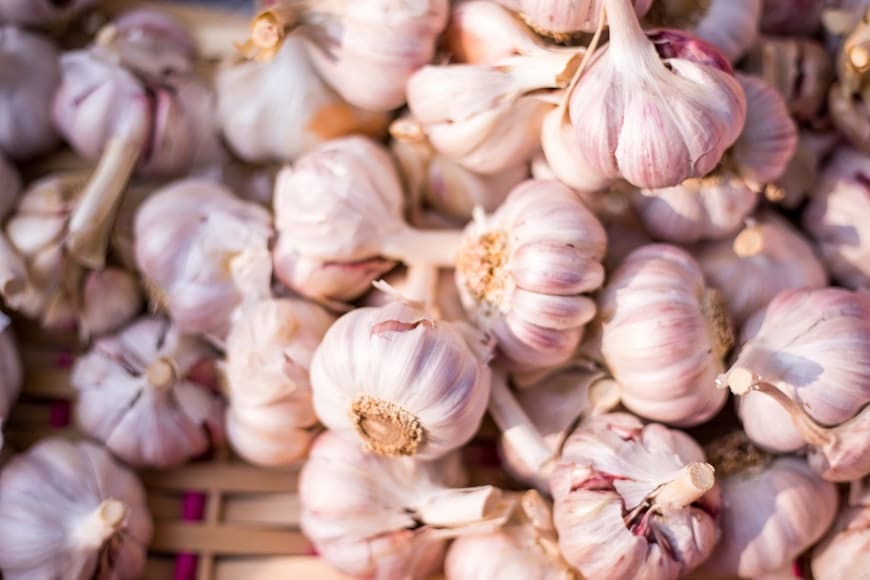 Garlic (Allium sativum)
Garlic (Allium sativum) is a bulbous perennial in the onion family, recognized for its sharp flavor and characteristic odor. Highly valued for both culinary and medicinal purposes, crushed fresh garlic contains allicin, which has potent antibiotic, antifungal, and antiviral properties. Regular garlic intake supports immunity, respiratory health, and circulatory function.
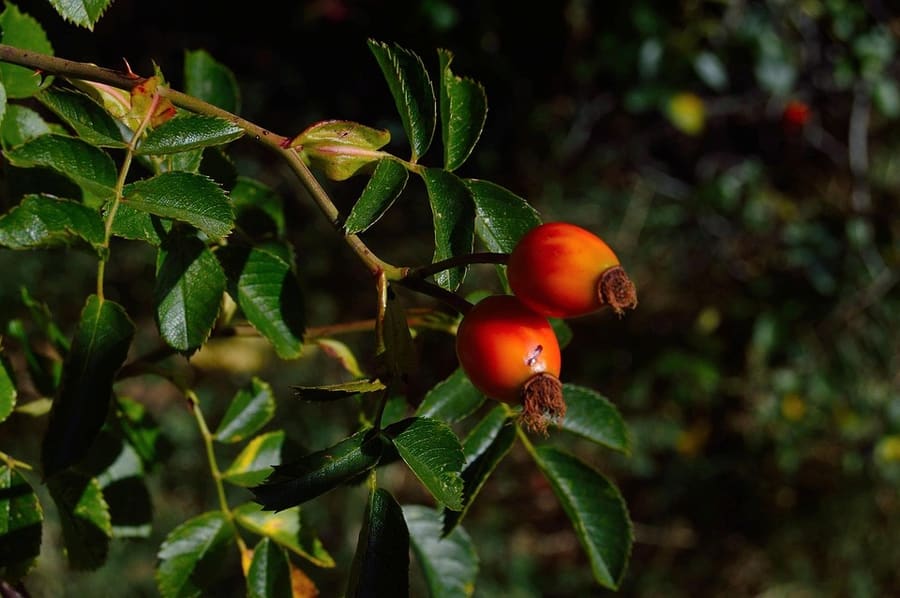 Goji Berry (Lycium chinense)
Goji berry (Lycium barbarum) is a deciduous shrub that can grow up to about 13 ft (4 m), bearing bright green leaves and vivid scarlet berries. A key tonic in Traditional Chinese Medicine, goji berries are believed to support longevity, with references stretching back to the 1st century ce. Both the berries (rich in vitamins, polysaccharides, and carotenoids) and the root have diverse medicinal applications.
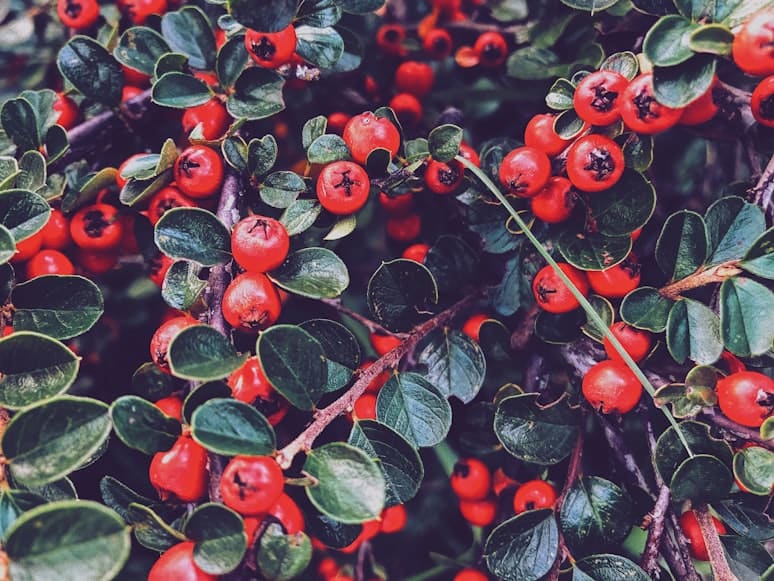 Hawthorn (Crataegus oxyacantha)
Hawthorn (Crataegus spp.) is a deciduous, thorny tree reaching up to about 26 ft (8 m), adorned with small lobed leaves, clusters of white blossoms, and bright red berries. Renowned as a cardiac tonic, hawthorn is often called “food for the heart,” enhancing the heart’s strength, improving blood flow to heart muscle, and helping normalize blood pressure. It also reduces stress and assists digestion when used regularly.
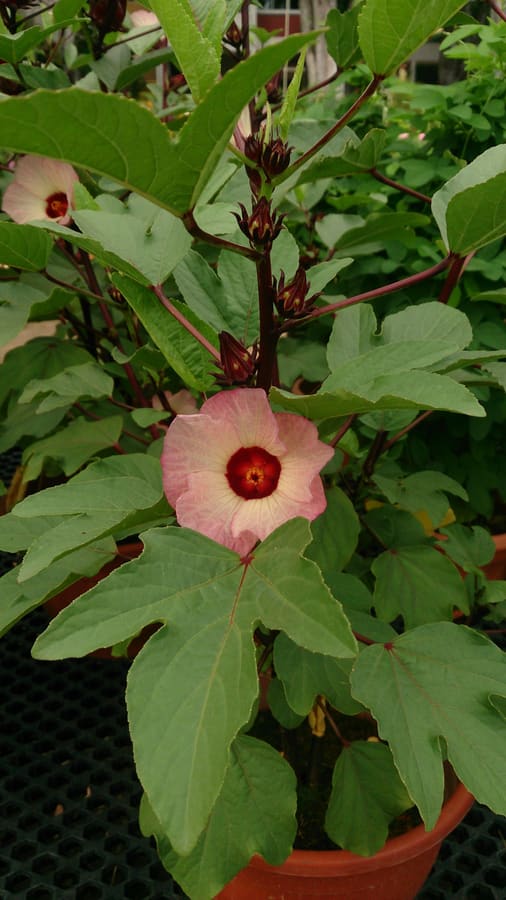 Hibiscus (Hibiscus sabdariffa)
Hibiscus (Hibiscus sabdariffa) is a shrub (reaching about 6½ ft / 2 m) producing large, showy flowers and brightly colored calyces. Valued for its tangy, ruby-red tea (“hibiscus tea” or “jamaica” in parts of Latin America), hibiscus is mildly sedative, cooling, and supportive of cardiovascular health, digestion, and general well-being.
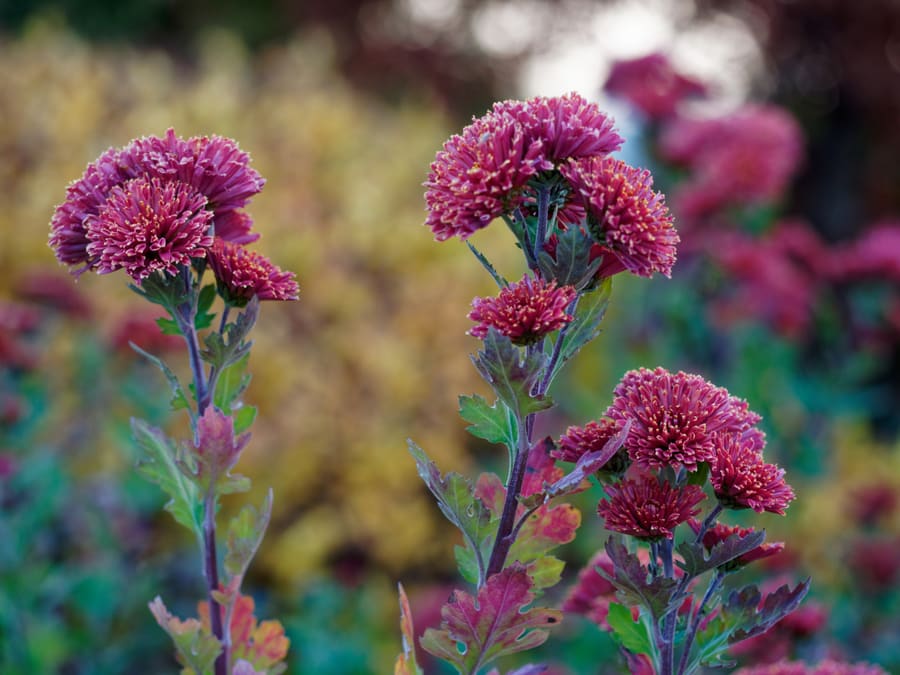 Ju Hua (Chrysanthemum x morifolium)
Ju hua (Chrysanthemum x morifolium), commonly called the florists’ chrysanthemum, is a perennial reaching about 5 ft (1.5 m), producing clusters of white or yellow daisy-like flowers. In Traditional Chinese Medicine (TCM), it’s a well-known remedy for eye problems, infections, and high blood pressure.
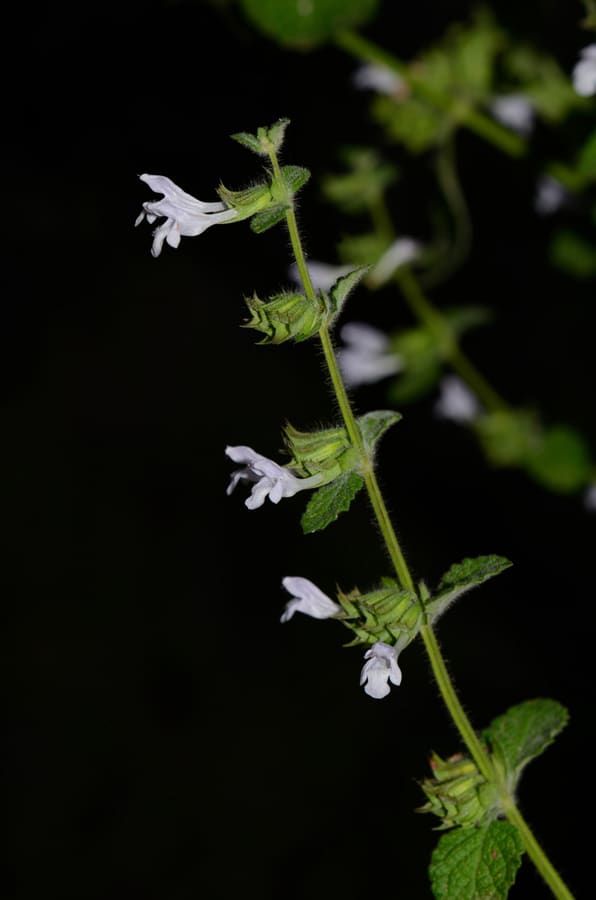 Lemon Balm (Melissa officinalis)
Lemon balm (Melissa officinalis) is a sweetly scented, perennial herb growing up to about 5 ft (1.5 m), with small white flowers and toothed leaves that release a distinct lemon aroma. Traditionally used as a calming herb for stress, insomnia, and mild depression, lemon balm also exhibits notable antiviral properties - especially against herpes simplex.