

Herbs for Poor Circulation
3 herbs traditionally used for this condition.
- Dong Quai (Angelica sinensis)
Dong quai (Angelica sinensis) is a stout, upright perennial growing to about 6½ ft (2 m), often described as the “women’s ginseng” in China. It serves as a key female tonic in Traditional Chinese Medicine (TCM), helping to build and enrich the blood, support menstrual health, and improve circulation—especially in the pelvic region. The rhizome has a strong, sweet, pungent aroma and is frequently used in cooking for its tonic benefits.
- Cayenne (Capsicum annuum)
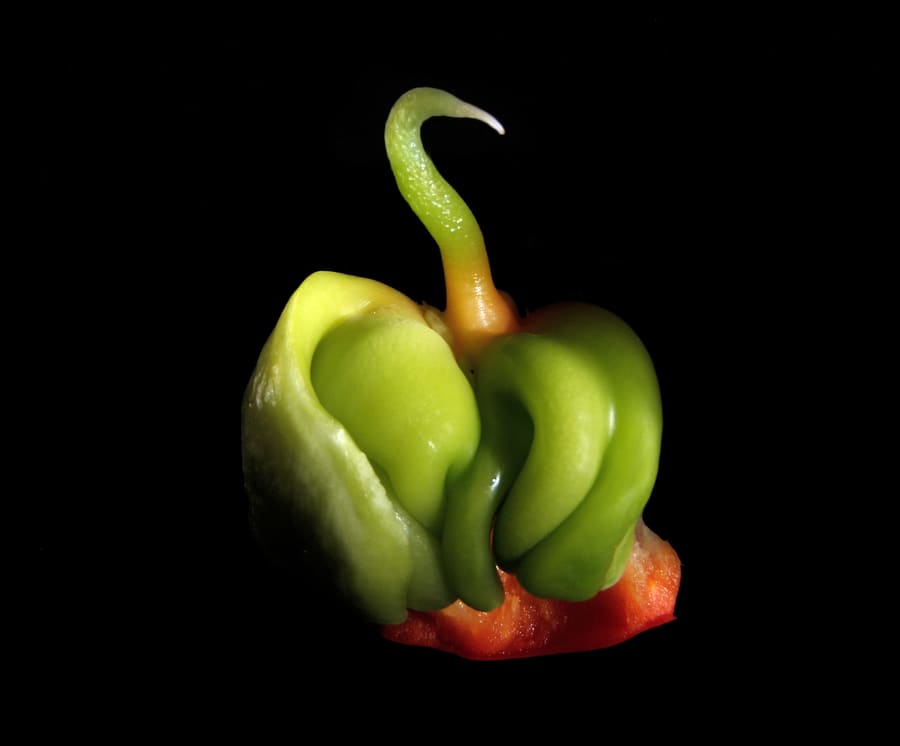
Cayenne (Capsicum frutescens) is a tropical pepper renowned for its hot, pungent taste and powerful warming action. Medicinally, it is noted for stimulating circulation throughout the body, strengthening the heartbeat, and supporting healing by improving blood supply to tissues. Cayenne is sometimes considered a “cure-all” in Western herbal traditions due to its broad impact on circulation and tissue repair. It also has analgesic properties, thanks to capsaicin, which depletes substance P (a pain mediator), thereby reducing discomfort in conditions like neuralgia or arthritis.
- Ginkgo (Ginkgo biloba)
Ginkgo (Ginkgo biloba) is a distinctive, long-lived deciduous tree that can grow up to about 100 ft (30 m). It has fan-shaped leaves with radiating veins, often turning bright yellow in autumn. Ginkgo is widely revered for its benefits to circulation, especially in the brain, where it can help improve memory, concentration, and support cognitive function.