
Ginkgo (Ginkgo biloba)
Photo: Dietmar Rabich · CC BY-SA 4.0
- Circulatory
- 8 conditions
- Licensed photo
Overview
Ginkgo (Ginkgo biloba) is a distinctive, long-lived deciduous tree that can grow up to about 100 ft (30 m). It has fan-shaped leaves with radiating veins, often turning bright yellow in autumn. Ginkgo is widely revered for its benefits to circulation, especially in the brain, where it can help improve memory, concentration, and support cognitive function.
Traditional uses & properties
Cerebral Tonic & Antioxidant: Protects brain cells, may slow cognitive decline in conditions like dementia, and improves mental alertness over time. Vasodilator & Hypotensive: Enhances blood flow to the brain and extremities, beneficial for tinnitus, vertigo, and diabetic retinopathy. Anti-Inflammatory: Research suggests it reduces inflammatory damage to nerve tissue. Traditional Chinese Medicine: Seeds are used for wheezing, excess phlegm, and urinary concerns; leaves for asthma and circulatory issues.
Traditional preparations
Traditional texts describe the preparations below, and where those texts give specific amounts, the amounts are quoted here as part of that record. This is a record of historical practice, not a dosage recommendation - the figures are what the sources say, not what HerbMate tells you to take. Amounts, potency, and safe use vary enormously by preparation, plant part, and person.
Make a tincture of leaves and take 1 tsp 2-3 times per day with water.
Take ginkgo tablets. These need to be taken regularly for at least 3 months.
Safety & precautions
Blood-Thinning: Consult a healthcare professional if using anticoagulants, as ginkgo can reduce blood clotting time. Pregnancy: Safety not established; exercise caution. Dosage: Avoid excessive intake, as high doses may be toxic.
Drug & food interactions
Ginkgo appears to decrease the levels of omeprazole; it seems likely that most other proton pump inhibitors will be similarly affected. Some evidence suggests that diltiazem and nifedipine levels may be raised by ginkgo, whereas nicardipine levels may be reduced. Isolated cases of bleeding have been seen when ginkgo has been taken with conventional antiplatelet drugs, anticoagulants and NSAIDs, and some cases have occurred with ginkgo alone, although a clinically relevant antiplatelet effect for ginkgo alone is not established. Isolated case reports also suggest that ginkgo may cause seizures in patients taking phenytoin and/or valproate and one case had decreased phenytoin and valproate levels. Phenobarbital levels do not appear to be significantly affected, although this is based on experimental data only. Isolated cases also describe coma in a patient taking trazodone with ginkgo, priapism in a patient taking ginkgo with risperidone, and CNS depression in a patient taking ginkgo with valerian, although this case is confused by alcohol consumption. There are some animal data suggesting that ciclosporin levels might be reduced by ginkgo, and it has been suggested that the extrapyramidal adverse effects of haloperidol and the ototoxic effects of amikacin may be enhanced by ginkgo. Ginkgo does not appear to affect the pharmacokinetics/metabolism of alprazolam, caffeine, chlorzoxazone, dextromethorphan, diclofenac, digoxin, donepezil, fexofenadine, flurbiprofen, lopinavir/ritonavir, midazolam, propranolol, theophylline, or tolbutamide to a clinically relevant extent.
- Theophylline
- The interaction between ginkgo and theophylline is based on experimental evidence only.
- Chlorzoxazone
- Ginkgo does not appear to affect the pharmacokinetics of chlorzoxazone.
- Antiepileptics
- Case reports describe seizures in three patients taking valproate, or valproate and phenytoin, when ginkgo was also taken. A 55-year-old man taking valproate and phenytoin for a seizure disorder that developed following coronary artery bypass surgery suffered a fatal breakthrough seizure while swimming a year later. Analysis of his medical history showed that he had unexplained subtherapeutic serum levels of valproate and phenytoin on three occasions over the previous year. It was later found that the patient had also been taking numerous vitamins, supplements and herbal medicines without the knowledge of his physician, of which a ginkgo extract was stated to be the most common ingredient. The only other herbal medicines named in the report were ginseng and saw palmetto. In another case, a 78-year-old man, whose epileptic seizures had been well controlled by valproate 1.2 g daily for 7 years, suffered a cluster of seizures after taking a ginkgo extract 120 mg daily for 2 weeks for the management of mild cognitive impairment. The ginkgo was stopped and the patient was reportedly seizure free 8 months later. All other medications taken by the patient remained unchanged. An 84-year-old epileptic woman with severe dementia taking valproate 1.2 g daily had been seizure free for 2 years. After taking a ginkgo extract 120 mg daily for 12 days prescribed by her psychiatrist, she suffered a cluster of seizures, which were treated with intravenous diazepam in the accident and emergency department. The ginkgo extract was stopped on admission and the patient remained free of seizures 4 months later. All other medications taken by the patient were unchanged.
- Risperidone
- An isolated case describes priapism in a patient taking risperidone and ginkgo. A 26-year-old paranoid schizophrenic who had been taking risperidone 3 mg daily for the past 3 years developed priapism that had lasted for 4 hours 2 weeks after starting ginkgo 160mg daily for occasional tinnitus. The priapism required treatment, and both ginkgo and risperidone were stopped. Risperidone was then restarted and the patient reported no further episodes of priapism at follow-up 6 months later.
- Donepezil
- Ginkgo does not appear to alter the pharmacokinetics or effects of donepezil.
- Fexofenadine
- Ginkgo does not appear to affect the pharmacokinetics of fexofenadine.
- Calcium channel blockers; Nifedipine
- Ginkgo may increase the levels and some of the effects of nifedipine. In the preliminary report of a clinical study, 22 healthy subjects were given ginkgo 120mg daily for 18 days before a single 10-mg oral dose of nifedipine. Ginkgo increased the levels of nifedipine by about 50%. In another study, a single 240-mg dose of ginkgo extract did not significantly affect the pharmacokinetics of a single 10-mg oral dose of nifedipine when they were given at the same time to 8 healthy subjects. However, the maximum level tended to increase (30% increase), and two subjects experienced a doubling of nifedipine maximum serum levels. In addition, the incidence and severity of headaches, hot flushes and dizziness tended to be higher with the combination when compared with nifedipine alone. Subjects also experienced increased heart rate with the combination although the decrease in blood pressure was unaffected. The ginkgo extract used in this study contained 24% flavonoids and 6% terpene lactones.
- Dextromethorphan
- Ginkgo does not appear to affect the metabolism of dextromethorphan. Ginkgo leaf extract 120 mg twice daily for 16 days was given to 12 healthy subjects with a single 30-mg dose of dextromethorphan on day 14. The ginkgo preparation (Ginkgold) contained ginkgo flavonol glycosides 24% and terpene lactones 6%. There was no change in the metabolism of dextromethorphan when it was taken after the ginkgo. In 12 healthy subjects, ginkgo 60 mg four times daily for 28 days did not significantly affect the metabolism of debrisoquine 5 mg. The ginkgo preparation used was standardised to 24% flavone glycosides and 6% terpene lactones. These findings were repeated in a later study using the same criteria in 12 elderly healthy subjects.
- Proton pump inhibitors
- Ginkgo induces the metabolism of omeprazole. Most other proton pump inhibitors are likely to be similarly affected. In one study, 18 healthy Chinese subjects were given a single 40-mg dose of omeprazole before and after a 12-day course of a standardised extract of ginkgo 140 mg twice daily. The subjects were divided into three groups: homozygous extensive CYP2C19 metabolisers (6 subjects), heterozygous extensive CYP2C19 metabolisers (5) and poor CYP2C19 metabolisers (7). The AUC of omeprazole was modestly decreased by 42%, 27% and 40%, respectively, and the plasma levels of the inactive metabolite, hydroxyomeprazole, were increased by 38%, 100% and 232% in the three groups, respectively. Renal clearance of hydroxyomeprazole was also reduced by ginkgo.
- Food
- No interactions found.
- Digoxin
- Ginkgo does not appear to affect the pharmacokinetics of digoxin. A study in 8 healthy subjects found that ginkgo leaf extract 80 mg three times daily had no significant effects on the pharmacokinetics of a single 500-microgram dose of digoxin.
- Protease inhibitors
- Ginkgo does not appear to affect the pharmacokinetics of lopinavir/ritonavir. In a study in 14 healthy subjects, ginkgo 120 mg twice daily for 2 weeks had no significant effect on the pharmacokinetics of lopinavir/ritonavir 400 mg/100 mg twice daily (given for 2 weeks alone before adding the ginkgo). The ginkgo extract was assayed and contained 29% flavonol glycosides and 5% terpene lactones.
- Warfarin and related drugs
- Evidence from pharmacological studies in patients and healthy subjects suggests that ginkgo does not usually interact with warfarin. However, an isolated report describes intracerebral haemorrhage associated with the use of ginkgo and warfarin, and there are a few reports of bleeding associated with the use of ginkgo alone. In a randomised, crossover study in 21 patients stabilised on warfarin, ginkgo extract 100 mg daily (Bio-Biloba) for 4 weeks did not alter the INR or the required dose of warfarin, when compared with placebo. Similarly, in another study in healthy subjects, Tavonin (containing standardised dry extract EGb 761 of ginkgo equivalent to 2 g of leaf) two tablets three times daily for 2 weeks did not affect either the pharmacokinetics or pharmacodynamics (INR) of a single dose of warfarin given on day 7. Moreover, a retrospective review of 21 clinical cases involving the concurrent use of ginkgo and warfarin also found no evidence of altered INRs. Conversely, a report describes an intracerebral haemorrhage, which occurred in an elderly woman within 2 months of her starting to take ginkgo. Her prothrombin time was found to be 16.9 seconds and her partial thromboplastin time was 35.5 seconds. She had been taking warfarin uneventfully for 5 years. The author of the report speculated that ginkgo may have contributed towards the haemorrhage.
- Calcium channel blockers; Nicardipine
- The interaction between ginkgo and nicardipine is based on experimental evidence only.
- Haloperidol
- Animal studies suggest that ginkgo may increase extrapyramidal effects in response to haloperidol, but clinical studies do not appear to have reported this effect. Ginkgo has been tried in schizophrenia as an addition to standard antipsychotics such as haloperidol. For example, in one clinical study, an improvement in positive symptoms was seen in 43 schizophrenic patients given ginkgo extract 360 mg daily with haloperidol 250 micrograms/kg daily for 12 weeks. This study did not report any adverse events.
- Antiplatelet drugs
- Ginkgo biloba has been associated with platelet, bleeding and clotting disorders, and there are isolated reports of serious adverse reactions after its concurrent use with antiplatelet drugs such as aspirin, clopidogrel and ticlopidine. A study in 10 healthy subjects found no significant increase in the antiplatelet effects of single doses of clopidogrel 75 mg or cilostazol 100 mg when a single dose of ginkgo 120 mg was added. However, the bleeding time was significantly increased when cilostazol was combined with ginkgo, although none of the subjects developed any significant adverse effects. Another study in 8 healthy subjects found that ginkgo 40 mg three times daily had no significant effect on the pharmacokinetics of a single 250-mg dose of ticlopidine taken on day 4. A randomised, double-blind study in 55 patients with established peripheral artery disease (PAD), or with risk factors for developing PAD, found that the addition of ginkgo 300mg (standardised extract EGb 761) in divided doses to aspirin 325 mg daily did not have a significant effect on platelet aggregation. Five of the patients taking combined therapy reported nosebleeds or minor bleeding; however, 4 patients from the aspirin-only group also reported minor bleeding. Similarly, a study in 41 healthy subjects found that 120-mg ginkgo-coated tablets (EGb 761) twice daily had no effect on the antiplatelet activity of aspirin 500 mg daily given for 7 days. Minor bleeding was seen in a few subjects but this was attributed to the use of aspirin. In an analysis of supplement use, 23% of 123 patients were currently taking supplements, and 4 patients were found to be taking ginkgo and aspirin. However, no problems from this use were found on review of the patients’ notes. Nevertheless, a number of cases of clinically significant bleeding have been reported. A 70-year-old man developed spontaneous bleeding from the iris into the anterior chamber of his eye within one week of starting to take a ginkgo supplement (Ginkoba) tablet twice daily. He experienced recurrent episodes of blurred vision in one eye lasting about 15 minutes, during which he could see a red discoloration through his cornea. Each tablet contained 40 mg of concentrated (50:1) extract of ginkgo. He was also taking aspirin 325 mg daily, which he had taken uneventfully for 3 years since having coronary bypass surgery. He stopped taking the ginkgo but continued with the aspirin, and 3 months later had experienced no recurrence of the bleeding. Another case reports persistent postoperative bleeding from a hip arthroplasty wound, which continued despite stopping aspirin. On closer questioning, the patient had continued to take ginkgo extract 120 mg daily postoperatively. The oozing from the wound gradually reduced when the ginkgo was stopped. A search of Health Canada’s database of spontaneous adverse reactions for the period January 1999 to June 2003 found 21 reports of suspected adverse reactions associated with ginkgo. Most of these involved platelet, bleeding and clotting disorders. One report of a fatal gastrointestinal haemorrhage was associated with ticlopidine and ginkgo, both taken over 2 years along with other medications. Another report was of a stroke in a patient taking multiple drugs, including clopidogrel, aspirin and a herbal product containing ginkgo
- Tolbutamide
- Gingko does not appear to have a clinically relevant effect on the metabolism or blood-glucose-lowering effects of tolbutamide. In healthy subjects, ginkgo extract (Ginkgold) 120mg twice daily for 7 days had no effect on the urinary metabolic ratio of tolbutamide. In another study in 10 healthy subjects, ginkgo 360 mg daily for 28 days slightly reduced the AUC of a single 125-mg oral dose of tolbutamide by about 16%, with no significant changes in other pharmacokinetic parameters. The ginkgo product used was Ginkgold, which contained 24% flavone glycosides and 6% terpene lactones. The pharmacodynamics of tolbutamide were not significantly altered although there was a tendency towards the attenuation of its hypoglycaemic effects by ginkgo (14% reduction).
- Propranolol
- The interaction between ginkgo and propranolol is based on experimental evidence only.
- Trazodone
- Coma developed in an elderly patient with Alzheimer’s disease after she took trazodone and ginkgo. An 80-year-old woman with Alzheimer’s disease became comatose a few days after starting to take low-dose trazodone 20 mg twice daily and ginkgo. The patient woke immediately after being given flumazenil 1 mg intravenously
- Caffeine
- Ginkgo does not appear to affect the pharmacokinetics of caffeine. In 12 healthy subjects, ginkgo 60 mg four times daily for 28 days did not affect the metabolism of caffeine 100 mg. The ginkgo preparation used was standardised to 24% flavone glycosides and 6% terpene lactones. These findings were repeated in a later study using the same criteria in 12 elderly healthy subjects.
- Calcium channel blockers; Diltiazem
- The interaction between ginkgo and diltiazem is based on experimental evidence only.
- NSAIDs
- An isolated case describes fatal intracerebral bleeding in a patient taking ginkgo with ibuprofen, and another case describes prolonged bleeding and subdural haematomas in another patient taking gingko and rofecoxib. Studies with diclofenac and flurbiprofen showed that ginkgo had no effect on the pharmacokinetics of these drugs. A case of fatal intracerebral bleeding has been reported in a 71-year-old patient taking a ginkgo supplement (Gingium) 4 weeks after he started to take ibuprofen 600mg daily. A 69-year-old man taking a ginkgo supplement and rofecoxib had a subdural haematoma after a head injury, then recurrent small spontaneous haematomas. He was subsequently found to have a prolonged bleeding time, which returned to normal 1 week after stopping the ginkgo supplement and rofecoxib, and remained normal after restarting low-dose rofecoxib. A placebo-controlled study in 11 healthy subjects who were given ginkgo leaf (Ginkgold) 120mg twice daily for three doses, followed by a single 100-mg dose of flurbiprofen, found that the pharmacokinetics of flurbiprofen were unchanged. A study in 12 healthy subjects who were given diclofenac 50 mg twice daily for 14 days, with ginkgo extract (Ginkgold) 120 mg twice daily on days 8 to 15, found no alteration in the AUC or oral clearance of diclofenac.
- Phenobarbital
- The interaction between ginkgo and phenobarbital is based on experimental evidence only.
- Ciclosporin
- The interaction between ginkgo and ciclosporin is based on experimental evidence only.
- Herbal medicines; Valerian
- A case report describes psychotic symptoms in a woman who took ginkgo with valerian, but an interaction was not established as the cause. A 51-year-old woman taking valerian 1 to 2 g daily and an unknown amount of ginkgo daily, and who regularly consumed over 1 L of wine daily, was admitted to hospital after a fainting episode and changes in mental status. Over the next couple of days she exhibited a variety of psychotic symptoms including paranoid delusions, disorganised behaviour, anxiety and auditory hallucinations. Her blood-alcohol level was zero on admission and there was no evidence of alcohol withdrawal during her stay in hospital.
- Aminoglycosides
- The interaction between ginkgo and amikacin is based on experimental evidence only.
- Benzodiazepines
- Ginkgo does not significantly affect the pharmacokinetics of alprazolam. Studies with midazolam suggest that ginkgo may increase, decrease or have no effect on its metabolism. (a) Alprazolam Ginkgo leaf extract 120 mg twice daily for 16 days was given to 12 healthy subjects before and with a single 2-mg dose of alprazolam on day 14. The ginkgo preparation (Ginkgold) was standardised to ginkgo flavonol glycosides 24% and terpene lactones 6%. The alprazolam AUC was reduced by 17%, and the maximum concentration was not significantly affected. (b) Midazolam In 12 healthy subjects, ginkgo 60 mg four times daily for 28 days did not affect the metabolism of midazolam 8 mg. The ginkgo preparation used was stated to contain 24% flavone glycosides and 6% terpene lactones. These findings were repeated in a later study using the same criteria in 12 elderly healthy subjects. In contrast, in another similar study, ginkgo 120 mg twice daily modestly reduced the AUC and maximum serum levels of a single 8-mg dose of midazolam by about one-third. The ginkgo preparation was assayed, and contained 29% flavonol glycosides and 5% terpene lactones. Furthermore, in yet another study in 10 healthy subjects, ginkgo 360 mg daily for 28 days increased the AUC of a single 8-mg dose of oral midazolam by about one-quarter. The ginkgo preparation used was Ginkgold, which was stated to contain 24% flavone glycosides and 6% terpene lactones.
These entries keep the wording of the reference they come from, and three phrases mean three different things. "No interactions found" means the source looked for reports of that pairing and found none. "No data found" means nothing has been published either way. "Based on experimental evidence only" means the effect has been seen in a laboratory or animal study but not in people - a reason for caution, not a report of harm.
Habitat
Originally from China, ginkgo trees are now cultivated extensively in large plantations in China, France, and parts of the U.S. They produce roundish fruits about 1 in (3 cm) across, while the leaves are harvested in autumn for medicinal extracts.
Traditionally used for
- Low Blood Pressure4 herbs · 2 free
- Poor Circulation4 herbs · 2 free
- Stroke2 herbs
- Low Sex Drive4 herbs · 2 free
- Glaucoma2 herbs
- Tinnitus3 herbs · 2 free
- Vertigo4 herbs · 2 free
- Memory Support6 herbs · 2 free
Each condition shows its first 2 remedies free. Premium opens the full remedy list for every condition - or come back for the free Condition of the Day.
Frequently asked questions
What is Ginkgo (Ginkgo biloba) traditionally used for?
Traditional sources describe Ginkgo (Ginkgo biloba) as follows: Cerebral Tonic & Antioxidant: Protects brain cells, may slow cognitive decline in conditions like dementia, and improves mental alertness over time. Vasodilator & Hypotensive: Enhances blood flow to the brain and extremities, beneficial for tinnitus, vertigo, and diabetic retinopathy. Anti-Inflammatory: Research suggests it reduces inflammatory damage to nerve tissue. Traditional Chinese Medicine: Seeds are used for wheezing, excess phlegm, and urinary concerns; leaves for asthma and circulatory issues.
How is Ginkgo (Ginkgo biloba) prepared?
Traditional texts describe the preparations below, and where those texts give specific amounts, the amounts are quoted here as part of that record. This is a record of historical practice, not a dosage recommendation - the figures are what the sources say, not what HerbMate tells you to take. Amounts, potency, and safe use vary enormously by preparation, plant part, and person. Low Circulation, Low Blood Pressure: Make a tincture of leaves and take 1 tsp 2-3 times per day with water. Memory Support: Take ginkgo tablets. These need to be taken regularly for at least 3 months.
What safety cautions apply to Ginkgo (Ginkgo biloba)?
Blood-Thinning: Consult a healthcare professional if using anticoagulants, as ginkgo can reduce blood clotting time. Pregnancy: Safety not established; exercise caution. Dosage: Avoid excessive intake, as high doses may be toxic.
Related herbs
 Goji Berry (Lycium chinense)
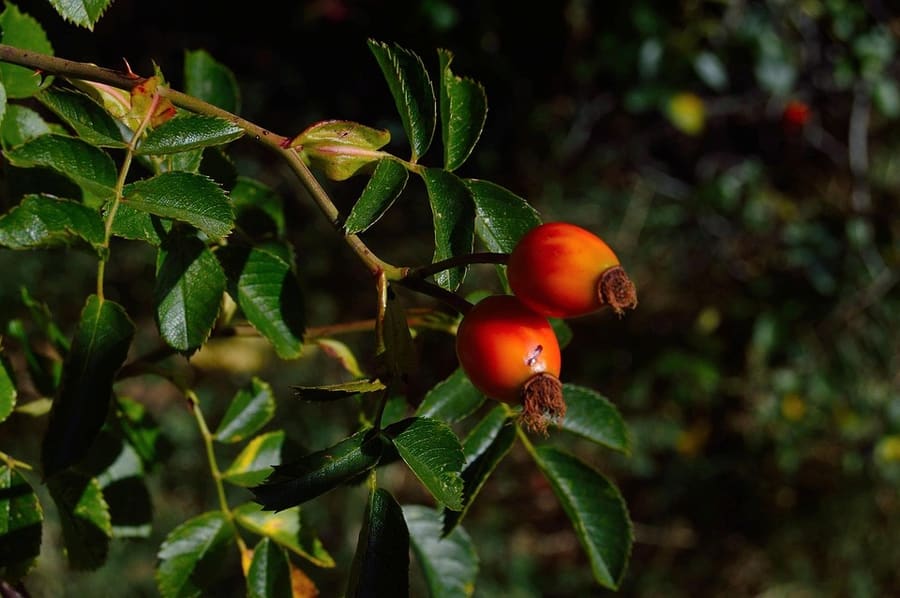
Goji berry (Lycium barbarum) is a deciduous shrub that can grow up to about 13 ft (4 m), bearing bright green leaves and vivid scarlet berries. A key tonic in Traditional Chinese Medicine, goji berries are believed to support longevity, with references stretching back to the 1st century ce. Both the berries (rich in vitamins, polysaccharides, and carotenoids) and the root have diverse medicinal applications.
 Rosemary (Rosmarinus officinalis)
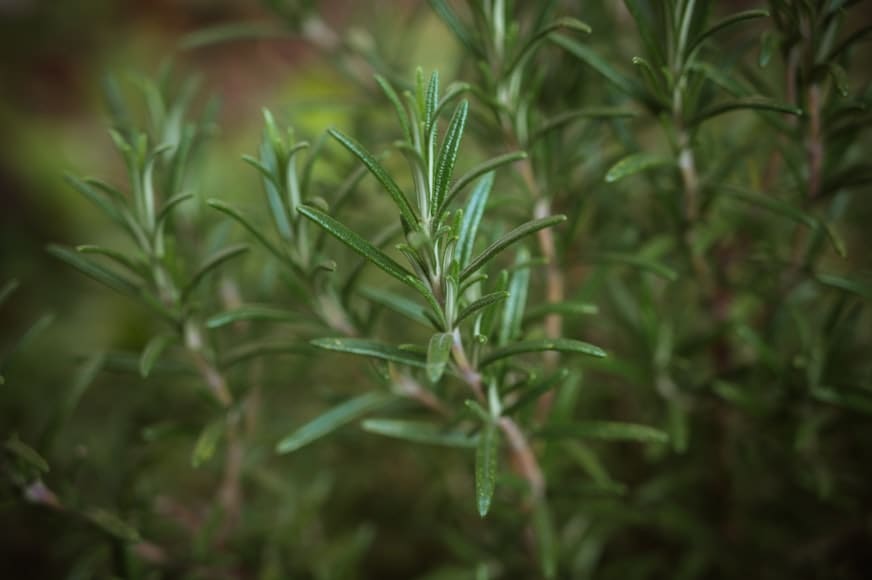
Rosemary (Rosmarinus officinalis) is an aromatic evergreen shrub, commonly growing to about 6½ ft (2 m), with narrow, pinelike leaves and small, pale blue flowers. Known for its distinctive flavor in Mediterranean cuisine, rosemary is also a prized medicinal herb that supports memory, circulation, and digestion. Its mildly bitter, warming quality has a long history of invigorating and uplifting properties.
 Bacopa (Bacopa monnieri)
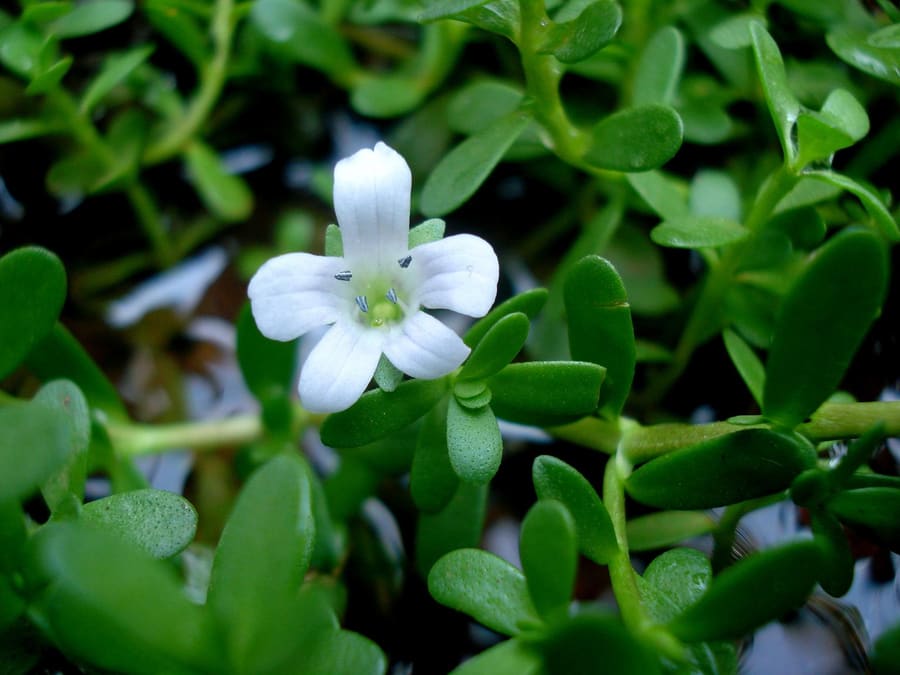
Bacopa, also known as Water Hyssop or Brahmi, is a creeping succulent perennial that can grow to about 20 inches. It features spatula-shaped fleshy leaves and pale blue or white flowers on slender stalks. Thriving in marshlands and along the edges of mangrove swamps in warmer temperate and tropical climates - especially southern Asia - it develops into dense mats on mudflats. This herb has been a cornerstone of Ayurvedic medicine for supporting cognitive function and treating various nervous system disorders, and it is increasingly recognized in Western herbalism for its brain-enhancing properties.
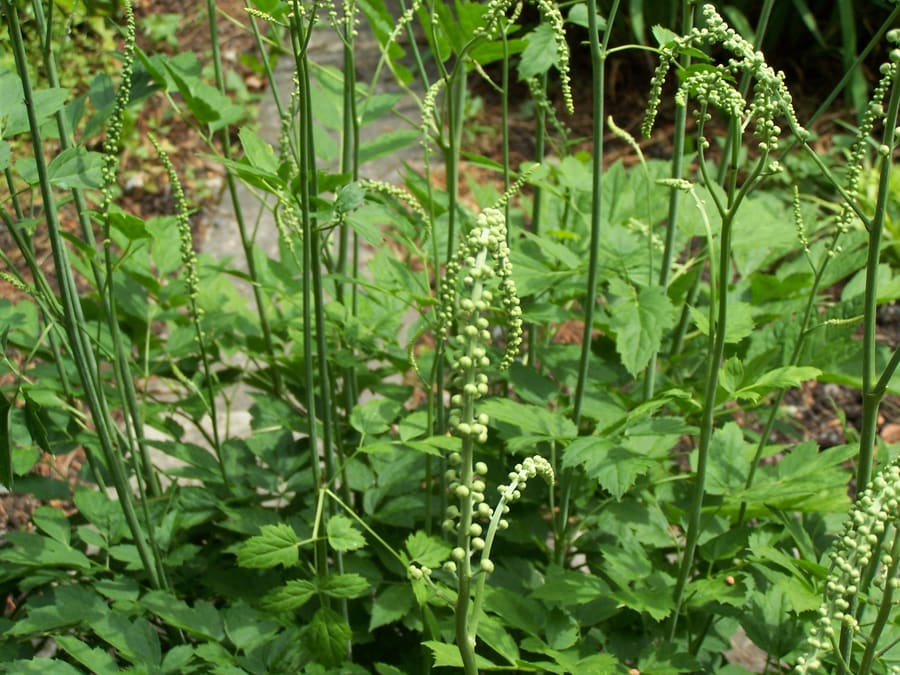 Black Cohosh (Cimicifuga racemosa)
Black cohosh (Cimicifuga racemosa) is a tall herbaceous perennial, growing up to about 8 ft (2.5 m) with creamy-white flower spikes. Its thick, knobby root has a bitter, acrid taste and a distinctive odor. Traditionally, the root has been valued as a Native American remedy for women’s health issues, especially painful periods, menopausal problems (such as hot flashes), and uterine discomfort. It also has a history of use for rheumatic complaints, including rheumatoid arthritis, nerve conditions like tinnitus, and even venomous bites or stings. Modern research suggests black cohosh can help alleviate menopausal symptoms and may influence estrogenic activity within the body, although it does not contain estrogen itself.
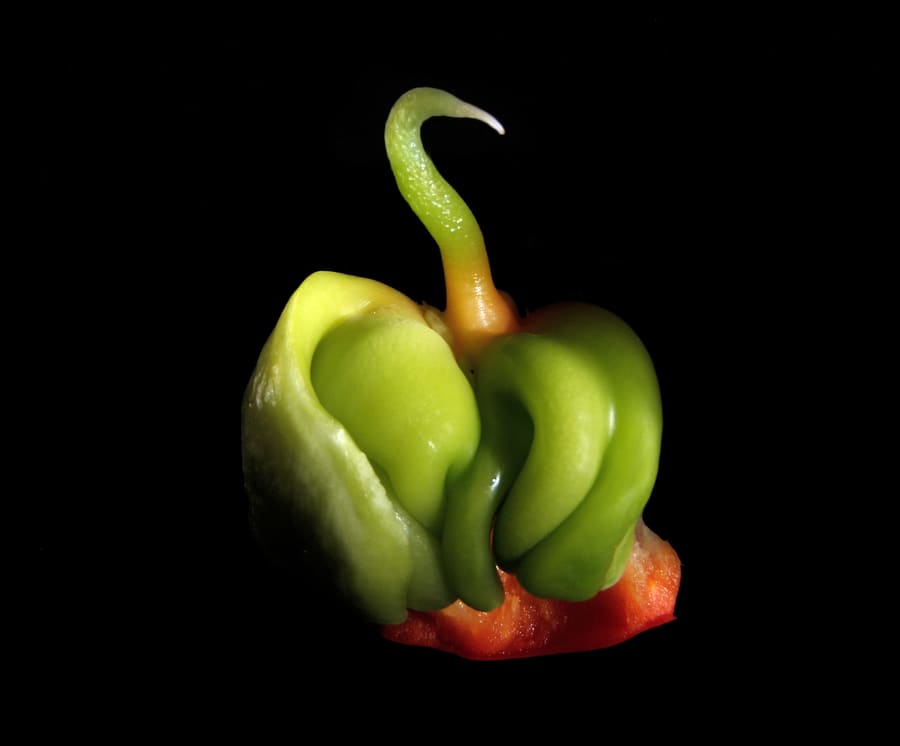 Cayenne (Capsicum annuum)
Cayenne (Capsicum frutescens) is a tropical pepper renowned for its hot, pungent taste and powerful warming action. Medicinally, it is noted for stimulating circulation throughout the body, strengthening the heartbeat, and supporting healing by improving blood supply to tissues. Cayenne is sometimes considered a “cure-all” in Western herbal traditions due to its broad impact on circulation and tissue repair. It also has analgesic properties, thanks to capsaicin, which depletes substance P (a pain mediator), thereby reducing discomfort in conditions like neuralgia or arthritis.
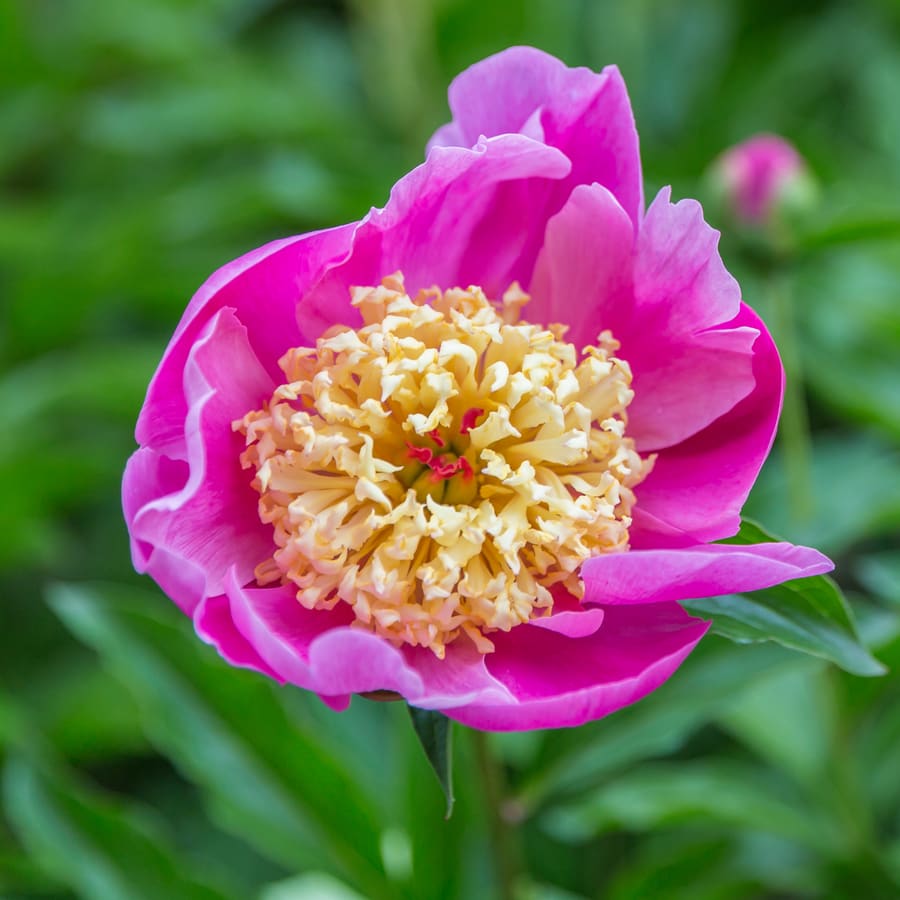 Chinese Peony / White Peony (Paeonia lactiflora)
White peony is an upright perennial growing to 6.5 feet with large white flowers and divided, dark green leaves. Its history of medicinal use in China stretches back at least 1,500 years, most notably as one of the herbs in 'Four Things Soup,' a renowned female tonic. Traditionally, it is believed that women who take the herb regularly become as radiant as the flower itself. The plant is cultivated throughout northeastern China and Inner Mongolia, propagated from seed in spring or from root cuttings in winter. The root of 4- or 5-year-old plants is harvested in spring or autumn and valued as a hormonal tonic.
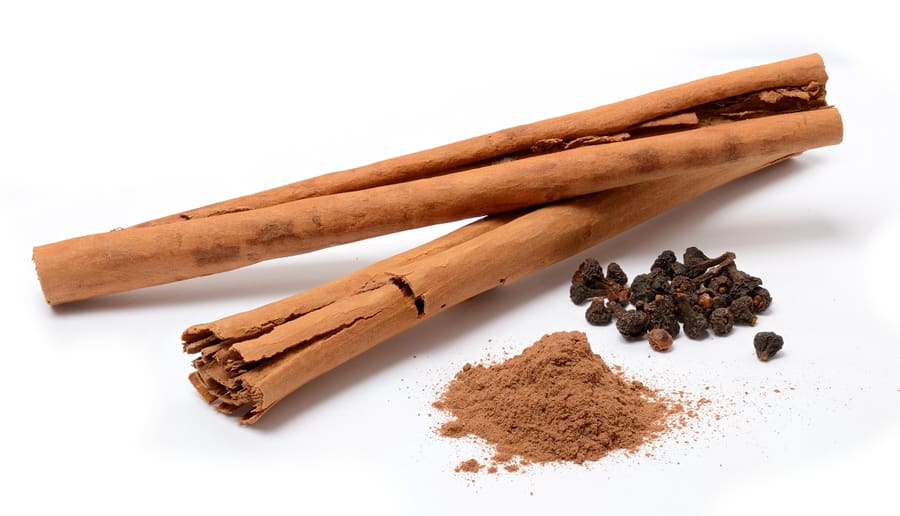 Cinnamon (Cinnamomum verum)
Cinnamon (Cinnamomum verum or C. zeylanicum) is a small evergreen tree, prized for its fragrant, sweet-spicy bark. Used for centuries as a warming stimulant in Ayurveda and traditional Chinese medicine, cinnamon supports digestion, circulation, and blood-sugar balance. Modern research confirms its ability to boost insulin sensitivity and possibly reduce high blood glucose in type 2 diabetes.
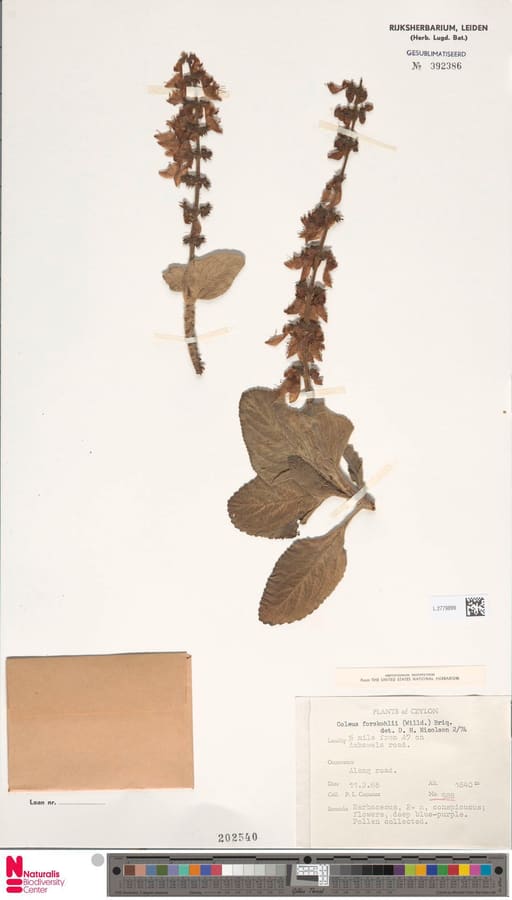 Coleus (Coleus forskohlii)
Analgesic (Anodyne) & Antiseptic: Eugenol content helps relieve pain (e.g., toothaches) and kill bacteria. Aromatic & Carminative: Eases digestive discomfort such as gas, bloating, and colic. Counterirritant & Stimulant: Improves local blood flow, especially when used in liniments, and can gently energize the mind/body. Vermifuge: Traditionally used to expel intestinal parasites.