
Dong Quai (Angelica sinensis)
Photo: NIH · Public domain
- Circulatory
- 1 condition
- Licensed photo
Overview
Dong quai (Angelica sinensis) is a stout, upright perennial growing to about 6½ ft (2 m), often described as the “women’s ginseng” in China. It serves as a key female tonic in Traditional Chinese Medicine (TCM), helping to build and enrich the blood, support menstrual health, and improve circulation - especially in the pelvic region. The rhizome has a strong, sweet, pungent aroma and is frequently used in cooking for its tonic benefits.
Traditional uses & properties
Blood Building & Emmenagogue: Encourages healthy blood production, stimulates menstrual flow, and helps ease menstrual discomfort. Anticoagulant & Circulatory Tonic: Improves blood flow to the extremities and pelvic region, potentially reducing stagnation and coldness. Warming, Moistening, & Nourishing: Supports overall vitality and helps address fatigue, especially when related to low blood count or women’s health concerns.
Traditional preparations
Traditional texts describe the preparations below, and where those texts give specific amounts, the amounts are quoted here as part of that record. This is a record of historical practice, not a dosage recommendation - the figures are what the sources say, not what HerbMate tells you to take. Amounts, potency, and safe use vary enormously by preparation, plant part, and person.
Make an infusion using 1 tsp with 3/4 cup (150 ml) water. Drink up to 1 and a half cups (150 - 300 ml) a day.
Safety & precautions
Pregnancy & Heavy Menstrual Flow: Not recommended, as it can stimulate uterine activity and increase bleeding. Blood Thinners: May have an anticoagulant effect; consult a professional if you are on blood-thinning medications.
Drug & food interactions
Angelica dahurica may raise the levels of diazepam and tolbutamide, thereby increasing their effects. More limited evidence suggests that nifedipine may be similarly affected. Case reports suggest that Chinese angelica may increase the bleeding time in response to warfarin, and may possess oestrogenic effects, which could be of benefit, but which may also, theoretically, oppose the effects of oestrogen antagonists, such as tamoxifen.
- Warfarin and related drugs
- Two case reports describe a very marked increase in the anticoagulant effects of warfarin when Chinese angelica was given. A 46-year-old African-American woman with atrial fibrillation taking warfarin had a greater than twofold increase in her prothrombin time and INR after taking Chinese angelica for 4 weeks. The prothrombin time and INR had returned to normal 4 weeks after stopping Chinese angelica. In another case, a woman who had been taking warfarin for 10 years developed widespread bruising and an INR of 10, a month after starting to take Chinese angelica. A further report describes spontaneous subarachnoid haemorrhage in a 53-year-old woman not taking anticoagulants, which was attributed to a herbal supplement containing Chinese angelica root 100 mg and a number of other herbs.
- Herbal medicines
- No interactions found.
- Diazepam
- The interaction between Angelica dahurica and diazepam is based on experimental evidence only.
- Nifedipine
- The interaction between Chinese angelica and nifedipine is based on experimental evidence only.
- Food
- No interactions found.
- Oestrogens or Oestrogen antagonists
- Chinese angelica may contain oestrogenic compounds. This may result in additive effects with oestrogens or it may oppose the effects of oestrogens. Similarly, Chinese angelica may have additive effects with oestrogen antagonists or oppose the effects of oestrogen antagonists (e.g. tamoxifen). A letter in the Medical Journal of Australia draws attention to the fact that some women with breast cancer receiving chemotherapy or hormone antagonists who develop menopausal symptoms have found relief from hot flushes by taking a Chinese herb ‘dong quai’ (or ‘danggui’ root), which has been identified as Angelica sinensis. A possible explanation is that this and some other herbs (agnus castus, hops flower, ginseng root and black cohosh) have significant oestrogen-binding activity and physiological oestrogenic actions. The oestrogenic potential of Chinese angelica is, however, somewhat unclear. A phytoestrogenic preparation containing soy extract 75 mg, black cohosh 25 mg and Angelica polymorpha (a species related to Chinese angelica) 50 mg taken twice daily reduced the average frequency of menstrually-associated migraine attacks in a 15-week period by 54% in a randomised, placebo-controlled study in 42 women. The preparation used in this study was standardised to content of isoflavones from soy, ligustilide from Angelica polymorpha and triterpenes from black cohosh. In contrast, in another randomised, placebo-controlled study, Angelica sinensis root 4.5 g daily did not produce significant oestrogen-like responses in endometrial thickness or vaginal maturation and did not relieve menopausal symptoms in 71 postmenopausal women. The Angelica sinensis preparation in this study was standardised to content of ferulic acid.
- Tolbutamide
- The interaction between Angelica dahurica and tolbutamide is based on experimental evidence only.
These entries keep the wording of the reference they come from, and three phrases mean three different things. "No interactions found" means the source looked for reports of that pairing and found none. "No data found" means nothing has been published either way. "Based on experimental evidence only" means the effect has been seen in a laboratory or animal study but not in people - a reason for caution, not a report of harm.
Habitat
This plant is native to China and Japan, cultivated especially in Gansu province, China. Seed is typically sown in spring; rhizomes are dug up in autumn. It prefers cool, damp conditions.
Traditionally used for
Each condition shows its first 2 remedies free. Premium opens the full remedy list for every condition - or come back for the free Condition of the Day.
Frequently asked questions
What is Dong Quai (Angelica sinensis) traditionally used for?
Traditional sources describe Dong Quai (Angelica sinensis) as follows: Blood Building & Emmenagogue: Encourages healthy blood production, stimulates menstrual flow, and helps ease menstrual discomfort. Anticoagulant & Circulatory Tonic: Improves blood flow to the extremities and pelvic region, potentially reducing stagnation and coldness. Warming, Moistening, & Nourishing: Supports overall vitality and helps address fatigue, especially when related to low blood count or women’s health concerns.
How is Dong Quai (Angelica sinensis) prepared?
Traditional texts describe the preparations below, and where those texts give specific amounts, the amounts are quoted here as part of that record. This is a record of historical practice, not a dosage recommendation - the figures are what the sources say, not what HerbMate tells you to take. Amounts, potency, and safe use vary enormously by preparation, plant part, and person. Low Circulation: Make an infusion using 1 tsp with 3/4 cup (150 ml) water. Drink up to 1 and a half cups (150 - 300 ml) a day.
What safety cautions apply to Dong Quai (Angelica sinensis)?
Pregnancy & Heavy Menstrual Flow: Not recommended, as it can stimulate uterine activity and increase bleeding. Blood Thinners: May have an anticoagulant effect; consult a professional if you are on blood-thinning medications.
Related herbs
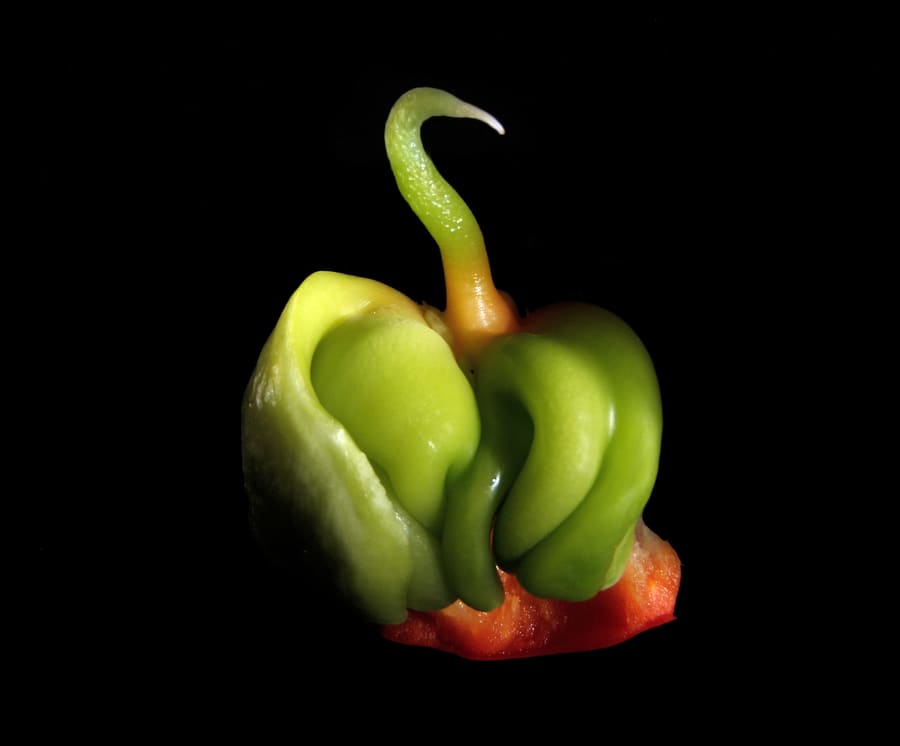 Cayenne (Capsicum annuum)
Cayenne (Capsicum frutescens) is a tropical pepper renowned for its hot, pungent taste and powerful warming action. Medicinally, it is noted for stimulating circulation throughout the body, strengthening the heartbeat, and supporting healing by improving blood supply to tissues. Cayenne is sometimes considered a “cure-all” in Western herbal traditions due to its broad impact on circulation and tissue repair. It also has analgesic properties, thanks to capsaicin, which depletes substance P (a pain mediator), thereby reducing discomfort in conditions like neuralgia or arthritis.
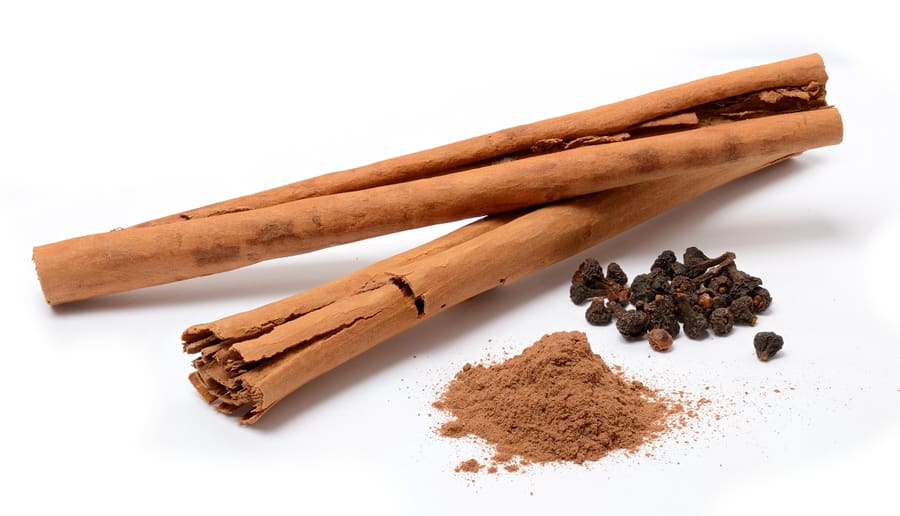 Cinnamon (Cinnamomum verum)
Cinnamon (Cinnamomum verum or C. zeylanicum) is a small evergreen tree, prized for its fragrant, sweet-spicy bark. Used for centuries as a warming stimulant in Ayurveda and traditional Chinese medicine, cinnamon supports digestion, circulation, and blood-sugar balance. Modern research confirms its ability to boost insulin sensitivity and possibly reduce high blood glucose in type 2 diabetes.
 Ginkgo (Ginkgo biloba)
Ginkgo (Ginkgo biloba) is a distinctive, long-lived deciduous tree that can grow up to about 100 ft (30 m). It has fan-shaped leaves with radiating veins, often turning bright yellow in autumn. Ginkgo is widely revered for its benefits to circulation, especially in the brain, where it can help improve memory, concentration, and support cognitive function.