
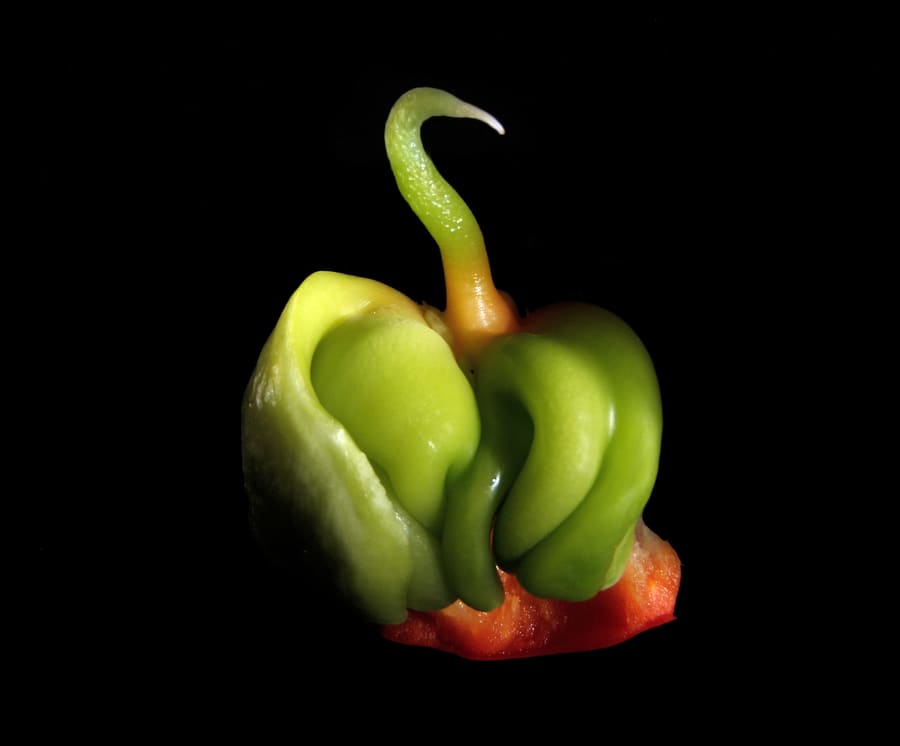
Cayenne (Capsicum annuum)
Photo: Brocken Inaglory · CC BY-SA 3.0
- Circulatory
- 2 conditions
- Licensed photo
Overview
Cayenne (Capsicum frutescens) is a tropical pepper renowned for its hot, pungent taste and powerful warming action. Medicinally, it is noted for stimulating circulation throughout the body, strengthening the heartbeat, and supporting healing by improving blood supply to tissues. Cayenne is sometimes considered a “cure-all” in Western herbal traditions due to its broad impact on circulation and tissue repair. It also has analgesic properties, thanks to capsaicin, which depletes substance P (a pain mediator), thereby reducing discomfort in conditions like neuralgia or arthritis.
Traditional uses & properties
Circulatory Stimulant & Hemostatic: Encourages blood flow and can help control bleeding in some contexts. Analgesic (Anodyne): Applied externally, capsaicin relieves certain kinds of pain. Carminative & Diaphoretic: Aids digestion (relieving gas) and can promote perspiration to support fever reduction. Counterirritant: Used in topical preparations for rheumatic and arthritic aches.
Traditional preparations
Traditional texts describe the preparations below, and where those texts give specific amounts, the amounts are quoted here as part of that record. This is a record of historical practice, not a dosage recommendation - the figures are what the sources say, not what HerbMate tells you to take. Amounts, potency, and safe use vary enormously by preparation, plant part, and person.
Add a pinch of cayenne powder or cayenne sauce to every main meal. Tablets are also a convenient method for long-term use.
Safety & precautions
Irritating Nature: Large doses can irritate the stomach, intestines, and skin, leading to painful bowel movements or a burning sensation. Topical Use: Contact with eyes, sinuses, or other sensitive areas can be extremely painful; use caution. Avoid in Hemorrhoids / Anal Fissures: Can exacerbate discomfort. ACE Inhibitor Cough: May worsen coughs triggered by ACE inhibitor medications. Build Tolerance: It’s generally recommended to start with very small amounts if ingesting it for medicinal reasons.
Drug & food interactions
Capsicum has the potential to decrease the absorption of aspirin, increase the absorption of ciprofloxacin and theophylline, and alter the absorption of cefalexin and digoxin. However, the clinical effects of these changes are unknown, not established or not clinically significant. Capsicum may also decrease the metabolism of pentobarbital and phenazone, but it does not alter the metabolism of theophylline or quinine, which suggests that it has selective effects on hepatic enzymes.
- Quinine
- The information regarding the use of capsicum with quinine is based on experimental evidence only.
- Aspirin
- The interaction between capsicum and aspirin is based on experimental evidence only.
- Cefalexin
- The interaction between capsicum and cefalexin is based on experimental evidence only.
- Pentobarbital
- The interaction between capsicum and pentobarbital is based on experimental evidence only.
- Food
- No interactions found. Capsicum is widely used as a spice in food.
- Theophylline
- Although capsicum may slightly increase the absorption of theophylline, it does not appear to be clinically relevant. A study in 6 healthy subjects found that the absorption of theophylline 400 to 500 mg was increased after they ate a spicy meal, when compared with a European standard meal: the AUC0-6 and AUC0-12 were increased by 23% and 15%, respectively
- Medicine
- No interactions found.
- Digoxin
- The interaction between capsicum and digoxin is based on experimental evidence only.
- Iron compounds
- Capsicum modestly reduces the absorption of dietary iron. In a randomised, crossover study, 30 healthy women were given a standard Thai meal (fortified with about 4 mg of isotopically labelled ferrous sulfate), with soup, to which 4.2 g of ground Capsicum annuum had been added. Capsicum annuum reduced iron absorption by about 38%.
- Phenazone (Antipyrine)
- The interaction between capsicum and phenazone is based on experimental evidence only.
- Ciprofloxacin
- The interaction between capsicum and ciprofloxacin is based on experimental evidence only.
These entries keep the wording of the reference they come from, and three phrases mean three different things. "No interactions found" means the source looked for reports of that pairing and found none. "No data found" means nothing has been published either way. "Based on experimental evidence only" means the effect has been seen in a laboratory or animal study but not in people - a reason for caution, not a report of harm.
Habitat
Native to the tropical regions of the Americas, cayenne now grows worldwide in warm, moist climates, including Africa and India. Typically started from seed in early spring, the plant produces conical red fruits (peppers) harvested in summer once fully ripe and then dried in the shade.
Traditionally used for
Each condition shows its first 2 remedies free. Premium opens the full remedy list for every condition - or come back for the free Condition of the Day.
Frequently asked questions
What is Cayenne (Capsicum annuum) traditionally used for?
Traditional sources describe Cayenne (Capsicum annuum) as follows: Circulatory Stimulant & Hemostatic: Encourages blood flow and can help control bleeding in some contexts. Analgesic (Anodyne): Applied externally, capsaicin relieves certain kinds of pain. Carminative & Diaphoretic: Aids digestion (relieving gas) and can promote perspiration to support fever reduction. Counterirritant: Used in topical preparations for rheumatic and arthritic aches.
How is Cayenne (Capsicum annuum) prepared?
Traditional texts describe the preparations below, and where those texts give specific amounts, the amounts are quoted here as part of that record. This is a record of historical practice, not a dosage recommendation - the figures are what the sources say, not what HerbMate tells you to take. Amounts, potency, and safe use vary enormously by preparation, plant part, and person. Low Circulation: Add a pinch of cayenne powder or cayenne sauce to every main meal. Tablets are also a convenient method for long-term use.
What safety cautions apply to Cayenne (Capsicum annuum)?
Irritating Nature: Large doses can irritate the stomach, intestines, and skin, leading to painful bowel movements or a burning sensation. Topical Use: Contact with eyes, sinuses, or other sensitive areas can be extremely painful; use caution. Avoid in Hemorrhoids / Anal Fissures: Can exacerbate discomfort. ACE Inhibitor Cough: May worsen coughs triggered by ACE inhibitor medications. Build Tolerance: It’s generally recommended to start with very small amounts if ingesting it for medicinal reasons.
Related herbs
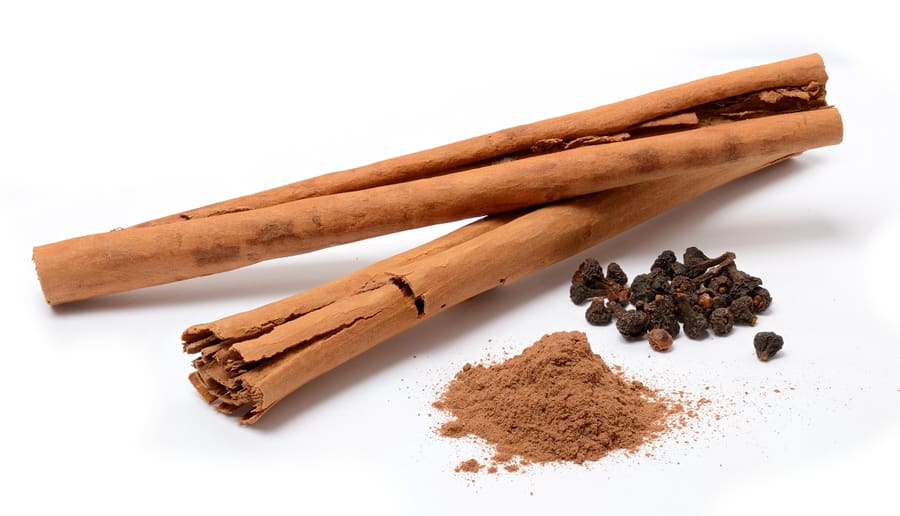 Cinnamon (Cinnamomum verum)
Cinnamon (Cinnamomum verum or C. zeylanicum) is a small evergreen tree, prized for its fragrant, sweet-spicy bark. Used for centuries as a warming stimulant in Ayurveda and traditional Chinese medicine, cinnamon supports digestion, circulation, and blood-sugar balance. Modern research confirms its ability to boost insulin sensitivity and possibly reduce high blood glucose in type 2 diabetes.
 Dong Quai (Angelica sinensis)
Dong quai (Angelica sinensis) is a stout, upright perennial growing to about 6½ ft (2 m), often described as the “women’s ginseng” in China. It serves as a key female tonic in Traditional Chinese Medicine (TCM), helping to build and enrich the blood, support menstrual health, and improve circulation - especially in the pelvic region. The rhizome has a strong, sweet, pungent aroma and is frequently used in cooking for its tonic benefits.
 Ginkgo (Ginkgo biloba)
Ginkgo (Ginkgo biloba) is a distinctive, long-lived deciduous tree that can grow up to about 100 ft (30 m). It has fan-shaped leaves with radiating veins, often turning bright yellow in autumn. Ginkgo is widely revered for its benefits to circulation, especially in the brain, where it can help improve memory, concentration, and support cognitive function.
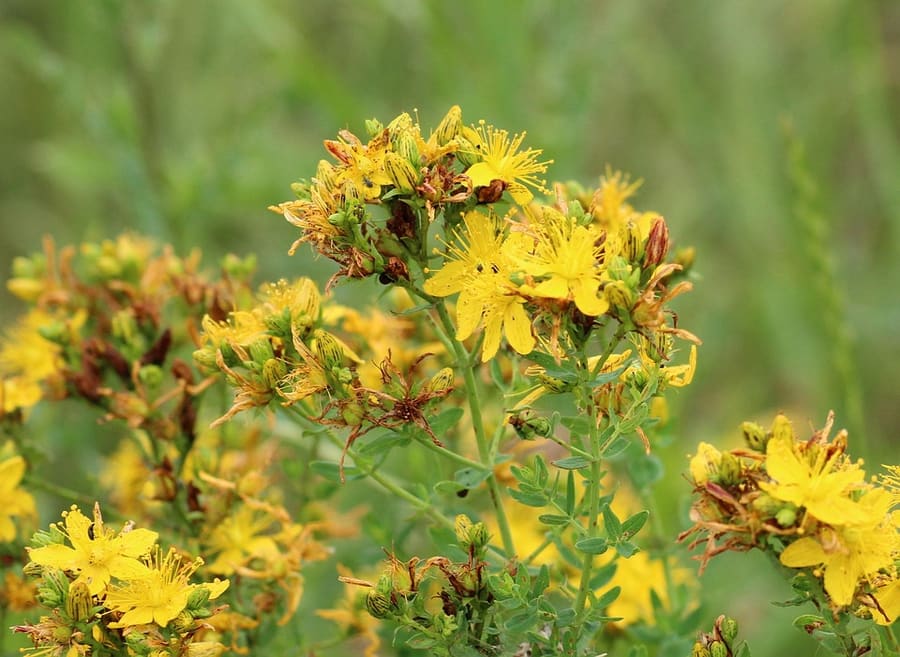 St. John’s Wort (Hypericum perforatum)
St. John’s wort (Hypericum perforatum) is an erect perennial reaching about 32 in (80 cm), with bright yellow flowers in clusters. It exudes a red pigment (“hypericin”) when the flowers or leaves are crushed. Known for uplifting mood, St. John’s wort also has antiviral and wound-healing properties.
 Wintergreen (Gaultheria procumbens)Not for self-dosing
Wintergreen (Gaultheria procumbens) is a low-lying evergreen shrub, reaching about 6 in (15 cm), with oval leathery leaves, small bell-shaped flowers, and bright red berries. Known primarily for its oil containing methyl salicylate - a natural anti-inflammatory and analgesic compound - it has long been used for topical pain relief.