
Herbs for Vomiting
4 herbs traditionally used for this condition.
- Ginger (Zingiber officinale)
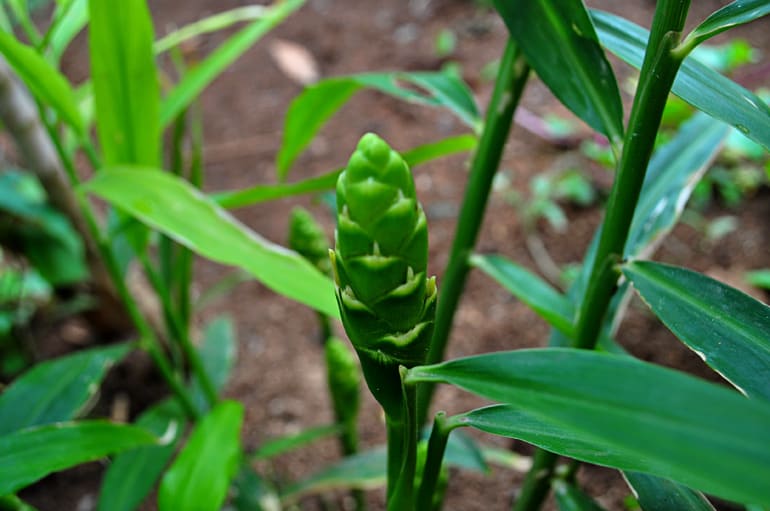
Ginger (Zingiber officinale) is a perennial plant reaching about 2 ft (60 cm), with lance-shaped leaves and white or yellowish flower spikes. Its rhizome (underground stem) is pungent, aromatic, and widely esteemed as both a culinary spice and a potent herbal medicine. Ginger’s warming, anti-inflammatory qualities can ease many digestive and circulatory problems, as well as reduce pain from arthritis and menstrual cramps.
- Clove (Eugenia caryophyllata)
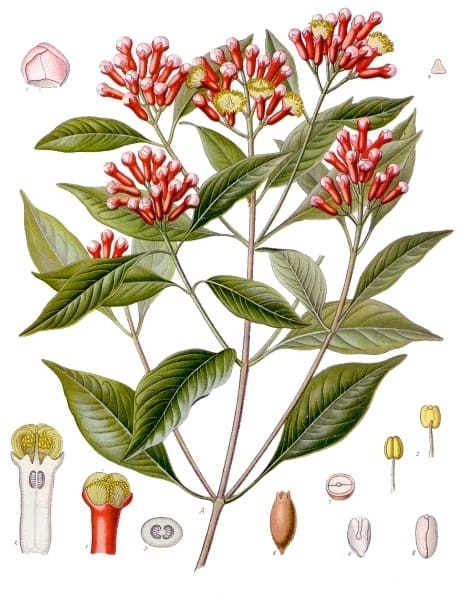
Clove (Syzygium aromaticum) consists of the dried, unopened flower buds of an evergreen, pyramid-shaped tree that can reach about 49 ft (15 m) in height. Known for their potent aroma and taste, cloves have a significant history both as a culinary spice and as an herbal medicine—particularly valued in India and Southeast Asia. Clove’s volatile oil, rich in eugenol, has strong anesthetic and antiseptic effects, explaining its traditional use for toothache and oral infections. When applied topically, clove oil can numb local nerve endings, but it must be used with caution due to its irritant nature.
- Black Pepper (Piper nigrum)
Black pepper is a perennial woody climbing vine growing to about 16 feet, with large oval leaves, spikes of small white flowers, and clusters of small round fruits that ripen from green to red. Native to southwestern India and now cultivated in tropical areas worldwide, the fruit is harvested from plants that are at least three years old. Different processing methods yield green, black, red, and white peppercorns, each with distinct flavors and uses. Cultivated as both a spice and medicine since ancient times, pepper was such a prized commodity in world trade that Attila the Hun reportedly demanded 3,000 pounds of it as ransom during his siege of Rome in 408 CE.
- Osha (Ligusticum porteri)
Osha is a powerful respiratory remedy that has been overharvested in the wild and is extremely difficult to cultivate. It is listed on the United Plant Savers at-risk list. The root has been traditionally valued for its ability to stimulate the digestive and immune systems while expelling mucus. Until wild populations stabilize, its use should be limited, with alternatives like pine, grindelia, and ginger recommended as replacements.