
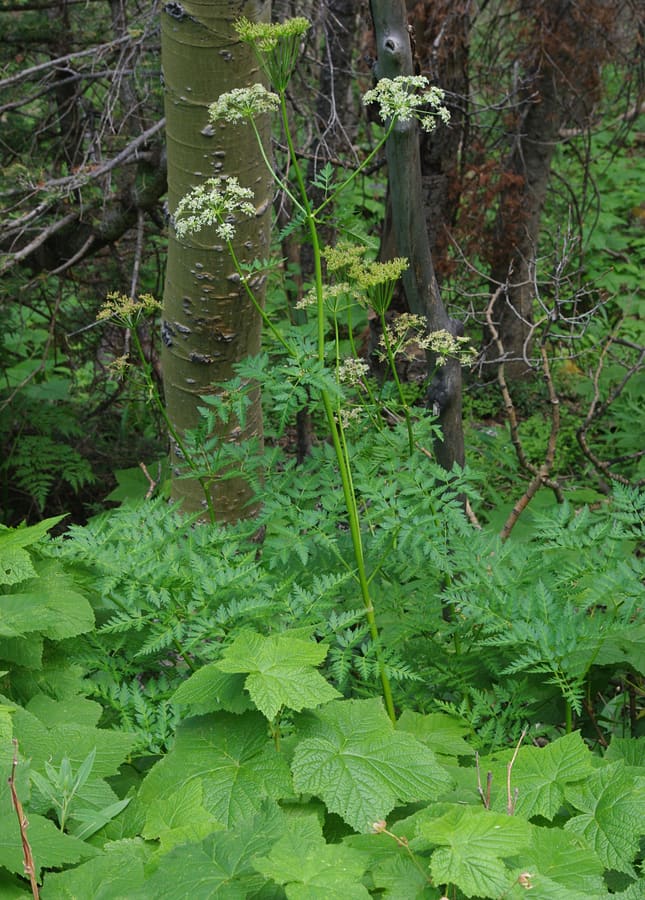
Osha (Ligusticum porteri)
Photo: JerryFriedman · CC BY-SA 3.0
- Digestive
- 5 conditions
- Licensed photo
Overview
Osha is a powerful respiratory remedy that has been overharvested in the wild and is extremely difficult to cultivate. It is listed on the United Plant Savers at-risk list. The root has been traditionally valued for its ability to stimulate the digestive and immune systems while expelling mucus. Until wild populations stabilize, its use should be limited, with alternatives like pine, grindelia, and ginger recommended as replacements.
Traditional uses & properties
Osha is particularly effective for viral infections including the common cold, influenza, sore throats, and upper respiratory congestion. It acts as an antiviral, decongestant, and expectorant. The herb helps settle the stomach after vomiting and can be combined with eyebright to prevent and treat childhood earaches. It stimulates both digestive and immune system function.
Traditional preparations
Traditional texts describe the preparations below, and where those texts give specific amounts, the amounts are quoted here as part of that record. This is a record of historical practice, not a dosage recommendation - the figures are what the sources say, not what HerbMate tells you to take. Amounts, potency, and safe use vary enormously by preparation, plant part, and person.
Tincture (fresh root 1:2 in 85% alcohol with 10% glycerin, or dried root 1:5 in 60% alcohol with 10% glycerin): 1-3 ml (0.2-0.6 tsp) 1-4 times daily. Syrup (fresh root 1:2 in 100% honey): 2.5-10 ml (0.5-2 tsp) 1-4 times daily.
Safety & precautions
Not for use during pregnancy. Due to overharvesting concerns and at-risk status, use should be limited. Consider using alternative herbs like pine, grindelia, and ginger combined together as a replacement until wild populations recover.
Drug & food interactions
Interaction data is not available for this herb - talk to a pharmacist before combining it with any medication. A blank entry here means we have not documented interactions, not that none exist.
Habitat
Native to mountainous regions. Due to conservation concerns and at-risk status, wild harvesting should be avoided.
Traditionally used for
- Vomiting4 herbs · 2 free
- Ear Infection4 herbs · 2 free
- Strep Throat10 herbs · 2 free
- Bronchitis17 herbs · 2 free
- Cold and Flu16 herbs · 2 free
Each condition shows its first 2 remedies free. Premium opens the full remedy list for every condition - or come back for the free Condition of the Day.
Frequently asked questions
What is Osha (Ligusticum porteri) traditionally used for?
Traditional sources describe Osha (Ligusticum porteri) as follows: Osha is particularly effective for viral infections including the common cold, influenza, sore throats, and upper respiratory congestion. It acts as an antiviral, decongestant, and expectorant. The herb helps settle the stomach after vomiting and can be combined with eyebright to prevent and treat childhood earaches. It stimulates both digestive and immune system function.
How is Osha (Ligusticum porteri) prepared?
Traditional texts describe the preparations below, and where those texts give specific amounts, the amounts are quoted here as part of that record. This is a record of historical practice, not a dosage recommendation - the figures are what the sources say, not what HerbMate tells you to take. Amounts, potency, and safe use vary enormously by preparation, plant part, and person. Tincture (fresh root 1:2 in 85% alcohol with 10% glycerin, or dried root 1:5 in 60% alcohol with 10% glycerin): 1-3 ml (0.2-0.6 tsp) 1-4 times daily. Syrup (fresh root 1:2 in 100% honey): 2.5-10 ml (0.5-2 tsp) 1-4 times daily.
What safety cautions apply to Osha (Ligusticum porteri)?
Not for use during pregnancy. Due to overharvesting concerns and at-risk status, use should be limited. Consider using alternative herbs like pine, grindelia, and ginger combined together as a replacement until wild populations recover.
Related herbs
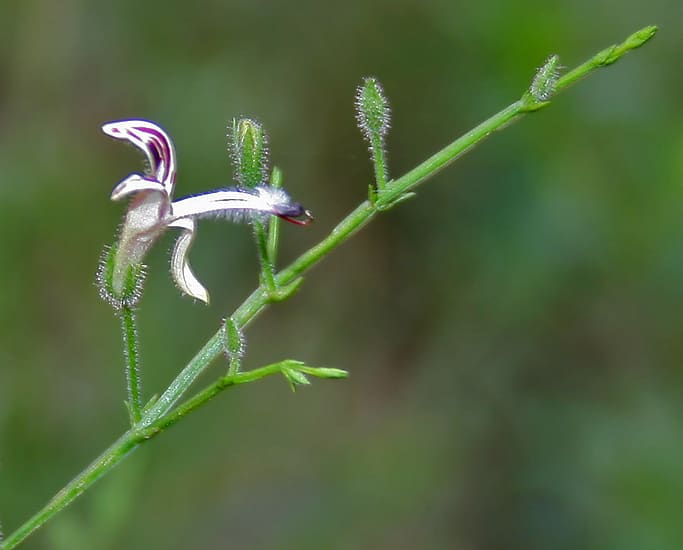 Andrographis (Andrographis paniculata)
Andrographis, commonly known as Green Chiretta or King of Bitters, is an upright annual herb reaching approximately 3 feet in height. Native to India and cultivated throughout northern regions of India and China, this bitter medicinal plant has been valued in Ayurvedic and traditional Chinese medicine for centuries. Historically used primarily for liver support and treating infections - especially malaria - it has earned recognition for its powerful immune-boosting and protective properties. The plant thrives on plains and in forest undergrowth, where its spotted pale brown or purple flowers and long seed capsules distinguish it from other medicinal herbs.
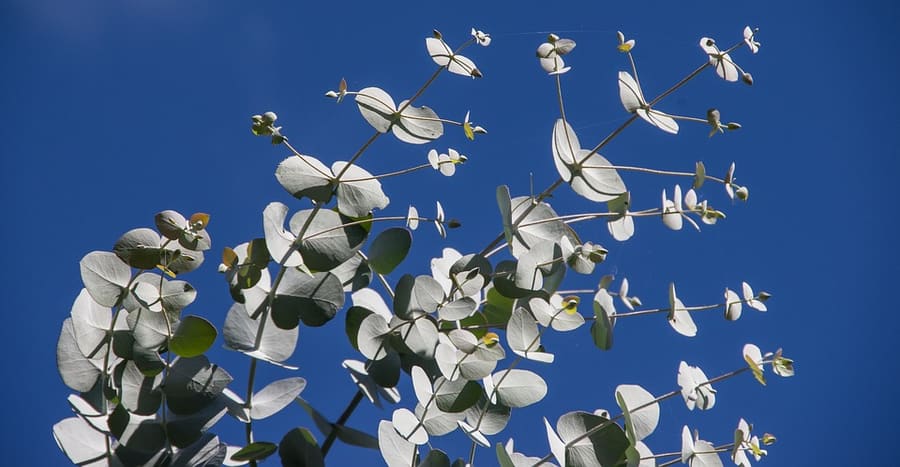 Eucalyptus (Eucalyptus globulus)
Eucalyptus, a traditional Aboriginal remedy, is a powerful antiseptic used all over the world for relieving coughs and colds, sore throats, and other infections. It is warming and stimulating, and for many people its scent conjures up days spent in bed during childhood with eucalyptus and other oils smothered on the chest. Eucalpytus is a common ingredient in many over-the-counter cold remedies.
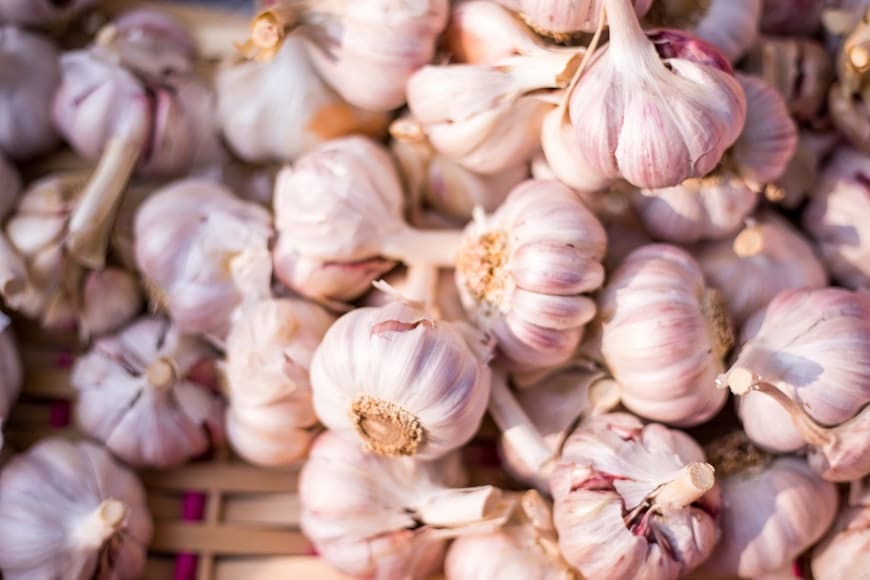 Garlic (Allium sativum)
Garlic (Allium sativum) is a bulbous perennial in the onion family, recognized for its sharp flavor and characteristic odor. Highly valued for both culinary and medicinal purposes, crushed fresh garlic contains allicin, which has potent antibiotic, antifungal, and antiviral properties. Regular garlic intake supports immunity, respiratory health, and circulatory function.
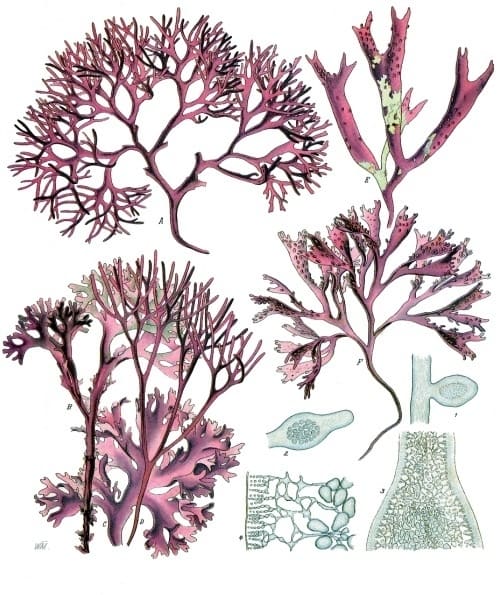 Irish Moss (Chondrus crispus)
Irish moss is a reddish-brown seaweed growing to 10 inches, with a flat, forked plant body and fan-shaped outline. Found on the Atlantic coasts of Europe and North America, it grows just below the waterline, attached to rocks and stones. In summer in North America and in autumn in Ireland, it is pulled up by hand or with a rake at low tide and dried in the sun. This seaweed is used extensively in the food and pharmaceutical industries as an emulsifying and binding agent, appearing in products such as toothpastes. Its polysaccharides become jelly-like and demulcent when immersed in water, making it valuable both as a food ingredient and medicinal herb.
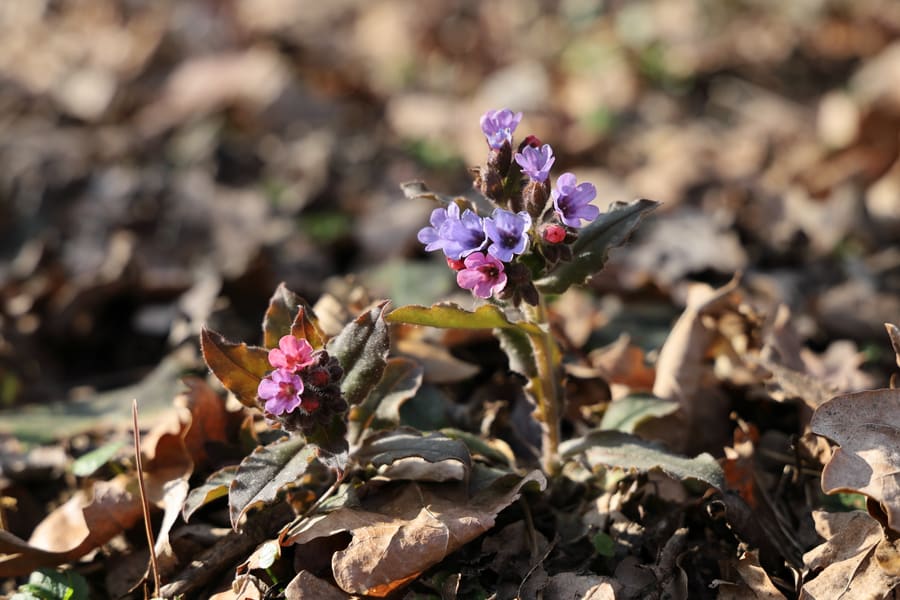 Lungwort (Pulmonaria officinalis)
Lungwort is a perennial herb growing to 1 foot with broad oval basal leaves, smaller upper leaves mottled with white spots, and clusters of pink-purple flowers. Native to Europe and the Caucasus, it flourishes in mountain pastures and damp sites. The leaves are gathered in late spring. According to the medieval Doctrine of Signatures, which held that a plant's appearance pointed to the ailment it treated, lungwort was effective for chest ailments because its leaves were said to resemble lung tissue. This folk belief, while not scientifically founded, turned out to have merit - the herb is indeed valuable for respiratory conditions.
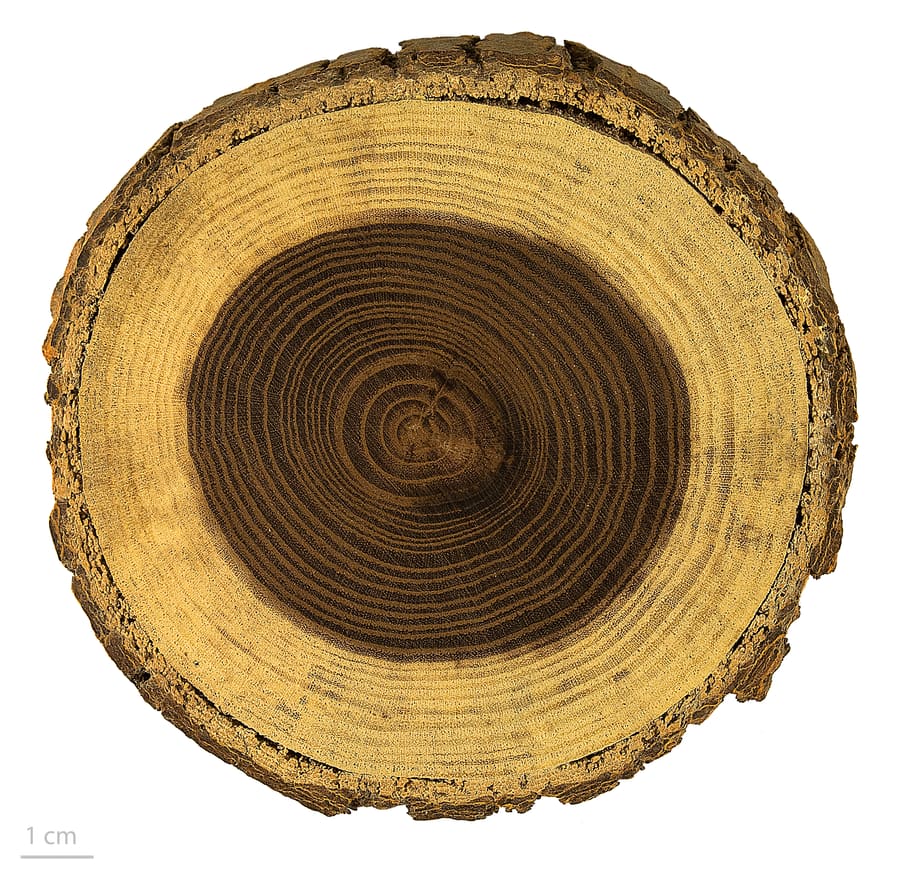 Mulberry Leaf (Morus alba)
White mulberry is a deciduous tree cultivated for over 5,000 years, primarily known as the preferred food source for silkworms. The leaves contain flavonoids with antioxidant properties along with vitamins A, B1, B2, and C. In traditional Chinese medicine, mulberry leaves have been valued for their expectorant and fever-reducing properties.
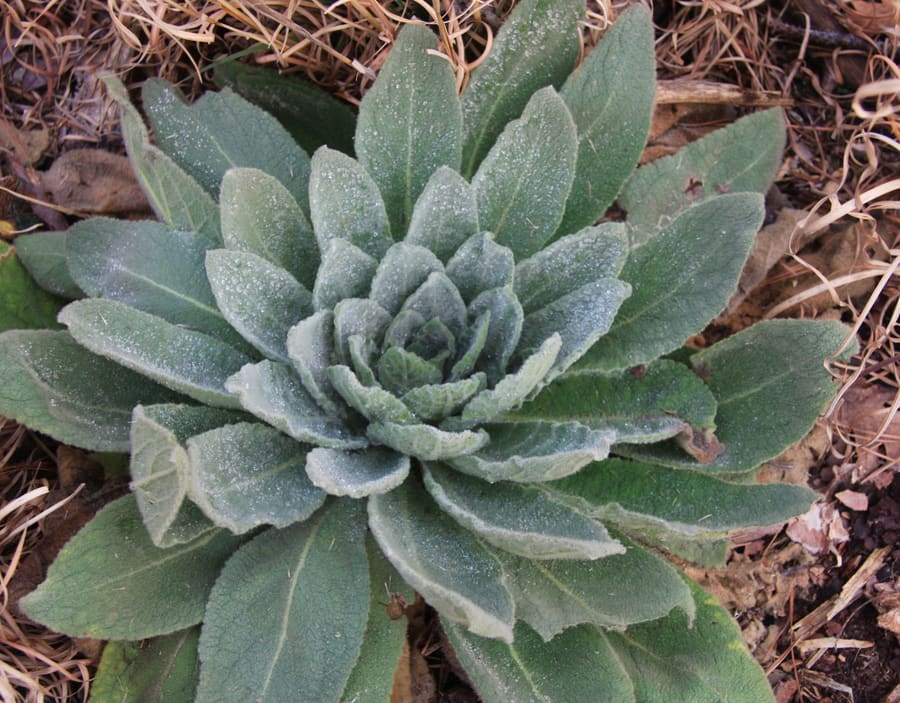 Mullein (Verbascum thapsus)
Mullein (Verbascum thapsus) is an upright biennial reaching up to about 6½ ft (2 m), with distinctive gray-green, oval to lance-shaped leaves that are softly hairy, and tall spikes of bright yellow flowers. Leaves and flowers both contain saponins that assist in loosening mucus, making mullein especially beneficial for respiratory conditions such as asthma, COPD, dry coughs, and congestion. Mullein root is specifically valued for lower back pain and inflammation.
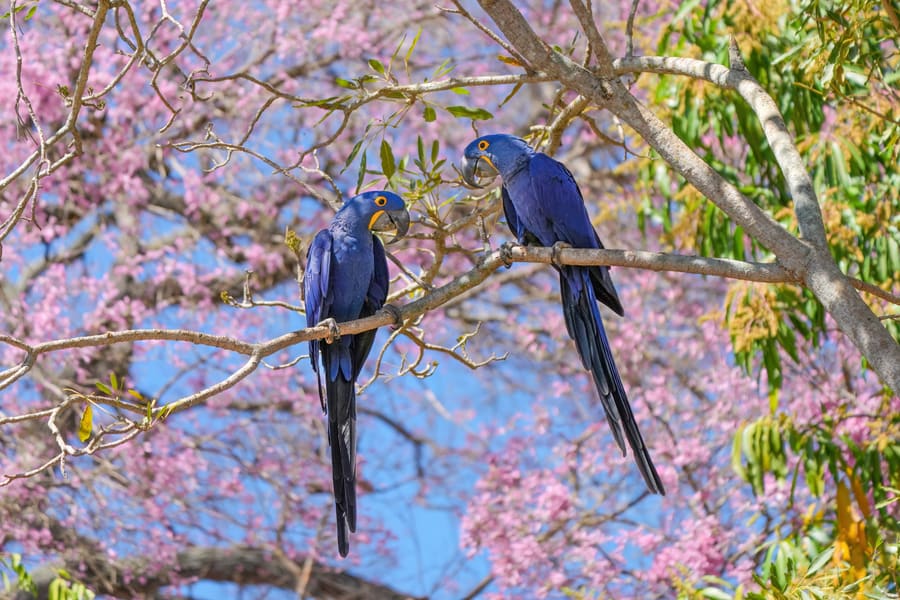 Pau d'Arco (Tabebuia impetiginosa)
Pau d'arco is an evergreen tree that can reach 100 feet in height, producing pink flowers. The bark of this South American tree has been treasured for centuries in traditional medicine for its extensive health benefits. Indigenous peoples including the Incas and the Callawaya valued it as a cure-all. The tree grows in both mountainous terrains high in the Andes and in low-lying areas of Paraguay and Brazil. The prized inner bark is collected from wild-growing trees throughout the year.