
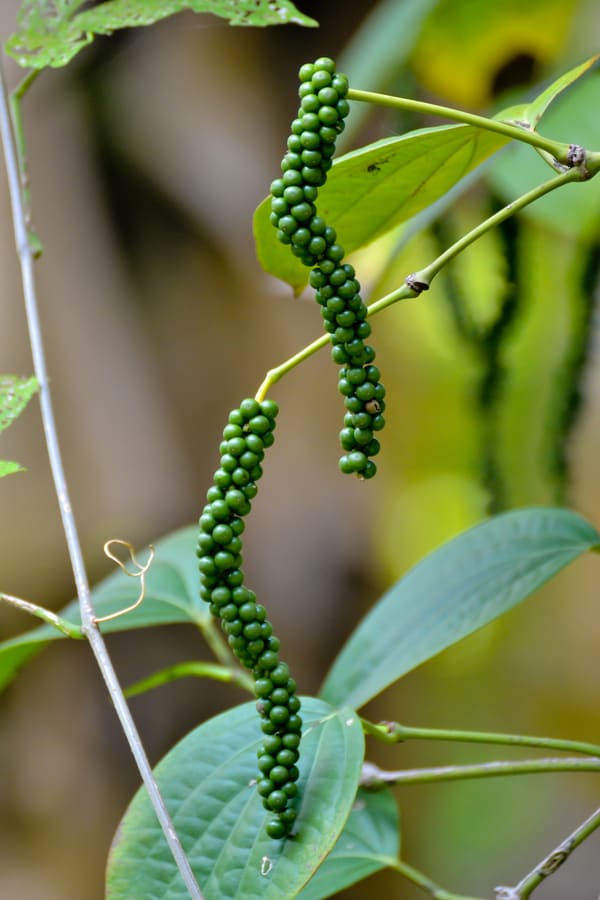
Black Pepper (Piper nigrum)
Photo: K Hari Krishnan · CC BY-SA 3.0
- Digestive
- 7 conditions
- Licensed photo
Overview
Black pepper is a perennial woody climbing vine growing to about 16 feet, with large oval leaves, spikes of small white flowers, and clusters of small round fruits that ripen from green to red. Native to southwestern India and now cultivated in tropical areas worldwide, the fruit is harvested from plants that are at least three years old. Different processing methods yield green, black, red, and white peppercorns, each with distinct flavors and uses. Cultivated as both a spice and medicine since ancient times, pepper was such a prized commodity in world trade that Attila the Hun reportedly demanded 3,000 pounds of it as ransom during his siege of Rome in 408 CE.
Traditional uses & properties
Black pepper's sharp, pungent taste reflects its stimulating and antiseptic effects on the digestive tract and circulatory system. The primary active constituent, piperine, has significant therapeutic benefits including immunomodulatory, antioxidant, anti-asthmatic, anticarcinogenic, anti-inflammatory, antiulcer, and antiamebic properties. It warms the body, improves digestive function, and relieves nausea, stomachache, flatulence, bloating, constipation, and poor appetite. Piperine notably enhances the absorption of other herbal and pharmaceutical compounds - such as curcumin from turmeric and berberine - by stimulating transport proteins at intestinal gap junctions and may slow their clearance by the liver. The essential oil eases rheumatic pain and toothache, acts as an antiseptic and antibacterial agent, and reduces fever. In Ayurvedic formulas like Trikatu, black pepper is combined with long pepper and ginger to enhance bioavailability of other medicines.
Traditional preparations
Traditional texts describe the preparations below, and where those texts give specific amounts, the amounts are quoted here as part of that record. This is a record of historical practice, not a dosage recommendation - the figures are what the sources say, not what HerbMate tells you to take. Amounts, potency, and safe use vary enormously by preparation, plant part, and person.
Culinary use: Sprinkle on meals as desired. Tincture (dried fruit 1:5, 50% alcohol): 1-2 ml (0.2-0.4 tsp.) 3 times daily. Capsules: 1 capsule (500 mg) 3 times daily, or 10 mg piperine extract 3 times daily.
Safety & precautions
Large doses can cause gastrointestinal irritation in some individuals. Do not take the essential oil internally without professional supervision. Piperine significantly increased the AUC of nevirapine, theophylline, propranolol, phenytoin, and rifampicin in clinical and animal studies, suggesting caution when combining black pepper supplements with these medications. It may also inhibit cytochrome P450 enzymes (particularly CYP3A4, CYP2D6, and CYP2C), P-glycoprotein, and glucuronidation pathways, potentially affecting the metabolism of various drugs. High-dose piperine showed antithyroid effects in animals. Although pepper is generally safe as a culinary spice, concentrated piperine-containing supplements warrant careful use alongside medications.
Drug & food interactions
Interaction data is not available for this herb - talk to a pharmacist before combining it with any medication. A blank entry here means we have not documented interactions, not that none exist.
Habitat
Native to southwestern India, black pepper is now cultivated extensively in tropical regions around the world. The fruit is harvested from plants at least three years old.
Traditionally used for
- Constipation13 herbs · 2 free
- Indigestion24 herbs · 2 free
- Vomiting4 herbs · 2 free
- Fever11 herbs · 2 free
- Toothache5 herbs · 2 free
- Asthma14 herbs · 2 free
- Arthritis11 herbs · 2 free
Each condition shows its first 2 remedies free. Premium opens the full remedy list for every condition - or come back for the free Condition of the Day.
Frequently asked questions
What is Black Pepper (Piper nigrum) traditionally used for?
Traditional sources describe Black Pepper (Piper nigrum) as follows: Black pepper's sharp, pungent taste reflects its stimulating and antiseptic effects on the digestive tract and circulatory system. The primary active constituent, piperine, has significant therapeutic benefits including immunomodulatory, antioxidant, anti-asthmatic, anticarcinogenic, anti-inflammatory, antiulcer, and antiamebic properties. It warms the body, improves digestive function, and relieves nausea, stomachache, flatulence, bloating, constipation, and poor appetite. Piperine notably enhances the absorption of other herbal and pharmaceutical compounds - such as curcumin from turmeric and berberine - by stimulating transport proteins at intestinal gap junctions and may slow their clearance by the liver. The essential oil eases rheumatic pain and toothache, acts as an antiseptic and antibacterial agent, and reduces fever. In Ayurvedic formulas like Trikatu, black pepper is combined with long pepper and ginger to enhance bioavailability of other medicines.
How is Black Pepper (Piper nigrum) prepared?
Traditional texts describe the preparations below, and where those texts give specific amounts, the amounts are quoted here as part of that record. This is a record of historical practice, not a dosage recommendation - the figures are what the sources say, not what HerbMate tells you to take. Amounts, potency, and safe use vary enormously by preparation, plant part, and person. Culinary use: Sprinkle on meals as desired. Tincture (dried fruit 1:5, 50% alcohol): 1-2 ml (0.2-0.4 tsp.) 3 times daily. Capsules: 1 capsule (500 mg) 3 times daily, or 10 mg piperine extract 3 times daily.
What safety cautions apply to Black Pepper (Piper nigrum)?
Large doses can cause gastrointestinal irritation in some individuals. Do not take the essential oil internally without professional supervision. Piperine significantly increased the AUC of nevirapine, theophylline, propranolol, phenytoin, and rifampicin in clinical and animal studies, suggesting caution when combining black pepper supplements with these medications. It may also inhibit cytochrome P450 enzymes (particularly CYP3A4, CYP2D6, and CYP2C), P-glycoprotein, and glucuronidation pathways, potentially affecting the metabolism of various drugs. High-dose piperine showed antithyroid effects in animals. Although pepper is generally safe as a culinary spice, concentrated piperine-containing supplements warrant careful use alongside medications.
Related herbs
- Triphala (Terminalia chebula blend)
Triphala is not a single herb but a traditional Ayurvedic blend of three fruits: haritaki (Terminalia chebula), bibhitaki (Terminalia bellirica), and amalaki or Indian gooseberry (Emblica officinalis). Haritaki has balanced energy with five flavors (bitter, sour, astringent, salty, and sweet), acting as a mild laxative that tones intestinal membranes, lubricates tissues, and relaxes muscle spasms. Bibhitaki is pungent, warming, antispasmodic, and serves as an expectorant and decongestant for respiratory conditions. Amalaki also has balanced energy with five flavors (sour, astringent, sweet, pungent, and bitter), containing small amounts of anthraquinones while being astringent, thus both laxative and bowel-toning, correcting both constipation and diarrhea.
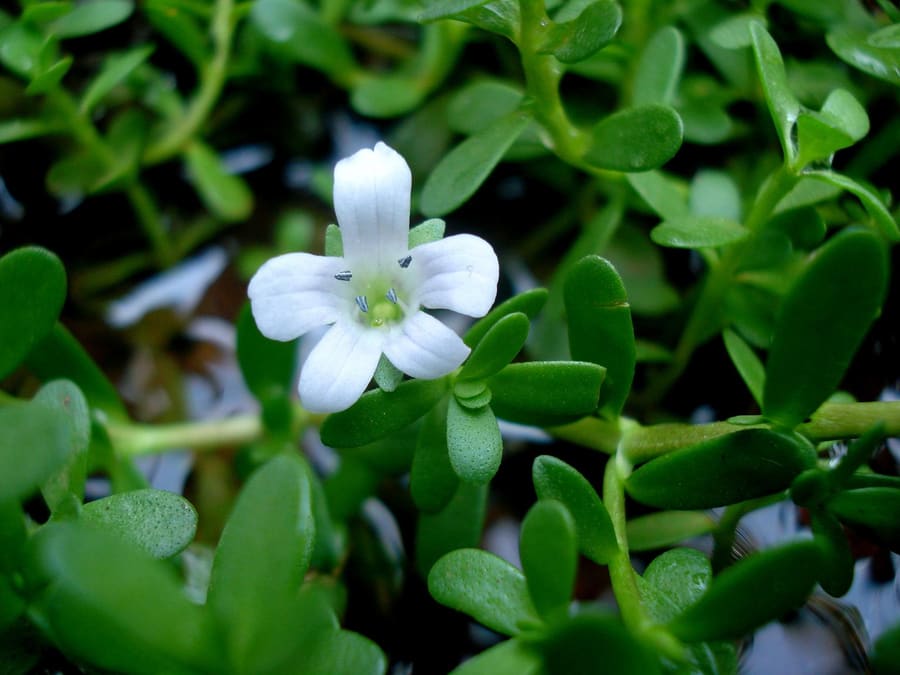 Bacopa (Bacopa monnieri)
Bacopa, also known as Water Hyssop or Brahmi, is a creeping succulent perennial that can grow to about 20 inches. It features spatula-shaped fleshy leaves and pale blue or white flowers on slender stalks. Thriving in marshlands and along the edges of mangrove swamps in warmer temperate and tropical climates - especially southern Asia - it develops into dense mats on mudflats. This herb has been a cornerstone of Ayurvedic medicine for supporting cognitive function and treating various nervous system disorders, and it is increasingly recognized in Western herbalism for its brain-enhancing properties.
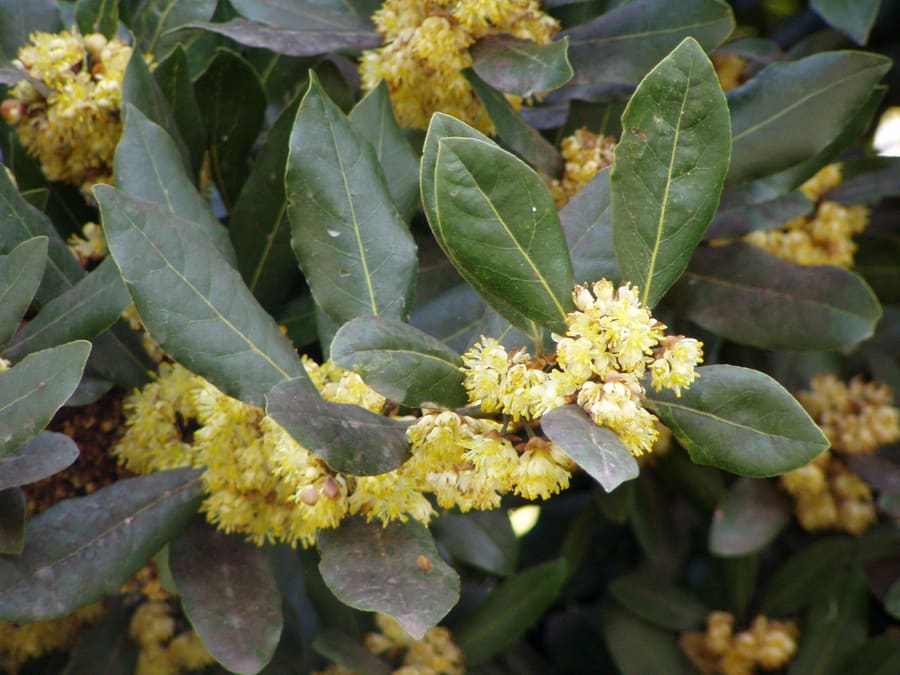 Bay laurel (Laurus nobilis)
Bay laurel (Laurus nobilis) is an aromatic evergreen shrub or small tree that can grow up to about 65 ft (20 m). It features leathery, dark green, lance-shaped leaves, small yellow flowers, and shiny black berries. The plant is well known for its culinary use (“bay leaves”) as well as its medicinal history in ancient Greece and Rome.
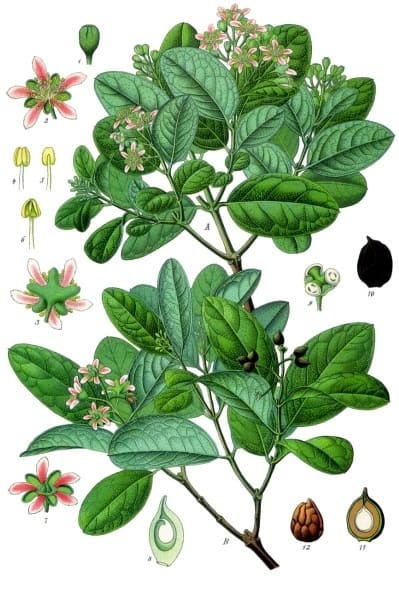 Boldo (Peumus boldus)Not for self-dosing
Boldo is a strongly aromatic multi-branched evergreen shrub or tree growing to 20 feet. It has egg-shaped leathery leaves with a lemony scent, clusters of white or yellow bell-shaped flowers, and small yellow berries. Native to Chile and Peru, it has become naturalized in the Mediterranean region and the West Coast of North America, where it grows on dry sunny slopes and in mountain pastures in the Andes. It is widely cultivated, and its leaves are gathered throughout the year. Boldo is a valued remedy in Latin American herbal medicine and is used by the Araucanian people in Chile as a tonic.
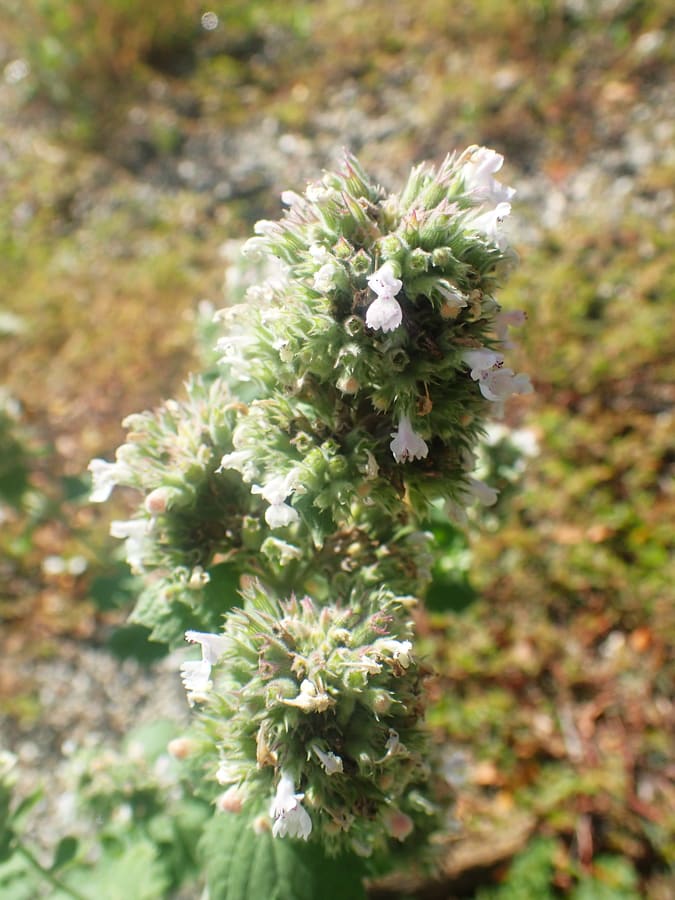 Catnip (Nepeta cataria)
Catnip is a downy, aromatic perennial growing to 3 feet with heart-shaped, gray-green leaves and whorls of white flowers marked with purple spots. Native to Europe and naturalized in North America, it grows in dry wayside places and mountainous regions up to altitudes of 5,000 feet. The plant is gathered when in flower during summer and autumn. Its name comes from the Norse word 'dylla,' meaning 'to soothe,' reflecting its calming properties. Catnip has an excitatory effect on cats but a sedative effect on humans.
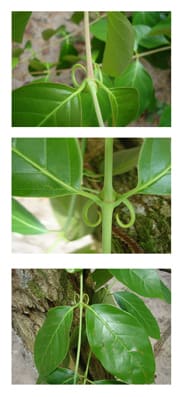 Cat's Claw (Uncaria tomentosa)
Cat's claw is a climbing vine that can grow to 100 feet or more, with stems up to 8 inches in diameter, large glossy leaves, and sharp hooks resembling a cat's claws. Native to tropical rainforests in the central and eastern Andes - especially Peru, Ecuador, and Colombia - it has also been found in Guatemala, Costa Rica, and Panama. Known by the Ashaninka and other indigenous peoples of central Peru for its power in regulating illness, it has been used since ancient times to treat serious conditions ranging from asthma and diabetes to arthritis and cancer. By the early 1990s, over-collection from the wild threatened the species' survival; only sustainably sourced stem bark should be used, rather than root bark.
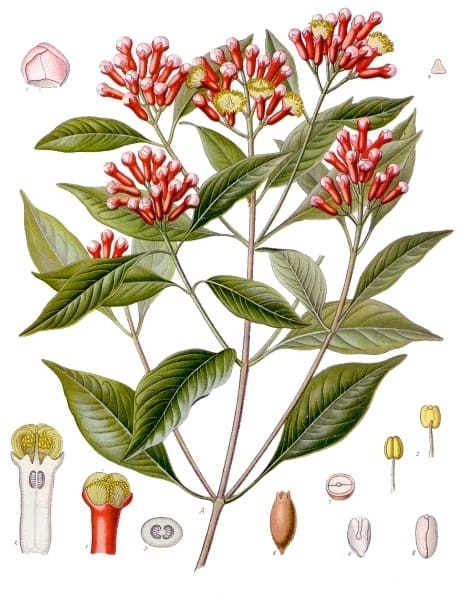 Clove (Eugenia caryophyllata)
Clove (Syzygium aromaticum) consists of the dried, unopened flower buds of an evergreen, pyramid-shaped tree that can reach about 49 ft (15 m) in height. Known for their potent aroma and taste, cloves have a significant history both as a culinary spice and as an herbal medicine - particularly valued in India and Southeast Asia. Clove’s volatile oil, rich in eugenol, has strong anesthetic and antiseptic effects, explaining its traditional use for toothache and oral infections. When applied topically, clove oil can numb local nerve endings, but it must be used with caution due to its irritant nature.
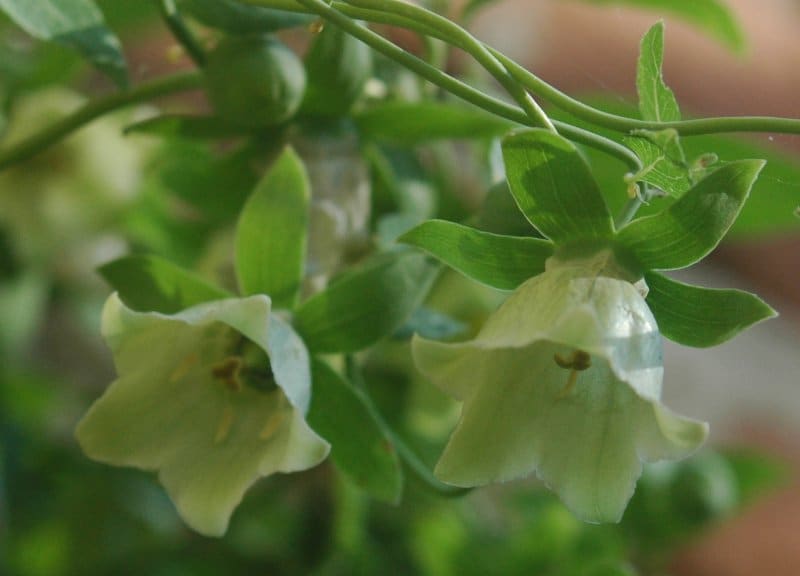 Codonopsis (Codonopsis pilosula)
Codonopsis is a small twining perennial growing to 5 feet with oval leaves and pendulous green and purple bell-shaped flowers marked with purple in summer. Native to northeastern China and growing throughout the region - especially in the Shanxi and Szechuan provinces - it is propagated from seed in spring or autumn, and the root is harvested in autumn once the aerial parts have died down. In Chinese herbal medicine, codonopsis holds a central place as a gentle tonic that increases energy levels, improves physical and mental well-being, and helps the body adapt to stress.