
Herbs for Premenstrual Syndrome
3 herbs traditionally used for this condition.
- Chaste Tree (Vitex agnus-castus)
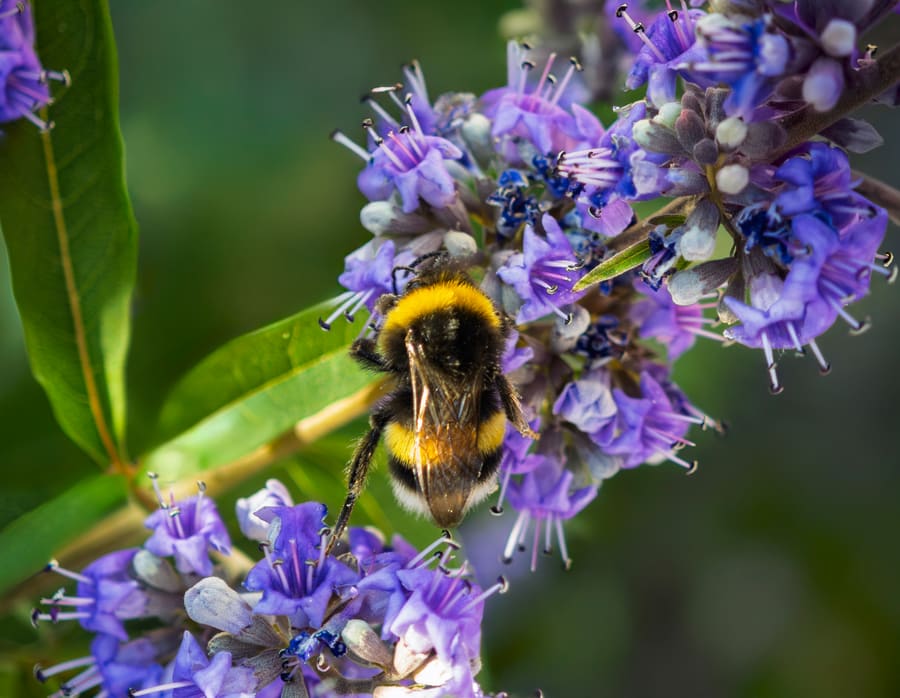
Chaste tree (Vitex agnus-castus) is a deciduous, aromatic tree growing up to about 23 ft (7 m). Its palm-shaped leaves and spikes of small lilac flowers produce dark, pepper-like berries in the autumn. Traditionally linked with reducing libido—hence the names “chaste tree” and “monk’s pepper”—modern research confirms its hormonal effects, especially in women. Chaste tree is commonly used for PMS, menopausal symptoms, menstrual cycle irregularities, and infertility tied to low progesterone. It may take 3–6 months of continuous use to yield optimal results.
- Blue Cohosh (Caulophyllum thalictroides)
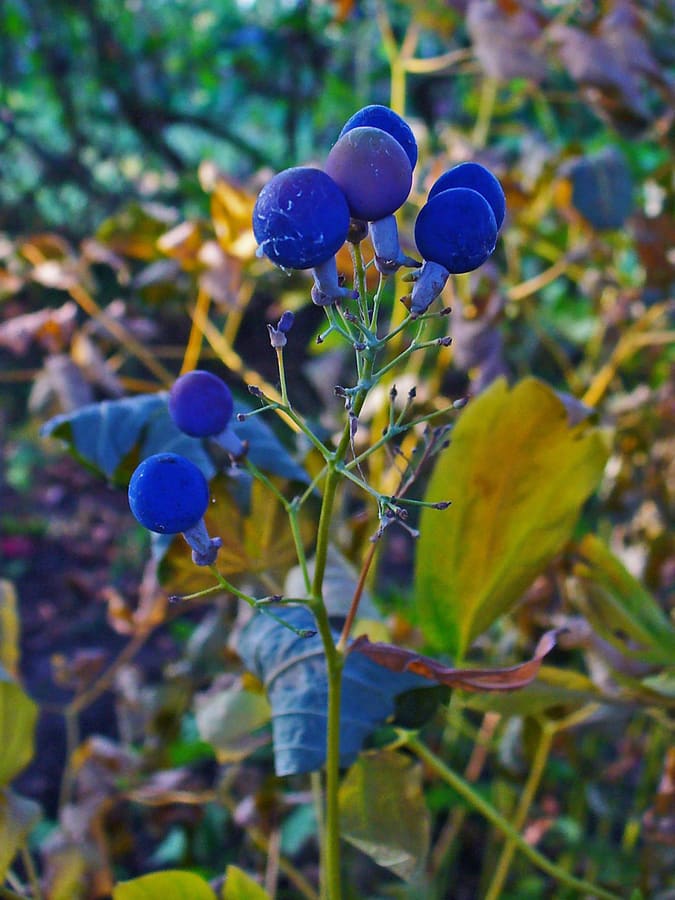
Blue cohosh is an upright perennial herb reaching 3 feet in height, with large three-lobed leaves, yellow to purple flowers, and striking blue berries. It grows wild in much of eastern North America from Manitoba to Alabama, preferring woodland valleys and damp, north-facing slopes. The name 'cohosh' comes from the Algonquin language, and the plant was a popular remedy among many Native American tribes. Though taken by both sexes for genitourinary issues, it was primarily valued as a women's herb, and that tradition continues in modern herbal practice.
- Chinese Peony / White Peony (Paeonia lactiflora)
White peony is an upright perennial growing to 6.5 feet with large white flowers and divided, dark green leaves. Its history of medicinal use in China stretches back at least 1,500 years, most notably as one of the herbs in 'Four Things Soup,' a renowned female tonic. Traditionally, it is believed that women who take the herb regularly become as radiant as the flower itself. The plant is cultivated throughout northeastern China and Inner Mongolia, propagated from seed in spring or from root cuttings in winter. The root of 4- or 5-year-old plants is harvested in spring or autumn and valued as a hormonal tonic.