
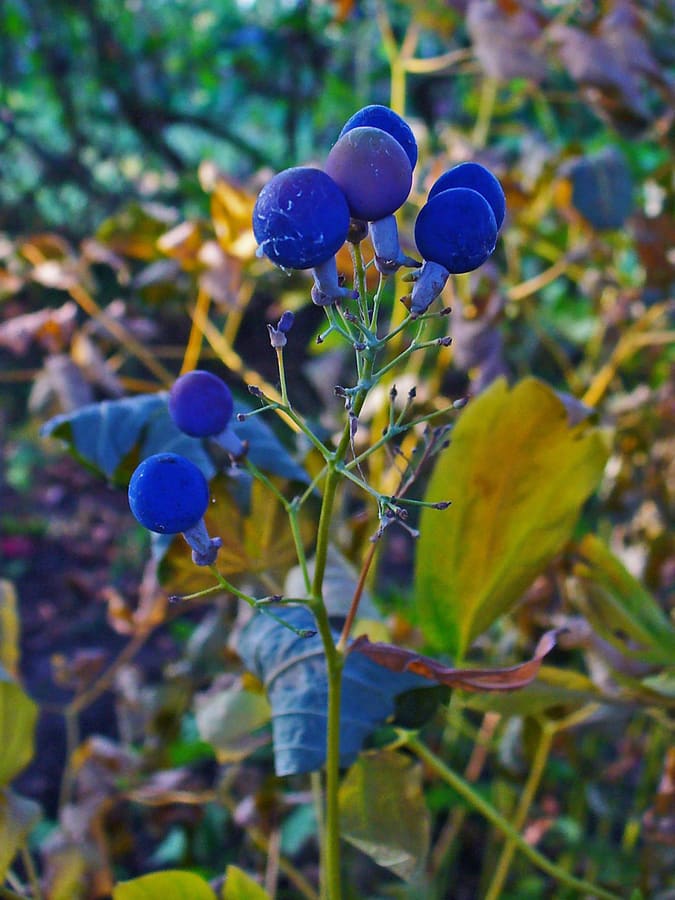
Blue Cohosh (Caulophyllum thalictroides)
Photo: H. Zell · CC BY-SA 3.0
- Female Reproductive
- 4 conditions
- Licensed photo
Overview
Blue cohosh is an upright perennial herb reaching 3 feet in height, with large three-lobed leaves, yellow to purple flowers, and striking blue berries. It grows wild in much of eastern North America from Manitoba to Alabama, preferring woodland valleys and damp, north-facing slopes. The name 'cohosh' comes from the Algonquin language, and the plant was a popular remedy among many Native American tribes. Though taken by both sexes for genitourinary issues, it was primarily valued as a women's herb, and that tradition continues in modern herbal practice.
Traditional uses & properties
Blue cohosh is renowned as a uterine tonic that brings relief from uterine and ovarian pain while regulating menstrual blood flow. Herbalists use it in small doses over time to induce delayed menstruation or labor. Taken during labor, it strengthens contractions and eases the pain of childbirth. Its dual tonic action stimulates and relaxes the uterus simultaneously, making it helpful for relieving painful menstrual symptoms such as cramps and breast pain. The herb also benefits ovarian pain and has anti-inflammatory activity, which may be useful in treating arthritic and rheumatic conditions. The root and rhizome contain alkaloids, steroidal saponins, and resin.
Traditional preparations
Preparation amounts are not shown for this herb. It is toxic, restricted, or otherwise unsafe to self-dose - the margin between a traditional dose and a harmful one is too small to publish as reference material. If you are considering it, that conversation belongs with a doctor or a qualified practitioner, not a website.
Safety & precautions
Use only under professional supervision. Do not take during pregnancy or while trying to conceive, as it stimulates uterine contractions and could induce miscarriage. Avoid during heavy menstrual bleeding. It can be used by women past their due date to induce labor, but only with professional oversight. The plant is mildly toxic in large doses and can cause contact dermatitis. Not recommended while breastfeeding.
Drug & food interactions
Interaction data is not available for this herb - talk to a pharmacist before combining it with any medication. A blank entry here means we have not documented interactions, not that none exist.
Habitat
Blue cohosh grows wild throughout much of eastern North America, from Manitoba to Alabama. It prefers woodland valleys and damp, north-facing slopes, and is mainly wild-harvested but also cultivated commercially. The root and rhizome are harvested in autumn.
Traditionally used for
- Menstrual Pain11 herbs · 2 free
- Premenstrual Syndrome3 herbs · 2 free
- Arthritis11 herbs · 2 free
- Rheumatism9 herbs · 2 free
Each condition shows its first 2 remedies free. Premium opens the full remedy list for every condition - or come back for the free Condition of the Day.
Frequently asked questions
What is Blue Cohosh (Caulophyllum thalictroides) traditionally used for?
Traditional sources describe Blue Cohosh (Caulophyllum thalictroides) as follows: Blue cohosh is renowned as a uterine tonic that brings relief from uterine and ovarian pain while regulating menstrual blood flow. Herbalists use it in small doses over time to induce delayed menstruation or labor. Taken during labor, it strengthens contractions and eases the pain of childbirth. Its dual tonic action stimulates and relaxes the uterus simultaneously, making it helpful for relieving painful menstrual symptoms such as cramps and breast pain. The herb also benefits ovarian pain and has anti-inflammatory activity, which may be useful in treating arthritic and rheumatic conditions. The root and rhizome contain alkaloids, steroidal saponins, and resin.
How is Blue Cohosh (Caulophyllum thalictroides) prepared?
Preparation amounts are not shown for this herb. It is toxic, restricted, or otherwise unsafe to self-dose - the margin between a traditional dose and a harmful one is too small to publish as reference material. If you are considering it, that conversation belongs with a doctor or a qualified practitioner, not a website.
What safety cautions apply to Blue Cohosh (Caulophyllum thalictroides)?
Use only under professional supervision. Do not take during pregnancy or while trying to conceive, as it stimulates uterine contractions and could induce miscarriage. Avoid during heavy menstrual bleeding. It can be used by women past their due date to induce labor, but only with professional oversight. The plant is mildly toxic in large doses and can cause contact dermatitis. Not recommended while breastfeeding.
Related herbs
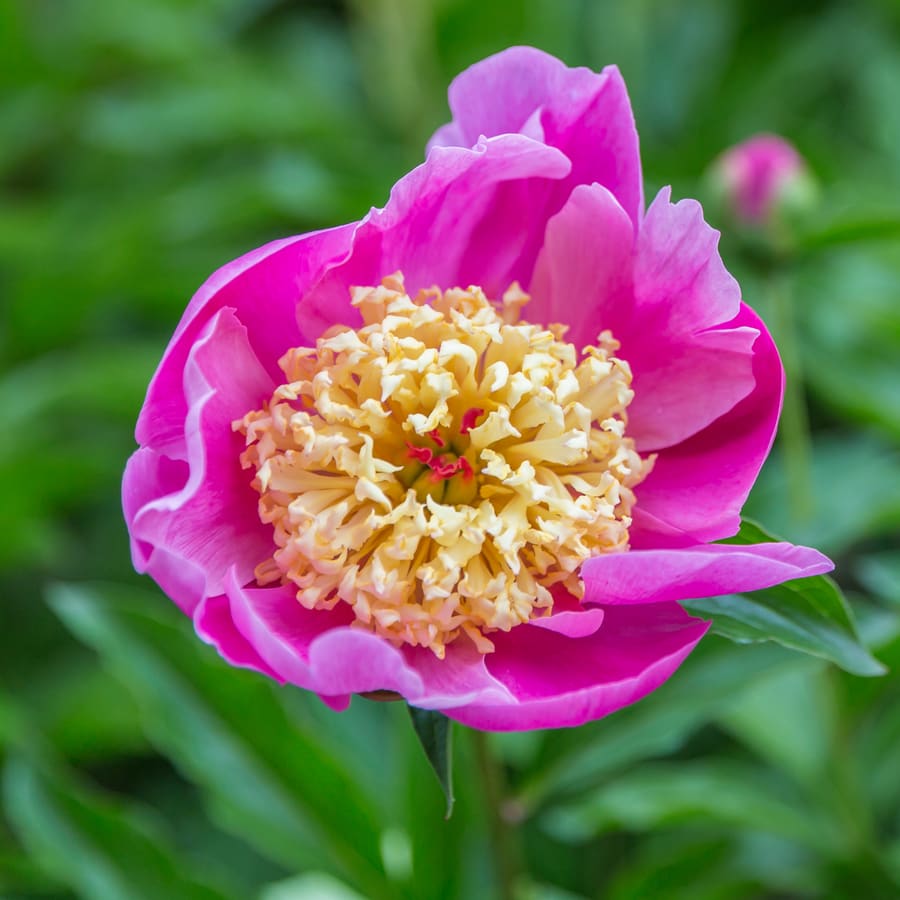 Chinese Peony / White Peony (Paeonia lactiflora)
White peony is an upright perennial growing to 6.5 feet with large white flowers and divided, dark green leaves. Its history of medicinal use in China stretches back at least 1,500 years, most notably as one of the herbs in 'Four Things Soup,' a renowned female tonic. Traditionally, it is believed that women who take the herb regularly become as radiant as the flower itself. The plant is cultivated throughout northeastern China and Inner Mongolia, propagated from seed in spring or from root cuttings in winter. The root of 4- or 5-year-old plants is harvested in spring or autumn and valued as a hormonal tonic.
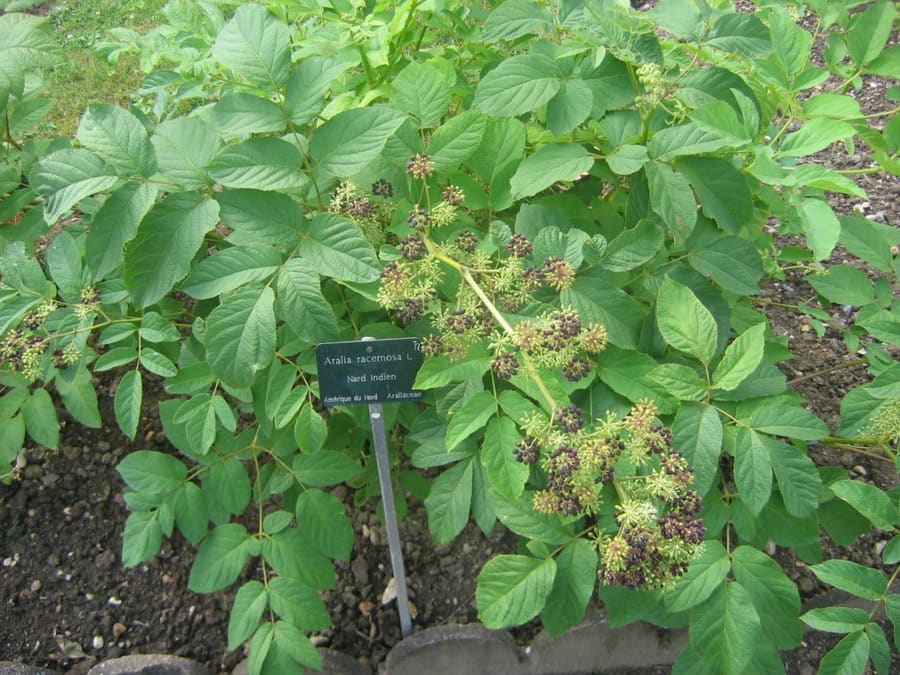 Spikenard (Aralia racemosa)
American spikenard (Aralia racemosa) is a tall, aromatic perennial bush up to about 6½ ft (2 m), with fleshy roots, large compound leaves, and clusters of greenish-white flowers followed by red or purple berries. Known for its warming, expectorant properties, spikenard is a tonic for weak or congested lungs.
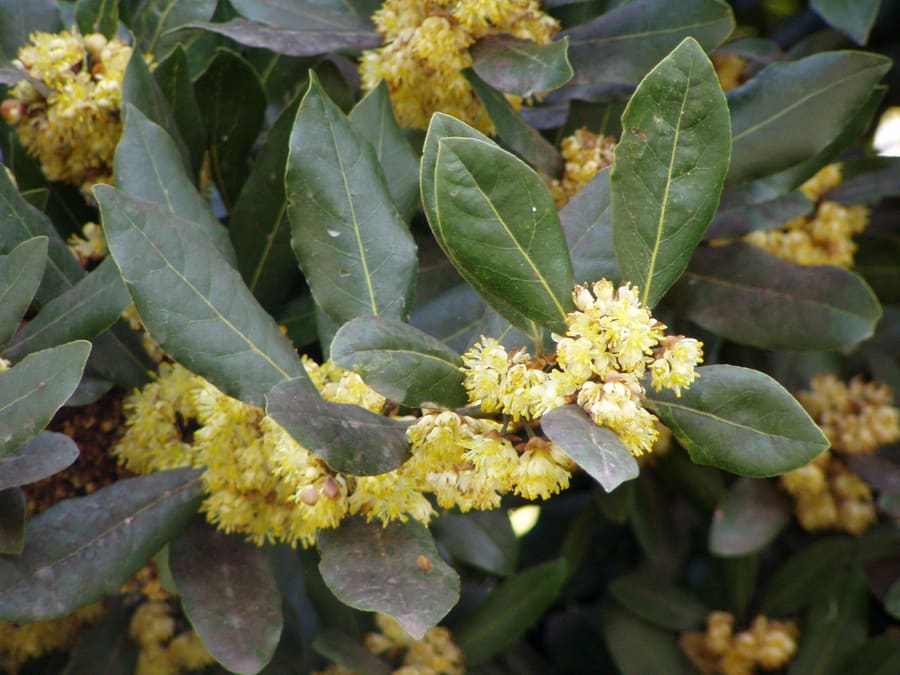 Bay laurel (Laurus nobilis)
Bay laurel (Laurus nobilis) is an aromatic evergreen shrub or small tree that can grow up to about 65 ft (20 m). It features leathery, dark green, lance-shaped leaves, small yellow flowers, and shiny black berries. The plant is well known for its culinary use (“bay leaves”) as well as its medicinal history in ancient Greece and Rome.
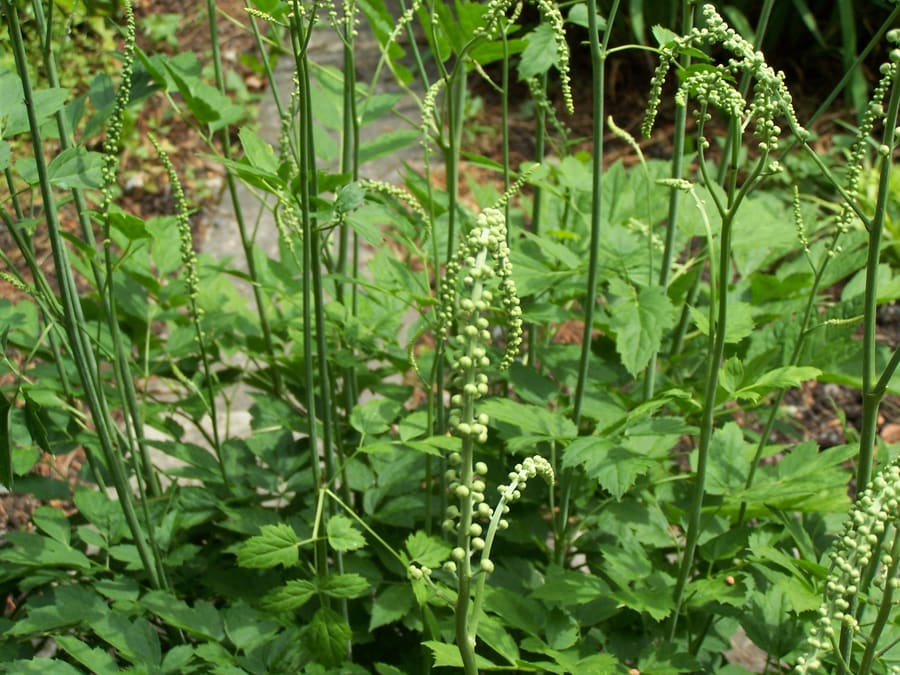 Black Cohosh (Cimicifuga racemosa)
Black cohosh (Cimicifuga racemosa) is a tall herbaceous perennial, growing up to about 8 ft (2.5 m) with creamy-white flower spikes. Its thick, knobby root has a bitter, acrid taste and a distinctive odor. Traditionally, the root has been valued as a Native American remedy for women’s health issues, especially painful periods, menopausal problems (such as hot flashes), and uterine discomfort. It also has a history of use for rheumatic complaints, including rheumatoid arthritis, nerve conditions like tinnitus, and even venomous bites or stings. Modern research suggests black cohosh can help alleviate menopausal symptoms and may influence estrogenic activity within the body, although it does not contain estrogen itself.
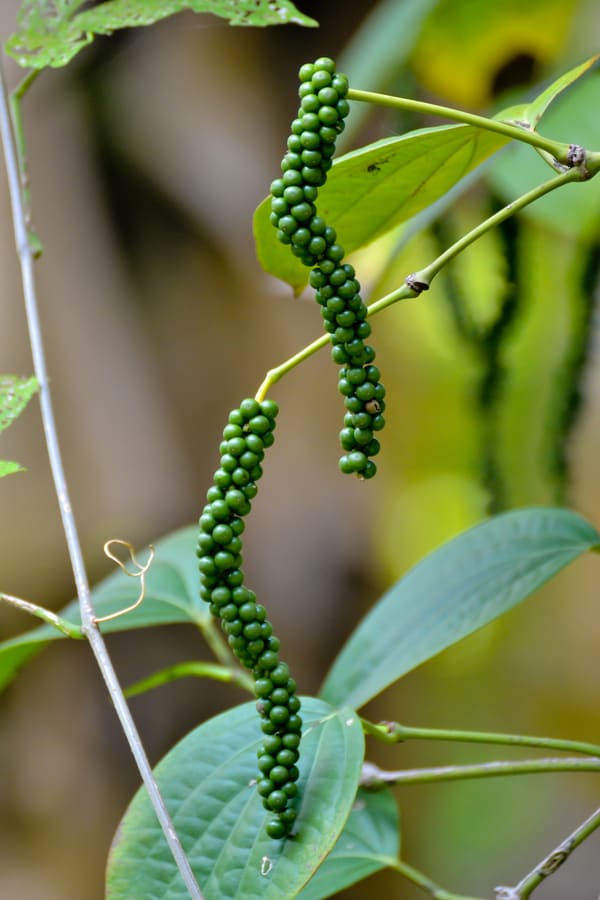 Black Pepper (Piper nigrum)
Black pepper is a perennial woody climbing vine growing to about 16 feet, with large oval leaves, spikes of small white flowers, and clusters of small round fruits that ripen from green to red. Native to southwestern India and now cultivated in tropical areas worldwide, the fruit is harvested from plants that are at least three years old. Different processing methods yield green, black, red, and white peppercorns, each with distinct flavors and uses. Cultivated as both a spice and medicine since ancient times, pepper was such a prized commodity in world trade that Attila the Hun reportedly demanded 3,000 pounds of it as ransom during his siege of Rome in 408 CE.
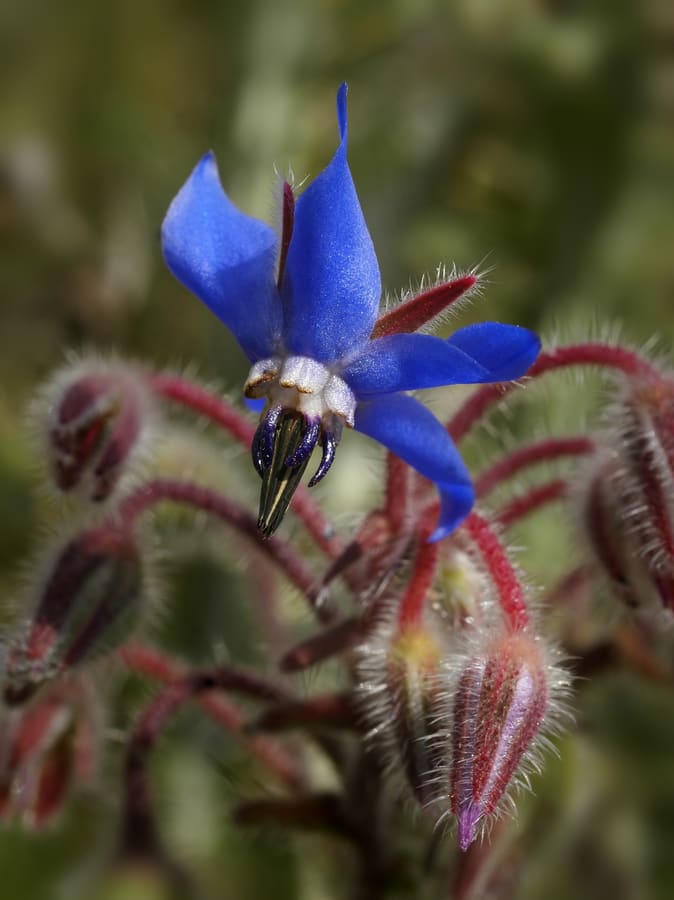 Borage (Borago officinalis)Not for self-dosing
Borage (Borago officinalis) is a coarse, hairy annual that grows to about 2 ft (60 cm), featuring a succulent stem, large basal leaves, and distinctively bright blue star-shaped flowers. The seeds yield an oil exceptionally rich in gamma-linolenic acid (GLA) - a form of polyunsaturated fatty acid beneficial for inflammatory and skin conditions. Traditionally, borage leaves and flowers are associated with uplifting mood and supporting adrenal function.
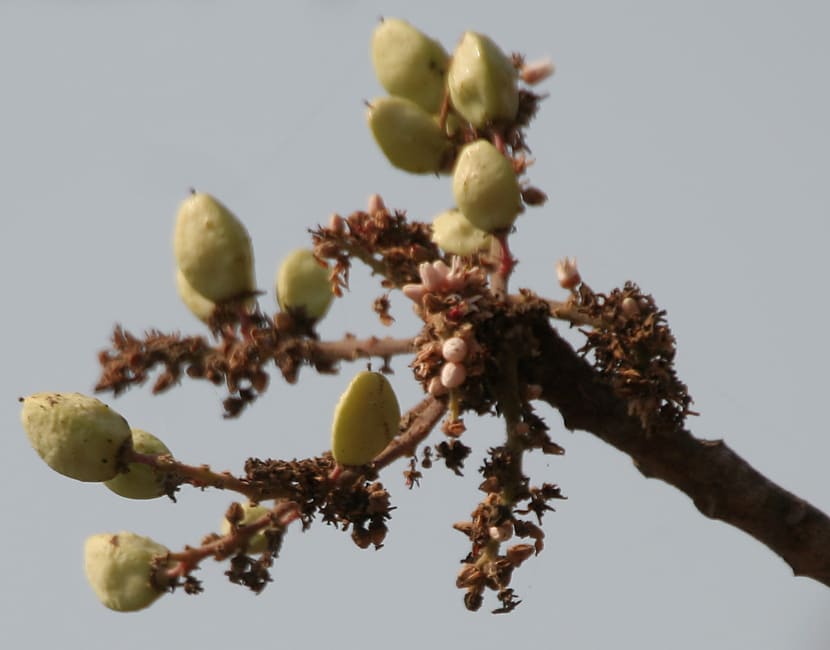 Boswellia (Boswellia serrata)
Boswellia is a deciduous tree growing to about 49 ft (15 m), characterized by its pale, papery bark, compound leaves, and small clusters of white flowers. The resin, which exudes from the bark and dries to a transparent gold color, has been used for thousands of years in traditional Ayurvedic medicine for arthritis, pulmonary diseases, ringworm, and diarrhea. The key active components are boswellic acids, noted for their marked anti-inflammatory and pain-relieving properties. Modern research suggests boswellia can be helpful in osteoarthritis, rheumatoid arthritis, bursitis, tendonitis, Crohn’s disease, and ulcerative colitis.
 Caraway (Carum carvi)
Caraway is an aromatic annual herb growing to 2 feet with a ridged stem, feathery leaves, and umbels of white flowers in midsummer. Exploding capsules release two small narrow seeds. It grows wild in Europe, North Africa, and Asia, preferring sunny sites up to 6,600 feet above sea level. Cultivated in Europe, Russia, North Africa, and the United States, the seeds are harvested ripe in late summer. Caraway has been valued since ancient times for its digestive and respiratory benefits, and the seeds are commonly used in cooking.