
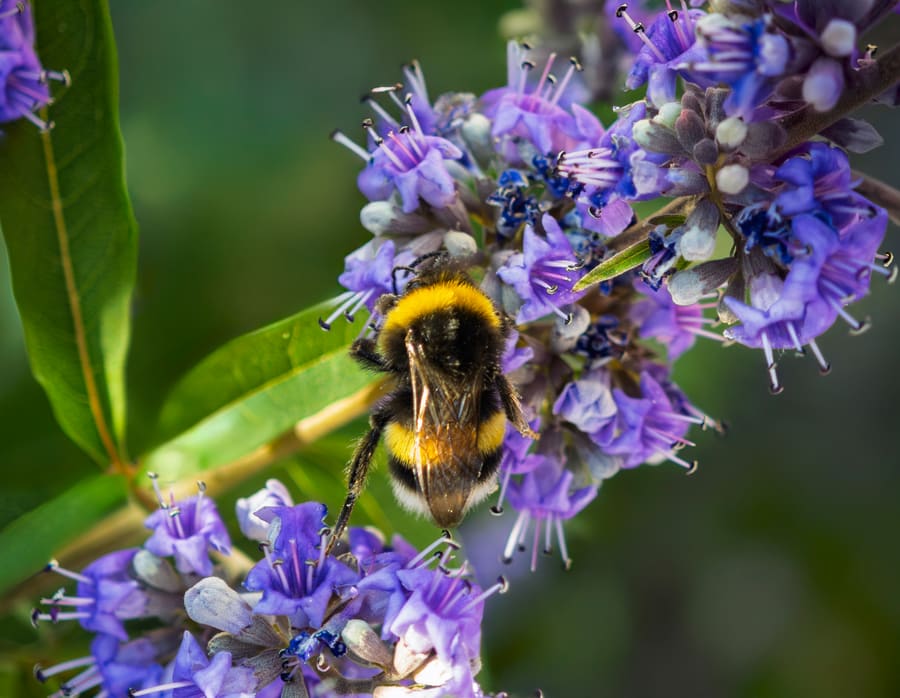
Chaste Tree (Vitex agnus-castus)
Photo: Didier Descouens · CC BY-SA 4.0
- Female Reproductive
- 1 condition
- Licensed photo
Overview
Chaste tree (Vitex agnus-castus) is a deciduous, aromatic tree growing up to about 23 ft (7 m). Its palm-shaped leaves and spikes of small lilac flowers produce dark, pepper-like berries in the autumn. Traditionally linked with reducing libido - hence the names “chaste tree” and “monk’s pepper” - modern research confirms its hormonal effects, especially in women. Chaste tree is commonly used for PMS, menopausal symptoms, menstrual cycle irregularities, and infertility tied to low progesterone. It may take 3-6 months of continuous use to yield optimal results.
Traditional uses & properties
Hormonal Balancing & Progesterogenic: Useful in regulating female reproductive hormones; can help reduce PMS, breast tenderness, and cycle irregularities. Anaphrodisiac: Traditionally believed to lower libido, particularly in men, though some sources suggest it has amphoteric (balancing) effects on sexual desire. Other Uses: Increases breast-milk production, and in combination with other herbs, may alleviate hormonal acne.
Traditional preparations
Traditional texts describe the preparations below, and where those texts give specific amounts, the amounts are quoted here as part of that record. This is a record of historical practice, not a dosage recommendation - the figures are what the sources say, not what HerbMate tells you to take. Amounts, potency, and safe use vary enormously by preparation, plant part, and person.
1,000-2,000 mg, 3 times daily
Dried berries (1:5, 45% alcohol); 1-3 ml (0.2-0.6 tsp.) 3 times daily
Safety & precautions
Hormonal Interactions: May reduce the effectiveness of hormonal birth control. Pregnancy & Contraception: Not advised during pregnancy or while taking fertility treatments or contraceptive pills without professional guidance. Potential Side Effects: Excessive doses can cause a crawling sensation on the skin (formication), gastrointestinal upset, headache, or dizziness.
Drug & food interactions
A comprehensive systematic review of data from spontaneous adverse event reporting schemes and published clinical studies, post-marketing surveillance studies, surveys and case reports was carried out in September 2004 to investigate the safety of agnus castus extracts. No drug interactions were identified. Agnus castus extracts used in the data reviewed included Agnolyt, Agnucaston, Strotan and ZE 440. However, agnus castus has dopamine agonist properties, and may therefore interact with drugs with either dopamine agonist or dopamine antagonist actions. Agnus castus contains oestrogenic compounds but it is unclear whether the effects of these compounds are additive, or antagonistic, to oestrogens and oestrogen antagonists (e.g. tamoxifen). Although agnus castus binds with opioid receptors, no serious interaction with opioid analgesics would be expected.
- Opioids
- The interaction between agnus castus and opioids is based on experimental evidence only.
- Oestrogens or oestrogen antagonists
- Agnus castus contains oestrogenic compounds. This may result in additive effects with oestrogens or it may oppose the effects of oestrogens. Similarly, agnus castus may have additive effects with oestrogen antagonists or oppose the effects of oestrogen antagonists (e.g. tamoxifen). A 32-year-old woman took a herbal medicine made from agnus castus, on her own initiative, before and in the early follicular phase of her fourth cycle of unstimulated IVF (in vitro fertilisation) treatment in order to try to promote ovarian function. In this cycle, she developed four follicles, and her serum gonadotrophin and ovarian hormone measurements became disordered. The agnus castus was stopped and she experienced symptoms suggestive of mild ovarian hyperstimulation syndrome in the luteal phase. Two subsequent cycles were endocrinologically normal with single follicles, as were the three cycles before she took the herbal preparation. It has also been suggested that agnus castus may provide relief from menopausal symptoms.
- Food
- No interactions found.
- Medicine
- No interactions found.
- Dopamine agonists or antagonists
- Agnus castus has dopamine agonist properties, and may therefore interact with drugs with either dopamine agonist or dopamine antagonist actions. In a double-blind study in women suffering from mastalgia, agnus castus extracts reduced serum prolactin levels (by about 4 nanograms/mL compared with about 0.6 nanograms/mL for placebo). The agnus castus extracts used in this study were an oral solution, Mastodynon, and a tablet, MA 1025 E1.
These entries keep the wording of the reference they come from, and three phrases mean three different things. "No interactions found" means the source looked for reports of that pairing and found none. "No data found" means nothing has been published either way. "Based on experimental evidence only" means the effect has been seen in a laboratory or animal study but not in people - a reason for caution, not a report of harm.
Habitat
Native to the Mediterranean and western Asia, chaste tree has naturalized in subtropical regions worldwide. Propagation is usually from seed in spring or autumn, with the ripe berries harvested in autumn. The plant thrives in warm climates and well-drained soil.
Traditionally used for
Each condition shows its first 2 remedies free. Premium opens the full remedy list for every condition - or come back for the free Condition of the Day.
Frequently asked questions
What is Chaste Tree (Vitex agnus-castus) traditionally used for?
Traditional sources describe Chaste Tree (Vitex agnus-castus) as follows: Hormonal Balancing & Progesterogenic: Useful in regulating female reproductive hormones; can help reduce PMS, breast tenderness, and cycle irregularities. Anaphrodisiac: Traditionally believed to lower libido, particularly in men, though some sources suggest it has amphoteric (balancing) effects on sexual desire. Other Uses: Increases breast-milk production, and in combination with other herbs, may alleviate hormonal acne.
How is Chaste Tree (Vitex agnus-castus) prepared?
Traditional texts describe the preparations below, and where those texts give specific amounts, the amounts are quoted here as part of that record. This is a record of historical practice, not a dosage recommendation - the figures are what the sources say, not what HerbMate tells you to take. Amounts, potency, and safe use vary enormously by preparation, plant part, and person. CAPSULE OR POWDER: 1,000-2,000 mg, 3 times daily TINCTURE: Dried berries (1:5, 45% alcohol); 1-3 ml (0.2-0.6 tsp.) 3 times daily
What safety cautions apply to Chaste Tree (Vitex agnus-castus)?
Hormonal Interactions: May reduce the effectiveness of hormonal birth control. Pregnancy & Contraception: Not advised during pregnancy or while taking fertility treatments or contraceptive pills without professional guidance. Potential Side Effects: Excessive doses can cause a crawling sensation on the skin (formication), gastrointestinal upset, headache, or dizziness.
Related herbs
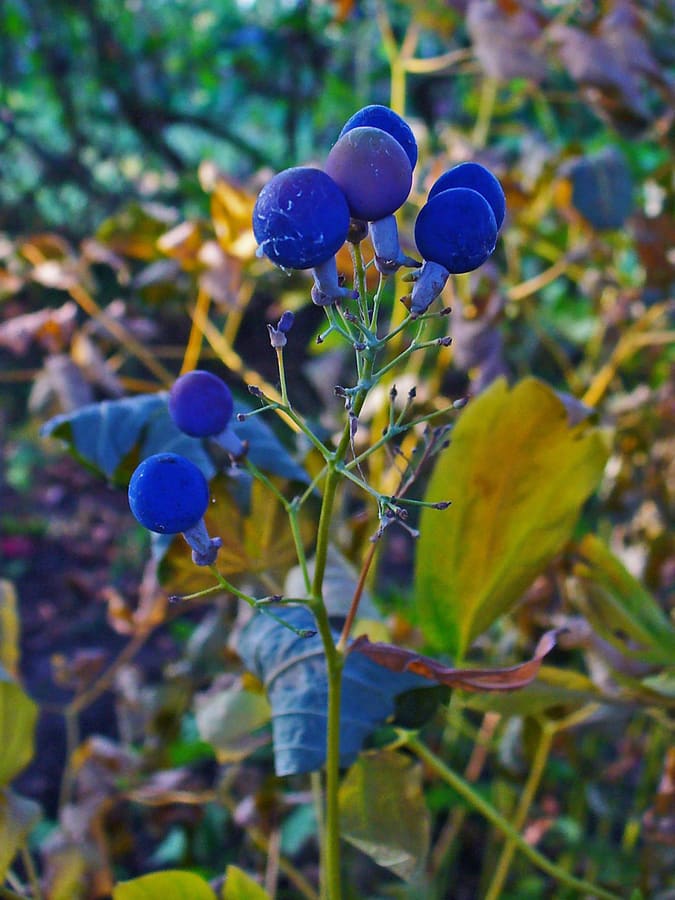 Blue Cohosh (Caulophyllum thalictroides)Not for self-dosing
Blue cohosh is an upright perennial herb reaching 3 feet in height, with large three-lobed leaves, yellow to purple flowers, and striking blue berries. It grows wild in much of eastern North America from Manitoba to Alabama, preferring woodland valleys and damp, north-facing slopes. The name 'cohosh' comes from the Algonquin language, and the plant was a popular remedy among many Native American tribes. Though taken by both sexes for genitourinary issues, it was primarily valued as a women's herb, and that tradition continues in modern herbal practice.
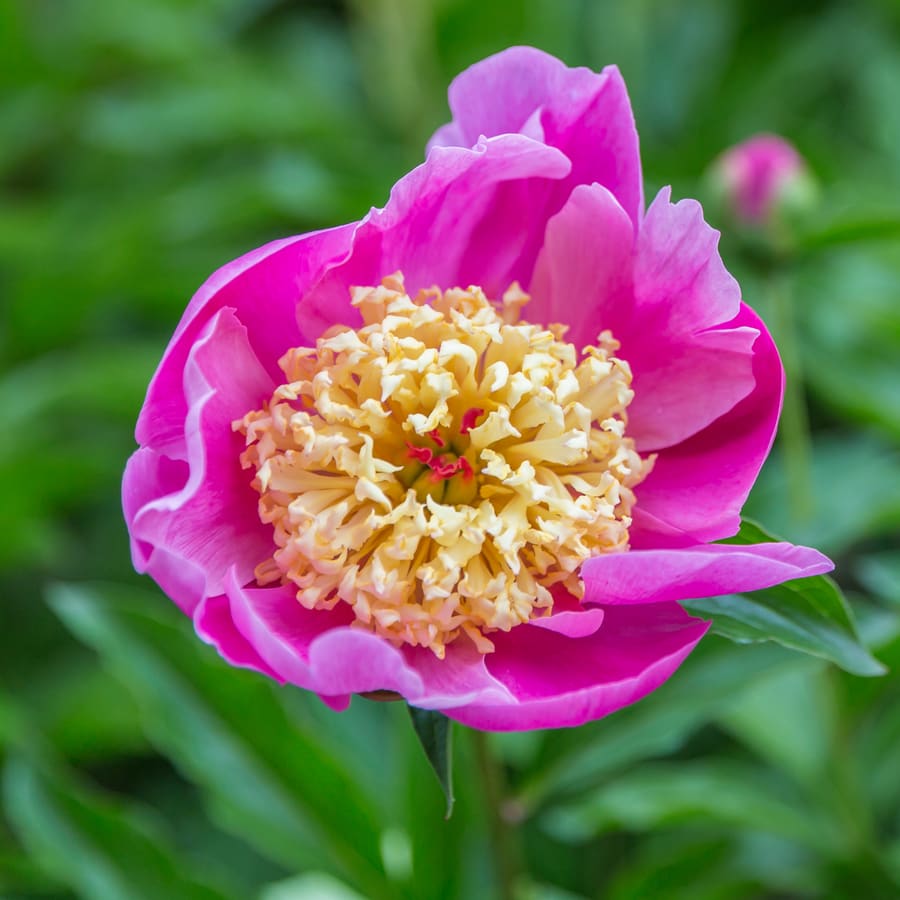 Chinese Peony / White Peony (Paeonia lactiflora)
White peony is an upright perennial growing to 6.5 feet with large white flowers and divided, dark green leaves. Its history of medicinal use in China stretches back at least 1,500 years, most notably as one of the herbs in 'Four Things Soup,' a renowned female tonic. Traditionally, it is believed that women who take the herb regularly become as radiant as the flower itself. The plant is cultivated throughout northeastern China and Inner Mongolia, propagated from seed in spring or from root cuttings in winter. The root of 4- or 5-year-old plants is harvested in spring or autumn and valued as a hormonal tonic.