
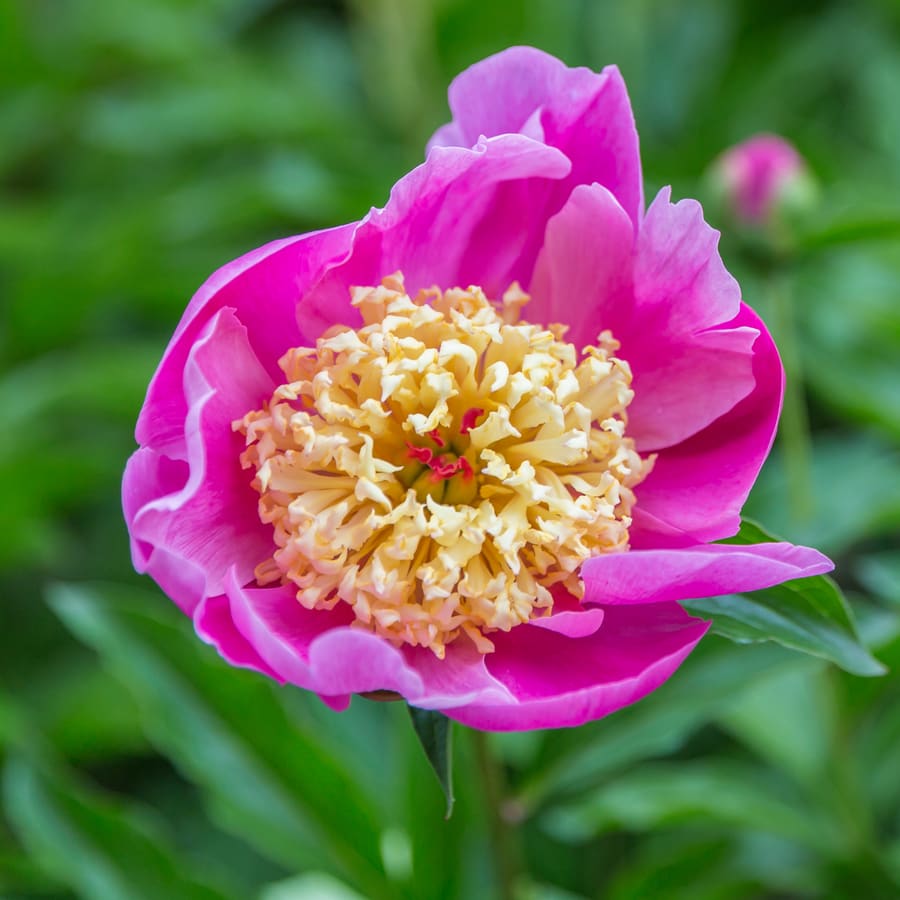
Chinese Peony / White Peony (Paeonia lactiflora)
- Circulatory
- 5 conditions
- Licensed photo
Overview
White peony is an upright perennial growing to 6.5 feet with large white flowers and divided, dark green leaves. Its history of medicinal use in China stretches back at least 1,500 years, most notably as one of the herbs in 'Four Things Soup,' a renowned female tonic. Traditionally, it is believed that women who take the herb regularly become as radiant as the flower itself. The plant is cultivated throughout northeastern China and Inner Mongolia, propagated from seed in spring or from root cuttings in winter. The root of 4- or 5-year-old plants is harvested in spring or autumn and valued as a hormonal tonic.
Traditional uses & properties
White peony is regarded primarily as a women's herb with significant anti-inflammatory, antispasmodic, and hormone-balancing properties. Its monoterpenoid glycosides, particularly paeoniflorin, support cognition, lower blood pressure, and enhance blood flow to the heart. The herb helps menstrual disorders including heavy bleeding, bleeding between periods, period pain, and cramps. As a blood and yin tonic, it addresses 'blood deficiency' states and alleviates hot flashes and night sweats. Research shows it can reverse symptoms of polycystic ovary syndrome (PCOS), supporting regular ovulation and lowering elevated testosterone levels when combined with licorice. White peony also provides neuroprotective effects within the brain, supporting spatial awareness and memory. Pentagalloyl glucose may have antiviral action against the cold sore virus, herpes simplex. The herb is an ingredient in 'Four Things Soup' alongside rehmannia, chuan xiong, and dong quai.
Traditional preparations
Traditional texts describe the preparations below, and where those texts give specific amounts, the amounts are quoted here as part of that record. This is a record of historical practice, not a dosage recommendation - the figures are what the sources say, not what HerbMate tells you to take. Amounts, potency, and safe use vary enormously by preparation, plant part, and person.
Standard decoction: 1-4 ounces up to 4 times daily. Tincture (fresh root 1:2, 95% alcohol; dried root 1:5, 60% alcohol): 10 drops to 1 ml (0.2 tsp.) up to 4 times daily.
Safety & precautions
Do not take during pregnancy. Generally well-tolerated, with no significant drug interactions documented. Use under professional guidance for hormonal conditions.
Drug & food interactions
Interaction data is not available for this herb - talk to a pharmacist before combining it with any medication. A blank entry here means we have not documented interactions, not that none exist.
Habitat
Cultivated throughout northeastern China and Inner Mongolia. Propagated from seed in spring or from root cuttings in winter. The root of 4- or 5-year-old plants is harvested in spring or autumn.
Traditionally used for
- High Blood Pressure11 herbs · 2 free
- Menopause5 herbs · 2 free
- Menstrual Pain11 herbs · 2 free
- Premenstrual Syndrome3 herbs · 2 free
- Memory Support6 herbs · 2 free
Each condition shows its first 2 remedies free. Premium opens the full remedy list for every condition - or come back for the free Condition of the Day.
Frequently asked questions
What is Chinese Peony / White Peony (Paeonia lactiflora) traditionally used for?
Traditional sources describe Chinese Peony / White Peony (Paeonia lactiflora) as follows: White peony is regarded primarily as a women's herb with significant anti-inflammatory, antispasmodic, and hormone-balancing properties. Its monoterpenoid glycosides, particularly paeoniflorin, support cognition, lower blood pressure, and enhance blood flow to the heart. The herb helps menstrual disorders including heavy bleeding, bleeding between periods, period pain, and cramps. As a blood and yin tonic, it addresses 'blood deficiency' states and alleviates hot flashes and night sweats. Research shows it can reverse symptoms of polycystic ovary syndrome (PCOS), supporting regular ovulation and lowering elevated testosterone levels when combined with licorice. White peony also provides neuroprotective effects within the brain, supporting spatial awareness and memory. Pentagalloyl glucose may have antiviral action against the cold sore virus, herpes simplex. The herb is an ingredient in 'Four Things Soup' alongside rehmannia, chuan xiong, and dong quai.
How is Chinese Peony / White Peony (Paeonia lactiflora) prepared?
Traditional texts describe the preparations below, and where those texts give specific amounts, the amounts are quoted here as part of that record. This is a record of historical practice, not a dosage recommendation - the figures are what the sources say, not what HerbMate tells you to take. Amounts, potency, and safe use vary enormously by preparation, plant part, and person. Standard decoction: 1-4 ounces up to 4 times daily. Tincture (fresh root 1:2, 95% alcohol; dried root 1:5, 60% alcohol): 10 drops to 1 ml (0.2 tsp.) up to 4 times daily.
What safety cautions apply to Chinese Peony / White Peony (Paeonia lactiflora)?
Do not take during pregnancy. Generally well-tolerated, with no significant drug interactions documented. Use under professional guidance for hormonal conditions.
Related herbs
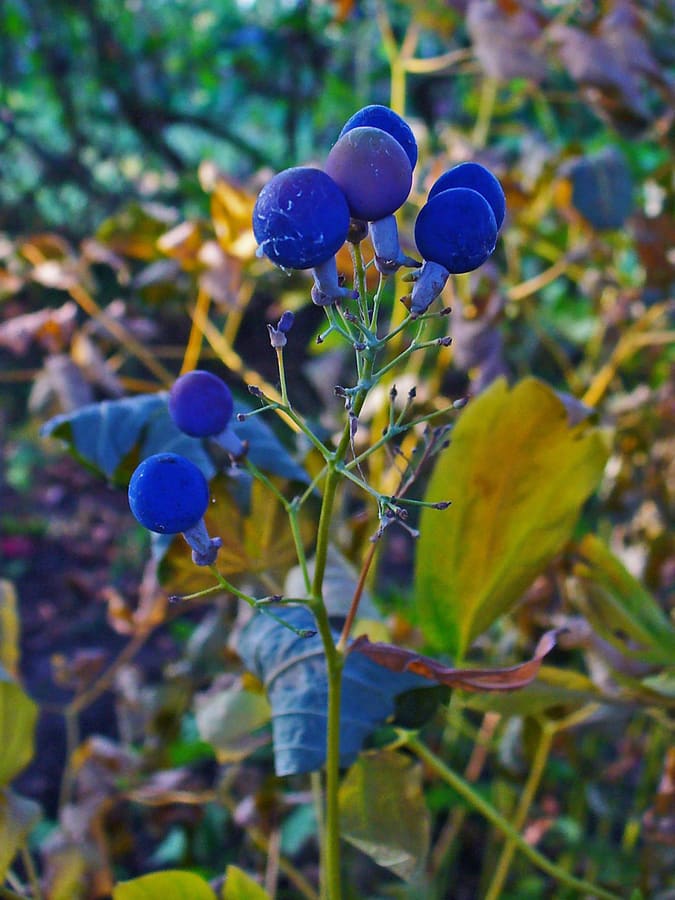 Blue Cohosh (Caulophyllum thalictroides)Not for self-dosing
Blue cohosh is an upright perennial herb reaching 3 feet in height, with large three-lobed leaves, yellow to purple flowers, and striking blue berries. It grows wild in much of eastern North America from Manitoba to Alabama, preferring woodland valleys and damp, north-facing slopes. The name 'cohosh' comes from the Algonquin language, and the plant was a popular remedy among many Native American tribes. Though taken by both sexes for genitourinary issues, it was primarily valued as a women's herb, and that tradition continues in modern herbal practice.
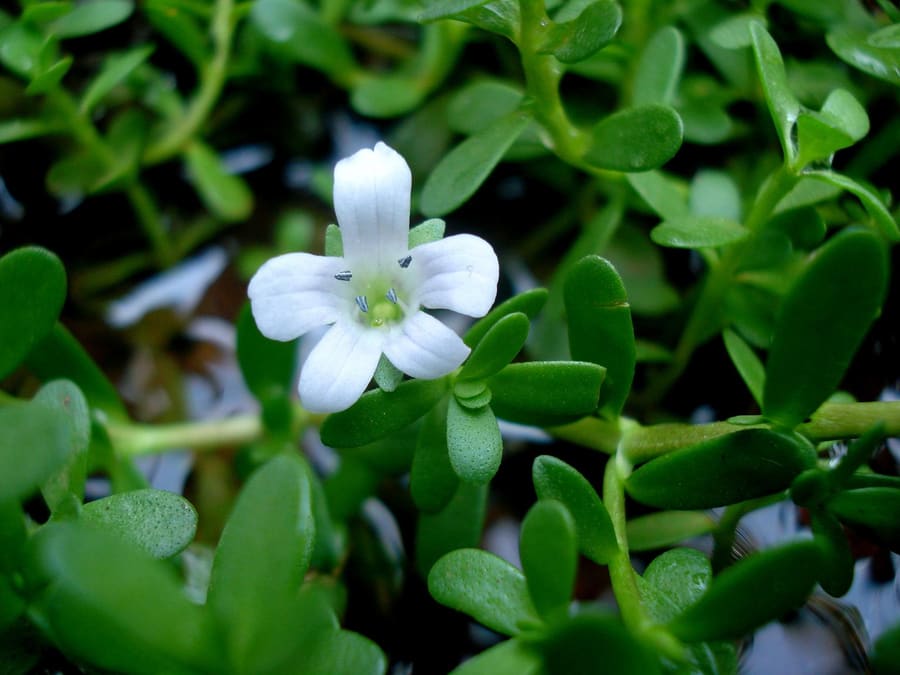 Bacopa (Bacopa monnieri)
Bacopa, also known as Water Hyssop or Brahmi, is a creeping succulent perennial that can grow to about 20 inches. It features spatula-shaped fleshy leaves and pale blue or white flowers on slender stalks. Thriving in marshlands and along the edges of mangrove swamps in warmer temperate and tropical climates - especially southern Asia - it develops into dense mats on mudflats. This herb has been a cornerstone of Ayurvedic medicine for supporting cognitive function and treating various nervous system disorders, and it is increasingly recognized in Western herbalism for its brain-enhancing properties.
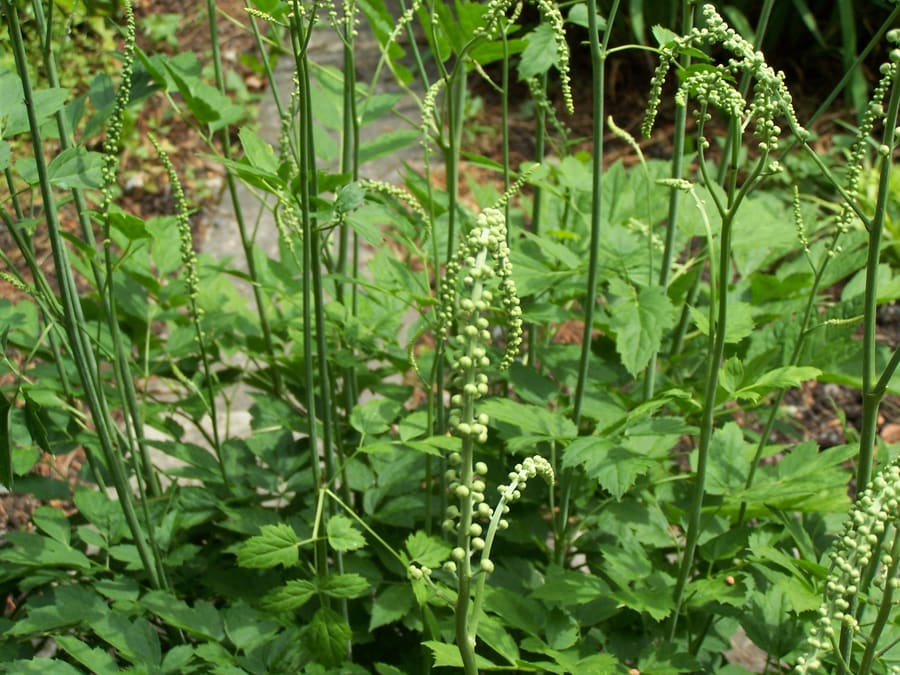 Black Cohosh (Cimicifuga racemosa)
Black cohosh (Cimicifuga racemosa) is a tall herbaceous perennial, growing up to about 8 ft (2.5 m) with creamy-white flower spikes. Its thick, knobby root has a bitter, acrid taste and a distinctive odor. Traditionally, the root has been valued as a Native American remedy for women’s health issues, especially painful periods, menopausal problems (such as hot flashes), and uterine discomfort. It also has a history of use for rheumatic complaints, including rheumatoid arthritis, nerve conditions like tinnitus, and even venomous bites or stings. Modern research suggests black cohosh can help alleviate menopausal symptoms and may influence estrogenic activity within the body, although it does not contain estrogen itself.
 Caraway (Carum carvi)
Caraway is an aromatic annual herb growing to 2 feet with a ridged stem, feathery leaves, and umbels of white flowers in midsummer. Exploding capsules release two small narrow seeds. It grows wild in Europe, North Africa, and Asia, preferring sunny sites up to 6,600 feet above sea level. Cultivated in Europe, Russia, North Africa, and the United States, the seeds are harvested ripe in late summer. Caraway has been valued since ancient times for its digestive and respiratory benefits, and the seeds are commonly used in cooking.
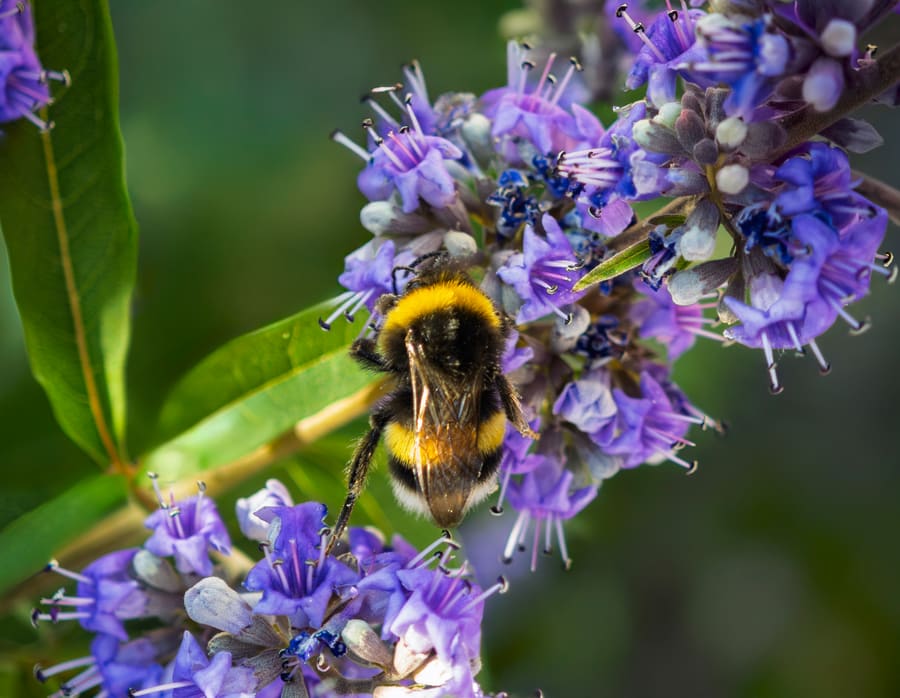 Chaste Tree (Vitex agnus-castus)
Chaste tree (Vitex agnus-castus) is a deciduous, aromatic tree growing up to about 23 ft (7 m). Its palm-shaped leaves and spikes of small lilac flowers produce dark, pepper-like berries in the autumn. Traditionally linked with reducing libido - hence the names “chaste tree” and “monk’s pepper” - modern research confirms its hormonal effects, especially in women. Chaste tree is commonly used for PMS, menopausal symptoms, menstrual cycle irregularities, and infertility tied to low progesterone. It may take 3-6 months of continuous use to yield optimal results.
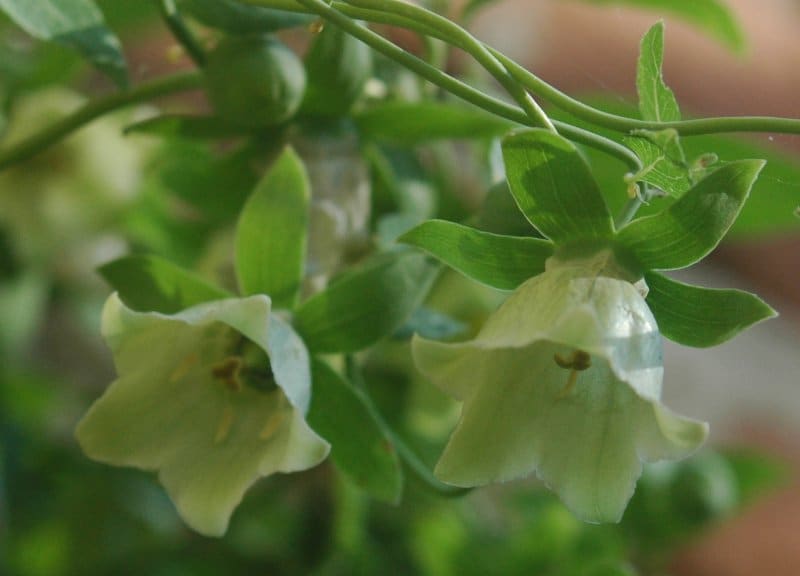 Codonopsis (Codonopsis pilosula)
Codonopsis is a small twining perennial growing to 5 feet with oval leaves and pendulous green and purple bell-shaped flowers marked with purple in summer. Native to northeastern China and growing throughout the region - especially in the Shanxi and Szechuan provinces - it is propagated from seed in spring or autumn, and the root is harvested in autumn once the aerial parts have died down. In Chinese herbal medicine, codonopsis holds a central place as a gentle tonic that increases energy levels, improves physical and mental well-being, and helps the body adapt to stress.
- Corydalis (Corydalis yanhusuo)
Corydalis is a small herbaceous perennial growing to 8 inches with narrow leaves and pink flowers. Native to Siberia, northern China, and Japan, it is commonly cultivated in eastern and northeastern parts of China. Propagated from seed in early spring or autumn, the rhizome is harvested in late spring and early summer when the aerial parts have withered. This important Chinese remedy has been used at least since the 8th century to help 'invigorate the blood' and relieve almost any painful condition, particularly menstrual cramps and chest and abdominal pain.
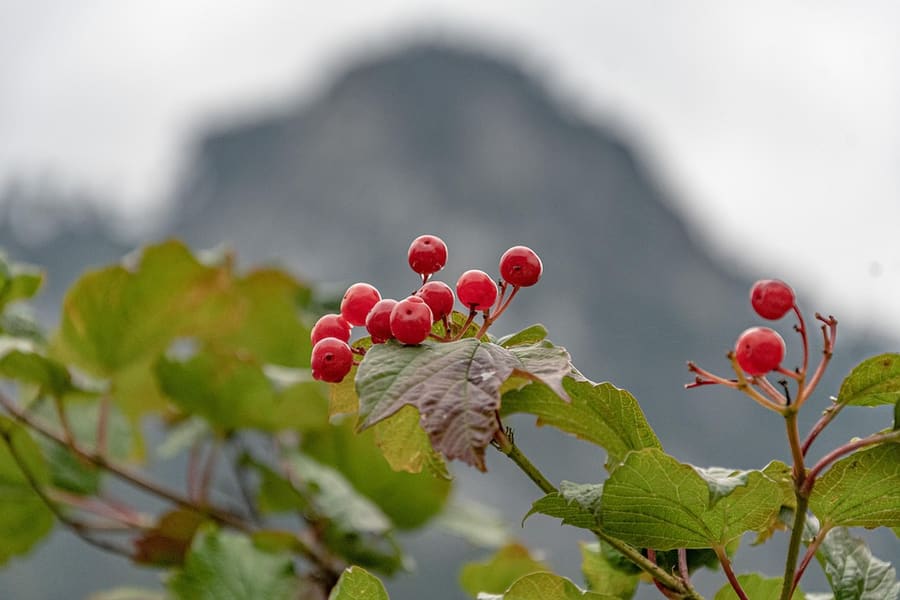 Cramp Bark (Viburnum opulus)
Cramp bark (Viburnum opulus) is a deciduous shrub or small tree growing to about 13 ft (4 m). It has lobed leaves, clusters of white flowers, and red oval berries. As the name suggests, cramp bark is known to relieve muscular spasms - particularly of the smooth muscle in the uterus - making it a popular remedy for menstrual cramps, tension, and certain types of colic or back pain. It also exhibits mild sedative and relaxant actions.