
Herbs for Back pain
4 herbs traditionally used for this condition.
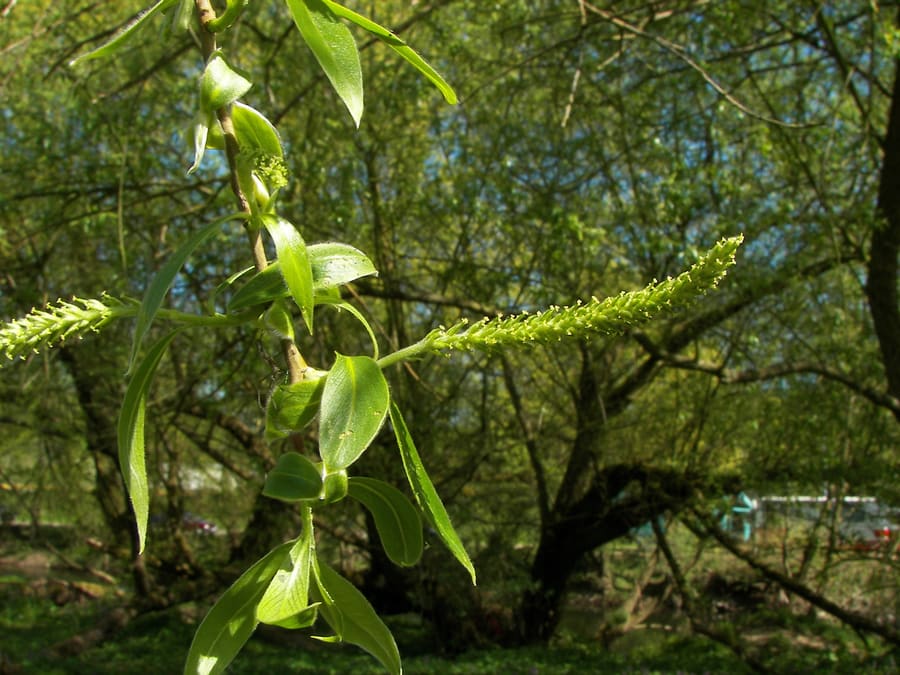
- White Willow (Salix alba)
Willow (Salix spp., especially S. alba) is a deciduous tree, sometimes up to 80 ft (25 m), with long, slender leaves and catkins in spring. The bark—high in salicin—was the original source of salicylic acid and a forerunner to aspirin. White willow bark is anti-inflammatory, reducing pain and fever, but works more slowly than aspirin.
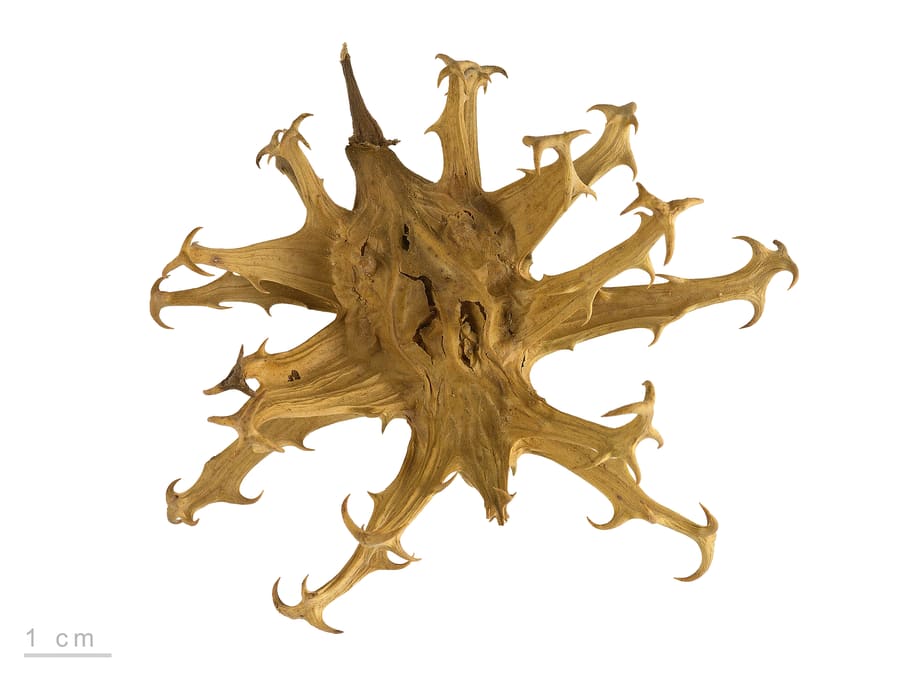
- Devil's Claw (Harpagophytum procumbens)
Devil’s claw (Harpagophytum procumbens) is a trailing perennial native to southern Africa, named for its hooked, woody fruits. For millennia, indigenous peoples have relied on its tuber to treat pain, fever, and digestive ailments. In modern herbalism, devil’s claw is best known for its anti-inflammatory and analgesic properties, frequently employed to support joint health and reduce arthritic or lower back pain. It also acts as a bitter tonic to stimulate digestion.
- Corydalis (Corydalis yanhusuo)
Corydalis is a small herbaceous perennial growing to 8 inches with narrow leaves and pink flowers. Native to Siberia, northern China, and Japan, it is commonly cultivated in eastern and northeastern parts of China. Propagated from seed in early spring or autumn, the rhizome is harvested in late spring and early summer when the aerial parts have withered. This important Chinese remedy has been used at least since the 8th century to help 'invigorate the blood' and relieve almost any painful condition, particularly menstrual cramps and chest and abdominal pain.
- Lobelia (Lobelia inflata)
Lobelia is an annual herb growing to 20 inches with lance-shaped leaves and pale blue, pink-tinged flowers. A powerful antispasmodic used for respiratory and muscle disorders, it was a traditional Native American remedy for many conditions. It was used as a 'puke weed' to induce vomiting, as a remedy for worms and venereal disease, and as an expectorant. Lobelia was also smoked as a substitute for tobacco and was reputed to share some of its magical qualities. Indigenous to North America, especially eastern parts of the United States, it grows by roadsides and in neglected areas, preferring acid soil. The aerial parts are harvested in early autumn when the seed capsules are most numerous and are carefully dried. Its use was later championed by the American herbalist Samuel Thomson (1769–1843), who made the herb the mainstay of his therapeutic system, mainly using it to induce vomiting.