
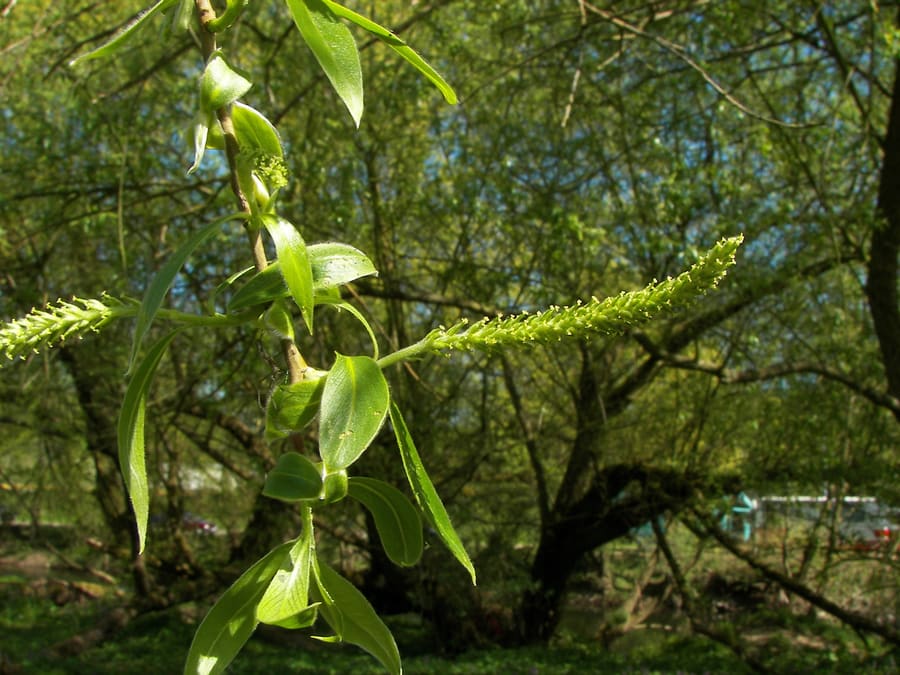
White Willow (Salix alba)
Photo: Willow · CC BY-SA 2.5
- Skeletal
- 2 conditions
- Licensed photo
Overview
Willow (Salix spp., especially S. alba) is a deciduous tree, sometimes up to 80 ft (25 m), with long, slender leaves and catkins in spring. The bark - high in salicin - was the original source of salicylic acid and a forerunner to aspirin. White willow bark is anti-inflammatory, reducing pain and fever, but works more slowly than aspirin.
Traditional uses & properties
Anti-Inflammatory & Analgesic: Eases arthritic pain, rheumatism, lower backache, and pain linked to osteoarthritis or degenerative joint issues. Fever-Reducing & Mildly Astringent: Helpful in managing mild fevers, headaches, and night sweats. Gentler Than Aspirin: Less harsh on the stomach, though takes up to 8 hours to work; often combined with other herbs for synergy.
Traditional preparations
Traditional texts describe the preparations below, and where those texts give specific amounts, the amounts are quoted here as part of that record. This is a record of historical practice, not a dosage recommendation - the figures are what the sources say, not what HerbMate tells you to take. Amounts, potency, and safe use vary enormously by preparation, plant part, and person.
500-2,000 mg up to 3 times daily
4-8 ounces 3 times daily
Dried bark (1:5); 10-30 ml (1-3 tsp.) up to 3 times daily
Safety & precautions
Allergic to Aspirin: Avoid use. Digestive Weakness or Ulcers: Willow can irritate the gut in large doses. Pregnancy & Nursing: Not recommended without professional supervision. Children Under 12: Avoid in the context of fever (possible risk akin to aspirin’s association with Reye’s syndrome).
Drug & food interactions
Interaction data is not available for this herb - talk to a pharmacist before combining it with any medication. A blank entry here means we have not documented interactions, not that none exist.
Habitat
Native to Europe, North Africa, and parts of Asia, willows often grow along riverbanks in moist soil. Propagated from cuttings in winter, bark is stripped off young branches in spring.
Traditionally used for
Each condition shows its first 2 remedies free. Premium opens the full remedy list for every condition - or come back for the free Condition of the Day.
Frequently asked questions
What is White Willow (Salix alba) traditionally used for?
Traditional sources describe White Willow (Salix alba) as follows: Anti-Inflammatory & Analgesic: Eases arthritic pain, rheumatism, lower backache, and pain linked to osteoarthritis or degenerative joint issues. Fever-Reducing & Mildly Astringent: Helpful in managing mild fevers, headaches, and night sweats. Gentler Than Aspirin: Less harsh on the stomach, though takes up to 8 hours to work; often combined with other herbs for synergy.
How is White Willow (Salix alba) prepared?
Traditional texts describe the preparations below, and where those texts give specific amounts, the amounts are quoted here as part of that record. This is a record of historical practice, not a dosage recommendation - the figures are what the sources say, not what HerbMate tells you to take. Amounts, potency, and safe use vary enormously by preparation, plant part, and person. CAPSULE: 500-2,000 mg up to 3 times daily STANDARD DECOCTION: 4-8 ounces 3 times daily GLYCERITE: Dried bark (1:5); 10-30 ml (1-3 tsp.) up to 3 times daily
What safety cautions apply to White Willow (Salix alba)?
Allergic to Aspirin: Avoid use. Digestive Weakness or Ulcers: Willow can irritate the gut in large doses. Pregnancy & Nursing: Not recommended without professional supervision. Children Under 12: Avoid in the context of fever (possible risk akin to aspirin’s association with Reye’s syndrome).
Related herbs
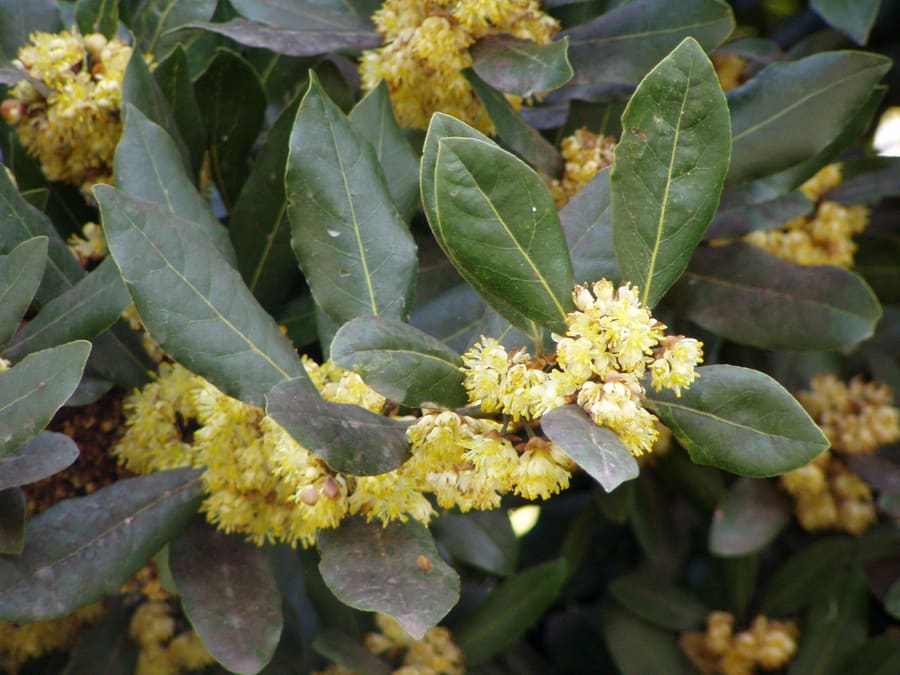 Bay laurel (Laurus nobilis)
Bay laurel (Laurus nobilis) is an aromatic evergreen shrub or small tree that can grow up to about 65 ft (20 m). It features leathery, dark green, lance-shaped leaves, small yellow flowers, and shiny black berries. The plant is well known for its culinary use (“bay leaves”) as well as its medicinal history in ancient Greece and Rome.
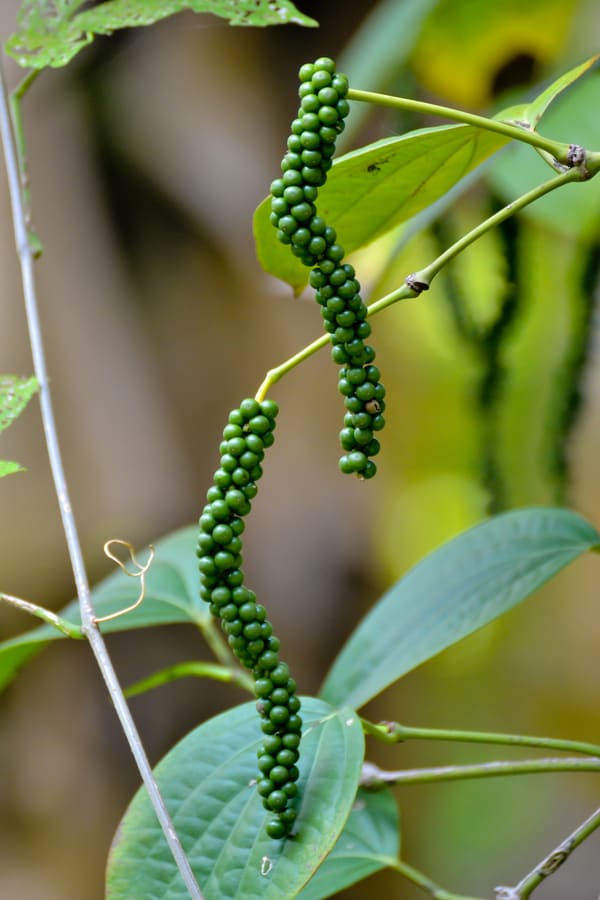 Black Pepper (Piper nigrum)
Black pepper is a perennial woody climbing vine growing to about 16 feet, with large oval leaves, spikes of small white flowers, and clusters of small round fruits that ripen from green to red. Native to southwestern India and now cultivated in tropical areas worldwide, the fruit is harvested from plants that are at least three years old. Different processing methods yield green, black, red, and white peppercorns, each with distinct flavors and uses. Cultivated as both a spice and medicine since ancient times, pepper was such a prized commodity in world trade that Attila the Hun reportedly demanded 3,000 pounds of it as ransom during his siege of Rome in 408 CE.
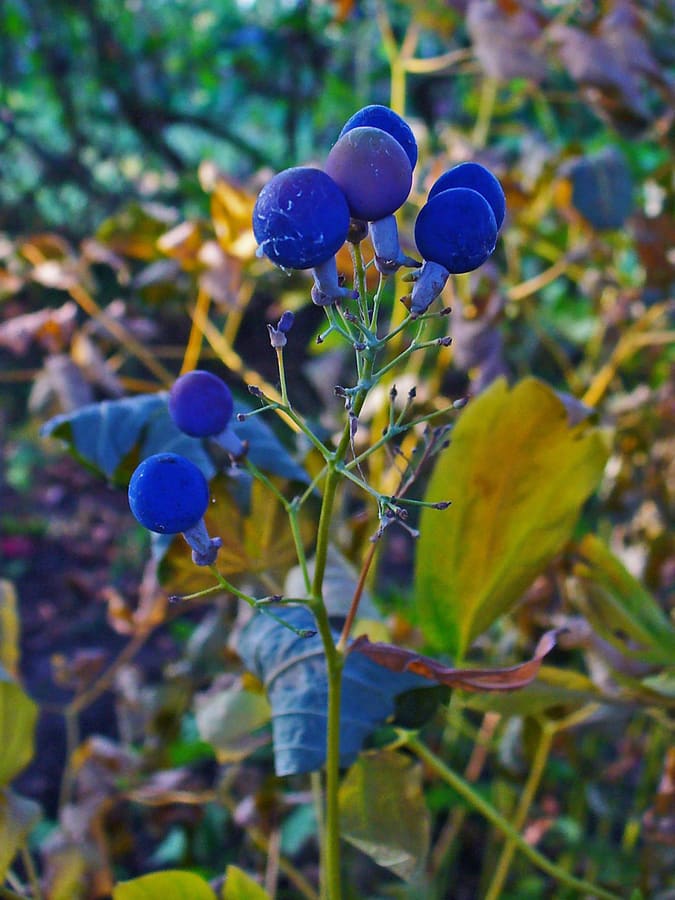 Blue Cohosh (Caulophyllum thalictroides)Not for self-dosing
Blue cohosh is an upright perennial herb reaching 3 feet in height, with large three-lobed leaves, yellow to purple flowers, and striking blue berries. It grows wild in much of eastern North America from Manitoba to Alabama, preferring woodland valleys and damp, north-facing slopes. The name 'cohosh' comes from the Algonquin language, and the plant was a popular remedy among many Native American tribes. Though taken by both sexes for genitourinary issues, it was primarily valued as a women's herb, and that tradition continues in modern herbal practice.
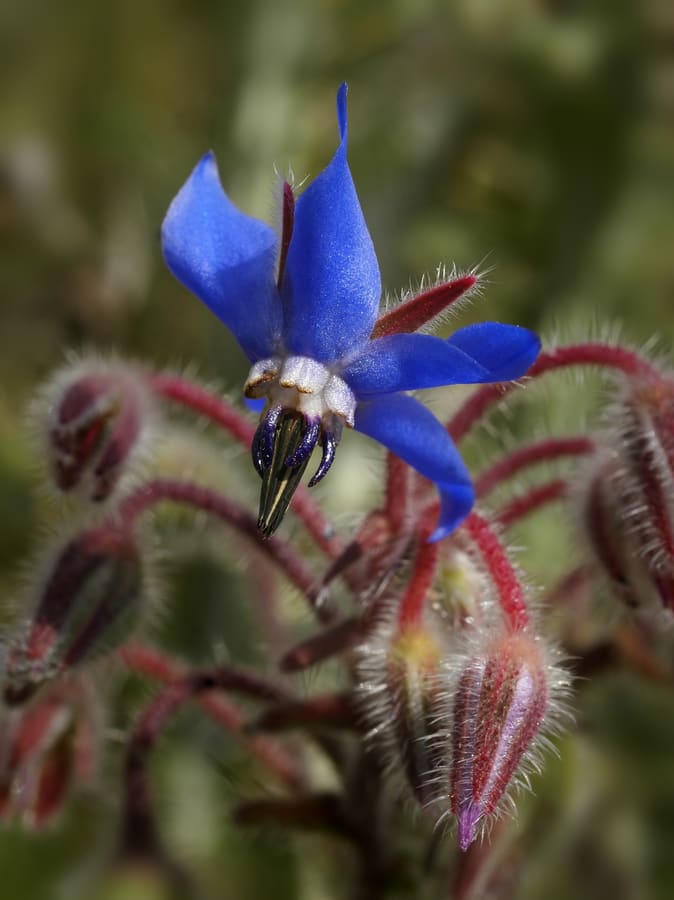 Borage (Borago officinalis)Not for self-dosing
Borage (Borago officinalis) is a coarse, hairy annual that grows to about 2 ft (60 cm), featuring a succulent stem, large basal leaves, and distinctively bright blue star-shaped flowers. The seeds yield an oil exceptionally rich in gamma-linolenic acid (GLA) - a form of polyunsaturated fatty acid beneficial for inflammatory and skin conditions. Traditionally, borage leaves and flowers are associated with uplifting mood and supporting adrenal function.
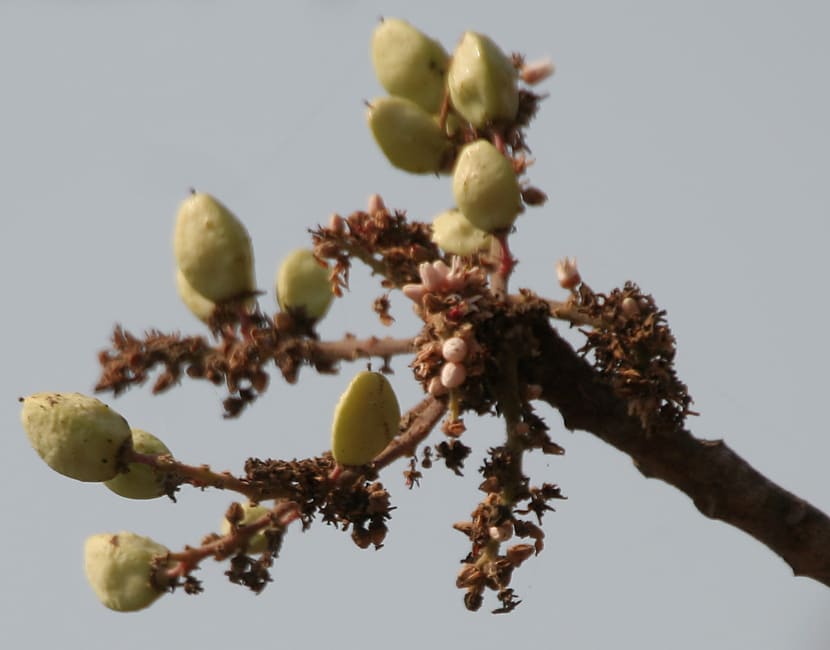 Boswellia (Boswellia serrata)
Boswellia is a deciduous tree growing to about 49 ft (15 m), characterized by its pale, papery bark, compound leaves, and small clusters of white flowers. The resin, which exudes from the bark and dries to a transparent gold color, has been used for thousands of years in traditional Ayurvedic medicine for arthritis, pulmonary diseases, ringworm, and diarrhea. The key active components are boswellic acids, noted for their marked anti-inflammatory and pain-relieving properties. Modern research suggests boswellia can be helpful in osteoarthritis, rheumatoid arthritis, bursitis, tendonitis, Crohn’s disease, and ulcerative colitis.
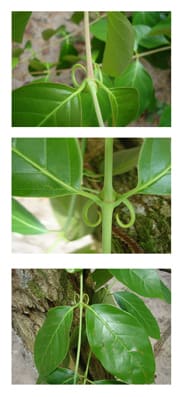 Cat's Claw (Uncaria tomentosa)
Cat's claw is a climbing vine that can grow to 100 feet or more, with stems up to 8 inches in diameter, large glossy leaves, and sharp hooks resembling a cat's claws. Native to tropical rainforests in the central and eastern Andes - especially Peru, Ecuador, and Colombia - it has also been found in Guatemala, Costa Rica, and Panama. Known by the Ashaninka and other indigenous peoples of central Peru for its power in regulating illness, it has been used since ancient times to treat serious conditions ranging from asthma and diabetes to arthritis and cancer. By the early 1990s, over-collection from the wild threatened the species' survival; only sustainably sourced stem bark should be used, rather than root bark.
- Corydalis (Corydalis yanhusuo)
Corydalis is a small herbaceous perennial growing to 8 inches with narrow leaves and pink flowers. Native to Siberia, northern China, and Japan, it is commonly cultivated in eastern and northeastern parts of China. Propagated from seed in early spring or autumn, the rhizome is harvested in late spring and early summer when the aerial parts have withered. This important Chinese remedy has been used at least since the 8th century to help 'invigorate the blood' and relieve almost any painful condition, particularly menstrual cramps and chest and abdominal pain.
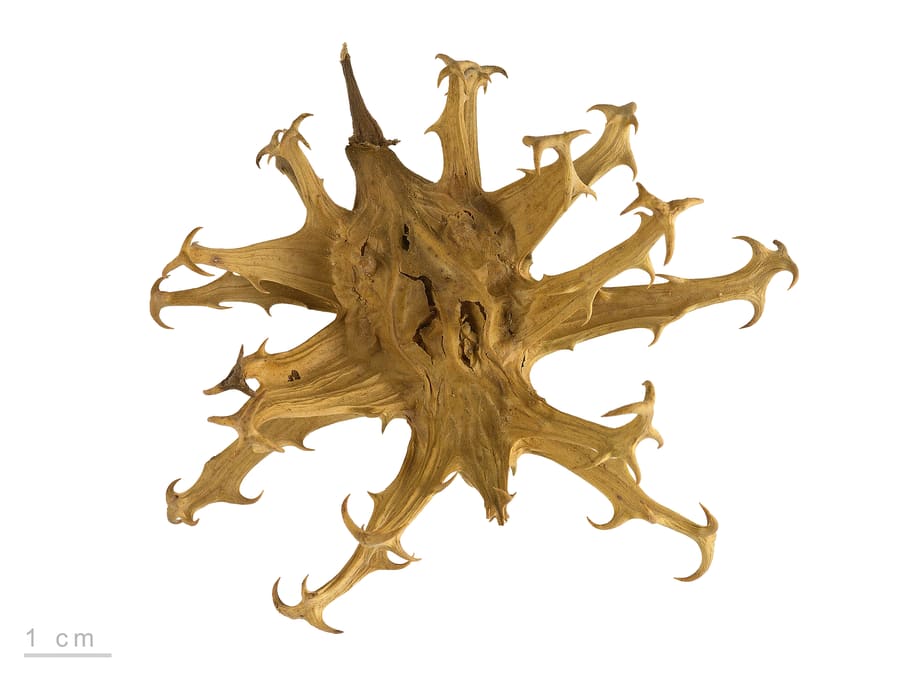 Devil's Claw (Harpagophytum procumbens)
Devil’s claw (Harpagophytum procumbens) is a trailing perennial native to southern Africa, named for its hooked, woody fruits. For millennia, indigenous peoples have relied on its tuber to treat pain, fever, and digestive ailments. In modern herbalism, devil’s claw is best known for its anti-inflammatory and analgesic properties, frequently employed to support joint health and reduce arthritic or lower back pain. It also acts as a bitter tonic to stimulate digestion.