
Corydalis (Corydalis yanhusuo)
- Digestive
- 4 conditions
- Illustrated plate
Overview
Corydalis is a small herbaceous perennial growing to 8 inches with narrow leaves and pink flowers. Native to Siberia, northern China, and Japan, it is commonly cultivated in eastern and northeastern parts of China. Propagated from seed in early spring or autumn, the rhizome is harvested in late spring and early summer when the aerial parts have withered. This important Chinese remedy has been used at least since the 8th century to help 'invigorate the blood' and relieve almost any painful condition, particularly menstrual cramps and chest and abdominal pain.
Traditional uses & properties
Corydalis is a natural pain reliever containing powerful alkaloids - especially corydaline and tetrahydropalmatine (THP) - that provide analgesic, antispasmodic, and sedative effects. The powdered rhizome has up to one-tenth the analgesic potency of morphine, making it a valuable though milder pain-relief option. THP acts as a central nervous system depressant, blocking dopamine receptors and stimulating secretion of adrenocorticotropic hormone (ACTH), which controls aspects of stress. Several clinical trials in China have shown corydalis to be very effective in relieving menstrual pain. In Chinese herbal medicine, it is specifically taken to treat pain from almost any cause and is rarely used alone, being combined with various other herbs as appropriate. It is well worth trying for period pain (combines well with cramp bark), abdominal conditions such as appendicitis or peptic ulcer, and pain from traumatic injury. As corydalis is thought to 'invigorate the blood,' it is especially useful for pain stemming from obstruction of normal blood flow.
Traditional preparations
Traditional texts describe the preparations below, and where those texts give specific amounts, the amounts are quoted here as part of that record. This is a record of historical practice, not a dosage recommendation - the figures are what the sources say, not what HerbMate tells you to take. Amounts, potency, and safe use vary enormously by preparation, plant part, and person.
Standard decoction: Tastes vile but is effective; 3-8 ounces as needed. Tincture (dried rhizome 1:3, 50% alcohol): 1-5 ml (0.2-1 tsp.) as needed. Standardized extract: THP 100-200 mg daily. Capsules or powder (tea powder concentrate works best): 1,000-2,000 mg, 2-3 times daily.
Safety & precautions
Do not take during pregnancy. Generally well-tolerated when used as directed. The alkaloid content provides effective pain relief but should be used responsibly.
Drug & food interactions
Interaction data is not available for this herb - talk to a pharmacist before combining it with any medication. A blank entry here means we have not documented interactions, not that none exist.
Habitat
Native to Siberia, northern China, and Japan. Commonly cultivated in eastern and northeastern China. Propagated from seed in early spring or autumn. The rhizome is harvested in late spring and early summer when the aerial parts have withered.
Traditionally used for
- Ulcers15 herbs · 2 free
- Menstrual Pain11 herbs · 2 free
- Back pain5 herbs · 2 free
- Muscle Strain8 herbs · 2 free
Each condition shows its first 2 remedies free. Premium opens the full remedy list for every condition - or come back for the free Condition of the Day.
Frequently asked questions
What is Corydalis (Corydalis yanhusuo) traditionally used for?
Traditional sources describe Corydalis (Corydalis yanhusuo) as follows: Corydalis is a natural pain reliever containing powerful alkaloids - especially corydaline and tetrahydropalmatine (THP) - that provide analgesic, antispasmodic, and sedative effects. The powdered rhizome has up to one-tenth the analgesic potency of morphine, making it a valuable though milder pain-relief option. THP acts as a central nervous system depressant, blocking dopamine receptors and stimulating secretion of adrenocorticotropic hormone (ACTH), which controls aspects of stress. Several clinical trials in China have shown corydalis to be very effective in relieving menstrual pain. In Chinese herbal medicine, it is specifically taken to treat pain from almost any cause and is rarely used alone, being combined with various other herbs as appropriate. It is well worth trying for period pain (combines well with cramp bark), abdominal conditions such as appendicitis or peptic ulcer, and pain from traumatic injury. As corydalis is thought to 'invigorate the blood,' it is especially useful for pain stemming from obstruction of normal blood flow.
How is Corydalis (Corydalis yanhusuo) prepared?
Traditional texts describe the preparations below, and where those texts give specific amounts, the amounts are quoted here as part of that record. This is a record of historical practice, not a dosage recommendation - the figures are what the sources say, not what HerbMate tells you to take. Amounts, potency, and safe use vary enormously by preparation, plant part, and person. Standard decoction: Tastes vile but is effective; 3-8 ounces as needed. Tincture (dried rhizome 1:3, 50% alcohol): 1-5 ml (0.2-1 tsp.) as needed. Standardized extract: THP 100-200 mg daily. Capsules or powder (tea powder concentrate works best): 1,000-2,000 mg, 2-3 times daily.
What safety cautions apply to Corydalis (Corydalis yanhusuo)?
Do not take during pregnancy. Generally well-tolerated when used as directed. The alkaloid content provides effective pain relief but should be used responsibly.
Related herbs
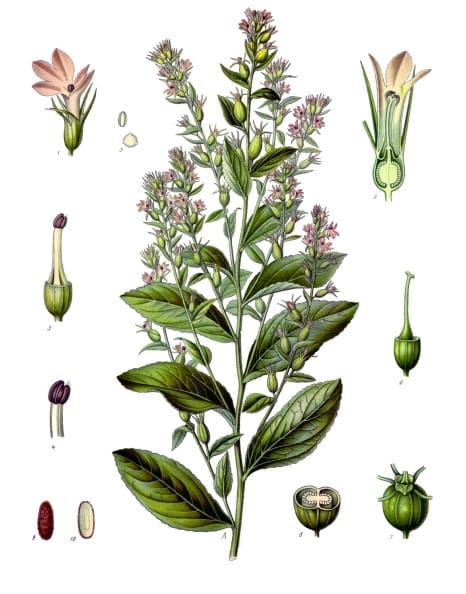 Lobelia (Lobelia inflata)Not for self-dosing
Lobelia is an annual herb growing to 20 inches with lance-shaped leaves and pale blue, pink-tinged flowers. A powerful antispasmodic used for respiratory and muscle disorders, it was a traditional Native American remedy for many conditions. It was used as a 'puke weed' to induce vomiting, as a remedy for worms and venereal disease, and as an expectorant. Lobelia was also smoked as a substitute for tobacco and was reputed to share some of its magical qualities. Indigenous to North America, especially eastern parts of the United States, it grows by roadsides and in neglected areas, preferring acid soil. The aerial parts are harvested in early autumn when the seed capsules are most numerous and are carefully dried. Its use was later championed by the American herbalist Samuel Thomson (1769-1843), who made the herb the mainstay of his therapeutic system, mainly using it to induce vomiting.
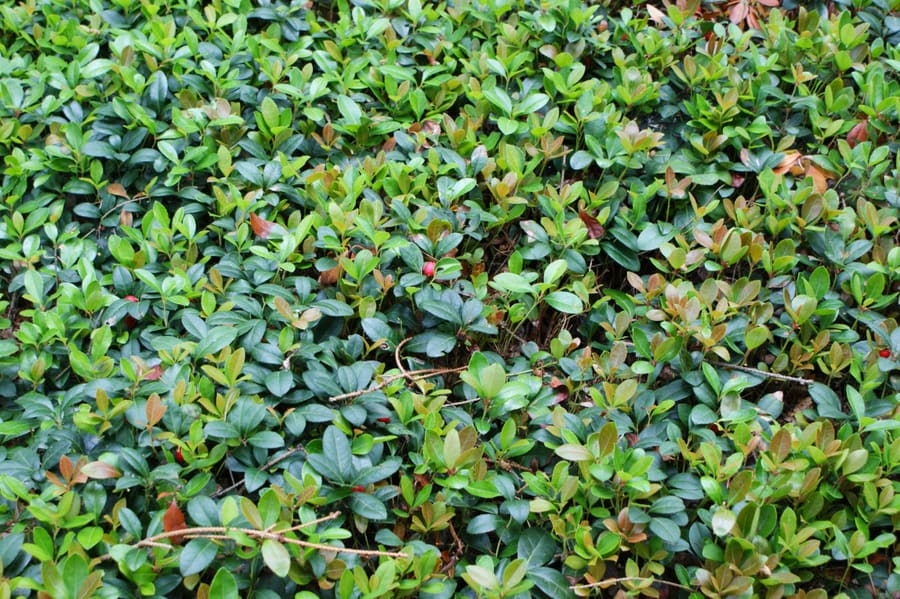 Wintergreen (Gaultheria procumbens)Not for self-dosing
Wintergreen (Gaultheria procumbens) is a low-lying evergreen shrub, reaching about 6 in (15 cm), with oval leathery leaves, small bell-shaped flowers, and bright red berries. Known primarily for its oil containing methyl salicylate - a natural anti-inflammatory and analgesic compound - it has long been used for topical pain relief.
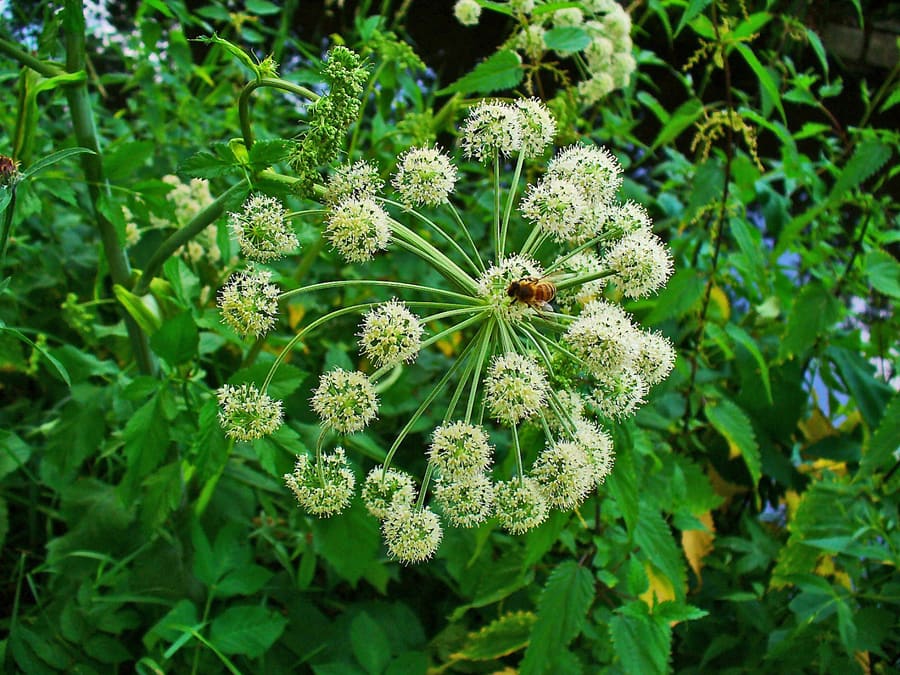 Angelica (angelica archangelica)
Angelica (Angelica archangelica) is a large, aromatic biennial herb growing up to about 6½ ft (2 m), with ridged hollow stems, bright green divided leaves, and greenish-white flowers arranged in umbrella-like clusters (umbels). It has a warm, tonic character and is often compared to dong quai (Chinese angelica) for its usefulness in supporting women’s health and circulation. Traditional sources note its warming action on the stomach, spleen, and intestines.
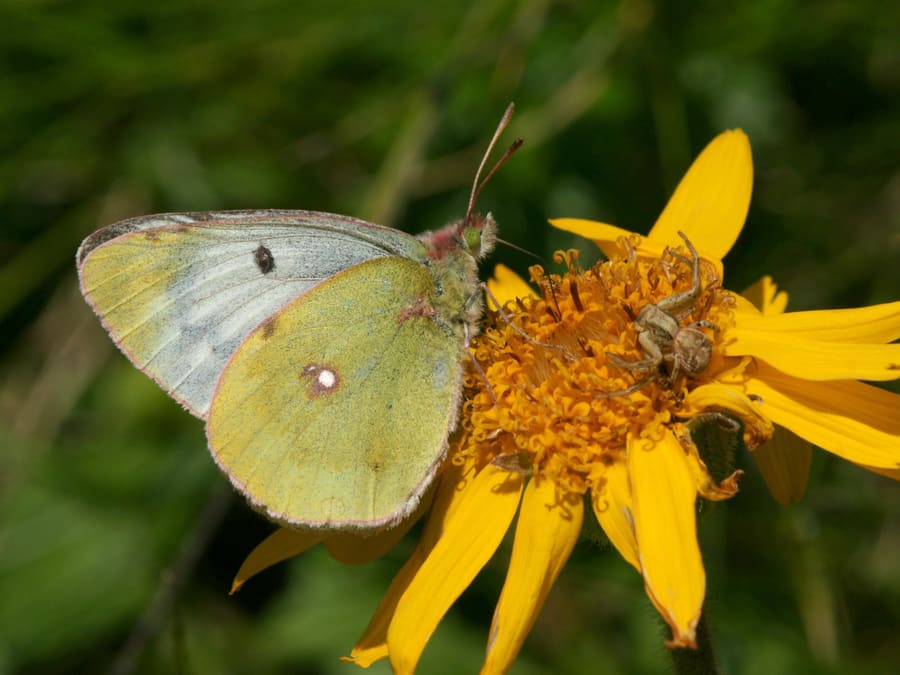 Arnica (Arnica montana)Not for self-dosing
Arnica is an aromatic perennial, usually about 1 ft (30 cm) high, with downy, oval-shaped leaves and bright yellow daisy-like flowers. Well-known for reducing swelling, bruising, and pain from injuries, it is frequently used as a homeopathic remedy (both internally and topically) for bruises, sprains, and sore muscles. Higher-dose tinctures have a stronger anti-inflammatory action and may serve as a cardiac tonic by improving blood flow to the coronary vessels, but such usage must be closely supervised.
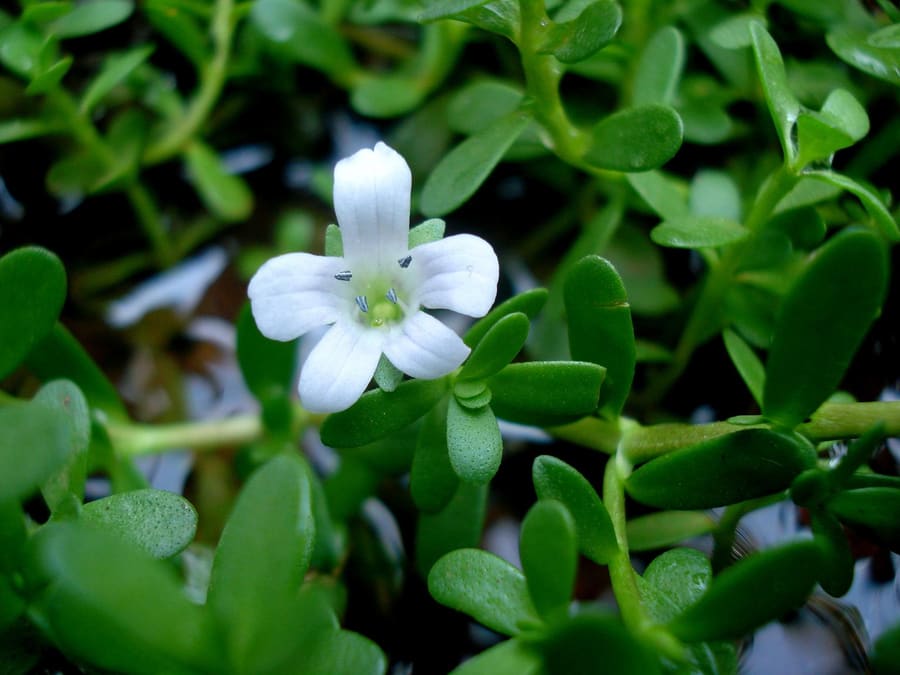 Bacopa (Bacopa monnieri)
Bacopa, also known as Water Hyssop or Brahmi, is a creeping succulent perennial that can grow to about 20 inches. It features spatula-shaped fleshy leaves and pale blue or white flowers on slender stalks. Thriving in marshlands and along the edges of mangrove swamps in warmer temperate and tropical climates - especially southern Asia - it develops into dense mats on mudflats. This herb has been a cornerstone of Ayurvedic medicine for supporting cognitive function and treating various nervous system disorders, and it is increasingly recognized in Western herbalism for its brain-enhancing properties.
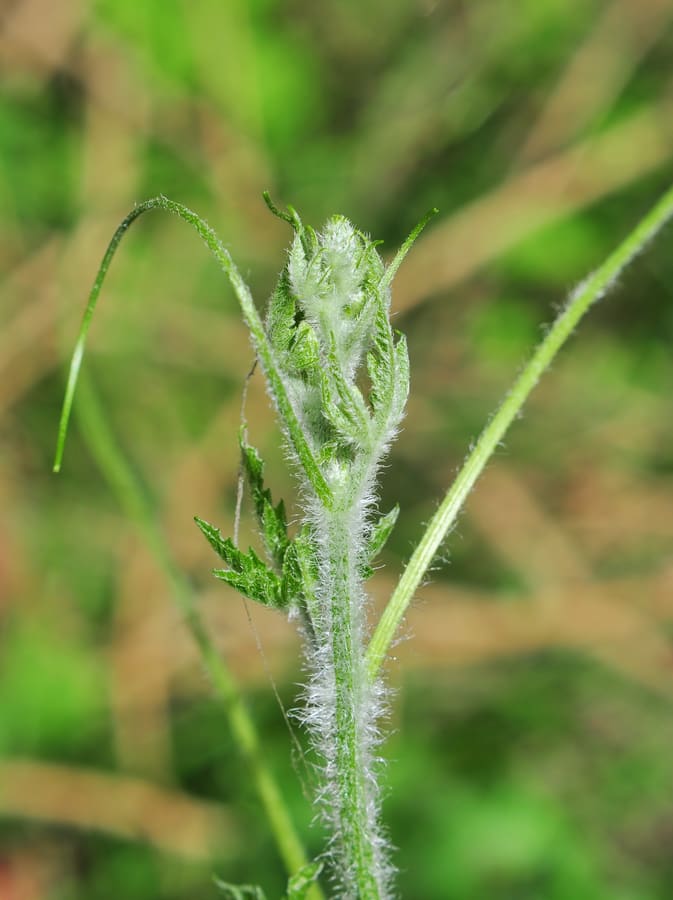 Bitter Melon (Momordica charantia)
Bitter melon is an annual climbing vine reaching about 6.5 feet, characterized by deeply lobed leaves, yellow flowers, and distinctive orange-yellow fruit. Native to southern Asia and now common throughout tropical regions worldwide, it is harvested year-round. The plant's unripe fruit, ripe fruit, leaves, seeds, and seed oil all have medicinal applications, and it has been a traditional remedy for diabetes symptoms in Asia, Africa, and the Caribbean for centuries.
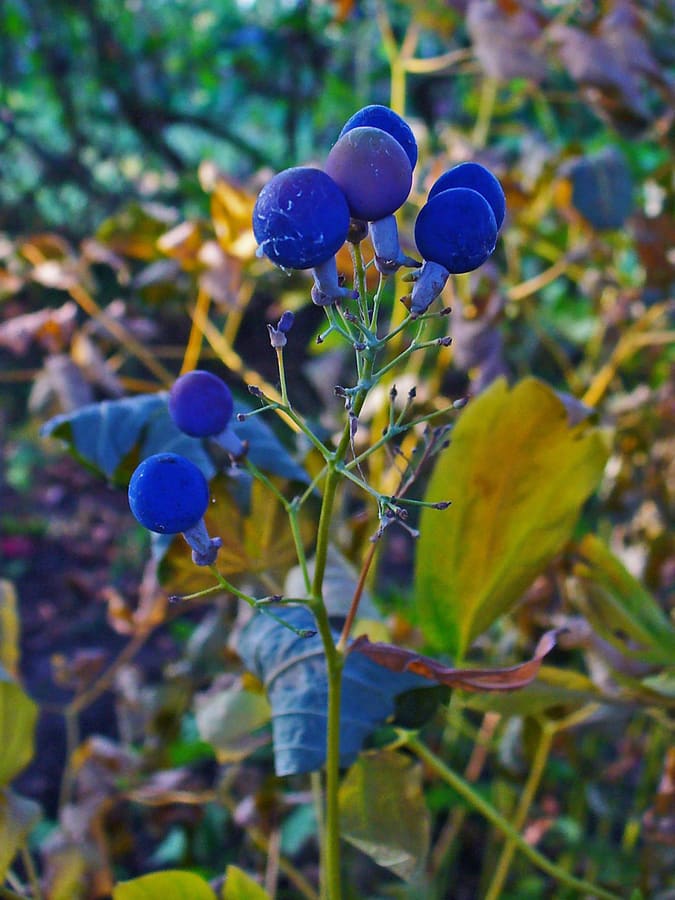 Blue Cohosh (Caulophyllum thalictroides)Not for self-dosing
Blue cohosh is an upright perennial herb reaching 3 feet in height, with large three-lobed leaves, yellow to purple flowers, and striking blue berries. It grows wild in much of eastern North America from Manitoba to Alabama, preferring woodland valleys and damp, north-facing slopes. The name 'cohosh' comes from the Algonquin language, and the plant was a popular remedy among many Native American tribes. Though taken by both sexes for genitourinary issues, it was primarily valued as a women's herb, and that tradition continues in modern herbal practice.
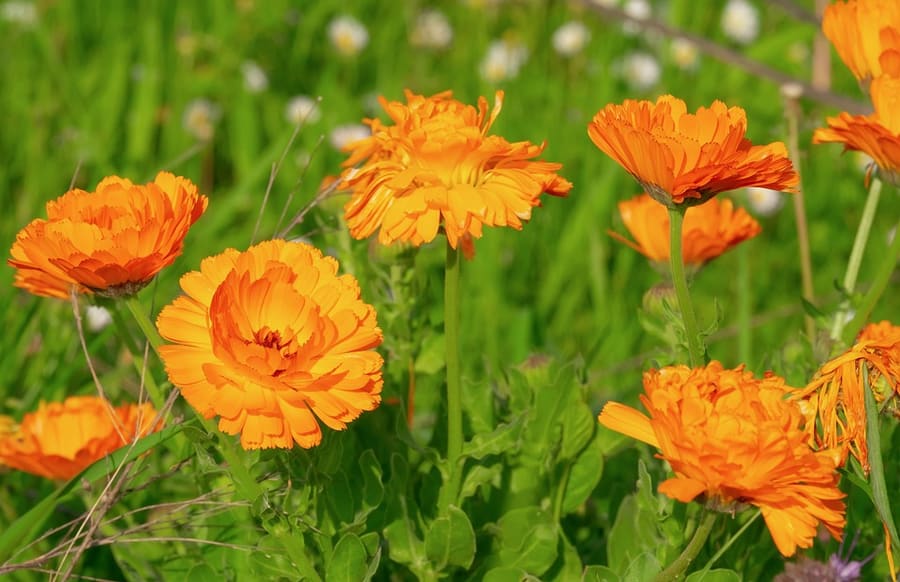 Calendula (Calendula officinalis)
Calendula (Calendula officinalis), with its bright orange daisy-like flowers, is among the most versatile herbs in Western herbal medicine. Its petals contain antiseptic, anti-inflammatory, and vulnerary properties, making it excellent for speeding tissue repair in wounds, burns, bruises, and various skin irritations. Calendula is also used internally for gastrointestinal inflammation (e.g., Crohn’s disease, colitis, gastritis).