
Herbs for Eczema
5 herbs traditionally used for this condition.
- Calendula (Calendula officinalis)
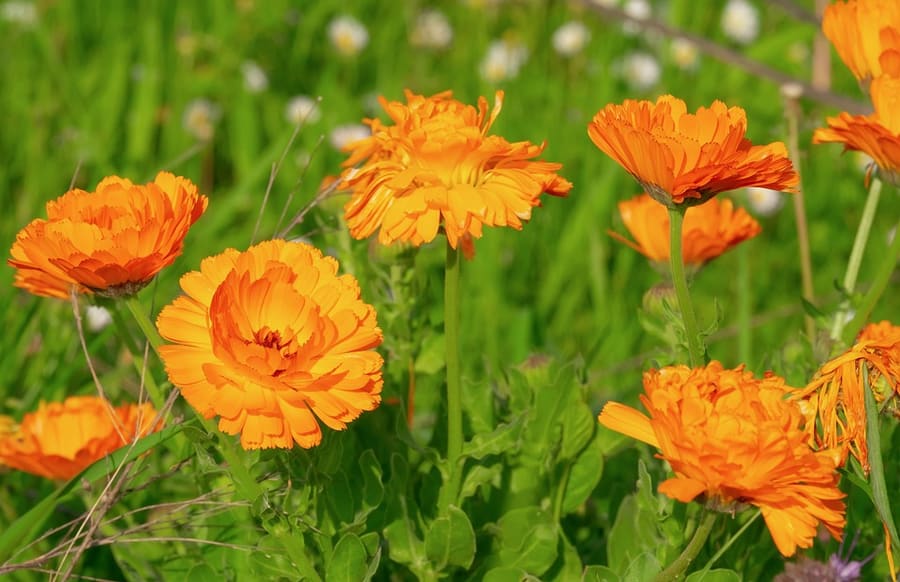
Calendula (Calendula officinalis), with its bright orange daisy-like flowers, is among the most versatile herbs in Western herbal medicine. Its petals contain antiseptic, anti-inflammatory, and vulnerary properties, making it excellent for speeding tissue repair in wounds, burns, bruises, and various skin irritations. Calendula is also used internally for gastrointestinal inflammation (e.g., Crohn’s disease, colitis, gastritis).
- Oats (avena sativa)
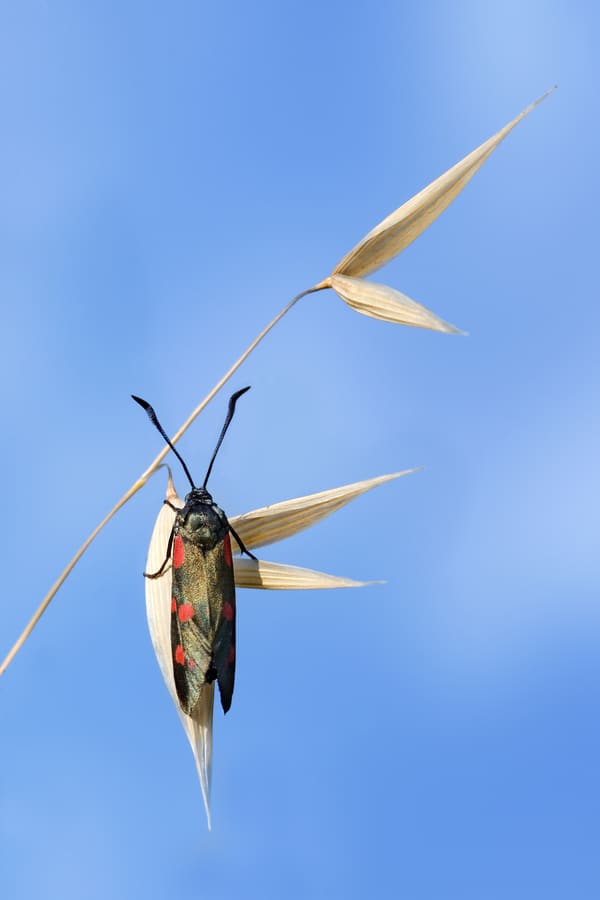
Oats (Avena sativa) is an annual grass reaching about 3 ft (1 m), bearing hollow stems, blade-like leaves, and seeds (grain) used widely in cereal. The milky seeds (harvested before maturity) are revered for their nervine effects, aiding in stress, exhaustion, and addiction recovery. Oat straw, rich in silica, is a tonic for bones, skin, and mild nerves.
- Rehmannia (Rehmannia glutinosa)
Rehmannia (Rehmannia glutinosa) is a perennial growing to about 1–2 ft (30–60 cm), with sticky leaves and purple tubular flowers. One of the most prized herbs in Traditional Chinese Medicine, it’s considered both cooling (raw) and nourishing (prepared), supporting liver, kidneys, blood, and longevity.
- Neem (Azadirachta indica)
Neem (Azadirachta indica) is a large evergreen tree with compound leaves and white flowers, considered in India as a “village pharmacy” for its broad-spectrum antimicrobial, antifungal, and anti-inflammatory effects. Both leaves and seeds are used to treat infections, skin conditions, and other ailments.
- Cleavers (Galium aparine)
Cleavers is a straggling, square-stemmed annual growing to 4 feet with whorls of lance-shaped leaves, clusters of small white flowers, and small round green fruits covered with hooked prickles. The name refers to the plant's ability to cling (or cleave) to fur or clothing. Common throughout Europe and North America and found in many other temperate regions including Australia, it grows prolifically in gardens and along roadsides. The Greek physician Dioscorides in the 1st century CE considered it useful for countering weariness and noted that shepherds used the stems to make sieves for straining milk.