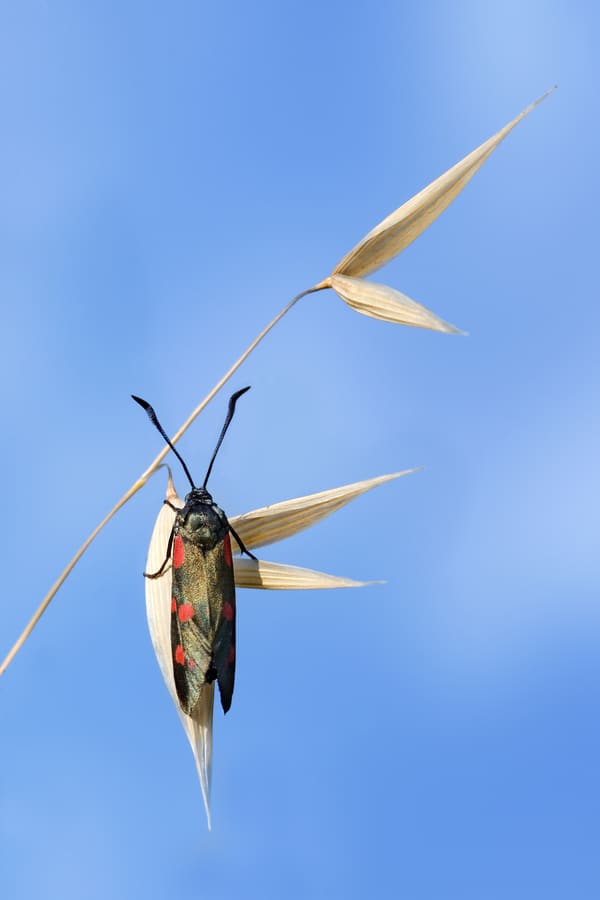
Oats (avena sativa)
Photo: Richard Bartz · CC BY-SA 2.5
- Skin
- 2 conditions
- Licensed photo
Overview
Oats (Avena sativa) is an annual grass reaching about 3 ft (1 m), bearing hollow stems, blade-like leaves, and seeds (grain) used widely in cereal. The milky seeds (harvested before maturity) are revered for their nervine effects, aiding in stress, exhaustion, and addiction recovery. Oat straw, rich in silica, is a tonic for bones, skin, and mild nerves.
Traditional uses & properties
Nervine & Tonic: Strengthens the nervous system, relieves irritability, exhaustion, and aids focus. Beneficial after drug withdrawal. Mineralizer (Oat Straw): Contains silica, calcium, and other minerals for bone and connective tissue support. Bulk Laxative (Oat Bran): Helps lower cholesterol and improve digestive regularity. Mild Antidepressant: Can support mood and reduce palpitations tied to stress.
Traditional preparations
Traditional texts describe the preparations below, and where those texts give specific amounts, the amounts are quoted here as part of that record. This is a record of historical practice, not a dosage recommendation - the figures are what the sources say, not what HerbMate tells you to take. Amounts, potency, and safe use vary enormously by preparation, plant part, and person.
Fill a muslin (or similar) bag with milled oats and place under a hot tap while running a bath. Relax in the bath for 5-10 minutes.
Safety & precautions
Gluten Sensitivity: Use cautiously if you have a gluten intolerance or allergy. General Safety: Typically mild, safe, and nourishing.
Drug & food interactions
Interaction data is not available for this herb - talk to a pharmacist before combining it with any medication. A blank entry here means we have not documented interactions, not that none exist.
Habitat
Originally from northern Europe, oats grow in many temperate areas worldwide, primarily as a cereal crop. Harvest typically occurs in late summer. The milky seeds are collected in their unripe state; straw is dried stems after grain harvest.
Traditionally used for
Each condition shows its first 2 remedies free. Premium opens the full remedy list for every condition - or come back for the free Condition of the Day.
Frequently asked questions
What is Oats (avena sativa) traditionally used for?
Traditional sources describe Oats (avena sativa) as follows: Nervine & Tonic: Strengthens the nervous system, relieves irritability, exhaustion, and aids focus. Beneficial after drug withdrawal. Mineralizer (Oat Straw): Contains silica, calcium, and other minerals for bone and connective tissue support. Bulk Laxative (Oat Bran): Helps lower cholesterol and improve digestive regularity. Mild Antidepressant: Can support mood and reduce palpitations tied to stress.
How is Oats (avena sativa) prepared?
Traditional texts describe the preparations below, and where those texts give specific amounts, the amounts are quoted here as part of that record. This is a record of historical practice, not a dosage recommendation - the figures are what the sources say, not what HerbMate tells you to take. Amounts, potency, and safe use vary enormously by preparation, plant part, and person. Eczema: Fill a muslin (or similar) bag with milled oats and place under a hot tap while running a bath. Relax in the bath for 5-10 minutes.
What safety cautions apply to Oats (avena sativa)?
Gluten Sensitivity: Use cautiously if you have a gluten intolerance or allergy. General Safety: Typically mild, safe, and nourishing.
Related herbs
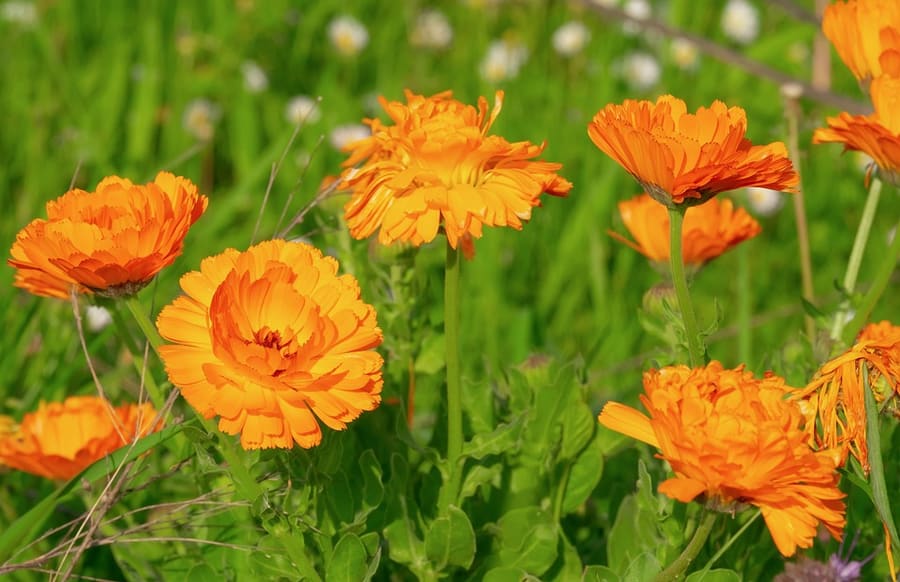 Calendula (Calendula officinalis)
Calendula (Calendula officinalis), with its bright orange daisy-like flowers, is among the most versatile herbs in Western herbal medicine. Its petals contain antiseptic, anti-inflammatory, and vulnerary properties, making it excellent for speeding tissue repair in wounds, burns, bruises, and various skin irritations. Calendula is also used internally for gastrointestinal inflammation (e.g., Crohn’s disease, colitis, gastritis).
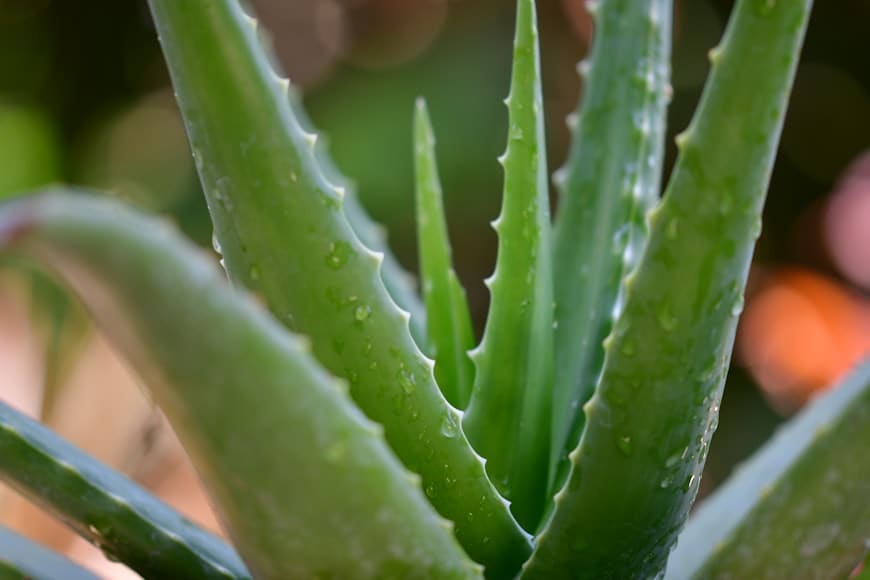 Aloe (Aloe vera)
Aloe vera (syn. A. barbadensis) is a succulent commonly grown as a potted plant, notable for its thick, fleshy leaves that contain two distinct medicinal components. The inner clear gel is renowned for its soothing and wound-healing properties, while the bitter yellow sap from the leaf base (often called “bitter aloes”) has a strong laxative effect. Historically, aloe vera has been prized for treating skin irritations, burns, and ulcers. It can also be taken internally (as juice) to support digestion and immune function. Whole leaf aloe juice has been used to help fight arthritis, AIDS, cancer, and other chronic conditions, though the outer leaf portion containing anthraquinones is typically filtered out to avoid harsh laxative effects.
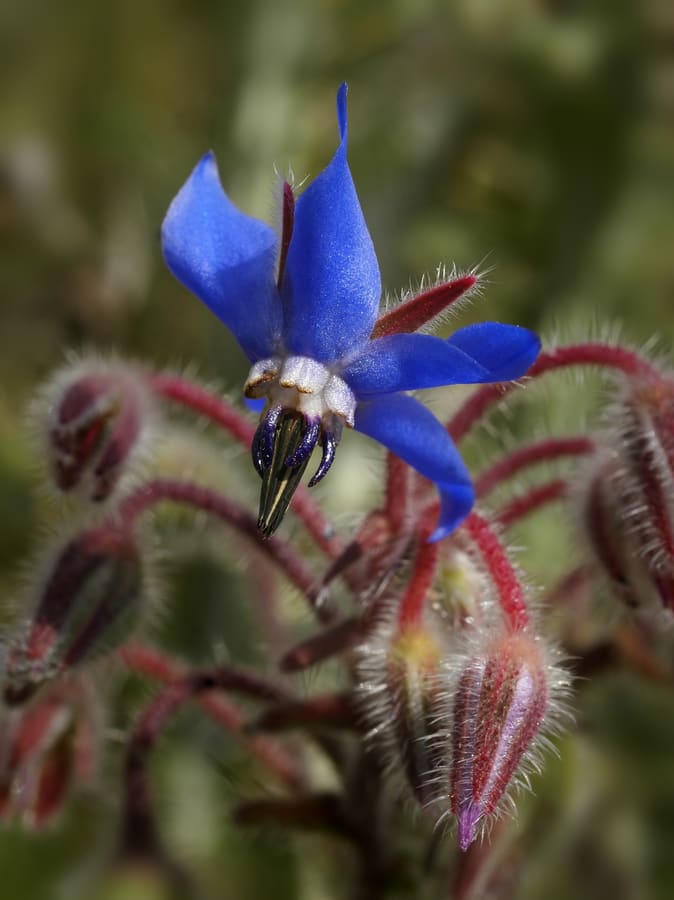 Borage (Borago officinalis)Not for self-dosing
Borage (Borago officinalis) is a coarse, hairy annual that grows to about 2 ft (60 cm), featuring a succulent stem, large basal leaves, and distinctively bright blue star-shaped flowers. The seeds yield an oil exceptionally rich in gamma-linolenic acid (GLA) - a form of polyunsaturated fatty acid beneficial for inflammatory and skin conditions. Traditionally, borage leaves and flowers are associated with uplifting mood and supporting adrenal function.
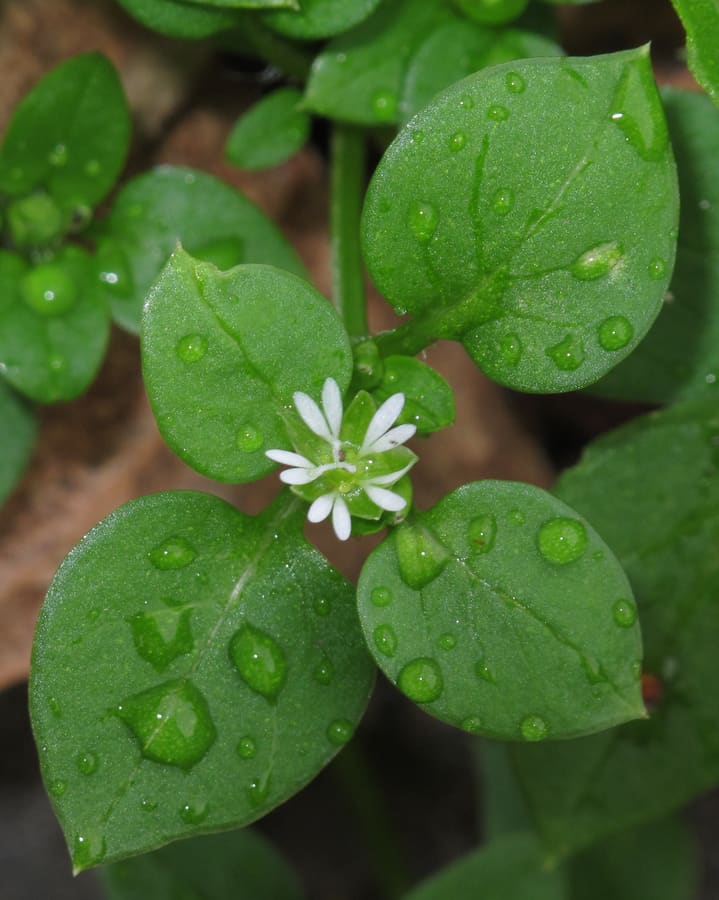 Chickweed (Stellaria media)
Chickweed (Stellaria media) is a low-growing, sprawling plant, typically reaching about 6 in (15 cm) high. It has softly hairy stems, oval leaves, and small, starlike white flowers. Known for its soothing, mucilaginous quality, chickweed is sometimes taken as a mild appetite suppressant (when consumed 1 hour before meals). It is often applied topically as a poultice or in salves to relieve skin irritations and reduce itchiness. The tea can be used as an eyewash and may help with mild weight management by breaking down fats.
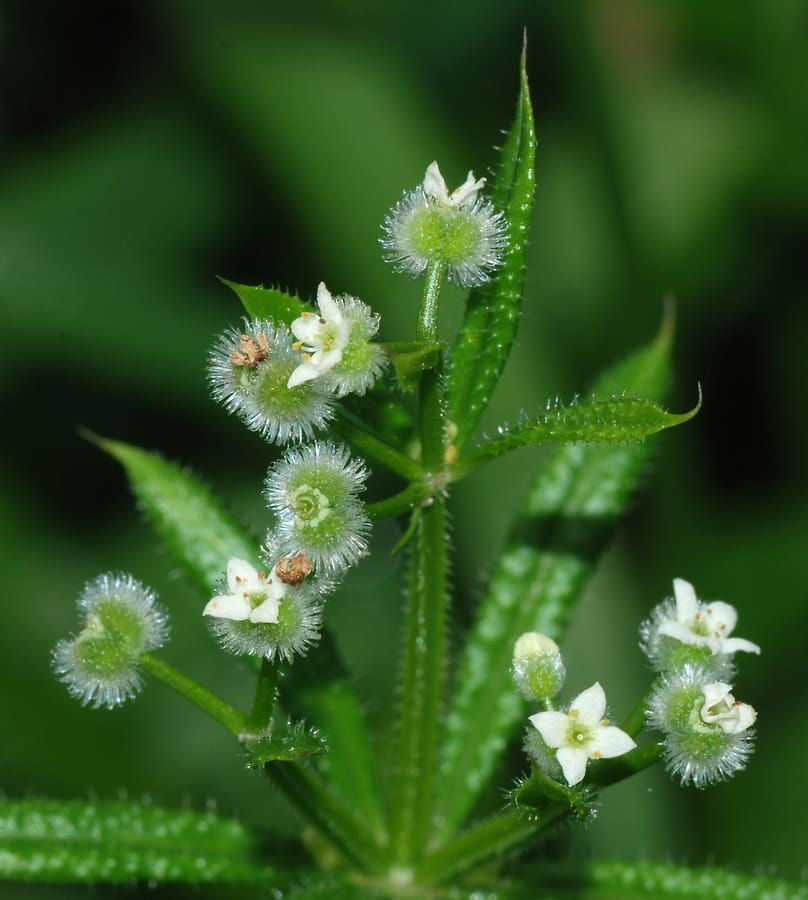 Cleavers (Galium aparine)
Cleavers is a straggling, square-stemmed annual growing to 4 feet with whorls of lance-shaped leaves, clusters of small white flowers, and small round green fruits covered with hooked prickles. The name refers to the plant's ability to cling (or cleave) to fur or clothing. Common throughout Europe and North America and found in many other temperate regions including Australia, it grows prolifically in gardens and along roadsides. The Greek physician Dioscorides in the 1st century CE considered it useful for countering weariness and noted that shepherds used the stems to make sieves for straining milk.
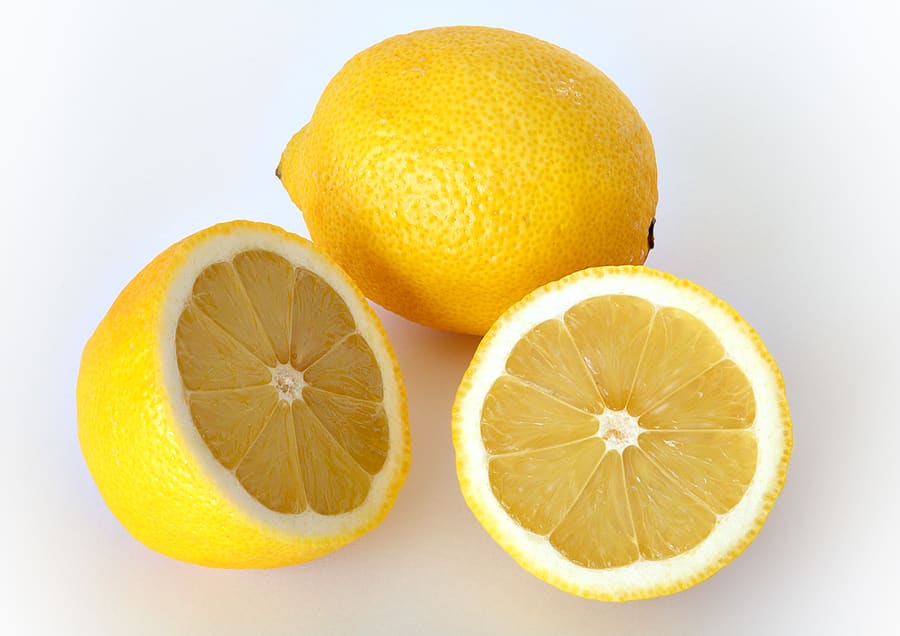 Lemon (Citrus limon)
Lemon (Citrus limon) is a small, evergreen tree with light-green, toothed leaves, fragrant white blossoms, and bright yellow fruit. Its high vitamin C content supports immune function, while lemon juice has an alkalizing effect in the body despite its acidity. Lemon is commonly used for colds, flu, and circulatory support, as well as for improving the flavor in countless foods and beverages.
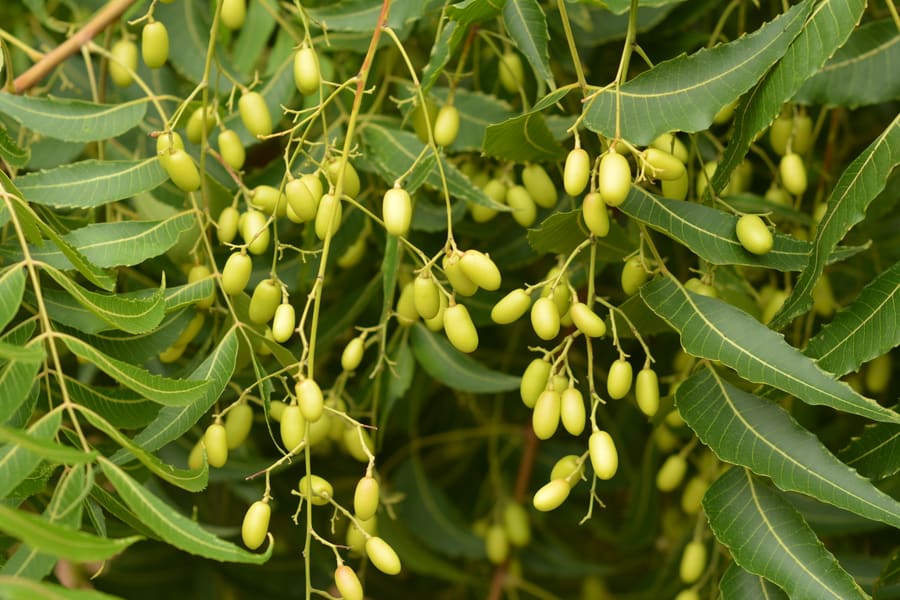 Neem (Azadirachta indica)
Neem (Azadirachta indica) is a large evergreen tree with compound leaves and white flowers, considered in India as a “village pharmacy” for its broad-spectrum antimicrobial, antifungal, and anti-inflammatory effects. Both leaves and seeds are used to treat infections, skin conditions, and other ailments.
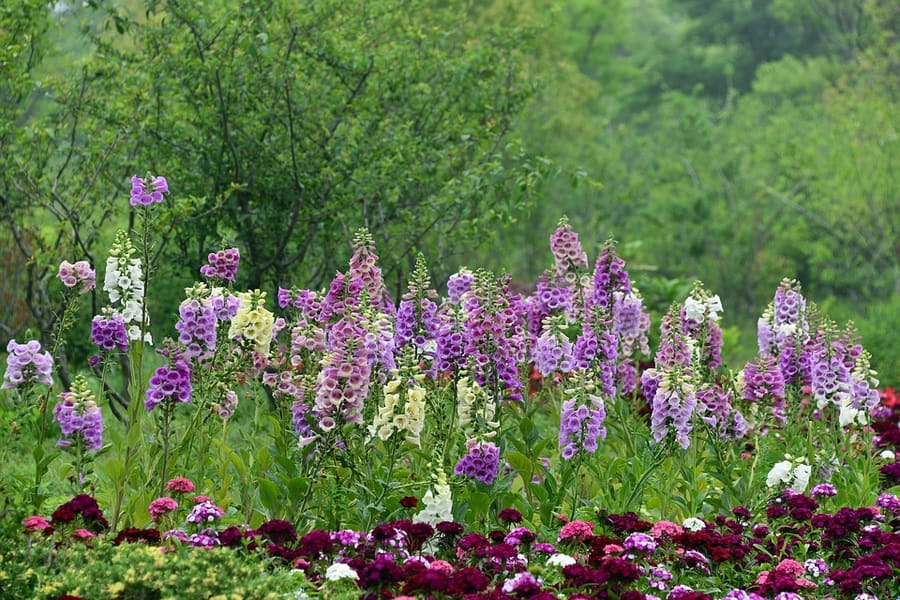 Rehmannia (Rehmannia glutinosa)
Rehmannia (Rehmannia glutinosa) is a perennial growing to about 1-2 ft (30-60 cm), with sticky leaves and purple tubular flowers. One of the most prized herbs in Traditional Chinese Medicine, it’s considered both cooling (raw) and nourishing (prepared), supporting liver, kidneys, blood, and longevity.