Neem (Azadirachta indica)
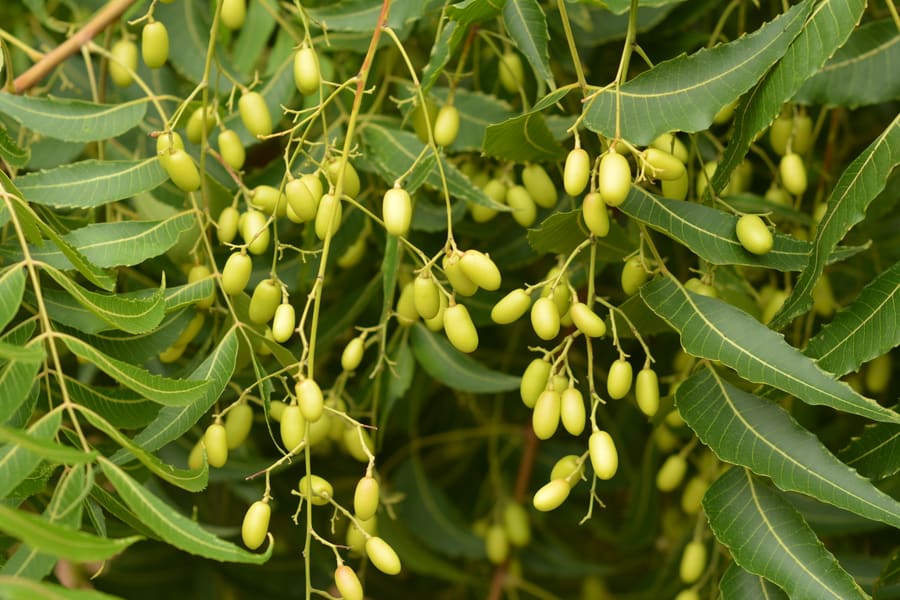
Photo: Kevinsooryan · CC BY-SA 3.0
- General
- 4 conditions
- Licensed photo
Overview
Neem (Azadirachta indica) is a large evergreen tree with compound leaves and white flowers, considered in India as a “village pharmacy” for its broad-spectrum antimicrobial, antifungal, and anti-inflammatory effects. Both leaves and seeds are used to treat infections, skin conditions, and other ailments.
Traditional uses & properties
Anti-Inflammatory & Antimicrobial: Addresses dysbiosis, GI infections, skin conditions (eczema, ulcers, rashes), and parasitic issues. Antifungal & Antiviral: Useful in hair lotions for dandruff, headlice, and certain scalp infections; soothes ringworm and scabies. Insecticidal & Contraceptive Research: Contains azadirachtins that repel insects and may reduce male/female fertility. Blood Sugar Control: Neem leaves and oil can help stabilize blood glucose levels.
Traditional preparations
Traditional texts describe the preparations below, and where those texts give specific amounts, the amounts are quoted here as part of that record. This is a record of historical practice, not a dosage recommendation - the figures are what the sources say, not what HerbMate tells you to take. Amounts, potency, and safe use vary enormously by preparation, plant part, and person.
A cream can be used to treat a variety of skin conditions. Apply as required.
Safety & precautions
Children & Pregnancy: Avoid internal use; external use is safer. Short-Term Internal Use: Limit to 7-14 days. Fertility: Neem can affect both male and female fertility.
Drug & food interactions
Interaction data is not available for this herb - talk to a pharmacist before combining it with any medication. A blank entry here means we have not documented interactions, not that none exist.
Habitat
Native to Iran, Pakistan, India, and Sri Lanka, neem grows in forests and rural areas, often along roadsides for shade. Now cultivated in tropical regions worldwide (e.g., Malaysia, Indonesia, West Africa), neem thrives in loamy soil and full sun. Leaves and seeds are gathered year-round.
Traditionally used for
Each condition shows its first 2 remedies free. Premium opens the full remedy list for every condition - or come back for the free Condition of the Day.
Frequently asked questions
What is Neem (Azadirachta indica) traditionally used for?
Traditional sources describe Neem (Azadirachta indica) as follows: Anti-Inflammatory & Antimicrobial: Addresses dysbiosis, GI infections, skin conditions (eczema, ulcers, rashes), and parasitic issues. Antifungal & Antiviral: Useful in hair lotions for dandruff, headlice, and certain scalp infections; soothes ringworm and scabies. Insecticidal & Contraceptive Research: Contains azadirachtins that repel insects and may reduce male/female fertility. Blood Sugar Control: Neem leaves and oil can help stabilize blood glucose levels.
How is Neem (Azadirachta indica) prepared?
Traditional texts describe the preparations below, and where those texts give specific amounts, the amounts are quoted here as part of that record. This is a record of historical practice, not a dosage recommendation - the figures are what the sources say, not what HerbMate tells you to take. Amounts, potency, and safe use vary enormously by preparation, plant part, and person. Eczema, Acne, Psoriasis: A cream can be used to treat a variety of skin conditions. Apply as required.
What safety cautions apply to Neem (Azadirachta indica)?
Children & Pregnancy: Avoid internal use; external use is safer. Short-Term Internal Use: Limit to 7-14 days. Fertility: Neem can affect both male and female fertility.
Related herbs
 Aloe (Aloe vera)
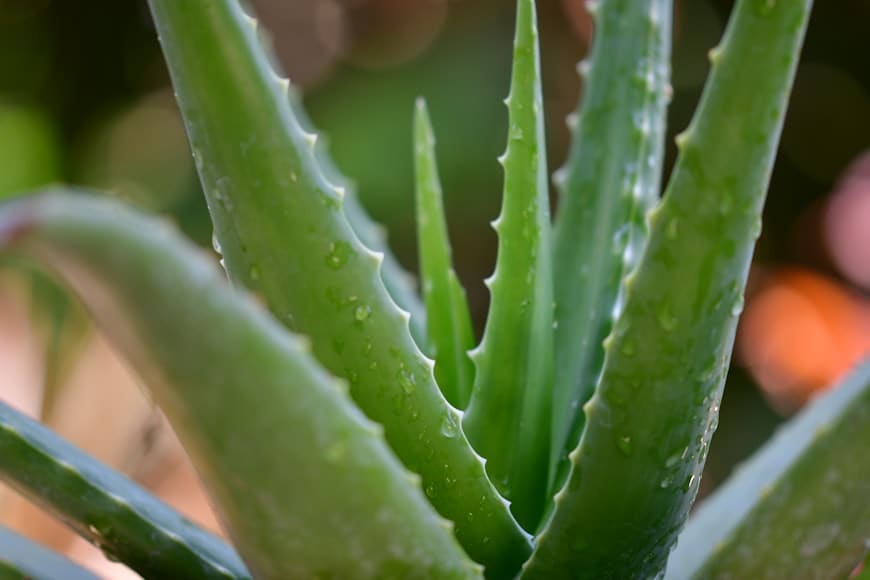
Aloe vera (syn. A. barbadensis) is a succulent commonly grown as a potted plant, notable for its thick, fleshy leaves that contain two distinct medicinal components. The inner clear gel is renowned for its soothing and wound-healing properties, while the bitter yellow sap from the leaf base (often called “bitter aloes”) has a strong laxative effect. Historically, aloe vera has been prized for treating skin irritations, burns, and ulcers. It can also be taken internally (as juice) to support digestion and immune function. Whole leaf aloe juice has been used to help fight arthritis, AIDS, cancer, and other chronic conditions, though the outer leaf portion containing anthraquinones is typically filtered out to avoid harsh laxative effects.
 Calendula (Calendula officinalis)
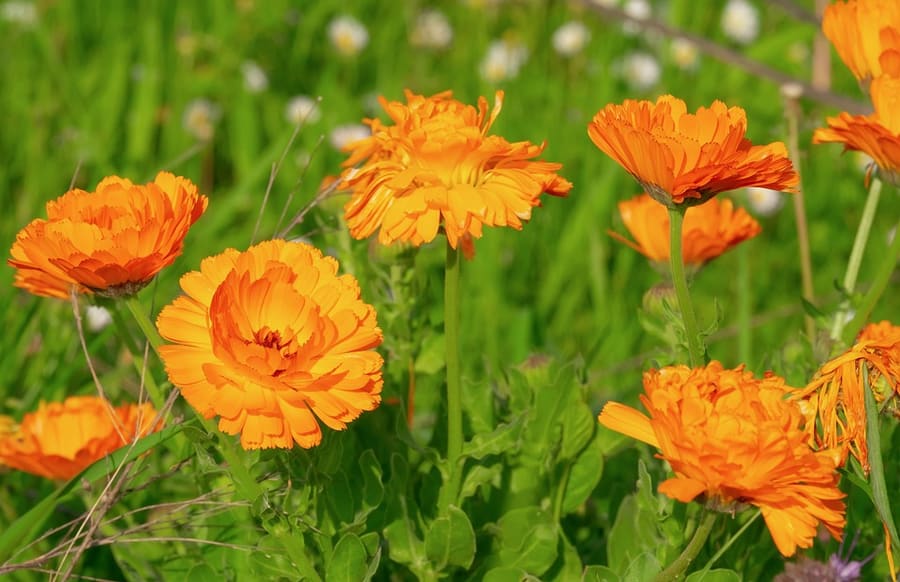
Calendula (Calendula officinalis), with its bright orange daisy-like flowers, is among the most versatile herbs in Western herbal medicine. Its petals contain antiseptic, anti-inflammatory, and vulnerary properties, making it excellent for speeding tissue repair in wounds, burns, bruises, and various skin irritations. Calendula is also used internally for gastrointestinal inflammation (e.g., Crohn’s disease, colitis, gastritis).
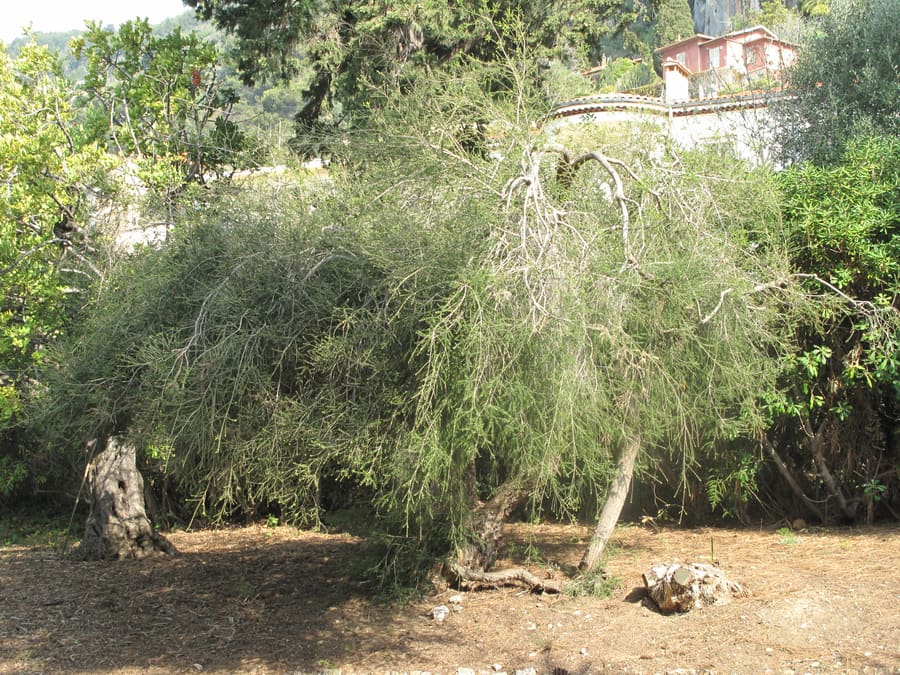 Tea Tree (Melaleuca alternifolia)Not for self-dosing
Tea tree (Melaleuca alternifolia) is a small evergreen native to Australia, with papery bark, narrow leaves, and white to cream flower spikes. Its leaves produce a pungent, antiseptic essential oil that’s central to Australian bush medicine, used widely in Western herbalism since the 1920s for skin infections and general disinfection.
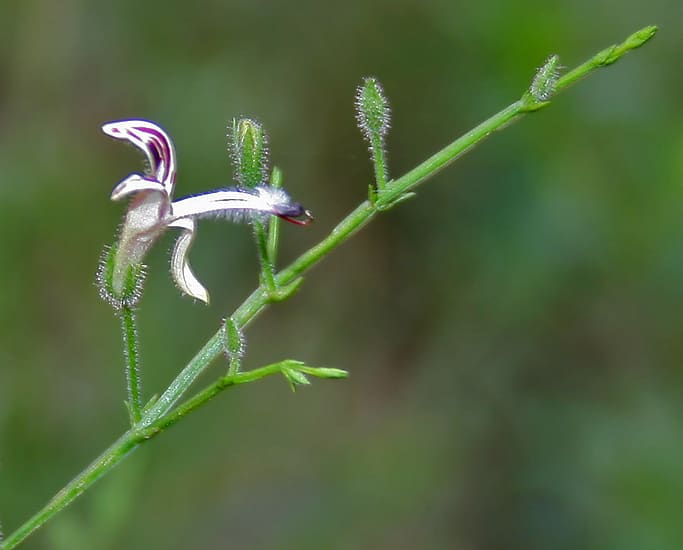 Andrographis (Andrographis paniculata)
Andrographis, commonly known as Green Chiretta or King of Bitters, is an upright annual herb reaching approximately 3 feet in height. Native to India and cultivated throughout northern regions of India and China, this bitter medicinal plant has been valued in Ayurvedic and traditional Chinese medicine for centuries. Historically used primarily for liver support and treating infections - especially malaria - it has earned recognition for its powerful immune-boosting and protective properties. The plant thrives on plains and in forest undergrowth, where its spotted pale brown or purple flowers and long seed capsules distinguish it from other medicinal herbs.
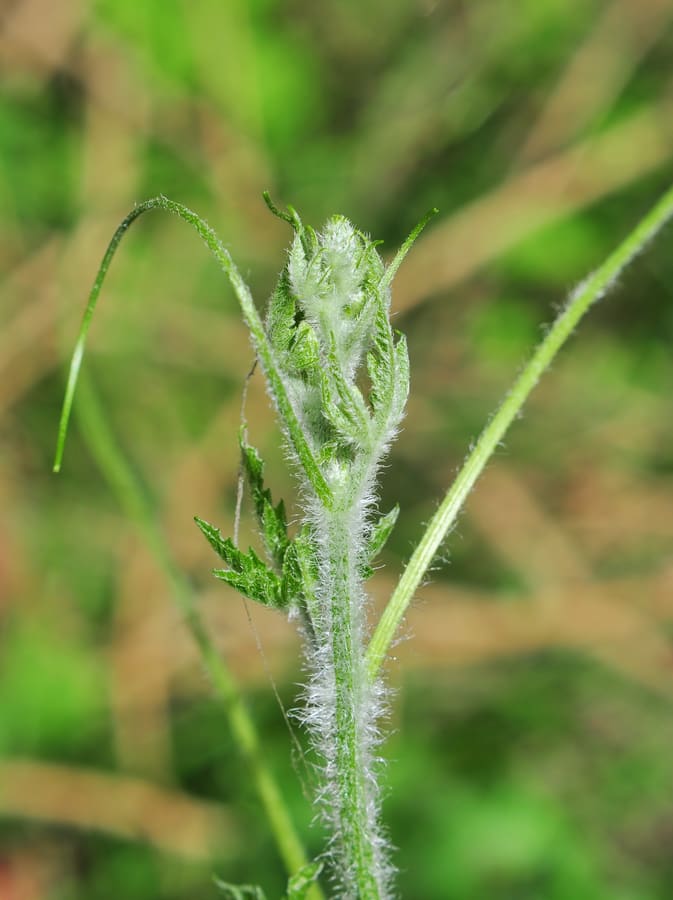 Bitter Melon (Momordica charantia)
Bitter melon is an annual climbing vine reaching about 6.5 feet, characterized by deeply lobed leaves, yellow flowers, and distinctive orange-yellow fruit. Native to southern Asia and now common throughout tropical regions worldwide, it is harvested year-round. The plant's unripe fruit, ripe fruit, leaves, seeds, and seed oil all have medicinal applications, and it has been a traditional remedy for diabetes symptoms in Asia, Africa, and the Caribbean for centuries.
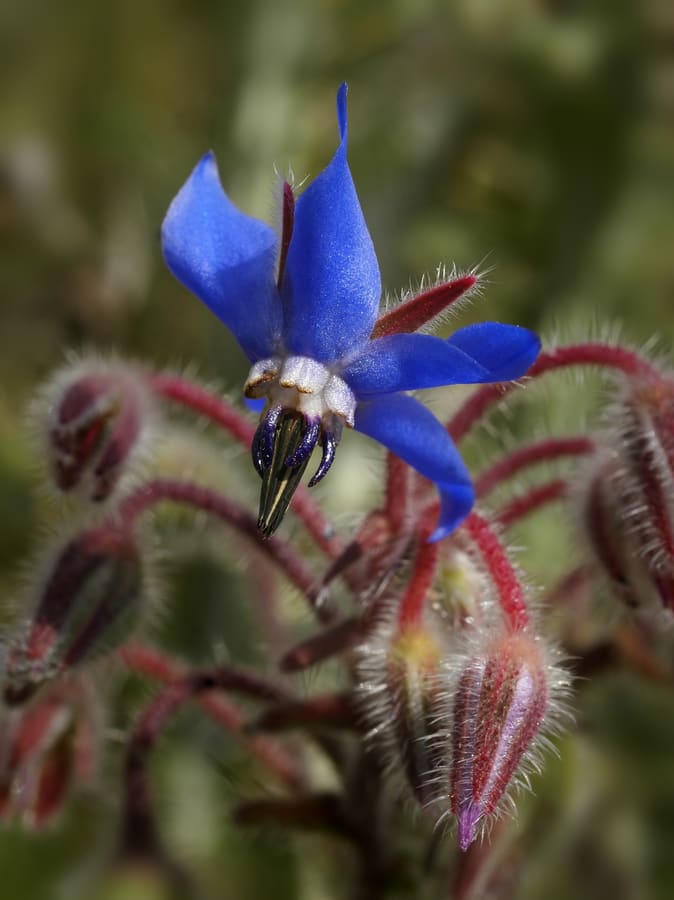 Borage (Borago officinalis)Not for self-dosing
Borage (Borago officinalis) is a coarse, hairy annual that grows to about 2 ft (60 cm), featuring a succulent stem, large basal leaves, and distinctively bright blue star-shaped flowers. The seeds yield an oil exceptionally rich in gamma-linolenic acid (GLA) - a form of polyunsaturated fatty acid beneficial for inflammatory and skin conditions. Traditionally, borage leaves and flowers are associated with uplifting mood and supporting adrenal function.
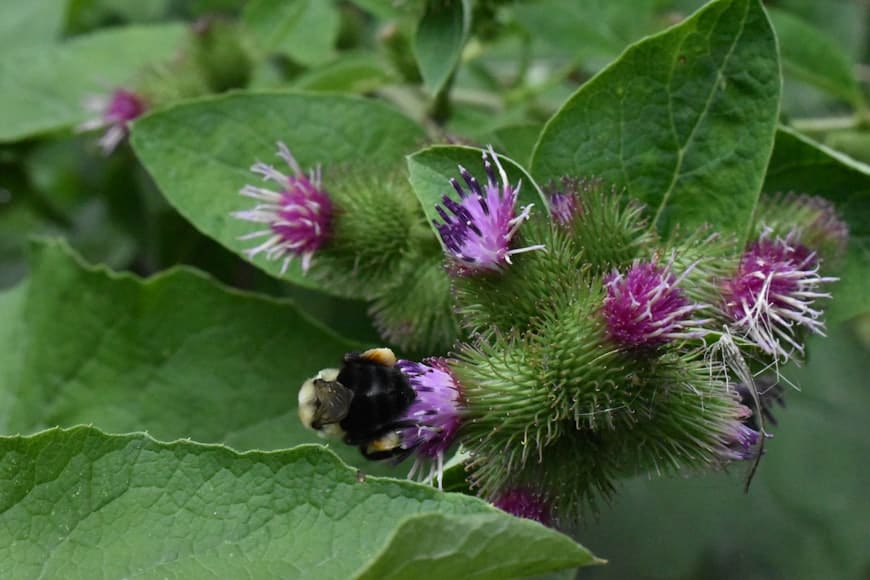 Burdock (Arctium lappa)
Burdock is a sturdy, bitter herb well-regarded for its detoxifying influence, especially on the skin and liver. It stimulates bile flow, supports liver function, and is frequently used to address acne, eczema, and other skin irritations. Its large leaves may be applied as a poultice to infected sores, and a strong root decoction can soothe itching when added to a bath. Burdock also stabilizes mast cells, potentially reducing allergic reactions.
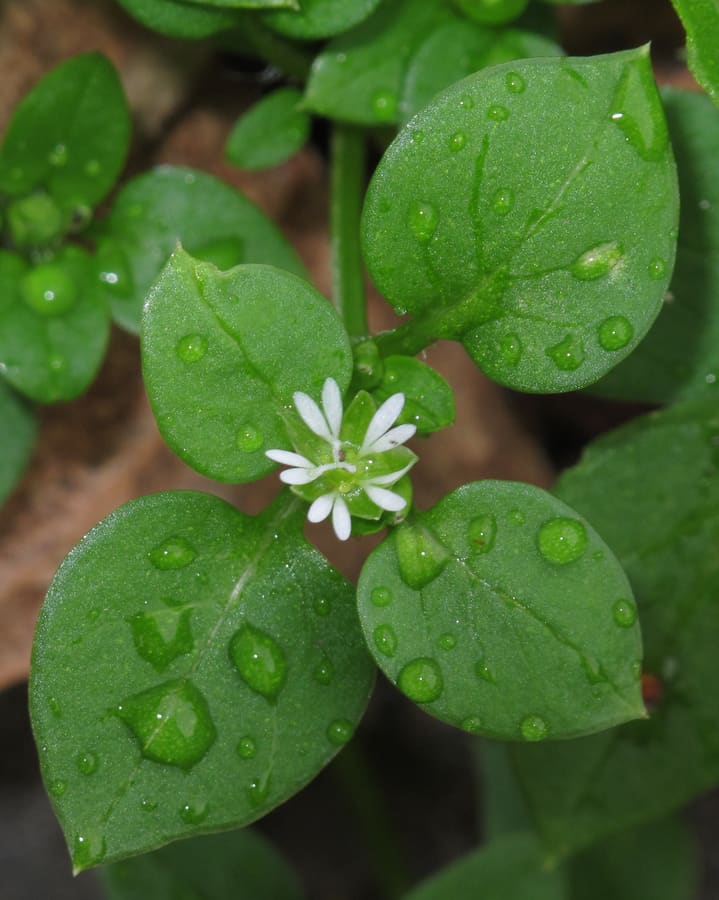 Chickweed (Stellaria media)
Chickweed (Stellaria media) is a low-growing, sprawling plant, typically reaching about 6 in (15 cm) high. It has softly hairy stems, oval leaves, and small, starlike white flowers. Known for its soothing, mucilaginous quality, chickweed is sometimes taken as a mild appetite suppressant (when consumed 1 hour before meals). It is often applied topically as a poultice or in salves to relieve skin irritations and reduce itchiness. The tea can be used as an eyewash and may help with mild weight management by breaking down fats.