
Herbs for Kidney Stones
8 herbs traditionally used for this condition.
- Varuna (Capparidaceae)
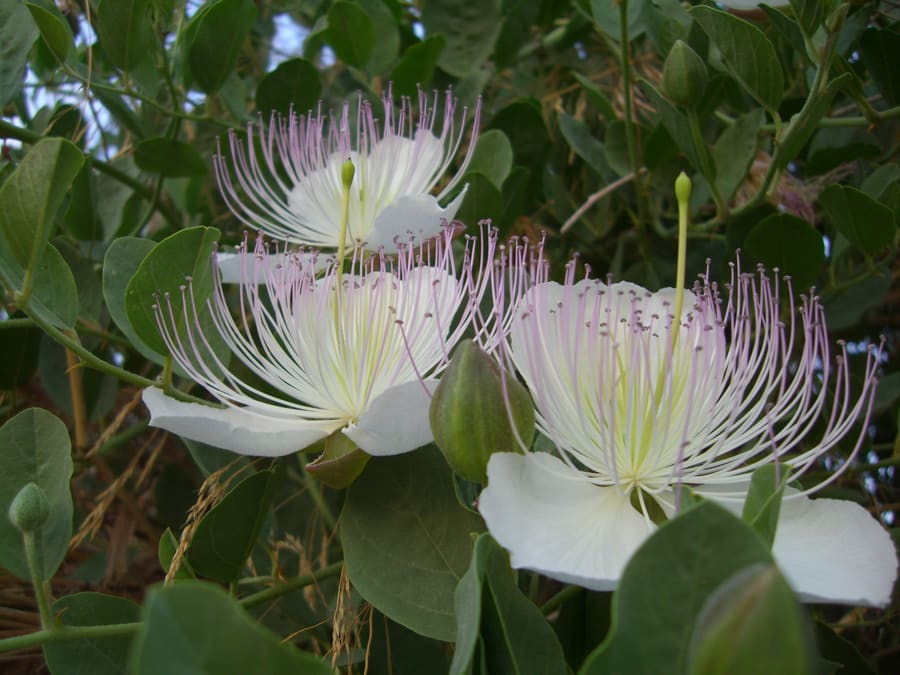
Varuna (Crataeva nurvala) is a deciduous tree growing up to about 33 ft (10 m), with smooth bark, pale yellow flowers, and lanceolate leaves. In Ayurveda, the bark is a key remedy for kidney and bladder disorders, specifically for preventing and treating kidney stones.
- Visnaga (Ammi visnaga)
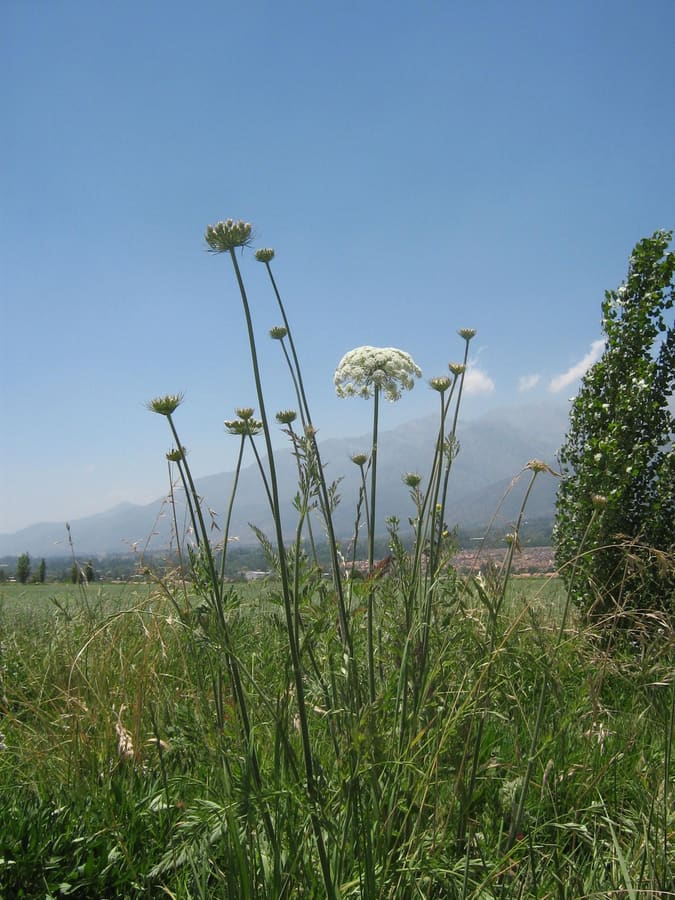
Visnaga (Ammi visnaga) is an erect annual growing up to about 3 ft (1 m) in height, with finely divided, feathery leaves and umbels of tiny white flowers. Its seeds contain potent antispasmodic compounds (khellin, visnagin) beneficial for relieving kidney stone pain and easing respiratory conditions like asthma.
- Cleavers (Galium aparine)
Cleavers is a straggling, square-stemmed annual growing to 4 feet with whorls of lance-shaped leaves, clusters of small white flowers, and small round green fruits covered with hooked prickles. The name refers to the plant's ability to cling (or cleave) to fur or clothing. Common throughout Europe and North America and found in many other temperate regions including Australia, it grows prolifically in gardens and along roadsides. The Greek physician Dioscorides in the 1st century CE considered it useful for countering weariness and noted that shepherds used the stems to make sieves for straining milk.
- Couch Grass (Elymus repens)
Couch grass is a vigorous perennial growing to 32 inches with a long, creeping rhizome, slender leaves, and erect spikes bearing green flowers aligned in two rows. Found in Europe, the Americas, northern Asia, and Australia, it is an invasive weed harvested throughout the year. In classical times, both Dioscorides (40–90 CE) and Pliny (23–79 CE) recommended couch grass root for poor urine flow and kidney stones. The herbalist John Gerard wrote in 1597 that 'Couch-grasse be an unwelcome guest to fields and gardens, yet his physicke virtues do recompense those hurts; for it openeth the stoppings of the liver and reins [ureters] without heat.' In times of famine, the root was roasted and ground as a substitute for coffee and flour.
- Goldenrod (Solidago virgaurea)
Goldenrod is a perennial plant growing to 28 inches with toothed leaves and branched spikes of golden-yellow flowers. Native to Europe and Asia and naturalized in North America, it prefers open areas and hillsides and is gathered in summer while in flower. The herbalist John Gerard commented wryly in 1597 about how goldenrod's value plummeted once it was discovered growing locally in Hampstead wood, London, noting society's tendency to esteem things only while they remain rare and foreign. Four hundred years later, this observation still rings true, though the herb's genuine therapeutic value remains unchanged.
- Gravel Root (Eupatorium purpureum)
Gravel root is an erect perennial growing to 5 feet with whorls of pointed oblong leaves and clusters of purple-pink florets. Native to eastern North America, the root is unearthed in autumn. The plant's alternative name, Joe Pye weed, honors the Native American said to have used it to cure New Englanders of typhus. Native Americans valued the herb as a diuretic and remedy for genitourinary conditions, and the root was listed in the Pharmacopoeia of the United States from 1820 to 1842, attesting to its recognized medicinal importance.
- Stone Root (Collinsonia canadensis)
Stone root is a perennial herb growing to 3 feet tall, characterized by a square stem, oval leaves, and clusters of greenish-yellow flowers. Native to moist woodlands of eastern North America, the root is harvested in autumn. The plant contains volatile oil, tannins, and saponins.
- Tribulus (Tribulus terrestris)
Tribulus has a long history of use as a sexual tonic and vitality-restoring remedy. Modern herbalists employ tribulus as a restorative tonic to support the male reproductive system and enhance overall health and stamina. The fruit of the plant is the primary medicinal part used.