
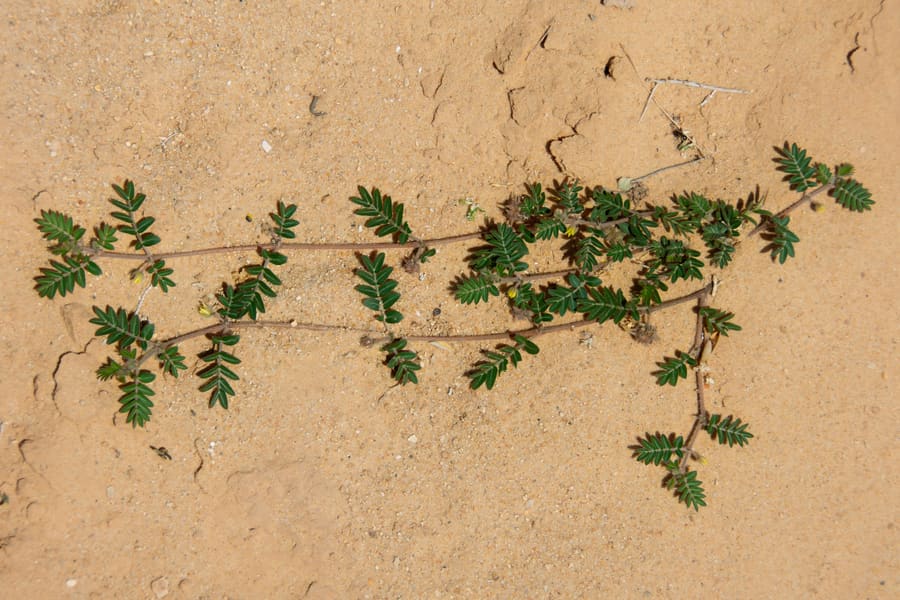
Tribulus (Tribulus terrestris)
Photo: Bill.pix · CC BY-SA 4.0
- Circulatory
- 4 conditions
- Licensed photo
Overview
Tribulus has a long history of use as a sexual tonic and vitality-restoring remedy. Modern herbalists employ tribulus as a restorative tonic to support the male reproductive system and enhance overall health and stamina. The fruit of the plant is the primary medicinal part used.
Traditional uses & properties
Tribulus serves as an aphrodisiac and testosterone-enhancing herb, particularly beneficial for supporting testosterone metabolism and hormone function in aging men. It helps restore vigor to the body and increases health and stamina. The fruit is used to treat urinary tract infections and kidney stones that cause painful urination. The herb demonstrates hypotensive properties and provides support for the male reproductive system.
Traditional preparations
Traditional texts describe the preparations below, and where those texts give specific amounts, the amounts are quoted here as part of that record. This is a record of historical practice, not a dosage recommendation - the figures are what the sources say, not what HerbMate tells you to take. Amounts, potency, and safe use vary enormously by preparation, plant part, and person.
Tincture (dried seed 1:5 in 60% alcohol): 1-2 ml (0.2-0.4 tsp) 3 times daily. Capsules: 500-1,000 mg, 1-2 daily with food.
Safety & precautions
No known warnings noted in the source material. However, consult a healthcare provider before use, especially if taking hormone-related medications or if you have hormone-sensitive conditions.
Drug & food interactions
Interaction data is not available for this herb - talk to a pharmacist before combining it with any medication. A blank entry here means we have not documented interactions, not that none exist.
Habitat
Information not provided in source material.
Traditionally used for
- High Blood Pressure11 herbs · 2 free
- Erectile Disfunction6 herbs · 2 free
- Kidney Stones9 herbs · 2 free
- UTI5 herbs · 2 free
Each condition shows its first 2 remedies free. Premium opens the full remedy list for every condition - or come back for the free Condition of the Day.
Frequently asked questions
What is Tribulus (Tribulus terrestris) traditionally used for?
Traditional sources describe Tribulus (Tribulus terrestris) as follows: Tribulus serves as an aphrodisiac and testosterone-enhancing herb, particularly beneficial for supporting testosterone metabolism and hormone function in aging men. It helps restore vigor to the body and increases health and stamina. The fruit is used to treat urinary tract infections and kidney stones that cause painful urination. The herb demonstrates hypotensive properties and provides support for the male reproductive system.
How is Tribulus (Tribulus terrestris) prepared?
Traditional texts describe the preparations below, and where those texts give specific amounts, the amounts are quoted here as part of that record. This is a record of historical practice, not a dosage recommendation - the figures are what the sources say, not what HerbMate tells you to take. Amounts, potency, and safe use vary enormously by preparation, plant part, and person. Tincture (dried seed 1:5 in 60% alcohol): 1-2 ml (0.2-0.4 tsp) 3 times daily. Capsules: 500-1,000 mg, 1-2 daily with food.
What safety cautions apply to Tribulus (Tribulus terrestris)?
No known warnings noted in the source material. However, consult a healthcare provider before use, especially if taking hormone-related medications or if you have hormone-sensitive conditions.
Related herbs
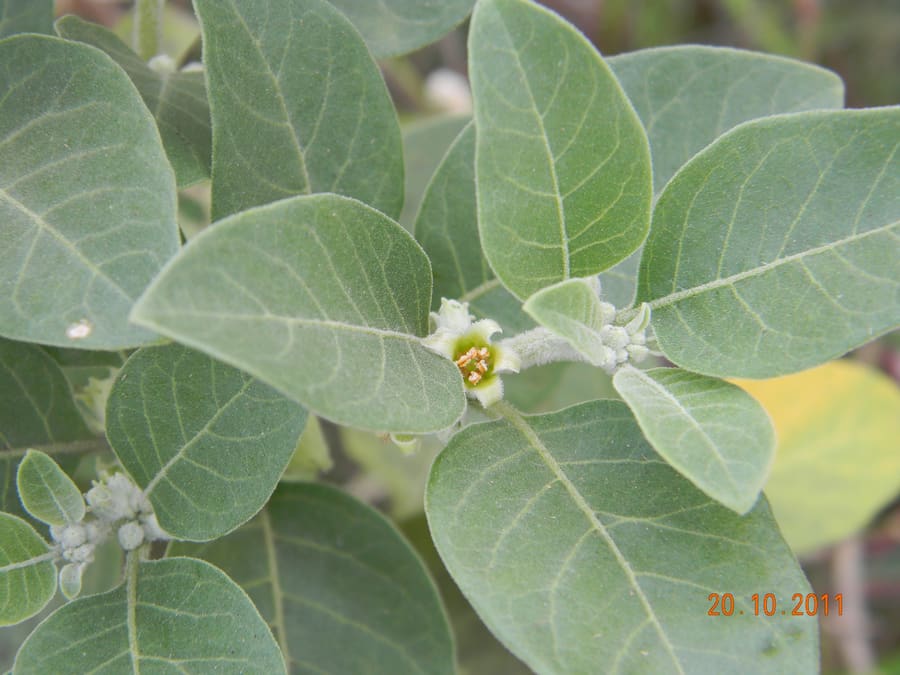 Ashwagandha (Withania somnifera)
Ashwagandha (Withania somnifera), sometimes called “Indian ginseng,” is a sturdy shrub growing to about 5 ft (1.5 m) with oval leaves, greenish or yellow flowers, and small, round fruits. A key herb in Ayurvedic medicine, it is valued for boosting vitality and aiding convalescence from chronic illnesses. It promotes relaxation, increases energy and muscle tone, and can support healthy thyroid hormone conversion from T4 to T3. Traditionally, ashwagandha is considered a “Rasáyana” (rejuvenator), used long-term to rebuild and regenerate body and mind.
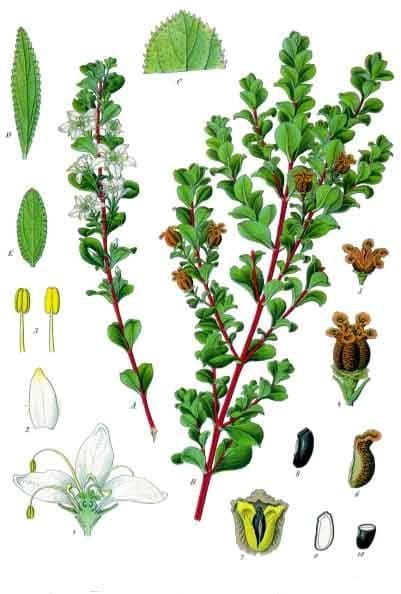 Buchu (Barosma betulina)
Buchu is a strongly aromatic, bushy shrub reaching about 6½ ft (2 m), with slightly leathery, dotted leaves that release a distinctive scent. Indigenous peoples of South Africa have long valued buchu as a general stimulant, diuretic, and digestive aid. In contemporary Western herbal medicine, it is prized mainly as a urinary antiseptic and diuretic, traditionally employed for cystitis, bladder infections, irritable bladder, and sometimes prostatitis.
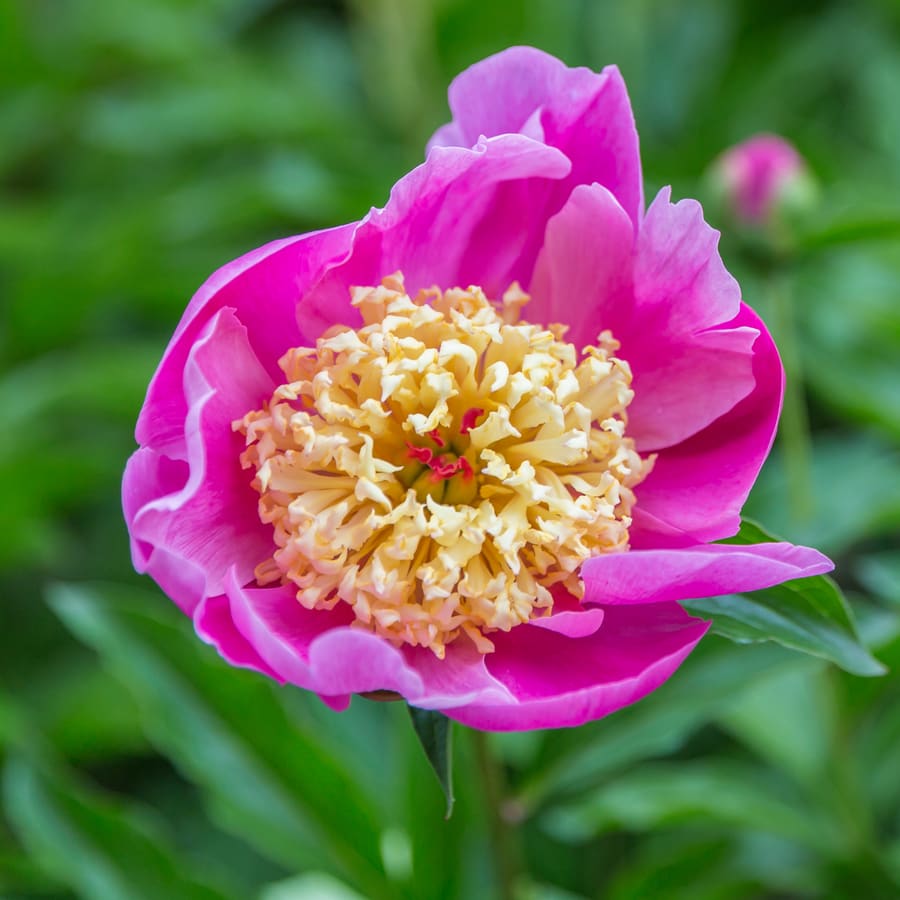 Chinese Peony / White Peony (Paeonia lactiflora)
White peony is an upright perennial growing to 6.5 feet with large white flowers and divided, dark green leaves. Its history of medicinal use in China stretches back at least 1,500 years, most notably as one of the herbs in 'Four Things Soup,' a renowned female tonic. Traditionally, it is believed that women who take the herb regularly become as radiant as the flower itself. The plant is cultivated throughout northeastern China and Inner Mongolia, propagated from seed in spring or from root cuttings in winter. The root of 4- or 5-year-old plants is harvested in spring or autumn and valued as a hormonal tonic.
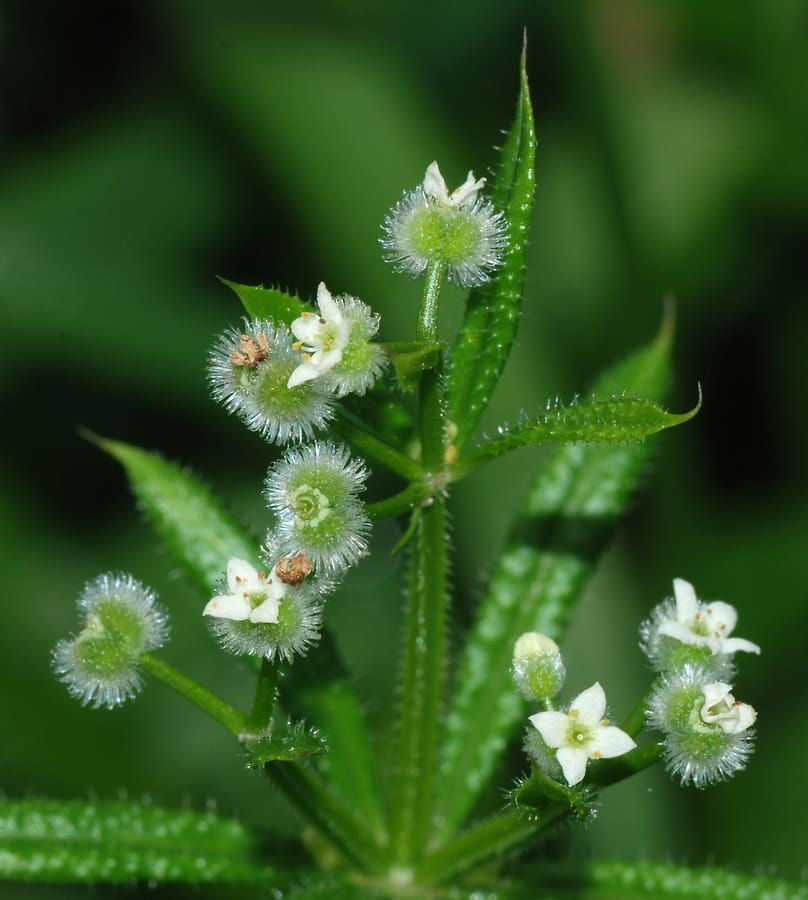 Cleavers (Galium aparine)
Cleavers is a straggling, square-stemmed annual growing to 4 feet with whorls of lance-shaped leaves, clusters of small white flowers, and small round green fruits covered with hooked prickles. The name refers to the plant's ability to cling (or cleave) to fur or clothing. Common throughout Europe and North America and found in many other temperate regions including Australia, it grows prolifically in gardens and along roadsides. The Greek physician Dioscorides in the 1st century CE considered it useful for countering weariness and noted that shepherds used the stems to make sieves for straining milk.
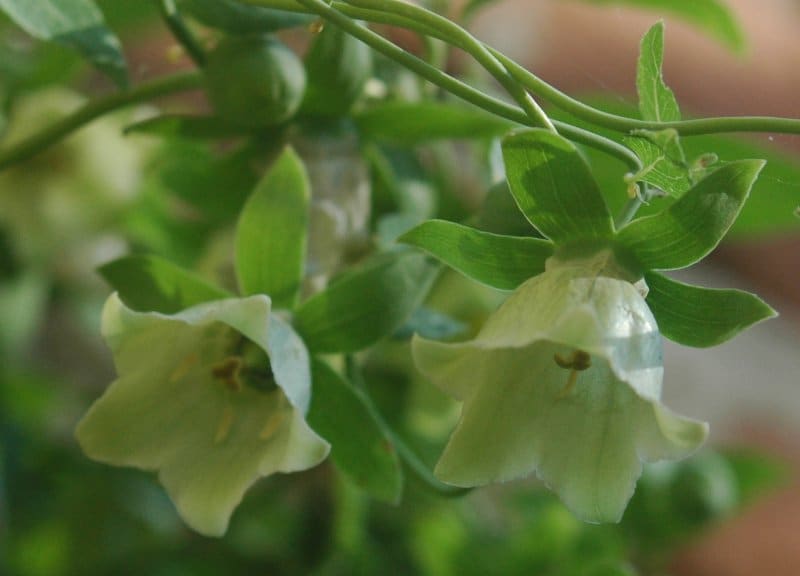 Codonopsis (Codonopsis pilosula)
Codonopsis is a small twining perennial growing to 5 feet with oval leaves and pendulous green and purple bell-shaped flowers marked with purple in summer. Native to northeastern China and growing throughout the region - especially in the Shanxi and Szechuan provinces - it is propagated from seed in spring or autumn, and the root is harvested in autumn once the aerial parts have died down. In Chinese herbal medicine, codonopsis holds a central place as a gentle tonic that increases energy levels, improves physical and mental well-being, and helps the body adapt to stress.
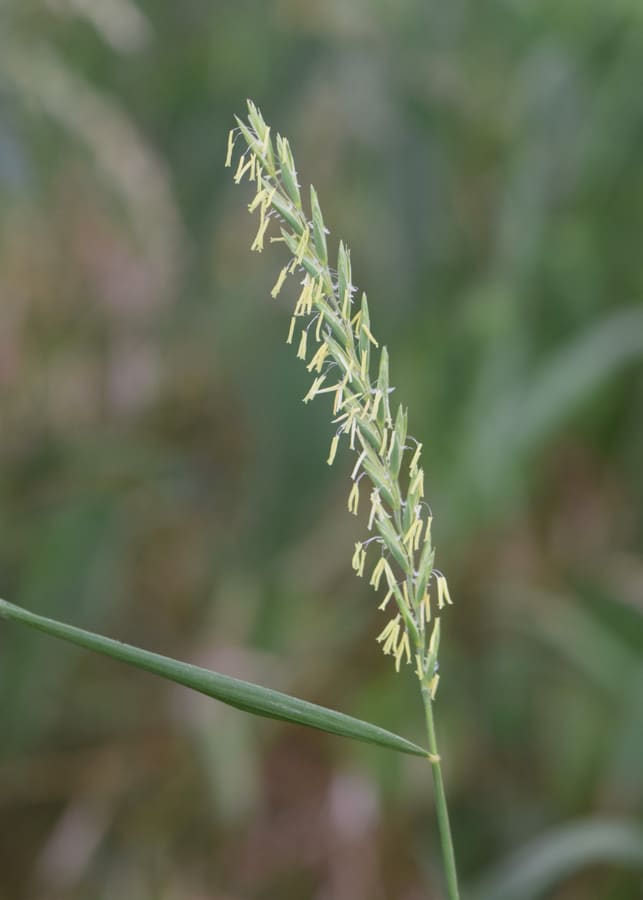 Couch Grass (Elymus repens)
Couch grass is a vigorous perennial growing to 32 inches with a long, creeping rhizome, slender leaves, and erect spikes bearing green flowers aligned in two rows. Found in Europe, the Americas, northern Asia, and Australia, it is an invasive weed harvested throughout the year. In classical times, both Dioscorides (40-90 CE) and Pliny (23-79 CE) recommended couch grass root for poor urine flow and kidney stones. The herbalist John Gerard wrote in 1597 that 'Couch-grasse be an unwelcome guest to fields and gardens, yet his physicke virtues do recompense those hurts; for it openeth the stoppings of the liver and reins [ureters] without heat.' In times of famine, the root was roasted and ground as a substitute for coffee and flour.
 Cranberry (Vaccinium macrocarpon)
Cranberry (Vaccinium macrocarpon) is a small, low-lying evergreen shrub with dark green leaves, pink flowers, and bright red berries. Long valued as a nutritious fruit, cranberries also contain compounds (e.g., proanthocyanidins) that help prevent certain bacteria like E. coli from adhering to the walls of the urinary tract. As a result, cranberry juice or extracts are widely used to prevent and manage urinary tract infections (UTIs). It also provides antioxidants and vitamin C.
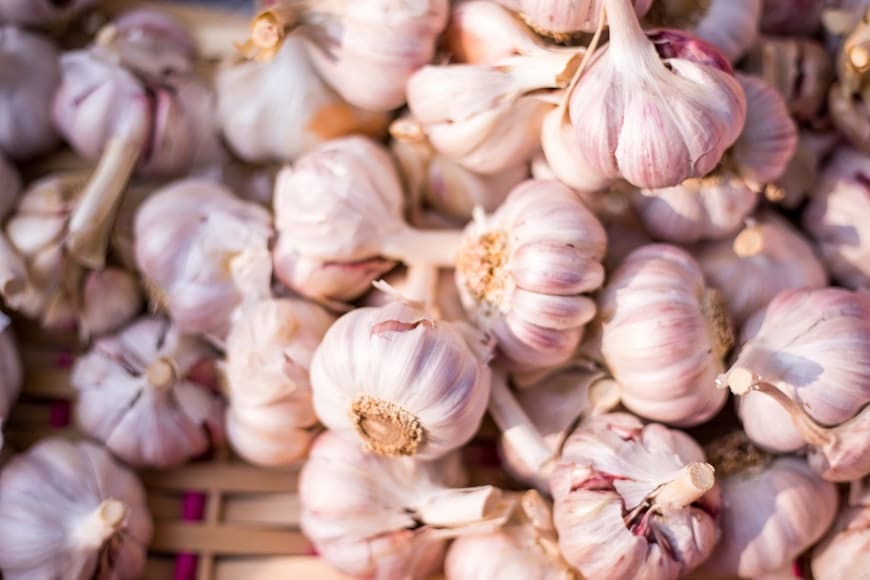 Garlic (Allium sativum)
Garlic (Allium sativum) is a bulbous perennial in the onion family, recognized for its sharp flavor and characteristic odor. Highly valued for both culinary and medicinal purposes, crushed fresh garlic contains allicin, which has potent antibiotic, antifungal, and antiviral properties. Regular garlic intake supports immunity, respiratory health, and circulatory function.