
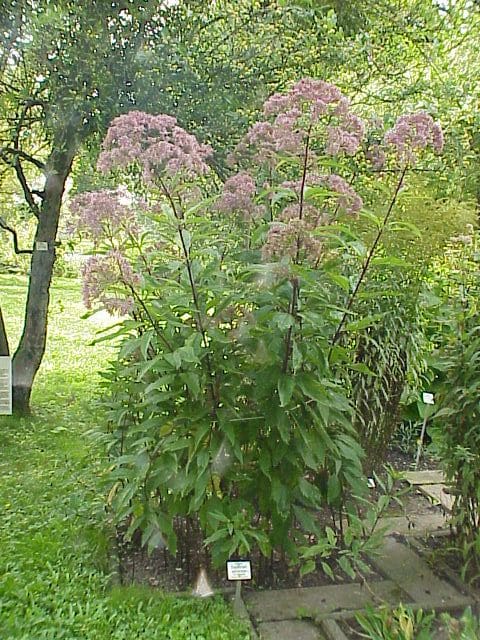
Gravel Root (Eupatorium purpureum)
Photo: Wikimedia Commons · CC BY-SA 3.0
- Male Reproductive
- 6 conditions
- Licensed photo
Overview
Gravel root is an erect perennial growing to 5 feet with whorls of pointed oblong leaves and clusters of purple-pink florets. Native to eastern North America, the root is unearthed in autumn. The plant's alternative name, Joe Pye weed, honors the Native American said to have used it to cure New Englanders of typhus. Native Americans valued the herb as a diuretic and remedy for genitourinary conditions, and the root was listed in the Pharmacopoeia of the United States from 1820 to 1842, attesting to its recognized medicinal importance.
Traditional uses & properties
As its common name indicates, gravel root is particularly valuable for urinary tract problems. It helps prevent the formation of kidney and bladder stones and may diminish existing stones, earning its reputation as a lithotriptic (stone-breaking) herb. Gravel root is also useful for cystitis, urethritis, prostate enlargement, and other forms of urinary obstruction. The herb benefits rheumatism and gout by increasing the removal of waste products by the kidneys. It is used for kidney infections, prostatitis, pelvic inflammatory disease, and diabetes. The root's diuretic properties help flush the urinary passages while its soothing action provides relief from burning, scanty urination and functional derangements of urinary organs.
Traditional preparations
Traditional texts describe the preparations below, and where those texts give specific amounts, the amounts are quoted here as part of that record. This is a record of historical practice, not a dosage recommendation - the figures are what the sources say, not what HerbMate tells you to take. Amounts, potency, and safe use vary enormously by preparation, plant part, and person.
Standard decoction: 4-8 ounces, 3 times daily. Tincture (dried root 1:5, 60% alcohol): 1-3 ml (0.2-0.6 tsp.) 2-4 times daily. Glycerite (dried root 1:8): 5-15 ml (1-3 tsp.) 2-4 times daily.
Safety & precautions
Contains pyrrolizidine alkaloids. Not recommended for long-term use or for pregnant or nursing women due to potential liver toxicity from pyrrolizidine alkaloids. Use only for short-term treatment under professional guidance.
Drug & food interactions
Interaction data is not available for this herb - talk to a pharmacist before combining it with any medication. A blank entry here means we have not documented interactions, not that none exist.
Habitat
Native to eastern North America. The root is unearthed in autumn.
Traditionally used for
- Prostate Health6 herbs · 2 free
- Gout6 herbs · 2 free
- Rheumatism9 herbs · 2 free
- Cystitis12 herbs · 2 free
- Kidney Stones9 herbs · 2 free
- Urethritis7 herbs · 2 free
Each condition shows its first 2 remedies free. Premium opens the full remedy list for every condition - or come back for the free Condition of the Day.
Frequently asked questions
What is Gravel Root (Eupatorium purpureum) traditionally used for?
Traditional sources describe Gravel Root (Eupatorium purpureum) as follows: As its common name indicates, gravel root is particularly valuable for urinary tract problems. It helps prevent the formation of kidney and bladder stones and may diminish existing stones, earning its reputation as a lithotriptic (stone-breaking) herb. Gravel root is also useful for cystitis, urethritis, prostate enlargement, and other forms of urinary obstruction. The herb benefits rheumatism and gout by increasing the removal of waste products by the kidneys. It is used for kidney infections, prostatitis, pelvic inflammatory disease, and diabetes. The root's diuretic properties help flush the urinary passages while its soothing action provides relief from burning, scanty urination and functional derangements of urinary organs.
How is Gravel Root (Eupatorium purpureum) prepared?
Traditional texts describe the preparations below, and where those texts give specific amounts, the amounts are quoted here as part of that record. This is a record of historical practice, not a dosage recommendation - the figures are what the sources say, not what HerbMate tells you to take. Amounts, potency, and safe use vary enormously by preparation, plant part, and person. Standard decoction: 4-8 ounces, 3 times daily. Tincture (dried root 1:5, 60% alcohol): 1-3 ml (0.2-0.6 tsp.) 2-4 times daily. Glycerite (dried root 1:8): 5-15 ml (1-3 tsp.) 2-4 times daily.
What safety cautions apply to Gravel Root (Eupatorium purpureum)?
Contains pyrrolizidine alkaloids. Not recommended for long-term use or for pregnant or nursing women due to potential liver toxicity from pyrrolizidine alkaloids. Use only for short-term treatment under professional guidance.
Related herbs
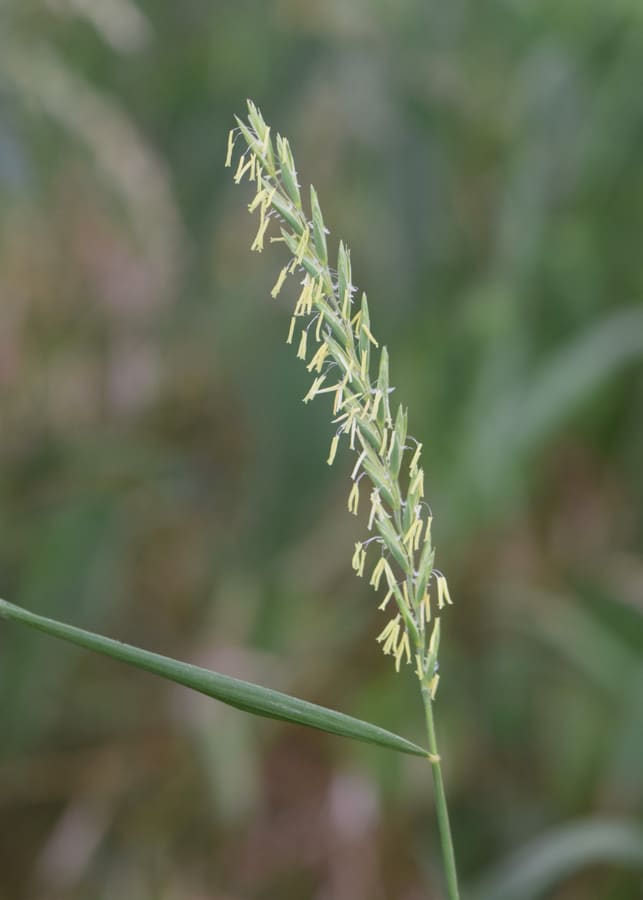 Couch Grass (Elymus repens)
Couch grass is a vigorous perennial growing to 32 inches with a long, creeping rhizome, slender leaves, and erect spikes bearing green flowers aligned in two rows. Found in Europe, the Americas, northern Asia, and Australia, it is an invasive weed harvested throughout the year. In classical times, both Dioscorides (40-90 CE) and Pliny (23-79 CE) recommended couch grass root for poor urine flow and kidney stones. The herbalist John Gerard wrote in 1597 that 'Couch-grasse be an unwelcome guest to fields and gardens, yet his physicke virtues do recompense those hurts; for it openeth the stoppings of the liver and reins [ureters] without heat.' In times of famine, the root was roasted and ground as a substitute for coffee and flour.
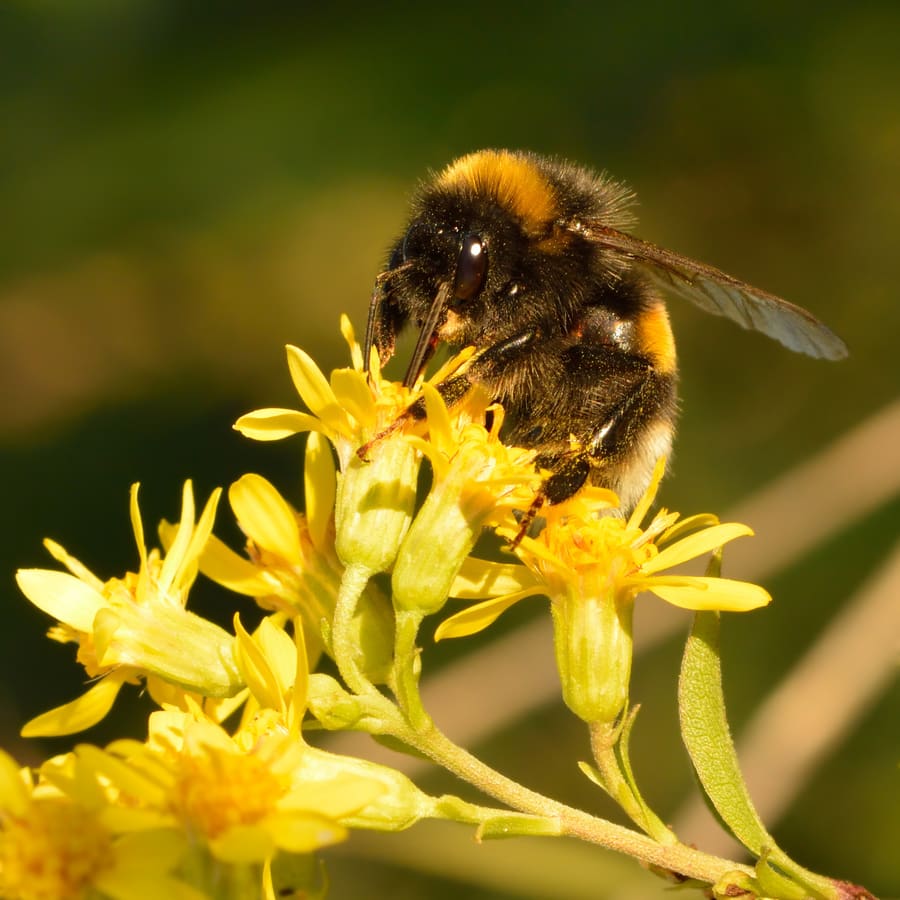 Goldenrod (Solidago virgaurea)
Goldenrod is a perennial plant growing to 28 inches with toothed leaves and branched spikes of golden-yellow flowers. Native to Europe and Asia and naturalized in North America, it prefers open areas and hillsides and is gathered in summer while in flower. The herbalist John Gerard commented wryly in 1597 about how goldenrod's value plummeted once it was discovered growing locally in Hampstead wood, London, noting society's tendency to esteem things only while they remain rare and foreign. Four hundred years later, this observation still rings true, though the herb's genuine therapeutic value remains unchanged.
- Pipsissewa (Chimaphila umbellata)
Pipsissewa (Chimaphila umbellata) is an evergreen plant about 8 in (20 cm) tall, with glossy, wedge-shaped leaves and small, pinkish-white flowers in flat-topped clusters. A close relative of uva ursi, pipsissewa shares urinary antiseptic properties and is notably gentler on the kidneys.
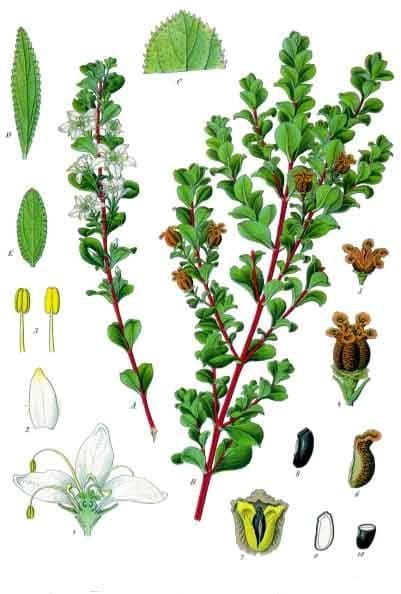 Buchu (Barosma betulina)
Buchu is a strongly aromatic, bushy shrub reaching about 6½ ft (2 m), with slightly leathery, dotted leaves that release a distinctive scent. Indigenous peoples of South Africa have long valued buchu as a general stimulant, diuretic, and digestive aid. In contemporary Western herbal medicine, it is prized mainly as a urinary antiseptic and diuretic, traditionally employed for cystitis, bladder infections, irritable bladder, and sometimes prostatitis.
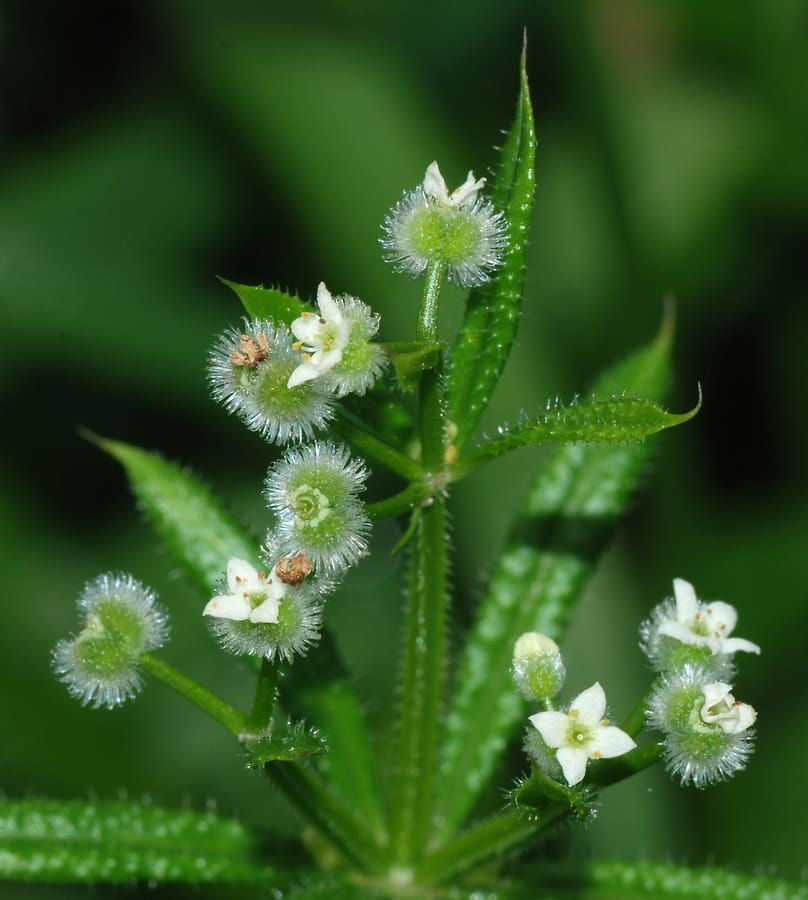 Cleavers (Galium aparine)
Cleavers is a straggling, square-stemmed annual growing to 4 feet with whorls of lance-shaped leaves, clusters of small white flowers, and small round green fruits covered with hooked prickles. The name refers to the plant's ability to cling (or cleave) to fur or clothing. Common throughout Europe and North America and found in many other temperate regions including Australia, it grows prolifically in gardens and along roadsides. The Greek physician Dioscorides in the 1st century CE considered it useful for countering weariness and noted that shepherds used the stems to make sieves for straining milk.
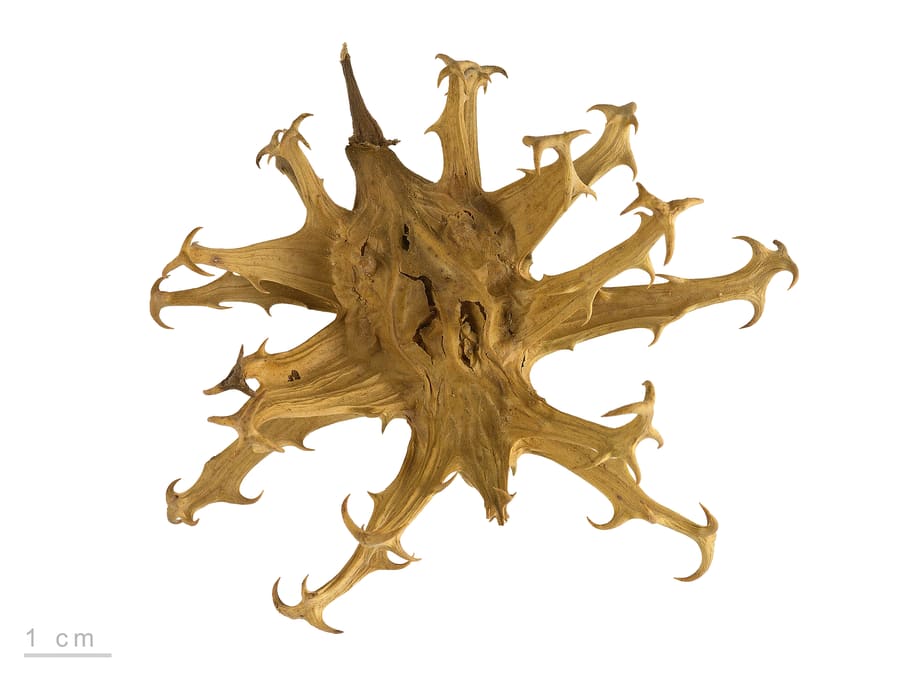 Devil's Claw (Harpagophytum procumbens)
Devil’s claw (Harpagophytum procumbens) is a trailing perennial native to southern Africa, named for its hooked, woody fruits. For millennia, indigenous peoples have relied on its tuber to treat pain, fever, and digestive ailments. In modern herbalism, devil’s claw is best known for its anti-inflammatory and analgesic properties, frequently employed to support joint health and reduce arthritic or lower back pain. It also acts as a bitter tonic to stimulate digestion.
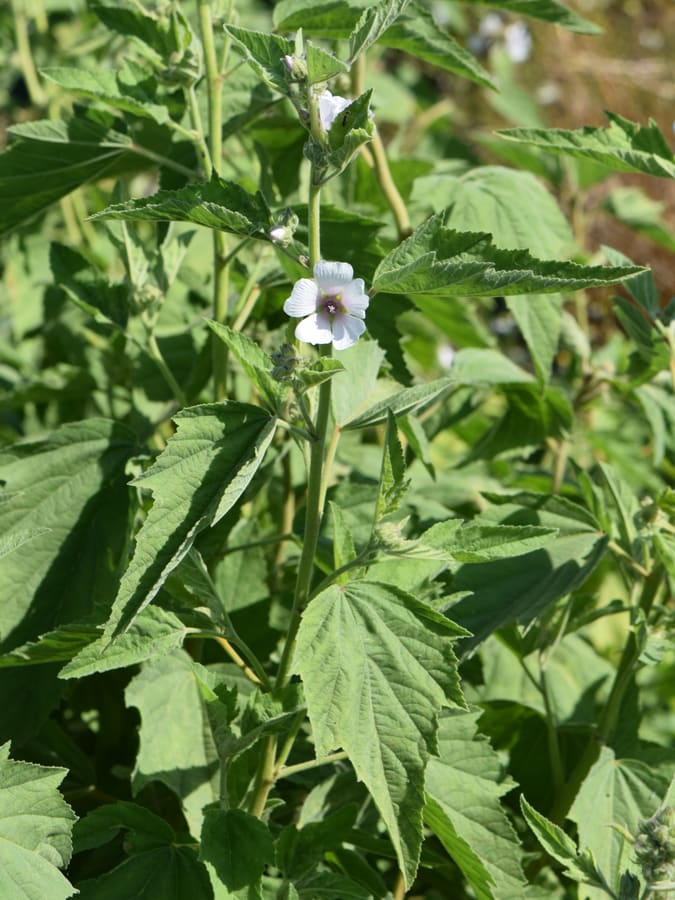 Marshmallow (Althaea officinalis)
Marshmallow (Althaea officinalis) is a downy perennial up to about 7 ft (2.2 m), with thick white roots, heart-shaped leaves, and pink flowers. Known for its high mucilage content, marshmallow soothes inflamed mucous membranes, including those in the respiratory, urinary, and digestive systems.
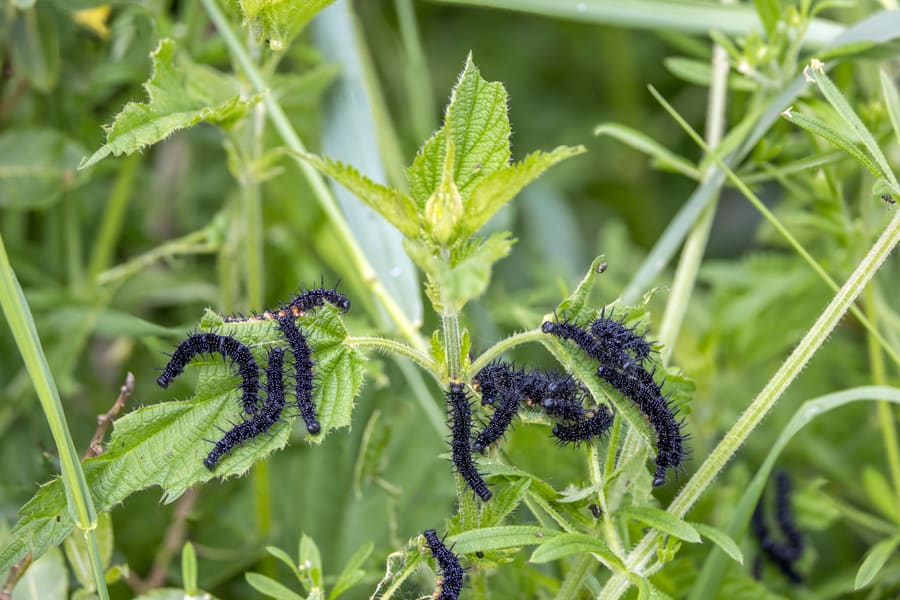 Nettle (Urtica dioica)
Stinging nettle (Urtica dioica) is a perennial growing up to about 5 ft (1.5 m), recognized by its lance-shaped, serrated leaves and tiny greenish flowers. Though capable of “stinging,” nettle leaves and seeds are rich in protein, minerals, vitamins, and have a broad range of therapeutic effects, from anti-allergenic to diuretic.