
Herbs for UTI
5 herbs traditionally used for this condition.
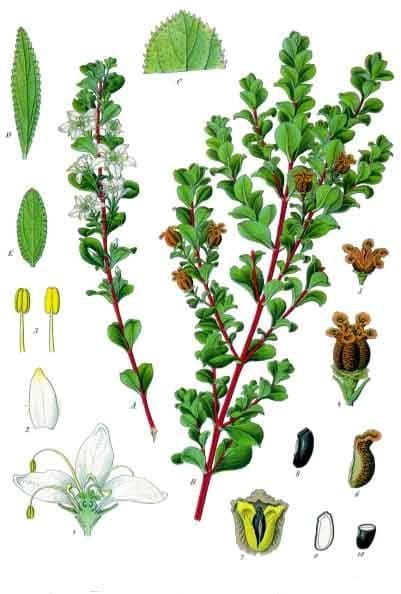
- Buchu (Barosma betulina)
Buchu is a strongly aromatic, bushy shrub reaching about 6½ ft (2 m), with slightly leathery, dotted leaves that release a distinctive scent. Indigenous peoples of South Africa have long valued buchu as a general stimulant, diuretic, and digestive aid. In contemporary Western herbal medicine, it is prized mainly as a urinary antiseptic and diuretic, traditionally employed for cystitis, bladder infections, irritable bladder, and sometimes prostatitis.
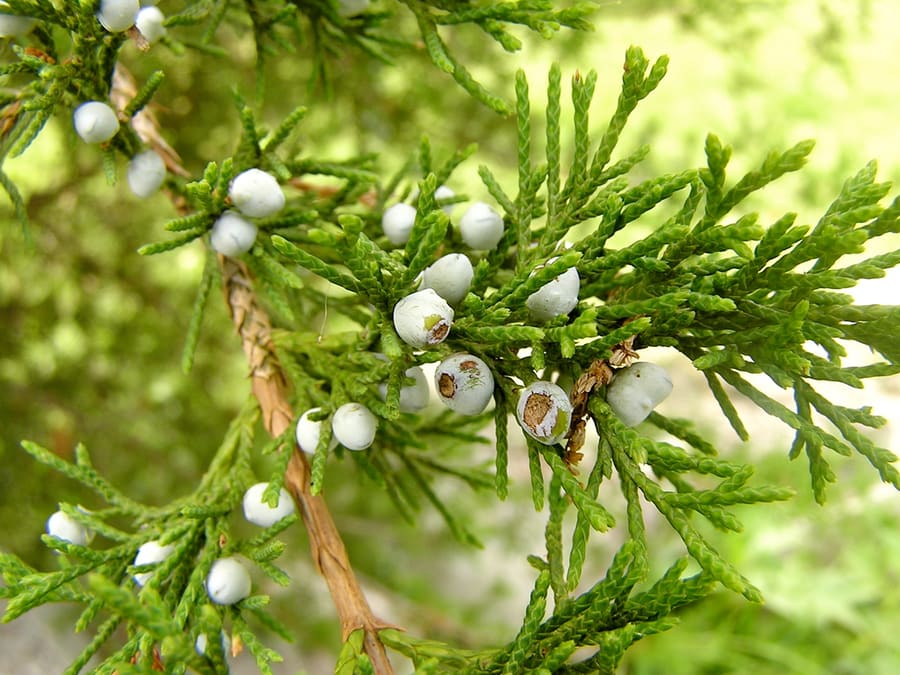
- Juniper (Juniperus communis)
Juniper (Juniperus communis) is a coniferous shrub or small tree that may reach about 49 ft (15 m). It bears needle-like leaves, male and female flowers, and spherical blue-black “berries” (actually seed cones) rich in potent volatile oils. Juniper berries have been used for centuries as a flavoring (notably in gin) and for their antiseptic, diuretic properties.
- Cranberry (Vaccinium macrocarpon)
Cranberry (Vaccinium macrocarpon) is a small, low-lying evergreen shrub with dark green leaves, pink flowers, and bright red berries. Long valued as a nutritious fruit, cranberries also contain compounds (e.g., proanthocyanidins) that help prevent certain bacteria like E. coli from adhering to the walls of the urinary tract. As a result, cranberry juice or extracts are widely used to prevent and manage urinary tract infections (UTIs). It also provides antioxidants and vitamin C.
- Tribulus (Tribulus terrestris)
Tribulus has a long history of use as a sexual tonic and vitality-restoring remedy. Modern herbalists employ tribulus as a restorative tonic to support the male reproductive system and enhance overall health and stamina. The fruit of the plant is the primary medicinal part used.
- Uva Ursi (Arctostaphylos uva-ursi)
Uva-ursi is a low-lying evergreen shrub growing to 20 inches tall with long trailing stems, dark green leaves that are glossy on the upper side, bell-shaped pink flowers, and small glossy red berries. The name means 'bear's grape' in Latin, as bears are fond of the fruit. Native to Europe and naturalized throughout the northern hemisphere up to the Arctic, it grows in damp undergrowth, heathland, and grassland conditions. The plant was first documented in The Physicians of Myddfai, a 13th-century Welsh herbal text.