
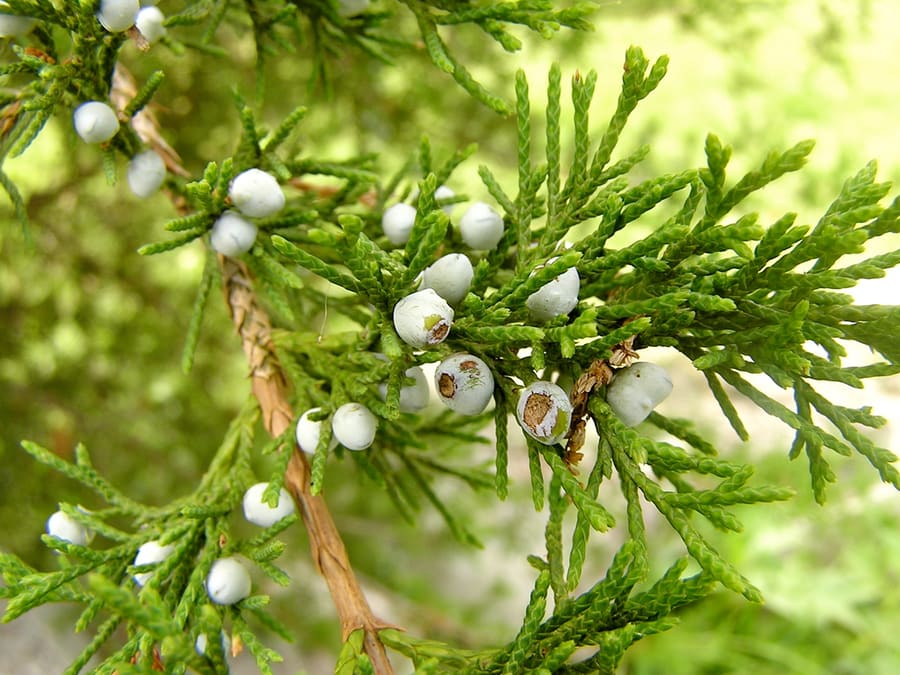
Juniper (Juniperus communis)
Photo: liz west from Boxborough, MA · CC BY 2.0
- Skeletal
- 2 conditions
- Licensed photo
Overview
Juniper (Juniperus communis) is a coniferous shrub or small tree that may reach about 49 ft (15 m). It bears needle-like leaves, male and female flowers, and spherical blue-black “berries” (actually seed cones) rich in potent volatile oils. Juniper berries have been used for centuries as a flavoring (notably in gin) and for their antiseptic, diuretic properties.
Traditional uses & properties
Urinary Antiseptic & Diuretic: Aids bladder infections (cystitis, urethritis), encourages urine flow, but avoid if kidney function is compromised. Digestive Support: Warming, settling effect on stomach colic, bloating, and indigestion. Antirheumatic: Topical diluted oil or internal remedies can help joint pain (arthritis, gout) by promoting waste removal. Menstrual Stimulant: May regulate menstrual flow, though caution is advised in heavy or painful periods.
Traditional preparations
Traditional texts describe the preparations below, and where those texts give specific amounts, the amounts are quoted here as part of that record. This is a record of historical practice, not a dosage recommendation - the figures are what the sources say, not what HerbMate tells you to take. Amounts, potency, and safe use vary enormously by preparation, plant part, and person.
Make an infusion out of powdered berries and drink 4-8 ounces 1-4 times daily. Alternatively take 1,000 - 2,000mg capsules 3 times daily.
Safety & precautions
Pregnancy & Heavy Menstrual Bleeding: Juniper can stimulate uterine activity and increase bleeding. Kidney Disease: Avoid if dealing with kidney infections or chronic kidney conditions. Essential Oil: Potentially toxic if taken internally without professional supervision.
Drug & food interactions
Interaction data is not available for this herb - talk to a pharmacist before combining it with any medication. A blank entry here means we have not documented interactions, not that none exist.
Habitat
Found across Europe, Asia, and North America, juniper grows in varied climates ranging from coastal to mountainous areas. Berries ripen over 1-3 years, typically harvested in autumn. Much of the commercial supply is gathered from wild stands.
Traditionally used for
Each condition shows its first 2 remedies free. Premium opens the full remedy list for every condition - or come back for the free Condition of the Day.
Frequently asked questions
What is Juniper (Juniperus communis) traditionally used for?
Traditional sources describe Juniper (Juniperus communis) as follows: Urinary Antiseptic & Diuretic: Aids bladder infections (cystitis, urethritis), encourages urine flow, but avoid if kidney function is compromised. Digestive Support: Warming, settling effect on stomach colic, bloating, and indigestion. Antirheumatic: Topical diluted oil or internal remedies can help joint pain (arthritis, gout) by promoting waste removal. Menstrual Stimulant: May regulate menstrual flow, though caution is advised in heavy or painful periods.
How is Juniper (Juniperus communis) prepared?
Traditional texts describe the preparations below, and where those texts give specific amounts, the amounts are quoted here as part of that record. This is a record of historical practice, not a dosage recommendation - the figures are what the sources say, not what HerbMate tells you to take. Amounts, potency, and safe use vary enormously by preparation, plant part, and person. UTI: Make an infusion out of powdered berries and drink 4-8 ounces 1-4 times daily. Alternatively take 1,000 - 2,000mg capsules 3 times daily.
What safety cautions apply to Juniper (Juniperus communis)?
Pregnancy & Heavy Menstrual Bleeding: Juniper can stimulate uterine activity and increase bleeding. Kidney Disease: Avoid if dealing with kidney infections or chronic kidney conditions. Essential Oil: Potentially toxic if taken internally without professional supervision.
Related herbs
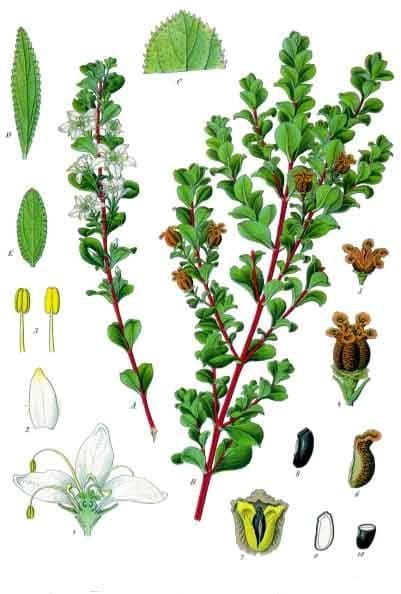 Buchu (Barosma betulina)
Buchu is a strongly aromatic, bushy shrub reaching about 6½ ft (2 m), with slightly leathery, dotted leaves that release a distinctive scent. Indigenous peoples of South Africa have long valued buchu as a general stimulant, diuretic, and digestive aid. In contemporary Western herbal medicine, it is prized mainly as a urinary antiseptic and diuretic, traditionally employed for cystitis, bladder infections, irritable bladder, and sometimes prostatitis.
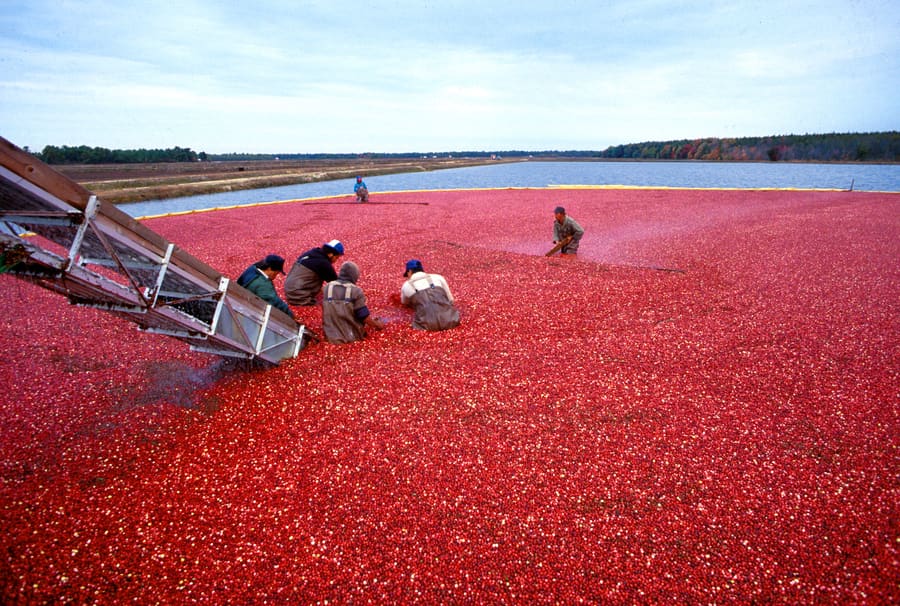 Cranberry (Vaccinium macrocarpon)
Cranberry (Vaccinium macrocarpon) is a small, low-lying evergreen shrub with dark green leaves, pink flowers, and bright red berries. Long valued as a nutritious fruit, cranberries also contain compounds (e.g., proanthocyanidins) that help prevent certain bacteria like E. coli from adhering to the walls of the urinary tract. As a result, cranberry juice or extracts are widely used to prevent and manage urinary tract infections (UTIs). It also provides antioxidants and vitamin C.
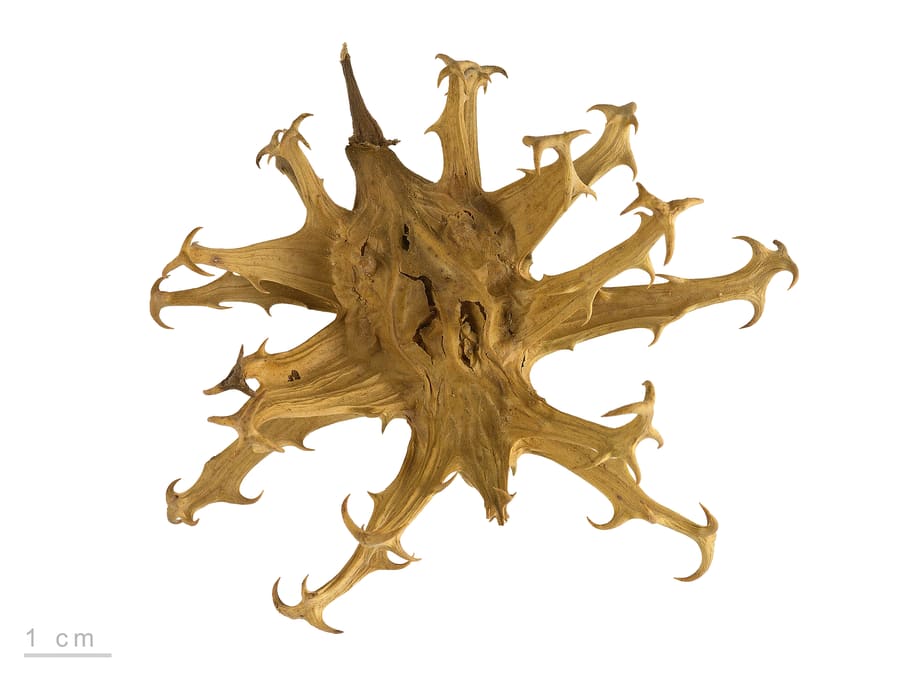 Devil's Claw (Harpagophytum procumbens)
Devil’s claw (Harpagophytum procumbens) is a trailing perennial native to southern Africa, named for its hooked, woody fruits. For millennia, indigenous peoples have relied on its tuber to treat pain, fever, and digestive ailments. In modern herbalism, devil’s claw is best known for its anti-inflammatory and analgesic properties, frequently employed to support joint health and reduce arthritic or lower back pain. It also acts as a bitter tonic to stimulate digestion.
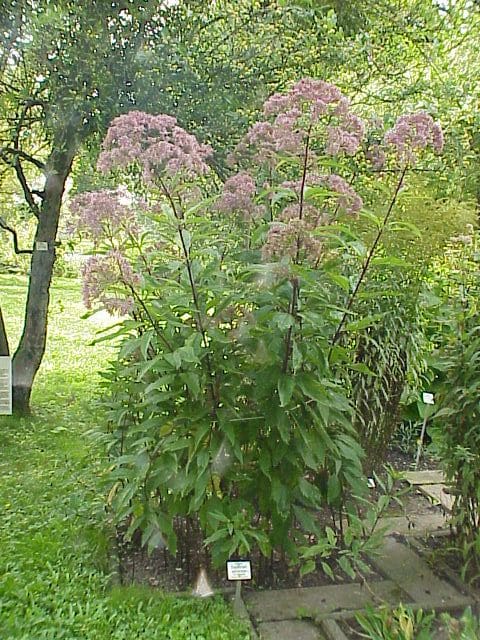 Gravel Root (Eupatorium purpureum)
Gravel root is an erect perennial growing to 5 feet with whorls of pointed oblong leaves and clusters of purple-pink florets. Native to eastern North America, the root is unearthed in autumn. The plant's alternative name, Joe Pye weed, honors the Native American said to have used it to cure New Englanders of typhus. Native Americans valued the herb as a diuretic and remedy for genitourinary conditions, and the root was listed in the Pharmacopoeia of the United States from 1820 to 1842, attesting to its recognized medicinal importance.
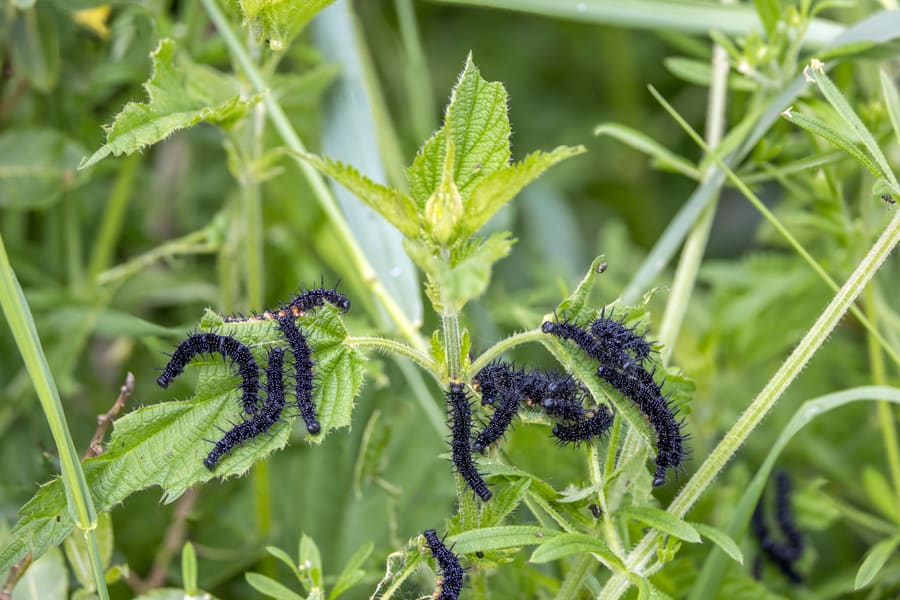 Nettle (Urtica dioica)
Stinging nettle (Urtica dioica) is a perennial growing up to about 5 ft (1.5 m), recognized by its lance-shaped, serrated leaves and tiny greenish flowers. Though capable of “stinging,” nettle leaves and seeds are rich in protein, minerals, vitamins, and have a broad range of therapeutic effects, from anti-allergenic to diuretic.
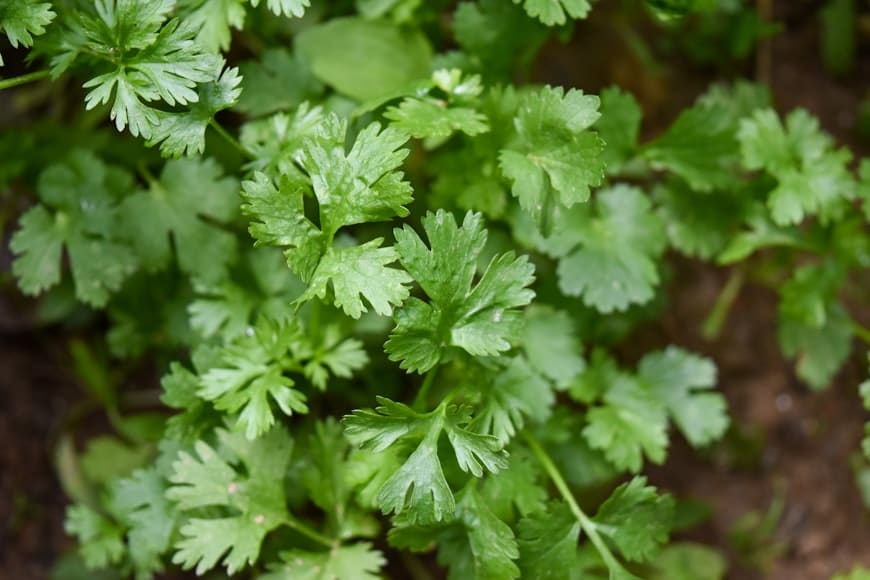 Parsley (Petroselinum crispum)
Parsley (Petroselinum crispum) is an annual or biennial herb up to about 1 ft (30 cm), with an erect stem, bright green compound leaves (plain or curly), and clusters of small white flowers. Known as a diuretic and a significant source of vitamins and minerals (e.g., A, C, E, and iron), parsley supports healthy fluid balance and is a staple culinary herb.
- Pipsissewa (Chimaphila umbellata)
Pipsissewa (Chimaphila umbellata) is an evergreen plant about 8 in (20 cm) tall, with glossy, wedge-shaped leaves and small, pinkish-white flowers in flat-topped clusters. A close relative of uva ursi, pipsissewa shares urinary antiseptic properties and is notably gentler on the kidneys.
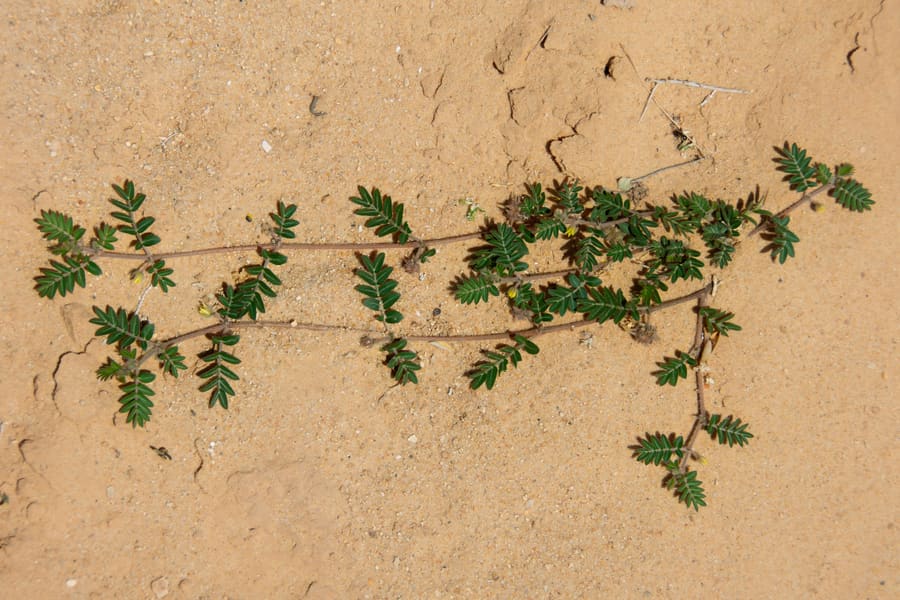 Tribulus (Tribulus terrestris)
Tribulus has a long history of use as a sexual tonic and vitality-restoring remedy. Modern herbalists employ tribulus as a restorative tonic to support the male reproductive system and enhance overall health and stamina. The fruit of the plant is the primary medicinal part used.