
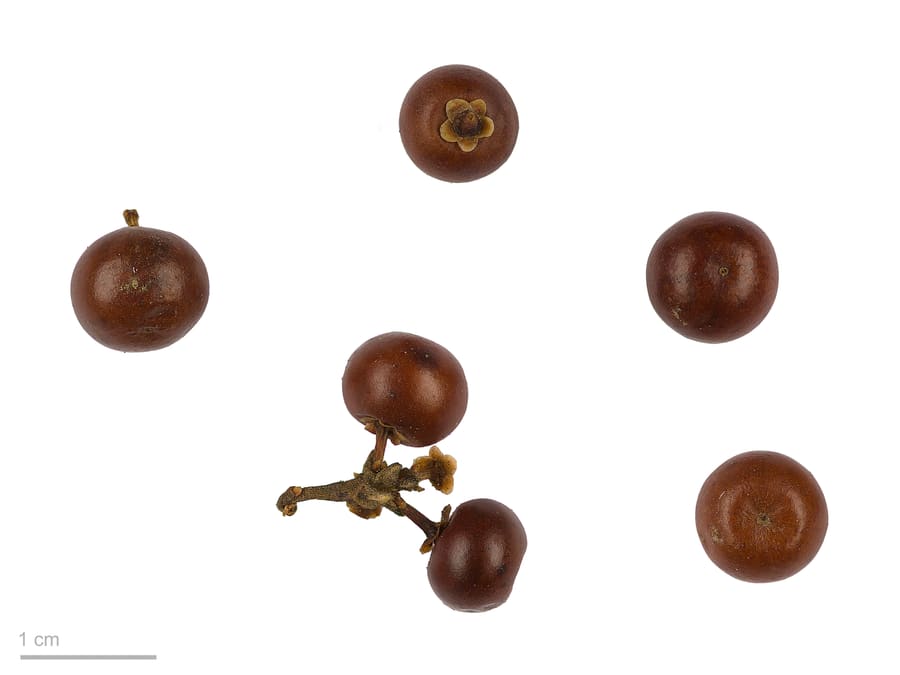
Uva Ursi (Arctostaphylos uva-ursi)
Photo: Roger Culos · CC BY-SA 3.0
- Urinary
- 3 conditions
- Licensed photo
Overview
Uva-ursi is a low-lying evergreen shrub growing to 20 inches tall with long trailing stems, dark green leaves that are glossy on the upper side, bell-shaped pink flowers, and small glossy red berries. The name means 'bear's grape' in Latin, as bears are fond of the fruit. Native to Europe and naturalized throughout the northern hemisphere up to the Arctic, it grows in damp undergrowth, heathland, and grassland conditions. The plant was first documented in The Physicians of Myddfai, a 13th-century Welsh herbal text.
Traditional uses & properties
Uva-ursi is one of the best natural urinary antiseptics available. The leaves contain hydroquinones (mainly arbutin, up to 17%) and tannins (up to 15%) that provide antiseptic effects in the urinary tract. It has been extensively used to disinfect and astringe the urinary tract in cases of acute and chronic cystitis and urethritis. The herb demonstrates reliable diuretic properties with strong disinfectant and infection-fighting capabilities, making it useful for kidney and bladder infections, irritated female organs, and other urogenital problems. Research has confirmed antibacterial effects, with efficacy thought to increase in alkaline urine (such as when following a vegetable-based diet).
Traditional preparations
Preparation amounts are not shown for this herb. It is toxic, restricted, or otherwise unsafe to self-dose - the margin between a traditional dose and a harmful one is too small to publish as reference material. If you are considering it, that conversation belongs with a doctor or a qualified practitioner, not a website.
Safety & precautions
Do not take during pregnancy or with kidney disease. Not suitable for children under 12. Not suitable if there is a simultaneous kidney infection. Generally advisable to take for no more than 7-10 days at a time. Not for use in cases involving fluid deficiency, wasting, or dryness. Not recommended for long-term use due to strong astringency. Prolonged use may irritate the stomach and cause constipation.
Drug & food interactions
Interaction data is not available for this herb - talk to a pharmacist before combining it with any medication. A blank entry here means we have not documented interactions, not that none exist.
Habitat
Native to Europe and naturalized throughout the northern hemisphere up to the Arctic. Grows in damp conditions in undergrowth, heathland, and grassland. Leaves are gathered in autumn.
Traditionally used for
Each condition shows its first 2 remedies free. Premium opens the full remedy list for every condition - or come back for the free Condition of the Day.
Frequently asked questions
What is Uva Ursi (Arctostaphylos uva-ursi) traditionally used for?
Traditional sources describe Uva Ursi (Arctostaphylos uva-ursi) as follows: Uva-ursi is one of the best natural urinary antiseptics available. The leaves contain hydroquinones (mainly arbutin, up to 17%) and tannins (up to 15%) that provide antiseptic effects in the urinary tract. It has been extensively used to disinfect and astringe the urinary tract in cases of acute and chronic cystitis and urethritis. The herb demonstrates reliable diuretic properties with strong disinfectant and infection-fighting capabilities, making it useful for kidney and bladder infections, irritated female organs, and other urogenital problems. Research has confirmed antibacterial effects, with efficacy thought to increase in alkaline urine (such as when following a vegetable-based diet).
How is Uva Ursi (Arctostaphylos uva-ursi) prepared?
Preparation amounts are not shown for this herb. It is toxic, restricted, or otherwise unsafe to self-dose - the margin between a traditional dose and a harmful one is too small to publish as reference material. If you are considering it, that conversation belongs with a doctor or a qualified practitioner, not a website.
What safety cautions apply to Uva Ursi (Arctostaphylos uva-ursi)?
Do not take during pregnancy or with kidney disease. Not suitable for children under 12. Not suitable if there is a simultaneous kidney infection. Generally advisable to take for no more than 7-10 days at a time. Not for use in cases involving fluid deficiency, wasting, or dryness. Not recommended for long-term use due to strong astringency. Prolonged use may irritate the stomach and cause constipation.
Related herbs
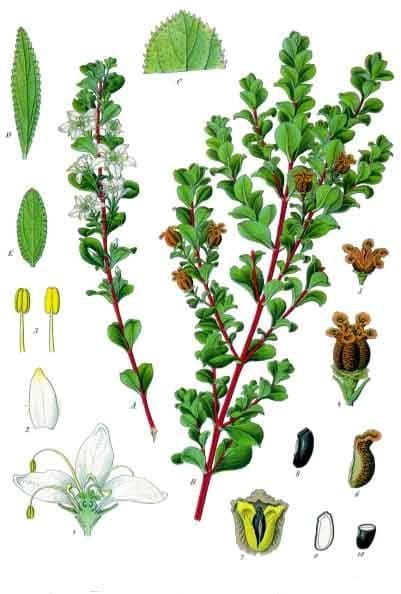 Buchu (Barosma betulina)
Buchu is a strongly aromatic, bushy shrub reaching about 6½ ft (2 m), with slightly leathery, dotted leaves that release a distinctive scent. Indigenous peoples of South Africa have long valued buchu as a general stimulant, diuretic, and digestive aid. In contemporary Western herbal medicine, it is prized mainly as a urinary antiseptic and diuretic, traditionally employed for cystitis, bladder infections, irritable bladder, and sometimes prostatitis.
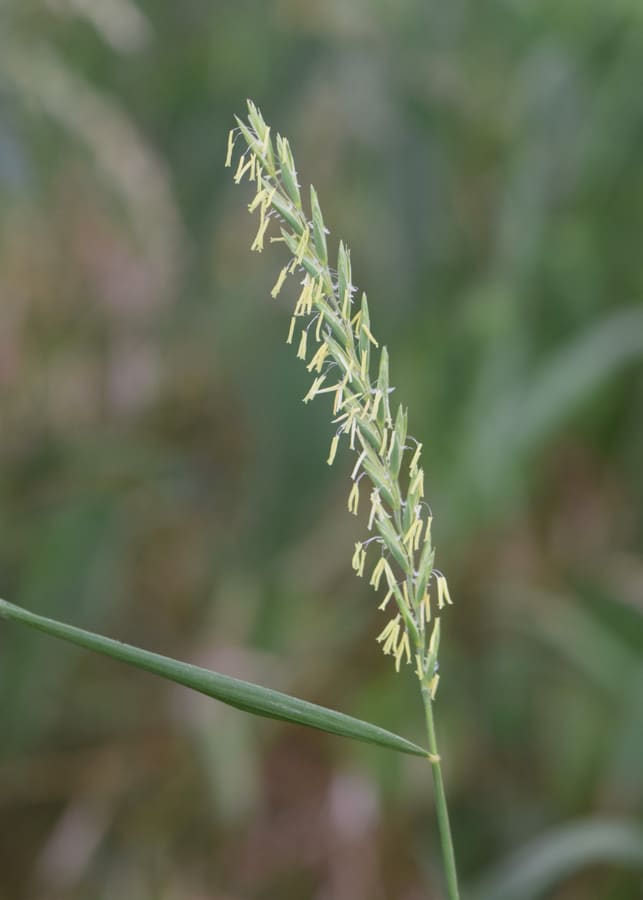 Couch Grass (Elymus repens)
Couch grass is a vigorous perennial growing to 32 inches with a long, creeping rhizome, slender leaves, and erect spikes bearing green flowers aligned in two rows. Found in Europe, the Americas, northern Asia, and Australia, it is an invasive weed harvested throughout the year. In classical times, both Dioscorides (40-90 CE) and Pliny (23-79 CE) recommended couch grass root for poor urine flow and kidney stones. The herbalist John Gerard wrote in 1597 that 'Couch-grasse be an unwelcome guest to fields and gardens, yet his physicke virtues do recompense those hurts; for it openeth the stoppings of the liver and reins [ureters] without heat.' In times of famine, the root was roasted and ground as a substitute for coffee and flour.
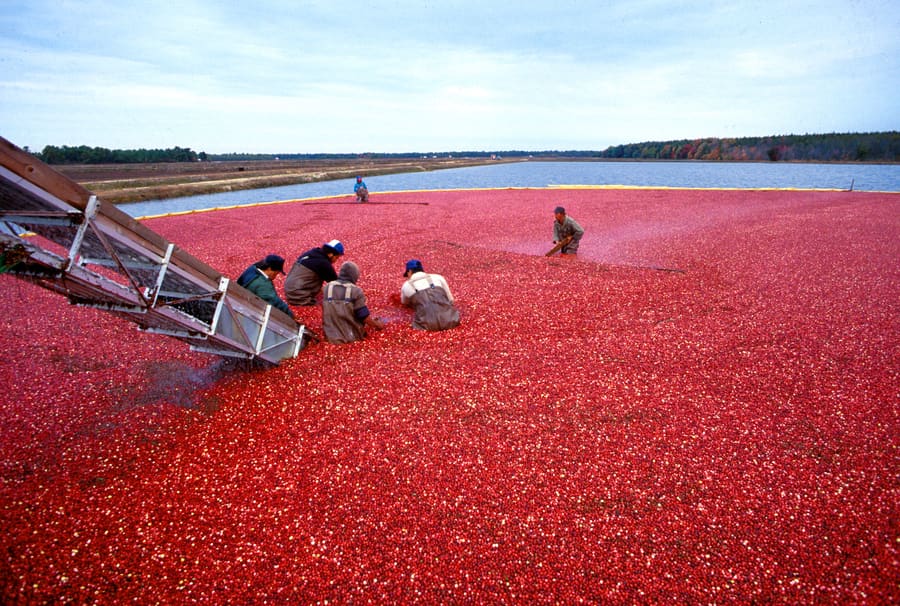 Cranberry (Vaccinium macrocarpon)
Cranberry (Vaccinium macrocarpon) is a small, low-lying evergreen shrub with dark green leaves, pink flowers, and bright red berries. Long valued as a nutritious fruit, cranberries also contain compounds (e.g., proanthocyanidins) that help prevent certain bacteria like E. coli from adhering to the walls of the urinary tract. As a result, cranberry juice or extracts are widely used to prevent and manage urinary tract infections (UTIs). It also provides antioxidants and vitamin C.
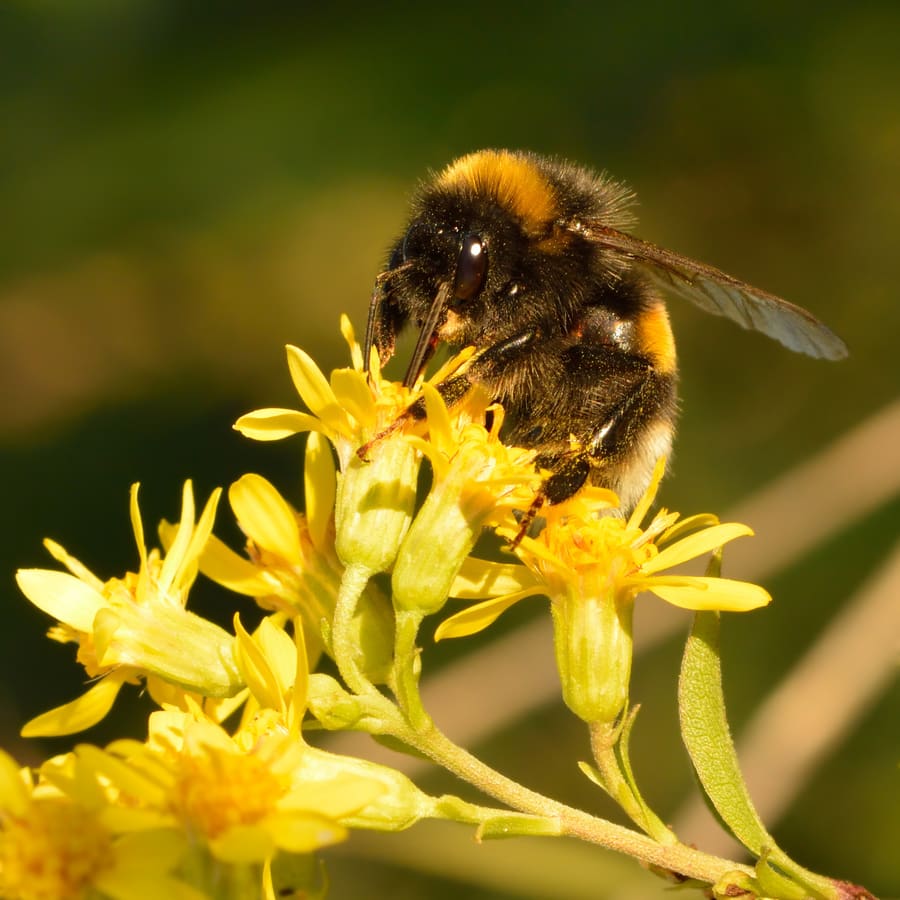 Goldenrod (Solidago virgaurea)
Goldenrod is a perennial plant growing to 28 inches with toothed leaves and branched spikes of golden-yellow flowers. Native to Europe and Asia and naturalized in North America, it prefers open areas and hillsides and is gathered in summer while in flower. The herbalist John Gerard commented wryly in 1597 about how goldenrod's value plummeted once it was discovered growing locally in Hampstead wood, London, noting society's tendency to esteem things only while they remain rare and foreign. Four hundred years later, this observation still rings true, though the herb's genuine therapeutic value remains unchanged.
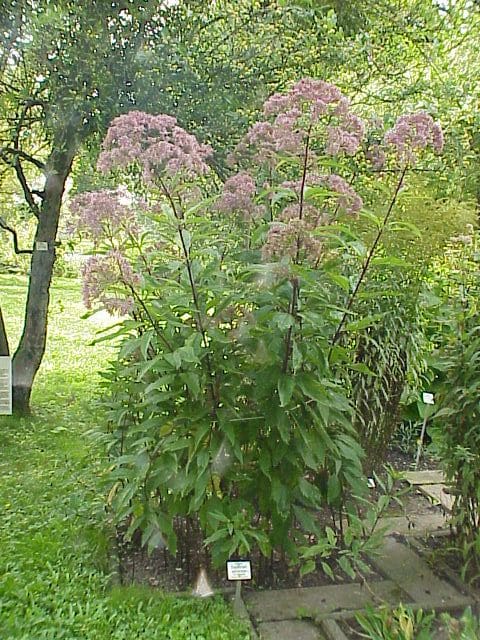 Gravel Root (Eupatorium purpureum)
Gravel root is an erect perennial growing to 5 feet with whorls of pointed oblong leaves and clusters of purple-pink florets. Native to eastern North America, the root is unearthed in autumn. The plant's alternative name, Joe Pye weed, honors the Native American said to have used it to cure New Englanders of typhus. Native Americans valued the herb as a diuretic and remedy for genitourinary conditions, and the root was listed in the Pharmacopoeia of the United States from 1820 to 1842, attesting to its recognized medicinal importance.
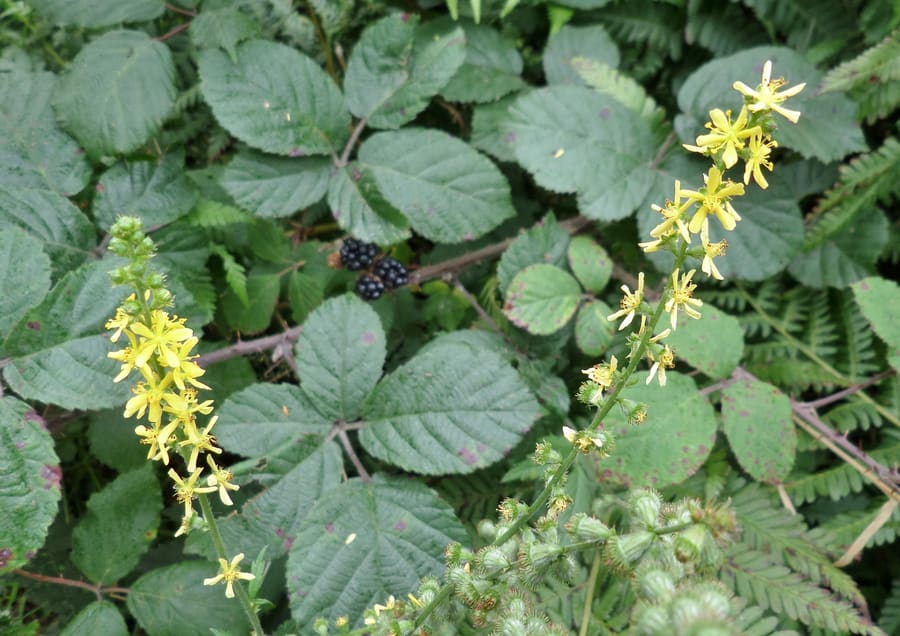 Agrimony (agrimonia eupatoria)
Agrimony is an erect, slightly aromatic perennial that grows to around 3 ft (1 m). It has paired leaves that are green above and silvery-green beneath, and it bears small, bright yellow, five-petaled flowers arranged on slender spikes. Historically, it has been noted for helping with urinary issues, diarrhea, and emotional tension.
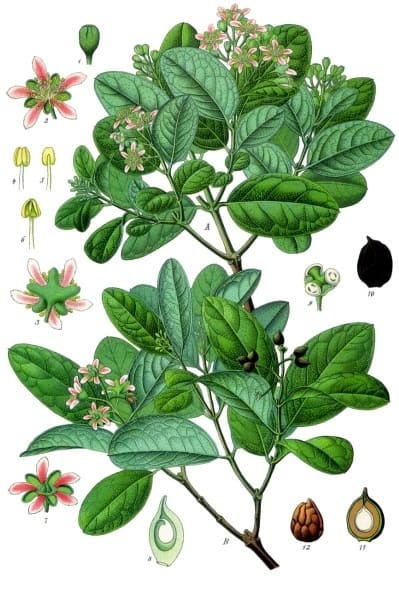 Boldo (Peumus boldus)Not for self-dosing
Boldo is a strongly aromatic multi-branched evergreen shrub or tree growing to 20 feet. It has egg-shaped leathery leaves with a lemony scent, clusters of white or yellow bell-shaped flowers, and small yellow berries. Native to Chile and Peru, it has become naturalized in the Mediterranean region and the West Coast of North America, where it grows on dry sunny slopes and in mountain pastures in the Andes. It is widely cultivated, and its leaves are gathered throughout the year. Boldo is a valued remedy in Latin American herbal medicine and is used by the Araucanian people in Chile as a tonic.
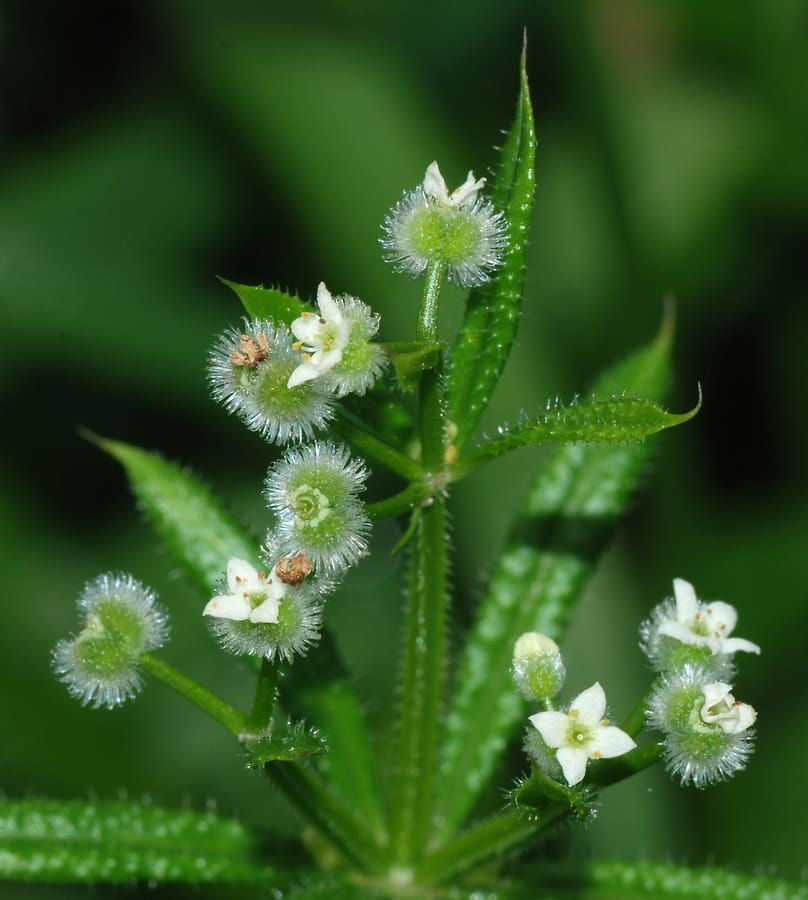 Cleavers (Galium aparine)
Cleavers is a straggling, square-stemmed annual growing to 4 feet with whorls of lance-shaped leaves, clusters of small white flowers, and small round green fruits covered with hooked prickles. The name refers to the plant's ability to cling (or cleave) to fur or clothing. Common throughout Europe and North America and found in many other temperate regions including Australia, it grows prolifically in gardens and along roadsides. The Greek physician Dioscorides in the 1st century CE considered it useful for countering weariness and noted that shepherds used the stems to make sieves for straining milk.