
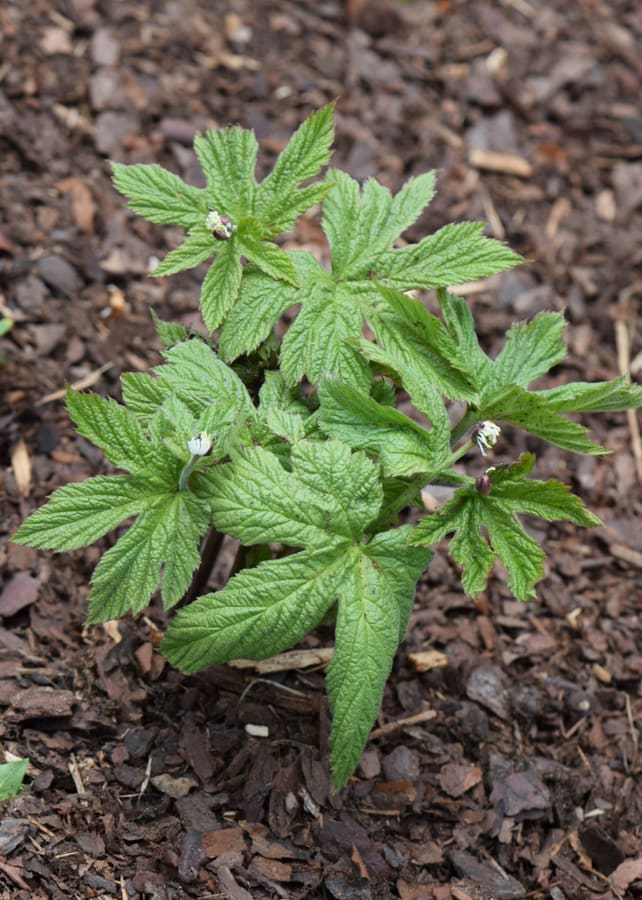
Goldenseal (Hydrastis canadensis)
Photo: Krzysztof Ziarnek, Kenraiz · CC BY-SA 4.0
- Respiratory
- 2 conditions
- Licensed photo
Overview
Goldenseal (Hydrastis canadensis) is a low-growing North American perennial, recognized by its thick yellow root and a short erect stem up to about 1 ft (30 cm). Renowned in the 19th century as a panacea, it is now valued for its potent antibacterial action, particularly on mucous membranes in the respiratory, digestive, and urinary tracts.
Traditional uses & properties
Antibacterial & Astringent: Acts on mucous membranes of eyes, gums, nasal passages, intestines, and vagina. Digestive Tonic & Bitter: Increases digestive secretions, helps counter diarrhea (especially giardia), but should not be taken long-term. Post-Infection Remedy: Supports convalescence from respiratory or urinary infections, especially where lingering mucus is present. Topical Applications: Useful as a wash for sore eyes, canker sores, and as a lotion for wound healing.
Traditional preparations
Traditional texts describe the preparations below, and where those texts give specific amounts, the amounts are quoted here as part of that record. This is a record of historical practice, not a dosage recommendation - the figures are what the sources say, not what HerbMate tells you to take. Amounts, potency, and safe use vary enormously by preparation, plant part, and person.
Make a tincture and take 20 drops with water 3 times a day.
Make a decoction and gargle 2 tbsp 3-4 times a day
Safety & precautions
Short-Term Use: Typically limited to no more than 2 weeks as a single herb due to its drying effect and potential interference with B-vitamin absorption. Pregnancy: Stimulates the uterus - should only be used under professional supervision. High Blood Pressure: Not recommended if you already have elevated blood pressure. Children: Avoid giving it to young children.
Drug & food interactions
- Food
- No interactions found.
- Chlorzoxazone
- Goldenseal did not affect chlorzoxazone metabolism in one study. In a study in 12 healthy subjects, a goldenseal supplement 900 mg three times daily taken for 28 days had no significant effects on the metabolism of a single oral dose of chlorzoxazone 250 mg. The supplement used had no standardisation information.
- Paclitaxel
- The interaction between goldenseal and paclitaxel is based on experimental evidence only.
- Diclofenac
- The interaction between goldenseal and diclofenac is based on experimental evidence only.
- Indinavir
- Goldenseal does not appear to affect the pharmacokinetics of indinavir. In a study in 10 healthy subjects, goldenseal root (Nature’s Way) 1.14 g twice daily for 2 weeks did not alter the mean peak plasma level, half-life or oral clearance of a single 800-mg dose of indinavir. Eight of the subjects had less than a 20% increase or decrease in oral clearance, but one subject had a 46% increase and one a 46% decrease.
- Digoxin
- Goldenseal has only very small effects on the pharmacokinetics of digoxin. A study in 20 healthy subjects given a single 500-microgram dose of digoxin before and on the last day of treatment with standardised goldenseal root extract 1070 mg three times daily for 14 days, found a 14% increase in the maximum digoxin plasma levels, but no other changes in the pharmacokinetics of digoxin. The product gave an estimated daily dose of berberine of about 77 mg and of hydrastine of about 132 mg
- Tolbutamide
- The interaction between goldenseal and tolbutamide is based on experimental evidence only.
- Caffeine
- Goldenseal did not affect caffeine metabolism in one study. A study in 12 healthy subjects found that a goldenseal supplement 900 mg three times daily taken for 28 days had no significant effects on the metabolism of a single 100-mg oral dose of caffeine. The supplement used had no standardisation information.
- Herbal medicines
- No interactions found.
- Benzodiazepines
- Goldenseal appears to modestly decrease the metabolism of midazolam. A study in 12 healthy subjects investigated the effects of goldenseal 900 mg three times daily taken for 28 days on a single 8-mg dose of oral midazolam. Goldenseal reduced the metabolism of midazolam to hydroxymidazolam by about 40%. The supplement used had no standardisation information. Similarly, in a study in 16 healthy subjects given a single 8-mg dose of midazolam after goldenseal 1323 mg three times daily for 14 days, there was a significant increase in the maximum concentration and AUC of midazolam of 41% and 62%, respectively, and a reduction in the clearance of about 36%. These increases were considered moderate when compared with the effects of clarithromycin and rifampicin in the study, which produced a 448% increase and 93% decrease in the AUC of midazolam, respectively. The goldenseal product used gave an estimated daily dose of berberine of about 77 mg and of hydrastine of 132 mg.
- Interactions
- Goldenseal appears to modestly decrease the metabolism of midazolam, but has no significant effects on the pharmacokinetics of indinavir or digoxin. Goldenseal does not appear to affect the metabolism of caffeine or chlorzoxazone. The interaction between goldenseal and diclofenac, paclitaxel or tolbutamide is based on experimental evidence only.
These entries keep the wording of the reference they come from, and three phrases mean three different things. "No interactions found" means the source looked for reports of that pairing and found none. "No data found" means nothing has been published either way. "Based on experimental evidence only" means the effect has been seen in a laboratory or animal study but not in people - a reason for caution, not a report of harm.
Habitat
Native to moist, mountainous woodlands of eastern North America, goldenseal has become rare due to overharvesting. Listed as endangered since 1997, it should only be sourced from cultivated stock. It’s propagated by root division; the 3-year-old rhizomes are dug up in autumn and dried.
Traditionally used for
Each condition shows its first 2 remedies free. Premium opens the full remedy list for every condition - or come back for the free Condition of the Day.
Frequently asked questions
What is Goldenseal (Hydrastis canadensis) traditionally used for?
Traditional sources describe Goldenseal (Hydrastis canadensis) as follows: Antibacterial & Astringent: Acts on mucous membranes of eyes, gums, nasal passages, intestines, and vagina. Digestive Tonic & Bitter: Increases digestive secretions, helps counter diarrhea (especially giardia), but should not be taken long-term. Post-Infection Remedy: Supports convalescence from respiratory or urinary infections, especially where lingering mucus is present. Topical Applications: Useful as a wash for sore eyes, canker sores, and as a lotion for wound healing.
How is Goldenseal (Hydrastis canadensis) prepared?
Traditional texts describe the preparations below, and where those texts give specific amounts, the amounts are quoted here as part of that record. This is a record of historical practice, not a dosage recommendation - the figures are what the sources say, not what HerbMate tells you to take. Amounts, potency, and safe use vary enormously by preparation, plant part, and person. Sinus Infection: Make a tincture and take 20 drops with water 3 times a day. Tonsillitis: Make a decoction and gargle 2 tbsp 3-4 times a day
What safety cautions apply to Goldenseal (Hydrastis canadensis)?
Short-Term Use: Typically limited to no more than 2 weeks as a single herb due to its drying effect and potential interference with B-vitamin absorption. Pregnancy: Stimulates the uterus - should only be used under professional supervision. High Blood Pressure: Not recommended if you already have elevated blood pressure. Children: Avoid giving it to young children.
Related herbs
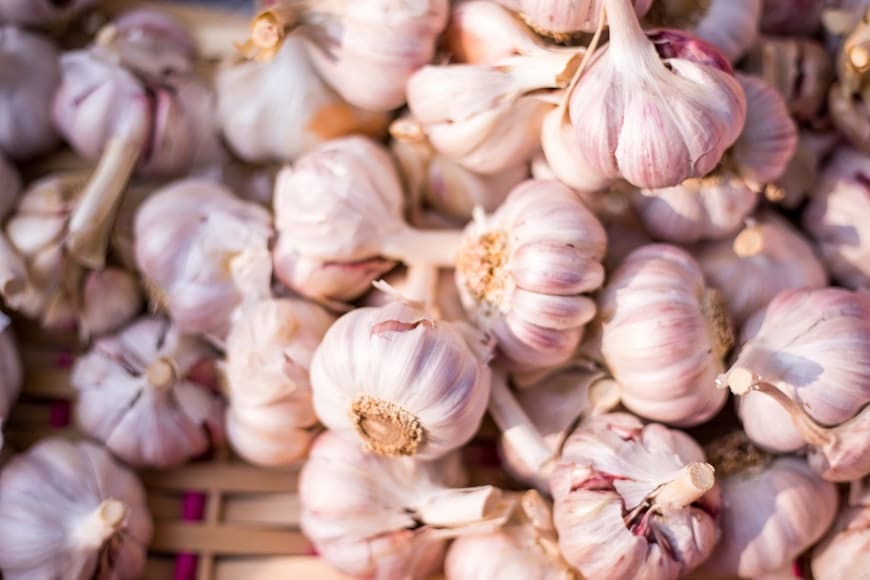 Garlic (Allium sativum)
Garlic (Allium sativum) is a bulbous perennial in the onion family, recognized for its sharp flavor and characteristic odor. Highly valued for both culinary and medicinal purposes, crushed fresh garlic contains allicin, which has potent antibiotic, antifungal, and antiviral properties. Regular garlic intake supports immunity, respiratory health, and circulatory function.
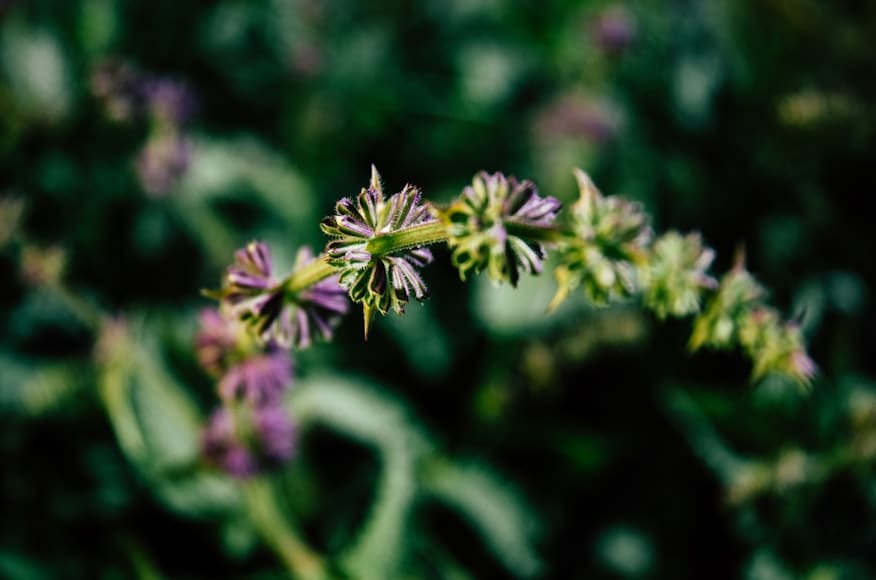 Gentian (Gentiana lutea)
Gentian (Gentiana lutea) is a robust, upright perennial growing to about 4 ft (1.2 m), with bright yellow, star-shaped flowers and oval leaves. Known for its exceptionally bitter constituents (particularly gentiopicroside and amarogentin), gentian has long been a key ingredient in aperitifs and digestifs, stimulating gastric juices and improving the efficiency of the digestive tract.
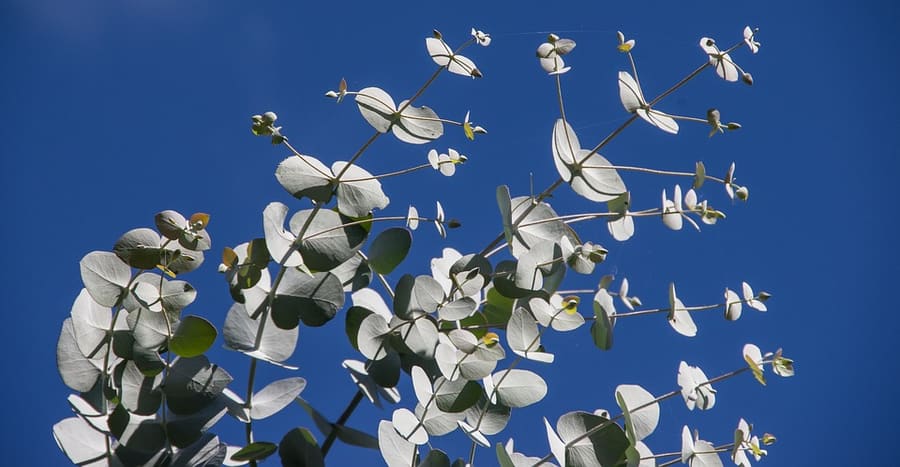 Eucalyptus (Eucalyptus globulus)
Eucalyptus, a traditional Aboriginal remedy, is a powerful antiseptic used all over the world for relieving coughs and colds, sore throats, and other infections. It is warming and stimulating, and for many people its scent conjures up days spent in bed during childhood with eucalyptus and other oils smothered on the chest. Eucalpytus is a common ingredient in many over-the-counter cold remedies.
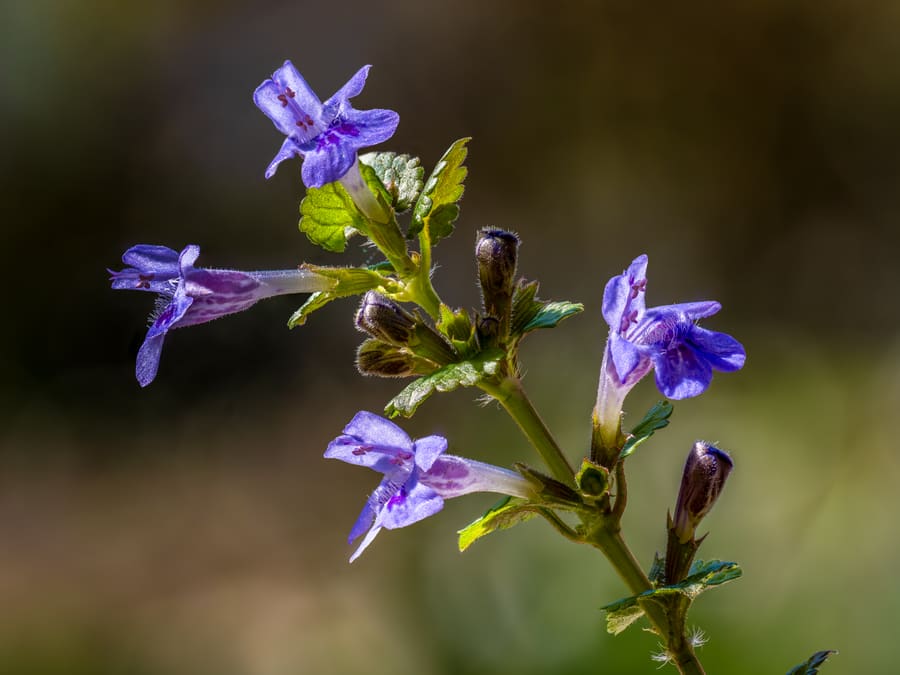 Ground Ivy (Glechoma hederacea)
Ground ivy (Glechoma hederacea), sometimes called “alehoof,” is a creeping perennial growing to about 6 in (15 cm), with long rooting runners, scallop-edged kidney-shaped leaves, and purple-blue whorled flowers. Mildly bitter and astringent, it has a history of traditional use in respiratory, digestive, and ear-nose-throat complaints.
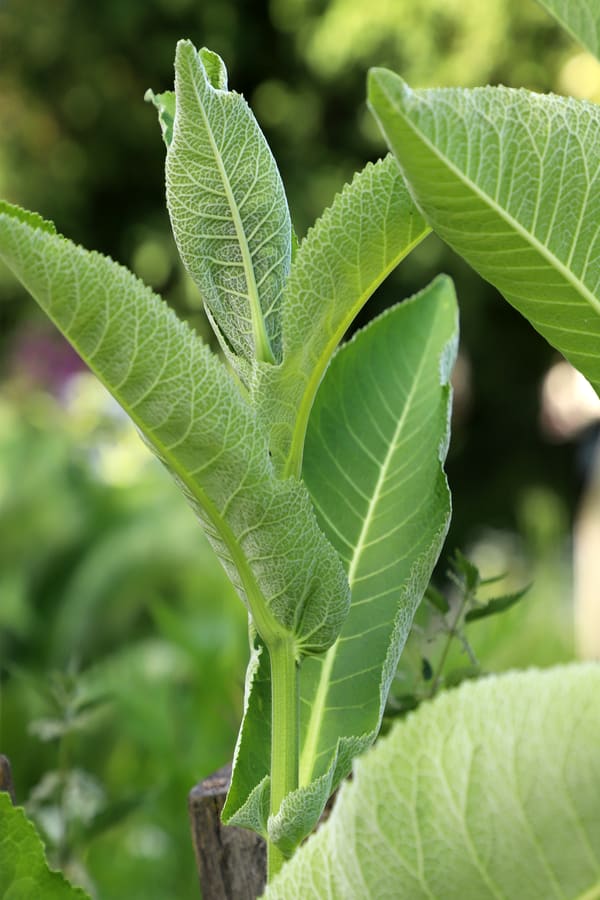 Horseradish (Armoracia rusticana)
Horseradish (Armoracia rusticana) is a robust perennial with a thick, pungent taproot, large crinkled leaves, and clusters of white flowers. Known for its strongly spicy flavor, horseradish stimulates digestion and metabolism of protein. It has mild antibiotic properties and can clear respiratory congestion in conditions such as colds, flu, and sinus issues.
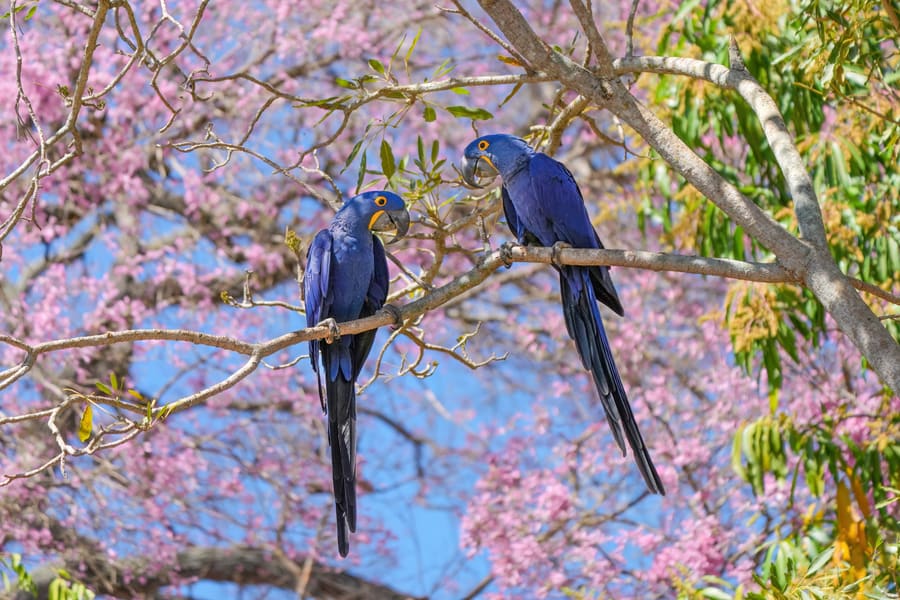 Pau d'Arco (Tabebuia impetiginosa)
Pau d'arco is an evergreen tree that can reach 100 feet in height, producing pink flowers. The bark of this South American tree has been treasured for centuries in traditional medicine for its extensive health benefits. Indigenous peoples including the Incas and the Callawaya valued it as a cure-all. The tree grows in both mountainous terrains high in the Andes and in low-lying areas of Paraguay and Brazil. The prized inner bark is collected from wild-growing trees throughout the year.
- Triphala (Terminalia chebula blend)
Triphala is not a single herb but a traditional Ayurvedic blend of three fruits: haritaki (Terminalia chebula), bibhitaki (Terminalia bellirica), and amalaki or Indian gooseberry (Emblica officinalis). Haritaki has balanced energy with five flavors (bitter, sour, astringent, salty, and sweet), acting as a mild laxative that tones intestinal membranes, lubricates tissues, and relaxes muscle spasms. Bibhitaki is pungent, warming, antispasmodic, and serves as an expectorant and decongestant for respiratory conditions. Amalaki also has balanced energy with five flavors (sour, astringent, sweet, pungent, and bitter), containing small amounts of anthraquinones while being astringent, thus both laxative and bowel-toning, correcting both constipation and diarrhea.