
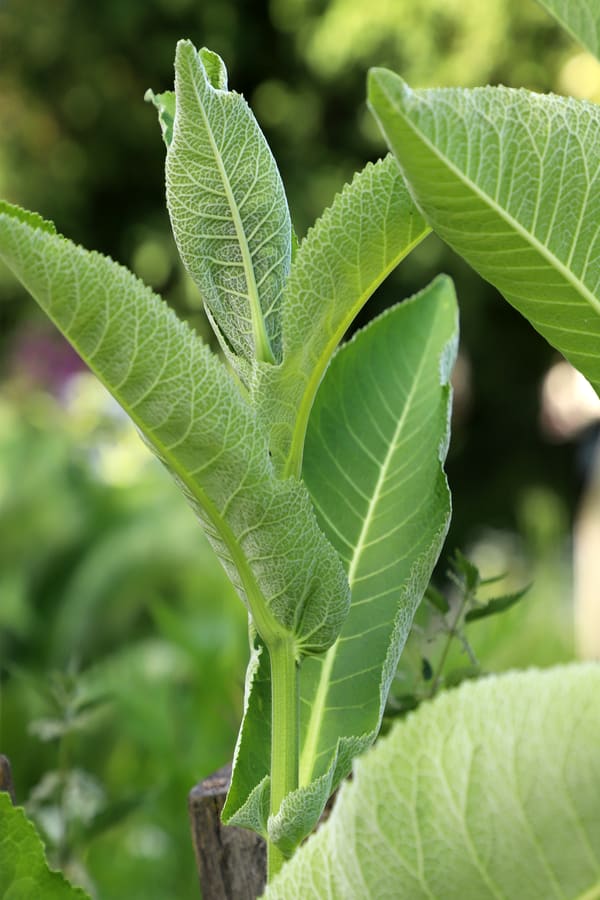
Horseradish (Armoracia rusticana)
Photo: W. Bulach · CC BY-SA 4.0
- Respiratory
- 1 condition
- Licensed photo
Overview
Horseradish (Armoracia rusticana) is a robust perennial with a thick, pungent taproot, large crinkled leaves, and clusters of white flowers. Known for its strongly spicy flavor, horseradish stimulates digestion and metabolism of protein. It has mild antibiotic properties and can clear respiratory congestion in conditions such as colds, flu, and sinus issues.
Traditional uses & properties
Carminative & Digestive Stimulant: Encourages appetite, increases gastric secretions, aids protein breakdown. Decongestant & Expectorant: Helps alleviate sinus congestion, coughs, and chest discomfort. Antimicrobial & Immune-Boosting: Contains compounds that may inhibit bacterial growth and support overall immunity. Traditional Remedy: Commonly taken as a condiment or fresh root to ease hay fever and mild respiratory issues.
Traditional preparations
Traditional texts describe the preparations below, and where those texts give specific amounts, the amounts are quoted here as part of that record. This is a record of historical practice, not a dosage recommendation - the figures are what the sources say, not what HerbMate tells you to take. Amounts, potency, and safe use vary enormously by preparation, plant part, and person.
Fresh root (1:2, 95% alcohol); 1-3 ml (0.2-0.6 tsp.) 2-4 times daily
Peel and grate fresh roots. Horseradish loses potency when dried. Mix with vinegar (prepare this in a well-ventilated area), and refrigerate as a condiment.
Fresh root (1:4, 100% glycerin sealed simmer method); 2.5-10 ml (0.5-2 tsp.) 2-4 times daily
How these are made
Safety & precautions
Excessive Use: May irritate the digestive tract, causing gastric upset. Low Thyroid Function: Avoid if hypothyroidism is present, as it may further tax thyroid function. Skin Sensitivity: Poultices can blister if applied too long or on sensitive skin.
Drug & food interactions
Interaction data is not available for this herb - talk to a pharmacist before combining it with any medication. A blank entry here means we have not documented interactions, not that none exist.
Habitat
Native to Europe and western Asia, horseradish is now widely cultivated for its root. It thrives in moderate climates and well-drained soil. The root is typically harvested in autumn.
Traditionally used for
Each condition shows its first 2 remedies free. Premium opens the full remedy list for every condition - or come back for the free Condition of the Day.
Frequently asked questions
What is Horseradish (Armoracia rusticana) traditionally used for?
Traditional sources describe Horseradish (Armoracia rusticana) as follows: Carminative & Digestive Stimulant: Encourages appetite, increases gastric secretions, aids protein breakdown. Decongestant & Expectorant: Helps alleviate sinus congestion, coughs, and chest discomfort. Antimicrobial & Immune-Boosting: Contains compounds that may inhibit bacterial growth and support overall immunity. Traditional Remedy: Commonly taken as a condiment or fresh root to ease hay fever and mild respiratory issues.
How is Horseradish (Armoracia rusticana) prepared?
Traditional texts describe the preparations below, and where those texts give specific amounts, the amounts are quoted here as part of that record. This is a record of historical practice, not a dosage recommendation - the figures are what the sources say, not what HerbMate tells you to take. Amounts, potency, and safe use vary enormously by preparation, plant part, and person. TINCTURE: Fresh root (1:2, 95% alcohol); 1-3 ml (0.2-0.6 tsp.) 2-4 times daily FRESH HERB: Peel and grate fresh roots. Horseradish loses potency when dried. Mix with vinegar (prepare this in a well-ventilated area), and refrigerate as a condiment. GLYCERITE: Fresh root (1:4, 100% glycerin sealed simmer method); 2.5-10 ml (0.5-2 tsp.) 2-4 times daily
What safety cautions apply to Horseradish (Armoracia rusticana)?
Excessive Use: May irritate the digestive tract, causing gastric upset. Low Thyroid Function: Avoid if hypothyroidism is present, as it may further tax thyroid function. Skin Sensitivity: Poultices can blister if applied too long or on sensitive skin.
Related herbs
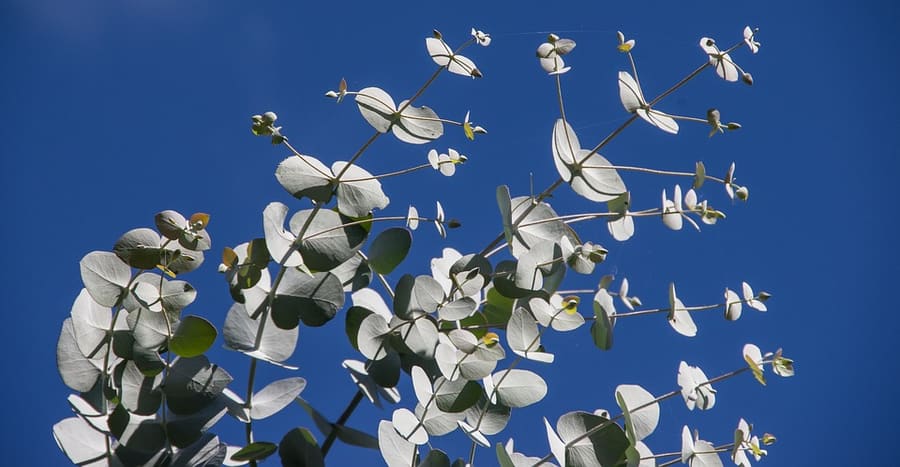 Eucalyptus (Eucalyptus globulus)
Eucalyptus, a traditional Aboriginal remedy, is a powerful antiseptic used all over the world for relieving coughs and colds, sore throats, and other infections. It is warming and stimulating, and for many people its scent conjures up days spent in bed during childhood with eucalyptus and other oils smothered on the chest. Eucalpytus is a common ingredient in many over-the-counter cold remedies.
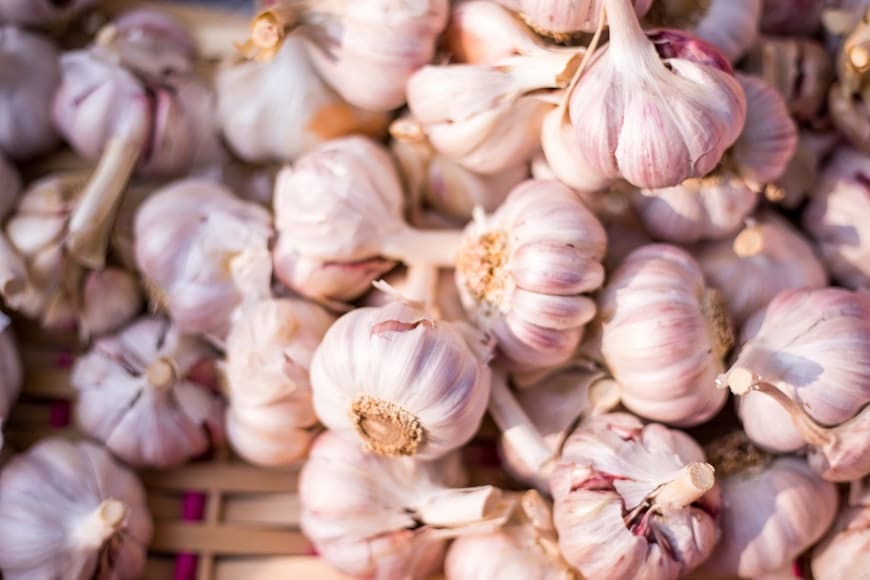 Garlic (Allium sativum)
Garlic (Allium sativum) is a bulbous perennial in the onion family, recognized for its sharp flavor and characteristic odor. Highly valued for both culinary and medicinal purposes, crushed fresh garlic contains allicin, which has potent antibiotic, antifungal, and antiviral properties. Regular garlic intake supports immunity, respiratory health, and circulatory function.
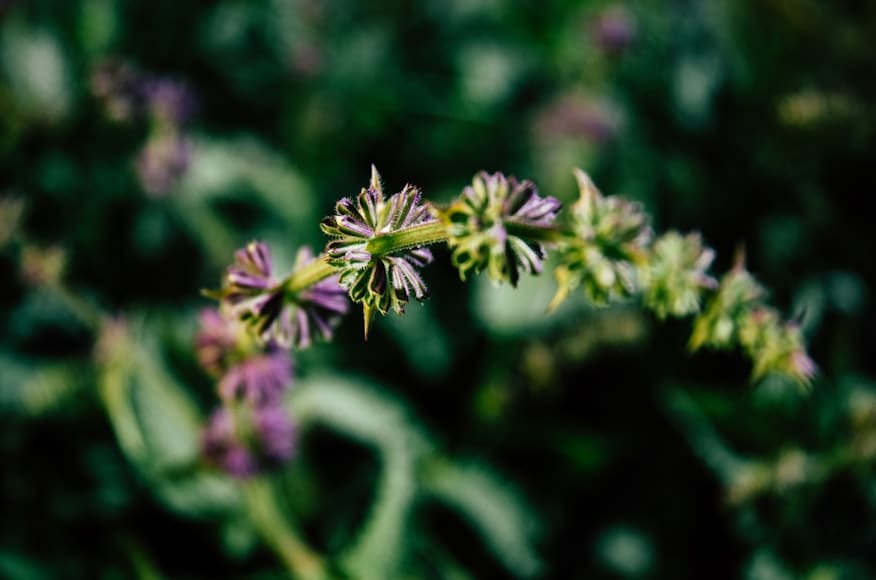 Gentian (Gentiana lutea)
Gentian (Gentiana lutea) is a robust, upright perennial growing to about 4 ft (1.2 m), with bright yellow, star-shaped flowers and oval leaves. Known for its exceptionally bitter constituents (particularly gentiopicroside and amarogentin), gentian has long been a key ingredient in aperitifs and digestifs, stimulating gastric juices and improving the efficiency of the digestive tract.
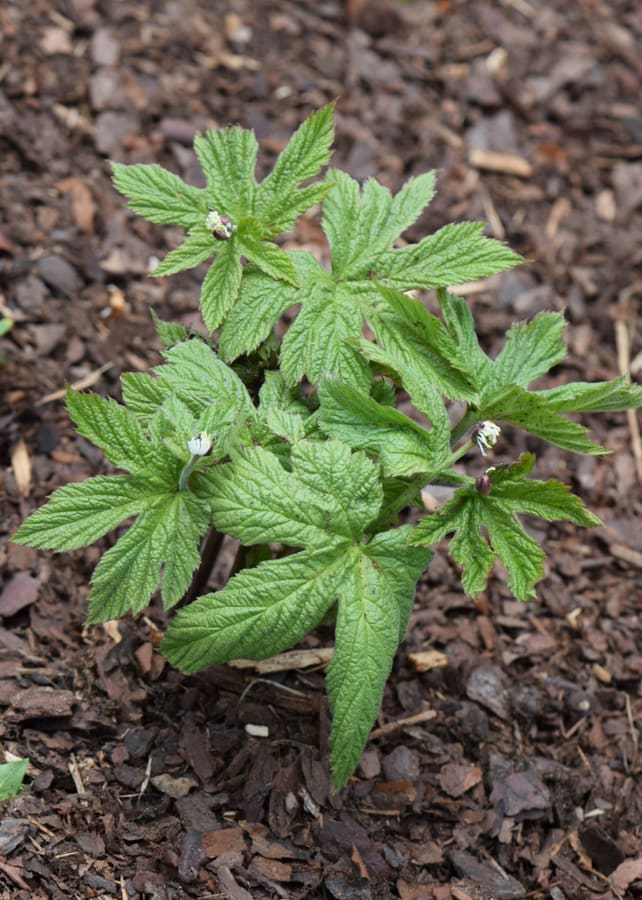 Goldenseal (Hydrastis canadensis)
Goldenseal (Hydrastis canadensis) is a low-growing North American perennial, recognized by its thick yellow root and a short erect stem up to about 1 ft (30 cm). Renowned in the 19th century as a panacea, it is now valued for its potent antibacterial action, particularly on mucous membranes in the respiratory, digestive, and urinary tracts.
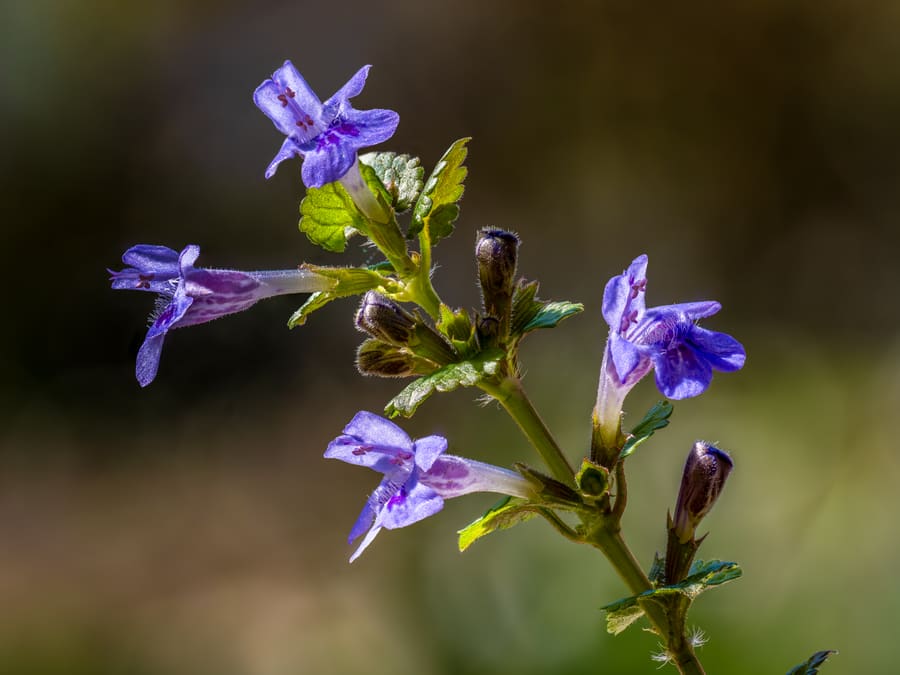 Ground Ivy (Glechoma hederacea)
Ground ivy (Glechoma hederacea), sometimes called “alehoof,” is a creeping perennial growing to about 6 in (15 cm), with long rooting runners, scallop-edged kidney-shaped leaves, and purple-blue whorled flowers. Mildly bitter and astringent, it has a history of traditional use in respiratory, digestive, and ear-nose-throat complaints.
 Pau d'Arco (Tabebuia impetiginosa)
Pau d'arco is an evergreen tree that can reach 100 feet in height, producing pink flowers. The bark of this South American tree has been treasured for centuries in traditional medicine for its extensive health benefits. Indigenous peoples including the Incas and the Callawaya valued it as a cure-all. The tree grows in both mountainous terrains high in the Andes and in low-lying areas of Paraguay and Brazil. The prized inner bark is collected from wild-growing trees throughout the year.
- Triphala (Terminalia chebula blend)
Triphala is not a single herb but a traditional Ayurvedic blend of three fruits: haritaki (Terminalia chebula), bibhitaki (Terminalia bellirica), and amalaki or Indian gooseberry (Emblica officinalis). Haritaki has balanced energy with five flavors (bitter, sour, astringent, salty, and sweet), acting as a mild laxative that tones intestinal membranes, lubricates tissues, and relaxes muscle spasms. Bibhitaki is pungent, warming, antispasmodic, and serves as an expectorant and decongestant for respiratory conditions. Amalaki also has balanced energy with five flavors (sour, astringent, sweet, pungent, and bitter), containing small amounts of anthraquinones while being astringent, thus both laxative and bowel-toning, correcting both constipation and diarrhea.