
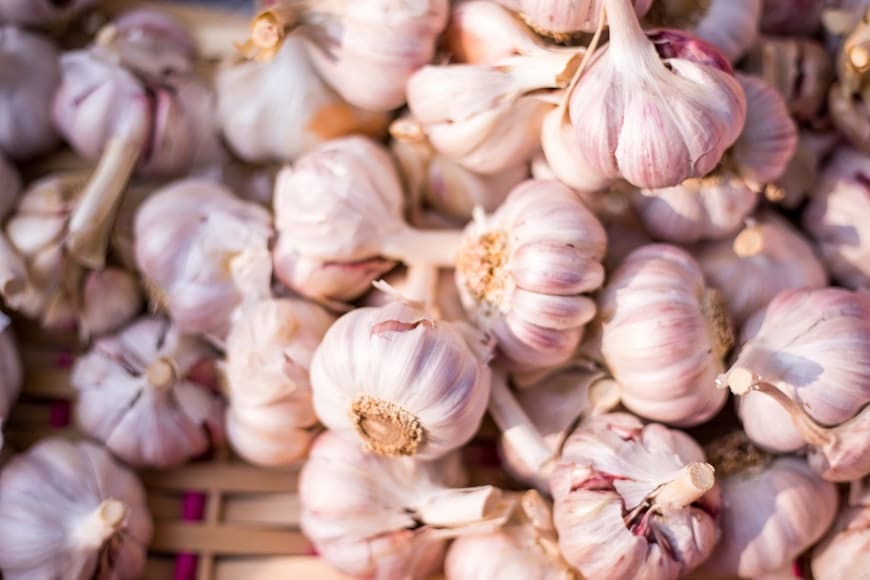
Garlic (Allium sativum)
Photo: Unsplash
- Circulatory
- 8 conditions
- Licensed photo
Overview
Garlic (Allium sativum) is a bulbous perennial in the onion family, recognized for its sharp flavor and characteristic odor. Highly valued for both culinary and medicinal purposes, crushed fresh garlic contains allicin, which has potent antibiotic, antifungal, and antiviral properties. Regular garlic intake supports immunity, respiratory health, and circulatory function.
Traditional uses & properties
Antibiotic & Expectorant: Supports respiratory tract infections, colds, flu, and bronchitis. Cardiovascular Tonic: Helps lower blood pressure, reduce LDL cholesterol, and prevent blood clots. Worm Expellent (Anthelminthic): Can help clear certain intestinal parasites. Anti-Diabetic & Immune Booster: Useful in type 2 diabetes management and strengthening overall immunity.
Traditional preparations
Traditional texts describe the preparations below, and where those texts give specific amounts, the amounts are quoted here as part of that record. This is a record of historical practice, not a dosage recommendation - the figures are what the sources say, not what HerbMate tells you to take. Amounts, potency, and safe use vary enormously by preparation, plant part, and person.
Use chopped cloves regularly in cooking. Alternatively eat 1-2 fresh garlic cloves each day.
Crush a medium-sized garlic clove, grate a similarly sized piece of fresh ginger, and squeeze the juice from 1 lemon. Mix together with 1 tsp of honey. Add 3/4 cup (150 ml) of warm water and stir. Drink up to 1 2/3 cups (450 ml) a day while symptoms last.
Break open a garlic oil capsule, place 2 drops on a cotton ball, and plug into the affected ear. Alternatively, crush a large clove of garlic and soak in 1 tbsp of sunflower or olive oil for at least 24 hours. Strain the oil and warm it to body temperature. Then place 2 drops on a cotton ball and plug into the ear.
For bronchitis, take 2 x 100 mg capsules of garlic 3 times a day.
Safety & precautions
Digestive Irritation: Can provoke gastric upset; take with meals if sensitive. Blood-Thinning: Consult a healthcare professional if you use blood-thinning medication or have a bleeding disorder. Emaciation/Weakness: Not advised for those who are severely debilitated. Children Under 12: Seek professional advice before administering medicinal doses.
Drug & food interactions
Case reports suggest that garlic may have additive blood pressure-lowering effects with lisinopril, and may cause bleeding in those taking warfarin or fluindione. It has also been suggested that any antiplatelet effects of garlic may be additive with conventional antiplatelet drugs and NSAIDs, and studies suggest that garlic may reduce isoniazid levels. However, no interaction has been proven with any of these drugs. In general, garlic seems to have no effect, or have only clinically irrelevant effects when it is given with alcohol, benzodiazepines (such as midazolam), caffeine, chlorzoxazone, dextromethorphan, docetaxel, gentamicin, paracetamol (acetaminophen), rifampicin (rifampin) or ritonavir. Any interaction between garlic and fish oils may be beneficial. One study suggested that a high-fat diet did not affect the absorption of some of the active constituents of garlic oil.
- Protease inhibitors
- A garlic supplement reduced the plasma levels of saquinavir in one study, but had little effect in another. Another garlic supplement did not significantly affect the pharmacokinetics of a single dose of ritonavir. In a study in 9 healthy subjects garlic reduced the AUC and maximum and minimum plasma levels of saquinavir by about 50%. The garlic was taken in the form of a dietary supplement (GarliPure, Maximum Allicin Formula caplets) twice daily for 20 days. Saquinavir 1.2 g three times daily was given for 4-day periods before, during and after the garlic supplement. Fourteen days after the garlic supplement was stopped the saquinavir pharmacokinetics had still not returned to baseline values. Of the 9 subjects, 6 had a substantial drop in the AUC of saquinavir while taking garlic, then a rise when garlic was stopped. The remaining 3 had no change in the AUC of saquinavir while taking garlic, but had a drop when garlic was stopped. However, in another study, garlic extract (Garlipure) 1.2 g daily for 3 weeks had no significant effect on the pharmacokinetics of a single 1.2-g dose of saquinavir (a slight decrease in AUC in 7 subjects and a slight increase in 3). In a study in 10 healthy subjects the use of a garlic extract (10 mg, equivalent to 1 g of fresh garlic) twice daily for 4 days did not significantly affect the pharmacokinetics of a single 400-mg dose of ritonavir. There was a non-significant 17% decrease in the AUC of ritonavir. The garlic was given in the form of capsules (Natural Source Odourless Garlic Life Brand). Gastrointestinal toxicity was noted in 2 patients taking garlic or garlic supplements when they started to take ritonavir-containing regimens.
- ACE inhibitors
- In a single report, a patient taking lisinopril developed marked hypotension and became faint after taking garlic capsules.
- Warfarin and related drugs
- An isolated report described increases in the anticoagulant effects of warfarin in two patients taking garlic supplements. Another report described a decrease in anticoagulant effects of fluindione in a patient taking garlic tablets. Garlic supplements alone have also rarely been associated with bleeding. However, in one study, aged garlic extract did not increase the INR or risk of bleeding in patients taking warfarin.
- Herbal medicines; Fish oil
- Garlic supplements and fish oils may have beneficial effects on blood lipids. In a placebo-controlled study in 46 subjects with moderate, untreated hypercholesterolaemia, combined use of garlic pills 300 mg three times daily (Kwai) and fish oil capsules 4 g three times daily for 12 weeks was compared with either garlic or fish oil alone. Garlic modestly reduced total cholesterol, and fish oil did not alter this effect. Fish oil reduced triacylglycerol levels, and garlic did not alter this effect. Garlic alone reduced low-density-lipoprotein cholesterol, and combined use with fish oil reversed the increase of low-density-lipoprotein cholesterol seen with fish oil alone and produced a reduction similar to that seen with garlic alone. Slight reductions in blood pressure were also reported with all treatments. The fish oil used was 1-g capsules (Nupulse) each containing eicosapentaenoic acid 180mg and docosahexaenoic acid 120 mg.
- Food
- The information regarding the use of garlic with food is based on experimental evidence only.
- Dextromethorphan
- Garlic does not appear to affect the pharmacokinetics of dextromethorphan or debrisoquine. A study in 14 healthy subjects found that Kwai garlic tablets 600 mg twice daily for 14 days did not affect the pharmacokinetics of a single 30-mg dose of dextromethorphan. Garlic oil 500 mg three times daily for 28 days did not affect the metabolism of debrisoquine 5 mg in young or elderly healthy subjects.
- Benzodiazepines
- Garlic does not appear to affect the pharmacokinetics of alprazolam, midazolam or triazolam to a clinically relevant extent. A study in 14 healthy subjects found that Kwai garlic tablets 600 mg twice daily for 14 days did not affect the pharmacokinetics of a single 2-mg dose of alprazolam. Similarly, garlic oil 500 mg three times daily for 28 days did not affect the metabolism of midazolam 8 mg in young or elderly healthy subjects.
- Antiplatelet drugs
- Garlic may have antiplatelet properties. It might therefore be expected to increase the risk of bleeding with conventional antiplatelet drugs and other drugs that have antiplatelet adverse effects. In a study in 23 healthy subjects, liquid aged garlic extract 5mL (Kyolic), given daily for 13 weeks, inhibited both the rate of platelet aggregation and total platelet aggregation. Similar effects were found in another study in 28 healthy subjects given aged garlic extract capsules 2.4 g, 4.8 g and 7.2 g. Each dose was given daily for a 6-week period.
- Gentamicin
- The information regarding the use of garlic with gentamicin is based on experimental evidence only.
- Docetaxel
- Garlic does not appear to affect the pharmacokinetics of intravenous docetaxel. localised, breast cancer were given 1-hour intravenous infusions of docetaxel 30 mg/m2 weekly for 3 weeks (days 1, 8 and 15). Five days after the first infusion, garlic tablets 600mg were taken twice daily for 13 days (days 5 to 17). The garlic tablets used were GarliPure Maximum Allicin Formula, Natrol, containing 3.6mg of allicin per tablet. Patients were also given a premedication regimen of oral dexamethasone 8 mg 12 hours before each docetaxel infusion and then every 12 hours for two more doses, and ondansetron 8 mg, ranitidine 150 mg and diphenhydramine 25 mg half an hour before each infusion of docetaxel. Garlic tablets had no effect on the pharmacokinetics of docetaxel on the second or third week, when compared with the first week (i.e. after 4 and 12 days’ use of garlic).
- Herbal medicines; Caffeine containing
- Garlic did not interact with caffeine and is therefore unlikely to interact with caffeine-containing herbs, as a result of this constituent.
- Chlorzoxazone
- The metabolism of chlorzoxazone is modestly inhibited by garlic but this effect is probably not clinically relevant. Garlic oil 500 mg, given to 12 healthy subjects three times daily for 28 days, reduced the conversion of a single 500-mg dose of chlorzoxazone to 6-hydroxychlorzoxazone by about 40%. In a later similar study by the same authors, in 12 elderly healthy subjects, a smaller reduction of 22% was seen. Another study in 8 healthy subjects found that a high dose of the garlic constituent diallyl sulfide 200 micrograms/kg (equivalent to 15 cloves of fresh garlic, containing 1 mg/g diallyl sulfide), reduced the conversion of chlorzoxazone to 6-hydroxychlorzoxazone by about 30%.
- Alcohol
- The interaction between garlic and alcohol is based on experimental evidence only.
- Isoniazid
- The interaction between garlic and isoniazid is based on experimental evidence only.
- Rifampicin (Rifampin)
- The information regarding the use of garlic with rifampicin is based on experimental evidence only.
- Paracetamol (Acetaminophen)
- Studies in healthy subjects found that garlic did not affect the pharmacokinetics of single-dose paracetamol to a clinically relevant extent. A study in 16 healthy subjects found that the use of an aged garlic extract (approximately equivalent to 6 to 7 cloves of garlic daily) for 3 months had little effect on the metabolism of a single 1-g oral dose of paracetamol.
- Caffeine
- Garlic does not appear to affect the pharmacokinetics of caffeine. Garlic oil 500 mg three times daily for 28 days did not affect the metabolism of a single 100-mg dose of caffeine in young or elderly healthy subjects.
These entries keep the wording of the reference they come from, and three phrases mean three different things. "No interactions found" means the source looked for reports of that pairing and found none. "No data found" means nothing has been published either way. "Based on experimental evidence only" means the effect has been seen in a laboratory or animal study but not in people - a reason for caution, not a report of harm.
Habitat
Probably originating in central Asia, garlic is cultivated worldwide. It is typically propagated by dividing the bulb and planting the individual cloves. Harvest occurs the following summer. Other Allium relatives include onions and wild garlic (ramsons), also used medicinally.
Traditionally used for
- Cholesterol regulation6 herbs · 2 free
- High Blood Pressure11 herbs · 2 free
- Stroke2 herbs
- Ear Infection4 herbs · 2 free
- Bronchitis17 herbs · 2 free
- Sinus infection8 herbs · 2 free
- Tonsillitis3 herbs · 2 free
- Stenosis3 herbs · 2 free
Each condition shows its first 2 remedies free. Premium opens the full remedy list for every condition - or come back for the free Condition of the Day.
Frequently asked questions
What is Garlic (Allium sativum) traditionally used for?
Traditional sources describe Garlic (Allium sativum) as follows: Antibiotic & Expectorant: Supports respiratory tract infections, colds, flu, and bronchitis. Cardiovascular Tonic: Helps lower blood pressure, reduce LDL cholesterol, and prevent blood clots. Worm Expellent (Anthelminthic): Can help clear certain intestinal parasites. Anti-Diabetic & Immune Booster: Useful in type 2 diabetes management and strengthening overall immunity.
How is Garlic (Allium sativum) prepared?
Traditional texts describe the preparations below, and where those texts give specific amounts, the amounts are quoted here as part of that record. This is a record of historical practice, not a dosage recommendation - the figures are what the sources say, not what HerbMate tells you to take. Amounts, potency, and safe use vary enormously by preparation, plant part, and person. Cholesterol Regulation, High Blood Pressure: Use chopped cloves regularly in cooking. Alternatively eat 1-2 fresh garlic cloves each day. Sinus Infection, Tonsillitis: Crush a medium-sized garlic clove, grate a similarly sized piece of fresh ginger, and squeeze the juice from 1 lemon. Mix together with 1 tsp of honey. Add 3/4 cup (150 ml) of warm water and stir. Drink up to 1 2/3 cups (450 ml) a day while symptoms last. Ear Infection: Break open a garlic oil capsule, place 2 drops on a cotton ball, and plug into the affected ear. Alternatively, crush a large clove of garlic and soak in 1 tbsp of sunflower or olive oil for at least 24 hours. Strain the oil and warm it to body temperature. Then place 2 drops on a cotton ball and plug into the ear. Bronchitis: For bronchitis, take 2 x 100 mg capsules of garlic 3 times a day.
What safety cautions apply to Garlic (Allium sativum)?
Digestive Irritation: Can provoke gastric upset; take with meals if sensitive. Blood-Thinning: Consult a healthcare professional if you use blood-thinning medication or have a bleeding disorder. Emaciation/Weakness: Not advised for those who are severely debilitated. Children Under 12: Seek professional advice before administering medicinal doses.
Related herbs
- Triphala (Terminalia chebula blend)
Triphala is not a single herb but a traditional Ayurvedic blend of three fruits: haritaki (Terminalia chebula), bibhitaki (Terminalia bellirica), and amalaki or Indian gooseberry (Emblica officinalis). Haritaki has balanced energy with five flavors (bitter, sour, astringent, salty, and sweet), acting as a mild laxative that tones intestinal membranes, lubricates tissues, and relaxes muscle spasms. Bibhitaki is pungent, warming, antispasmodic, and serves as an expectorant and decongestant for respiratory conditions. Amalaki also has balanced energy with five flavors (sour, astringent, sweet, pungent, and bitter), containing small amounts of anthraquinones while being astringent, thus both laxative and bowel-toning, correcting both constipation and diarrhea.
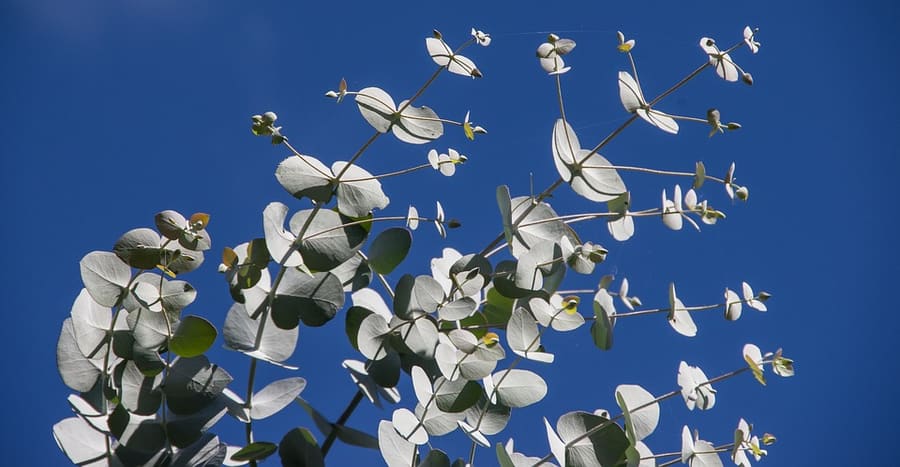 Eucalyptus (Eucalyptus globulus)
Eucalyptus, a traditional Aboriginal remedy, is a powerful antiseptic used all over the world for relieving coughs and colds, sore throats, and other infections. It is warming and stimulating, and for many people its scent conjures up days spent in bed during childhood with eucalyptus and other oils smothered on the chest. Eucalpytus is a common ingredient in many over-the-counter cold remedies.
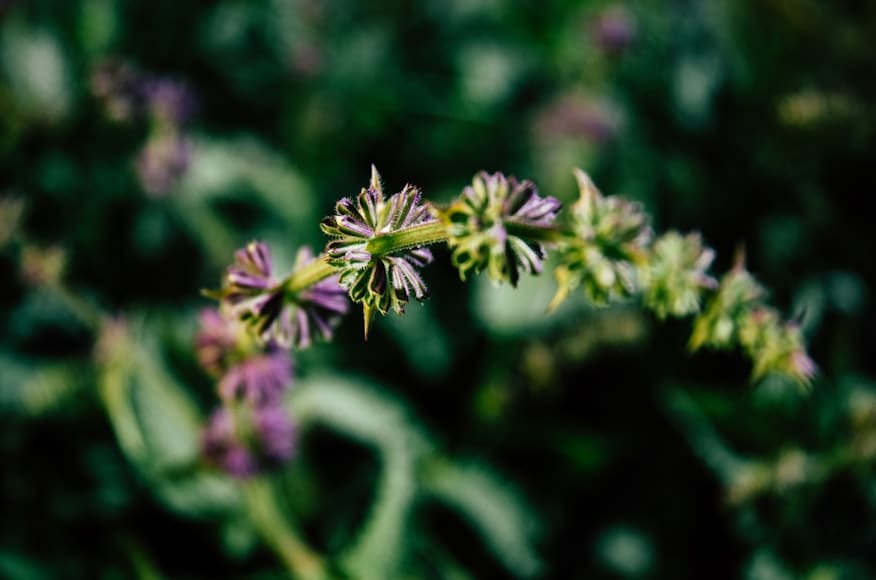 Gentian (Gentiana lutea)
Gentian (Gentiana lutea) is a robust, upright perennial growing to about 4 ft (1.2 m), with bright yellow, star-shaped flowers and oval leaves. Known for its exceptionally bitter constituents (particularly gentiopicroside and amarogentin), gentian has long been a key ingredient in aperitifs and digestifs, stimulating gastric juices and improving the efficiency of the digestive tract.
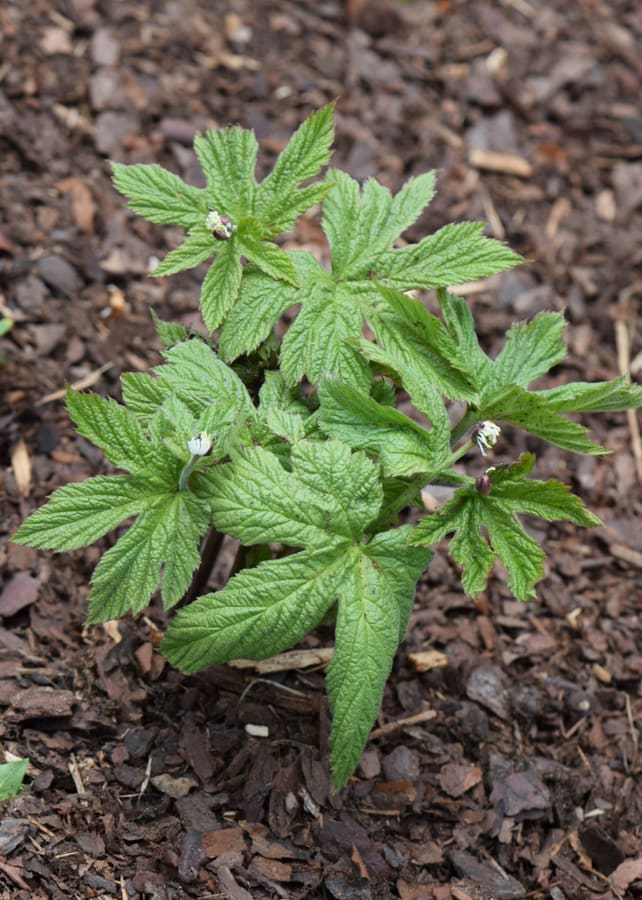 Goldenseal (Hydrastis canadensis)
Goldenseal (Hydrastis canadensis) is a low-growing North American perennial, recognized by its thick yellow root and a short erect stem up to about 1 ft (30 cm). Renowned in the 19th century as a panacea, it is now valued for its potent antibacterial action, particularly on mucous membranes in the respiratory, digestive, and urinary tracts.
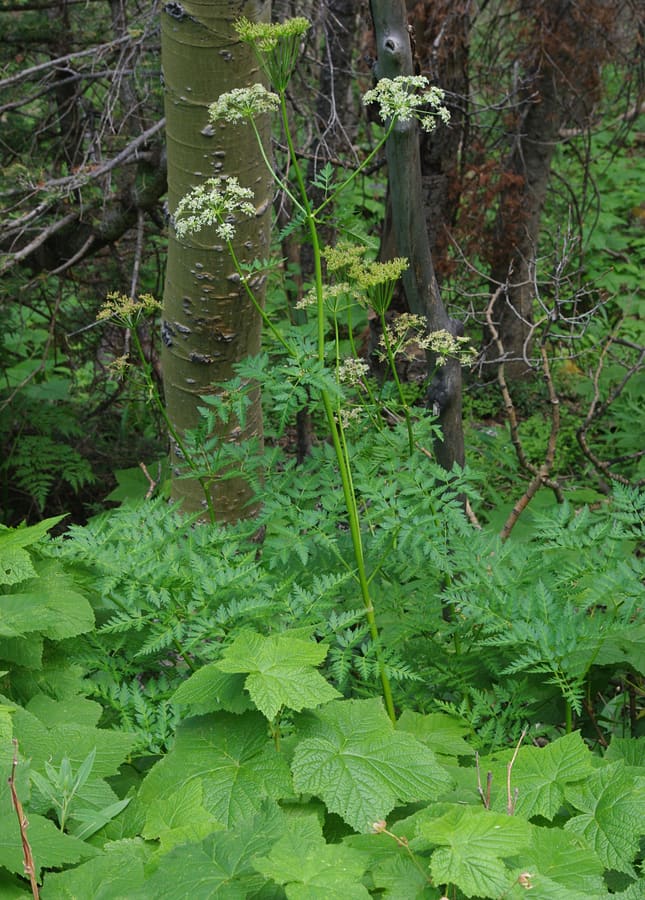 Osha (Ligusticum porteri)
Osha is a powerful respiratory remedy that has been overharvested in the wild and is extremely difficult to cultivate. It is listed on the United Plant Savers at-risk list. The root has been traditionally valued for its ability to stimulate the digestive and immune systems while expelling mucus. Until wild populations stabilize, its use should be limited, with alternatives like pine, grindelia, and ginger recommended as replacements.
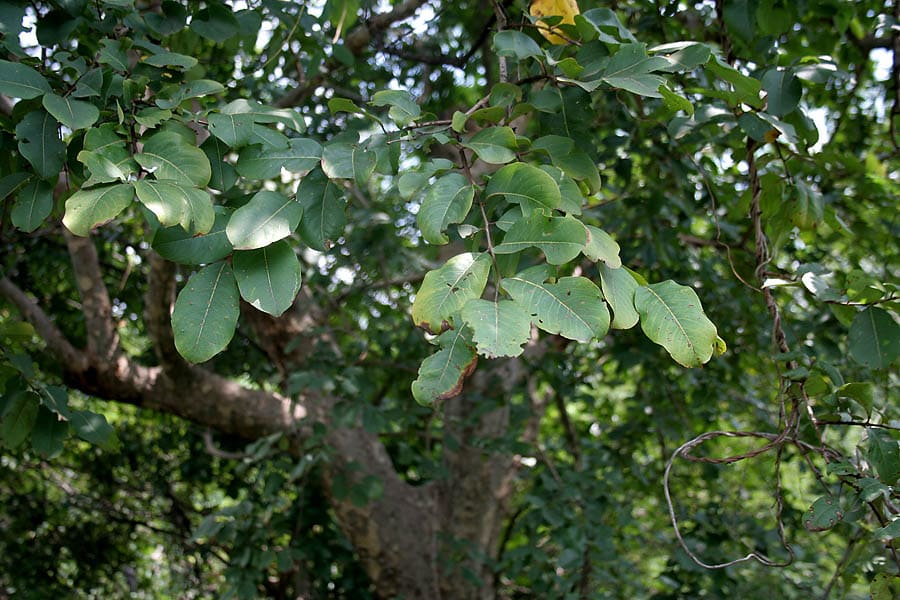 Arjun (Terminalia arjuna)
Arjun is an evergreen tree that can grow up to about 100 ft (30 m) high, bearing pale yellow flowers and cone-shaped leaves. Its bark has a longstanding reputation in Ayurvedic medicine - used for at least 3,000 years - as a primary heart remedy. Traditional texts report its effectiveness in angina, congestive heart failure, and poor coronary circulation, with modern research suggesting it helps reduce blood cholesterol and may stabilize heart rhythms.
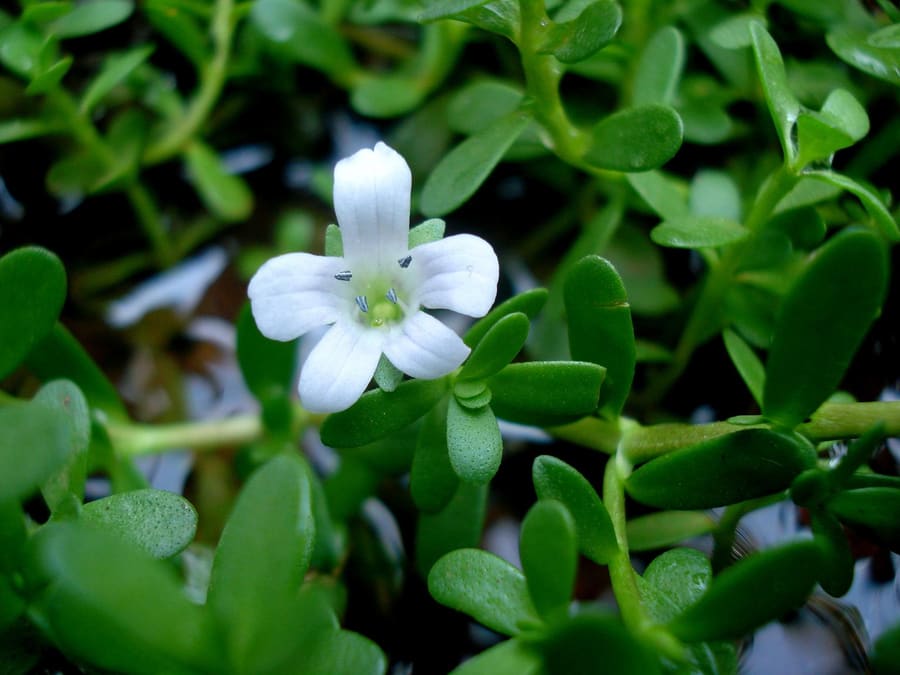 Bacopa (Bacopa monnieri)
Bacopa, also known as Water Hyssop or Brahmi, is a creeping succulent perennial that can grow to about 20 inches. It features spatula-shaped fleshy leaves and pale blue or white flowers on slender stalks. Thriving in marshlands and along the edges of mangrove swamps in warmer temperate and tropical climates - especially southern Asia - it develops into dense mats on mudflats. This herb has been a cornerstone of Ayurvedic medicine for supporting cognitive function and treating various nervous system disorders, and it is increasingly recognized in Western herbalism for its brain-enhancing properties.
 Caraway (Carum carvi)
Caraway is an aromatic annual herb growing to 2 feet with a ridged stem, feathery leaves, and umbels of white flowers in midsummer. Exploding capsules release two small narrow seeds. It grows wild in Europe, North Africa, and Asia, preferring sunny sites up to 6,600 feet above sea level. Cultivated in Europe, Russia, North Africa, and the United States, the seeds are harvested ripe in late summer. Caraway has been valued since ancient times for its digestive and respiratory benefits, and the seeds are commonly used in cooking.