
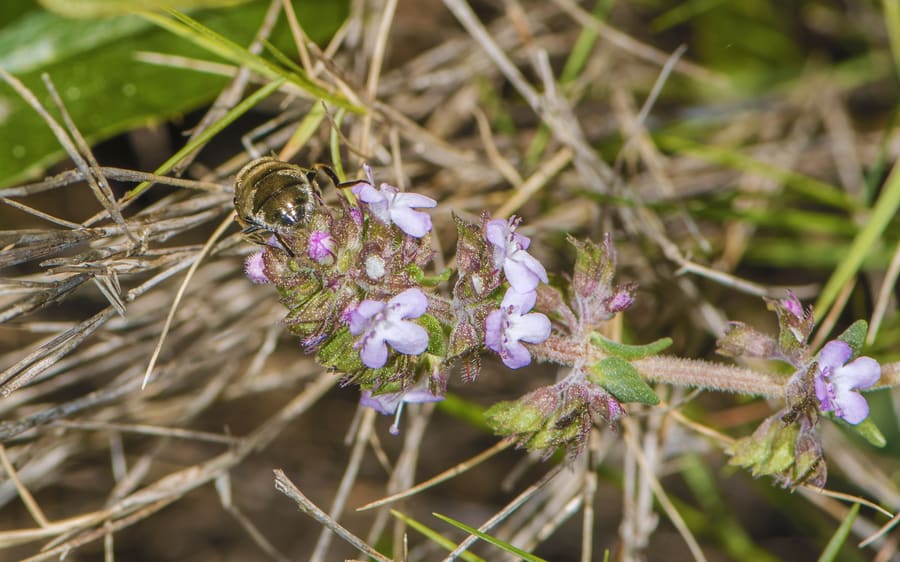
Thyme (Thymus vulgaris)
Photo: Christian Ferrer · CC BY-SA 4.0
- General
- 1 condition
- Licensed photo
Overview
Thyme (Thymus vulgaris) is a low-growing aromatic shrub, about 16 in (40 cm) tall, with woody stems, small elliptic leaves, and pinkish flowers. A classic culinary herb, thyme is also a potent antiseptic, carminative, and expectorant suitable for respiratory and digestive complaints.
Traditional uses & properties
Antibacterial, Antifungal & Antiviral: Thymol and carvacrol combat numerous infections, including gut dysbiosis, H. pylori, and some respiratory pathogens. Expectorant & Decongestant: Relieves bronchitis, coughs, whooping cough, and chest congestion. Aromatic Carminative: Aids digestion, eases gas and bloating. Topical: Soothes insect bites, stings, mild rheumatic pain, athlete’s foot, and other fungal skin problems.
Traditional preparations
Traditional texts describe the preparations below, and where those texts give specific amounts, the amounts are quoted here as part of that record. This is a record of historical practice, not a dosage recommendation - the figures are what the sources say, not what HerbMate tells you to take. Amounts, potency, and safe use vary enormously by preparation, plant part, and person.
The essential oil, diluted to 1% or less, can be used in mouthwashes or vaginal douches for yeast infections.
Fresh leaves (1:8, 80% glycerin sealed simmer method); dried leaves (1:6, 80% glycerin sealed simmer method); 1-3 ml (0.2-0.6 tsp.) 3 times daily
2-4 ounces 3 times daily
Dried leaf (1:5, 50% alcohol, 10% glycerin); 10 drops to 4 ml (0.8 tsp.) 3 times daily
Safety & precautions
Pregnancy: Avoid large doses (culinary use is safe). Essential Oil (Internal Use): Irritating to mucous membranes; only use internally under professional guidance. Skin Irritation: Potential if used undiluted on sensitive skin.
Drug & food interactions
Interaction data is not available for this herb - talk to a pharmacist before combining it with any medication. A blank entry here means we have not documented interactions, not that none exist.
Habitat
Native to southern Europe, thyme is cultivated widely in sunny, chalky soils. Harvest the aerial parts in summer at peak flowering.
Traditionally used for
Each condition shows its first 2 remedies free. Premium opens the full remedy list for every condition - or come back for the free Condition of the Day.
Frequently asked questions
What is Thyme (Thymus vulgaris) traditionally used for?
Traditional sources describe Thyme (Thymus vulgaris) as follows: Antibacterial, Antifungal & Antiviral: Thymol and carvacrol combat numerous infections, including gut dysbiosis, H. pylori, and some respiratory pathogens. Expectorant & Decongestant: Relieves bronchitis, coughs, whooping cough, and chest congestion. Aromatic Carminative: Aids digestion, eases gas and bloating. Topical: Soothes insect bites, stings, mild rheumatic pain, athlete’s foot, and other fungal skin problems.
How is Thyme (Thymus vulgaris) prepared?
Traditional texts describe the preparations below, and where those texts give specific amounts, the amounts are quoted here as part of that record. This is a record of historical practice, not a dosage recommendation - the figures are what the sources say, not what HerbMate tells you to take. Amounts, potency, and safe use vary enormously by preparation, plant part, and person. TOPICAL USE: The essential oil, diluted to 1% or less, can be used in mouthwashes or vaginal douches for yeast infections. GLYCERITE: Fresh leaves (1:8, 80% glycerin sealed simmer method); dried leaves (1:6, 80% glycerin sealed simmer method); 1-3 ml (0.2-0.6 tsp.) 3 times daily STANDARD INFUSION: 2-4 ounces 3 times daily TINCTURE: Dried leaf (1:5, 50% alcohol, 10% glycerin); 10 drops to 4 ml (0.8 tsp.) 3 times daily
What safety cautions apply to Thyme (Thymus vulgaris)?
Pregnancy: Avoid large doses (culinary use is safe). Essential Oil (Internal Use): Irritating to mucous membranes; only use internally under professional guidance. Skin Irritation: Potential if used undiluted on sensitive skin.
Related herbs
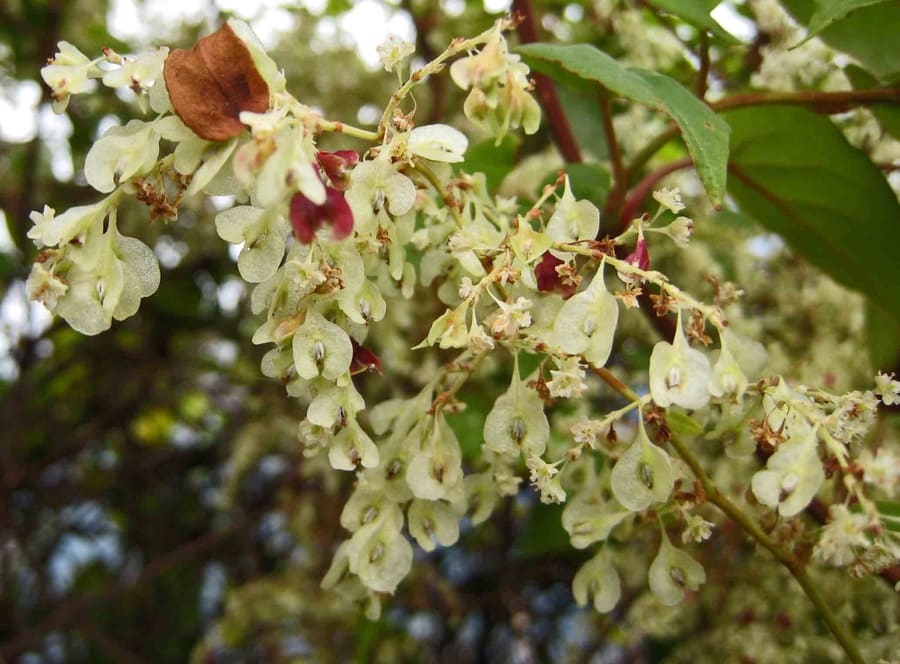 Fo Ti (Polygonum multiflorum)
Fo ti (Polygonum multiflorum), also known as he shou wu, is a perennial vine prized in Traditional Chinese Medicine (TCM) as a major longevity and rejuvenating tonic. Its root is revered for balancing qi (vital energy), tonifying the liver and kidneys, and potentially reversing signs of premature aging, including gray hair.
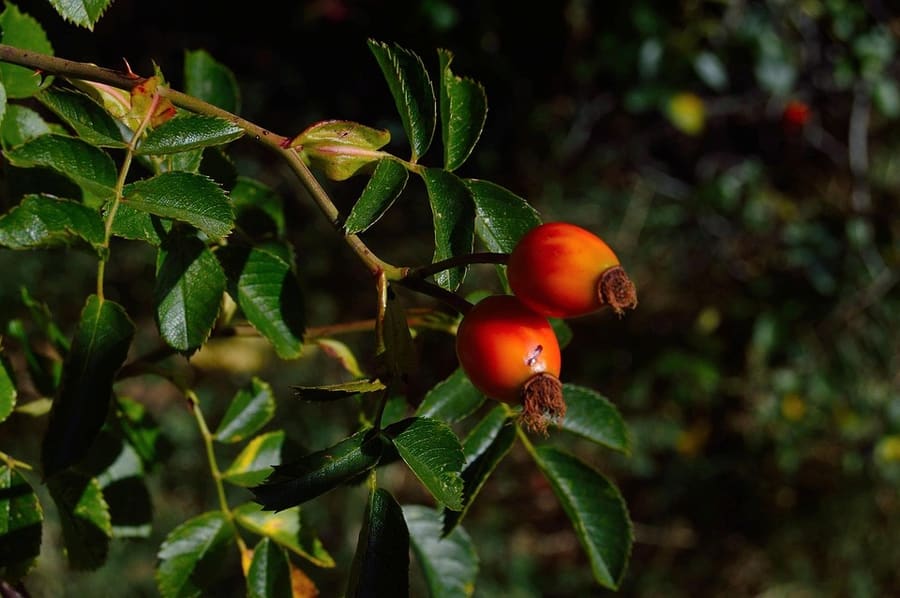 Goji Berry (Lycium chinense)
Goji berry (Lycium barbarum) is a deciduous shrub that can grow up to about 13 ft (4 m), bearing bright green leaves and vivid scarlet berries. A key tonic in Traditional Chinese Medicine, goji berries are believed to support longevity, with references stretching back to the 1st century ce. Both the berries (rich in vitamins, polysaccharides, and carotenoids) and the root have diverse medicinal applications.